Posted by Dan Greenfield on Oct 13, 2026
VOTE! SUPERMAN & LOIS or SUPERMAN & WONDER WOMAN
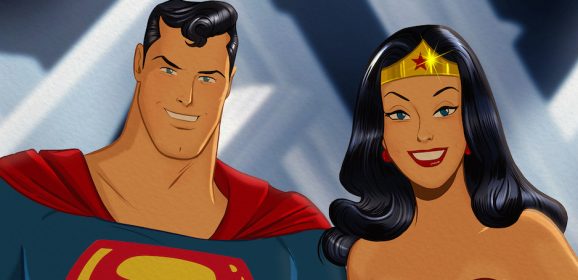
DESPOP TUESDAYS! By DES TAYLOR The Man of Steel has saved the world countless times, but when it comes to matters of the heart, who really belongs by his side? TEAM CLARK & LOIS: She’s the fearless journalist who sees the man behind the cape. No superpowers, no magic lasso, just love, loyalty and a knack for getting into trouble. After all, what’s Superman without his Lois? TEAM SUPERMAN & WONDER WOMAN: Forget ordinary romance. We’re talking about the Man of Steel and an Amazonian goddess! Two legendary heroes, godlike power, warrior spirit and a partnership that could take on just about anything the universe throws at them. THE CLASSIC COUPLE OR THE POWER COUPLE? Is true love found in the newsroom, or does the ultimate superhero deserve a goddess at his side? YOU HAVE A SAY! CAST YOUR VOTE! Who gets your vote? A. Clark Kent & Lois Lane: Love, truth and the traditional power of two hearts beating as one. B. Superman & Wonder Woman: Man and goddess, united as the ultimate heroic duo. Vote below and tell us WHY! Are you a traditional Clark and Lois fan, or do you believe Superman and Wonder Woman are the ultimate match made in superhero heaven? Kryptonite might weaken Superman, but your comments could start a whole new battle! — Want more DESPOP TUESDAYS? Come back next week! Want a commission? Buy prints? Buy Des’ comics? Check out his Despop Art website! — MORE — 13 MORE DC COMICS Corner Boxes That Would Be Really Groovy To See. Click here. — The MEZCO FLEISCHER SUPERMAN PLAYSET Was a Real Joy to Design. Click here. — DES TAYLOR is the man behind creator-owned comic properties Scarlett Couture, The Vesha Valentine Story, The Trouble With Katie Rogers and a new property in the works The Blue Lotus Strikes. His client list includes DC Comics, La Perla, FHM, Cosmopolitan, Universal Music, ITV Studios America and many more. When he’s not working on his own properties or churning out commissions, Des spends his spare time… working some more, hating Arsenal and raising his two baby daughters, Scarlett and...
Read more