
GUEST COLUMN: With a Facsimile Edition of Little Archie #1 coming, Archie Comics’ executive editor offers an appreciation of a living legend…
By JAMIE L. ROTANTE
Who doesn’t miss being a kid?
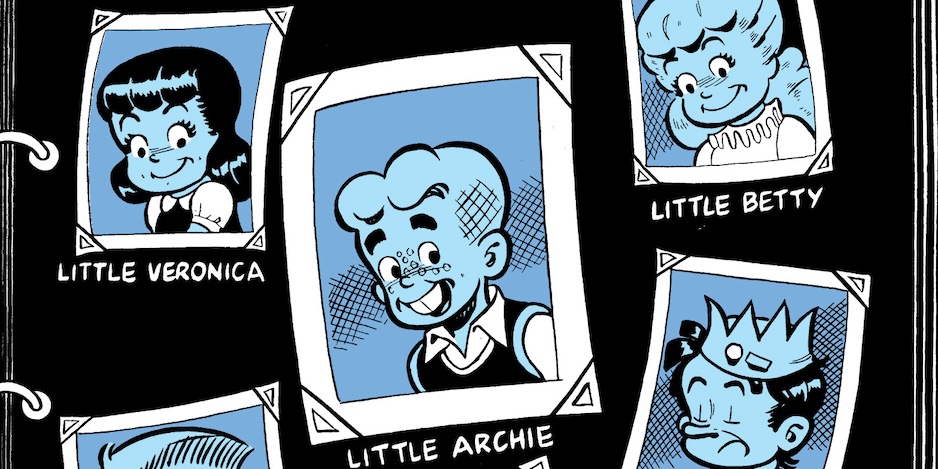
There are few pieces of pop-culture media that captured the essence of childhood better than Little Archie. The comics series, which ran from 1956 to 1983, wasn’t just a look at the kid-size versions of America’s most popular teens, but rather an exploration of the vast imaginary landscapes that children access.
And it’s all thanks to the work of the great writer/artist Bob Bolling.
Bolling got his start in comics working under cartoonist George Shedd while Shedd was assisting on Al Capp’s Li’l Abner in 1952, followed by assisting Shedd on his own adventure comic strip Marlin Keel. Two years later, Bolling started freelancing at Archie Comics, writing and drawing joke pages.
Archie editor Harry Shorten enjoyed Bob’s comic renditions of children, so he tasked Bolling with working on the short-lived series Pat the Brat, Archie’s answer to Dennis the Menace.
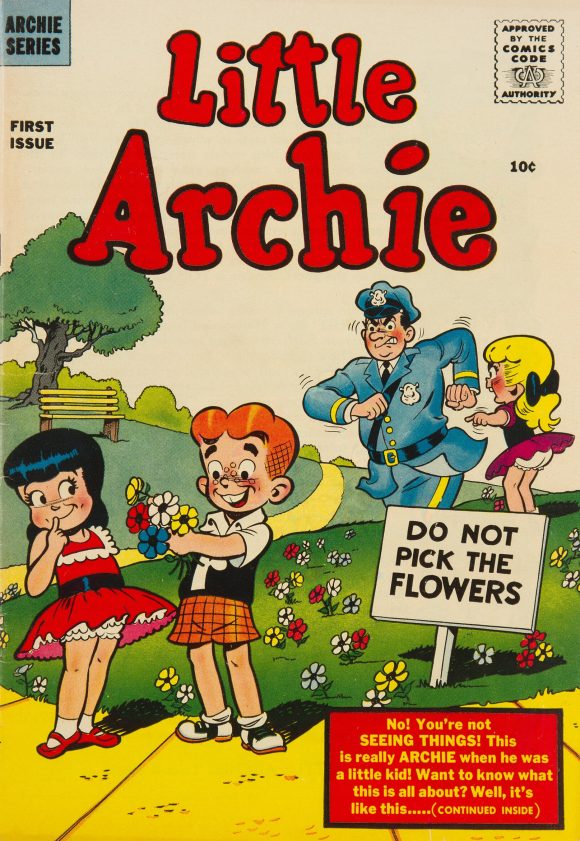
In 1956, Archie publisher John Goldwater decided to do a comic about the adventures of Archie as a little boy—and who better to handle the art duties than Bob Bolling? With his designs approved by both Shorten and Goldwater, he was then assigned to both write and draw the first issue of Little Archie, which proved to be a success.
Bolling went on to exclusively work on the Little Archie series until 1965 — writing, penciling, inking, and lettering roughly half the stories in each giant-size issue, and very often drawing the covers. (Many of the other stories were handled by Dexter Taylor, another Little Archie legend and, interestingly enough, Bolling’s former roommate.) Bolling also handled art duties on many Little Archie spinoffs, including the four-issue Little Archie in Animal Land, and two issues of Little Archie Mystery Comics.
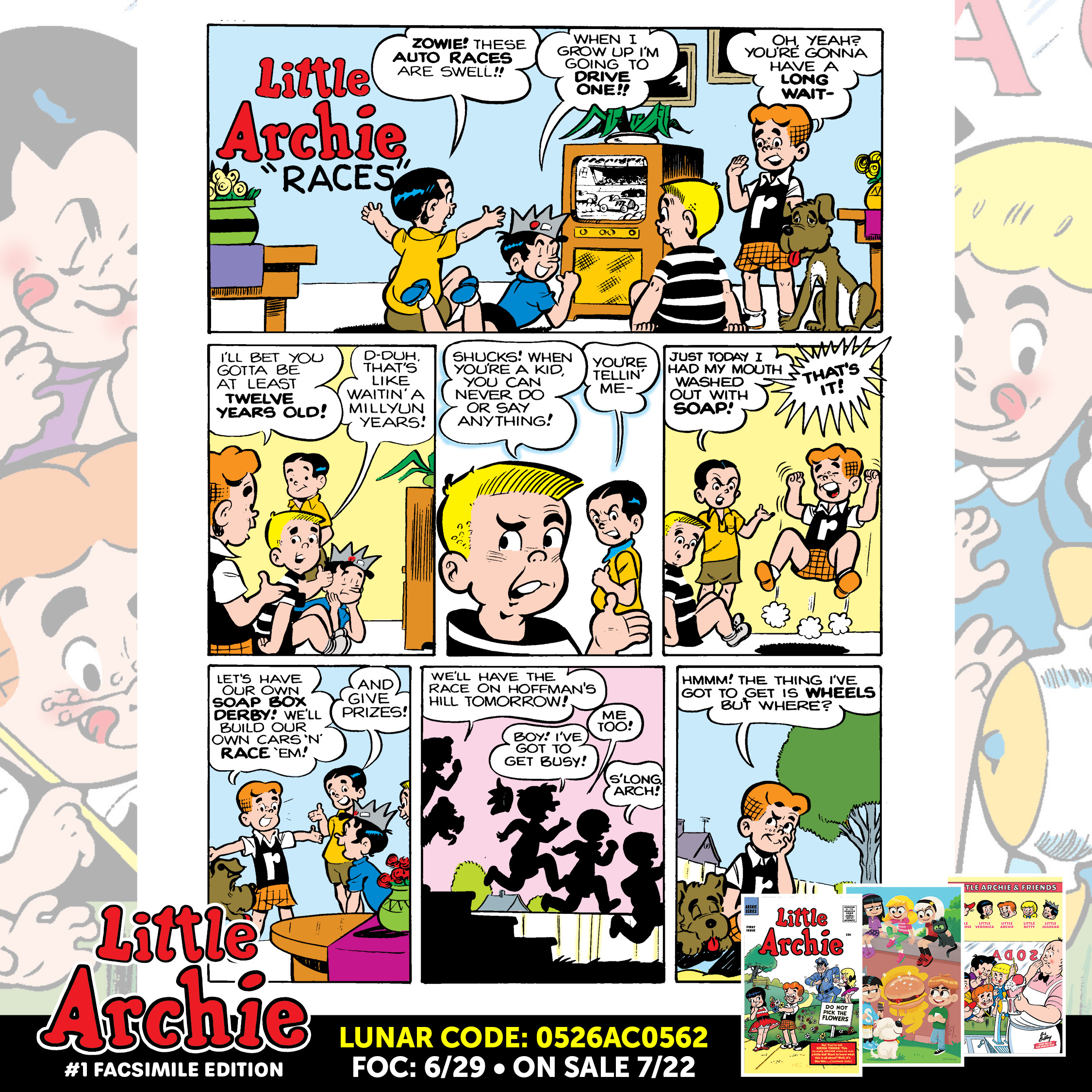
Bolling’s Little Archie stories were usually longer than the typical Archie story, and his versatility in style meant that he was always willing to try something new. Often the characters came face-to-face with mythical creatures and scary monsters; sometimes the kids became pirates or astronauts, with stories ranging from action-adventure, to comedy, to science fiction. An element of sentimentality was nearly always prominent — such is the case when looking back fondly on the days of youth through a lens of nostalgia.
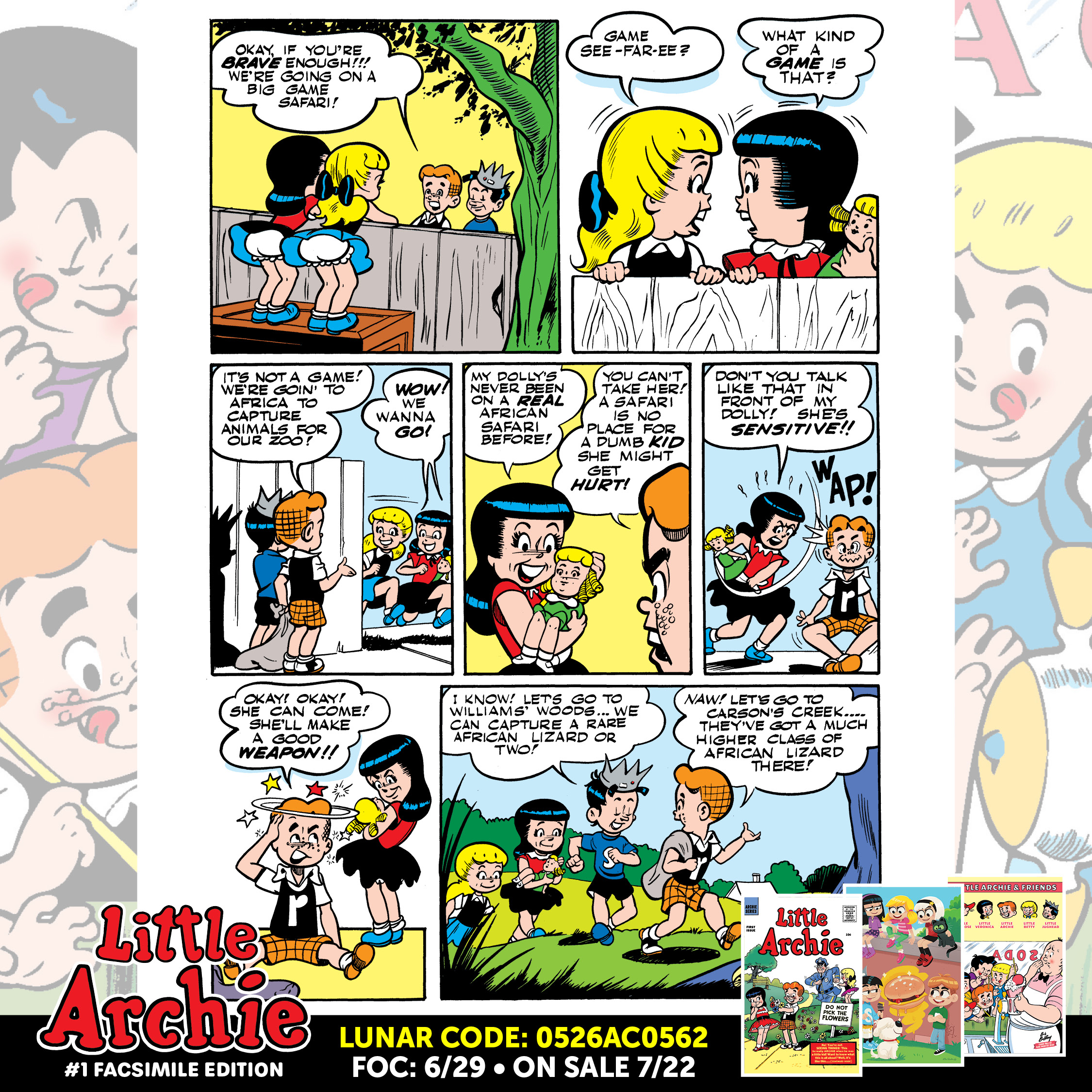
In a 2013 interview with CBR, Bolling explained that his creative choices came from a place of wanting to avoid the same type of stories readers had become accustomed to. He went on to say that “when you write from the heart, it’s bound to connect with a lot of readers.” Truer words have never been spoken.
But the Little Archie stories weren’t just sentimental morality tales; they tapped into the childlike experience—wonder, fear, adrenaline; every moment felt larger than life because, to kids, every moment is larger than life.
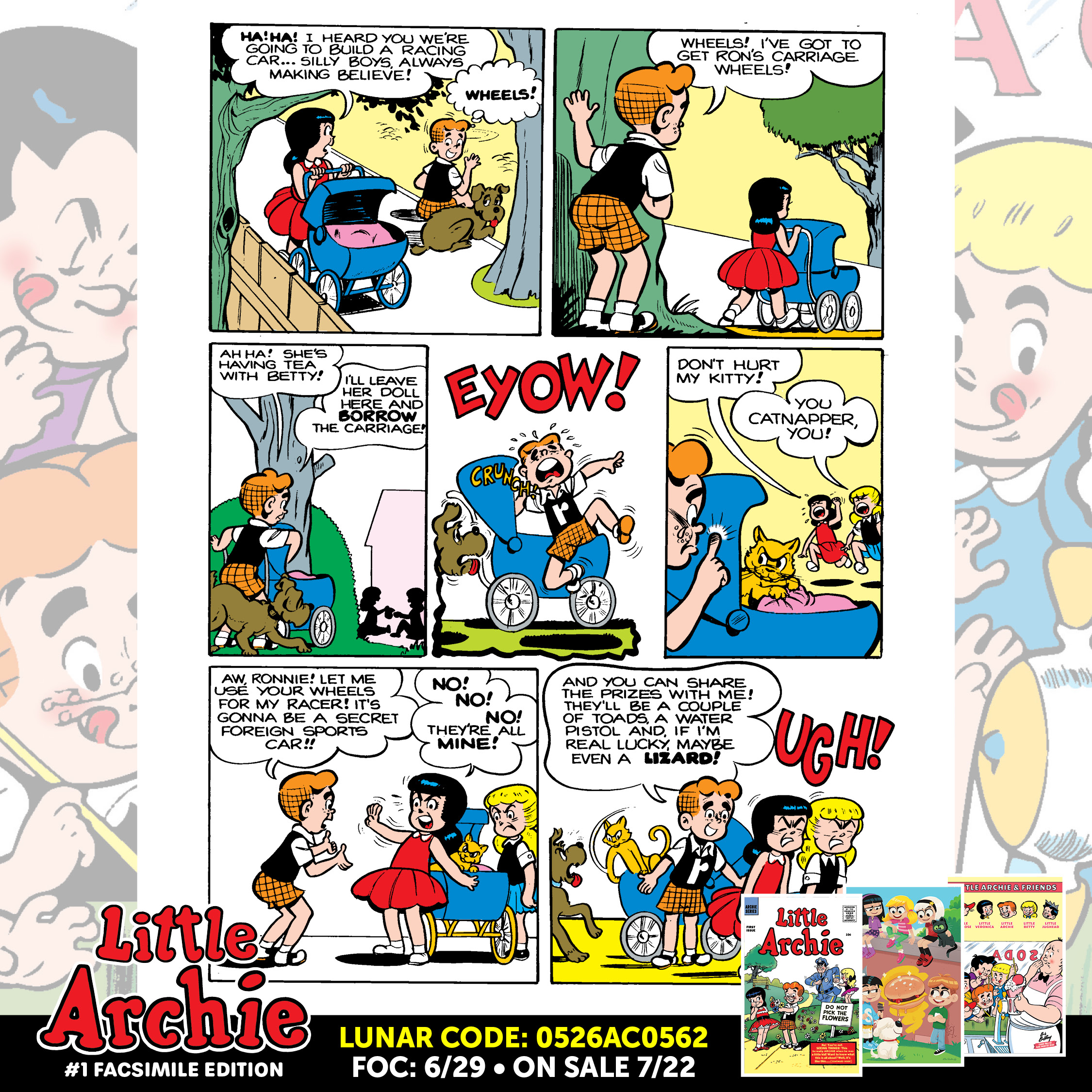
These types of ethereal stories that featured monsters and cowboys and exotic landscapes (and, with what wonder could Bolling draw lush landscapes!) are the kinds that could only exist inside a child’s imagination. They allowed the reader to step outside the reality of day-to-day life and visit the wild expanse of fantastical worlds that are so easily accessible in comic books. Perhaps if it weren’t for Little Archie’s adventures, we wouldn’t get to see the wide arrays of genres and storytelling that Archie has explored since and continues to right to this day, be it horror, fantasy, suspense, or adventure.
But it’s not just the folks at Archie who acknowledge Bolling’s indelible mark on comics history. Many have compared his work to Carl Barks’ emotional and stylistic work. Jaime Hernandez has gone on record to say that it is because of reading Bob Bolling’s Little Archie stories at a young age that he writes the way he writes today.
Bolling’s work didn’t end with Little Archie. From 1965, he began working on the teenage versions of the characters, writing and drawing stories for titles like Archie’s Pals ‘n’ Gals and, more notably, Archie and Me for decades, with occasional visits back into the world of Little Archie.
He’s now happily retired from comics work, but the imprint he’s made on readers and comics creators alike is inarguable. So much so that, in 2005, Bolling received the prestigious Inkpot Award in recognition of his work on Little Archie, followed by the Bill Finger Award for Excellence in Comic Book Writing in 2022.
And in July, just weeks after his 98th birthday, Bob Bolling will be inducted into the Eisner Hall of Fame during San Diego Comic-Con. A great honor for a man who captured the hearts — and imaginations — of readers of all ages for decades.
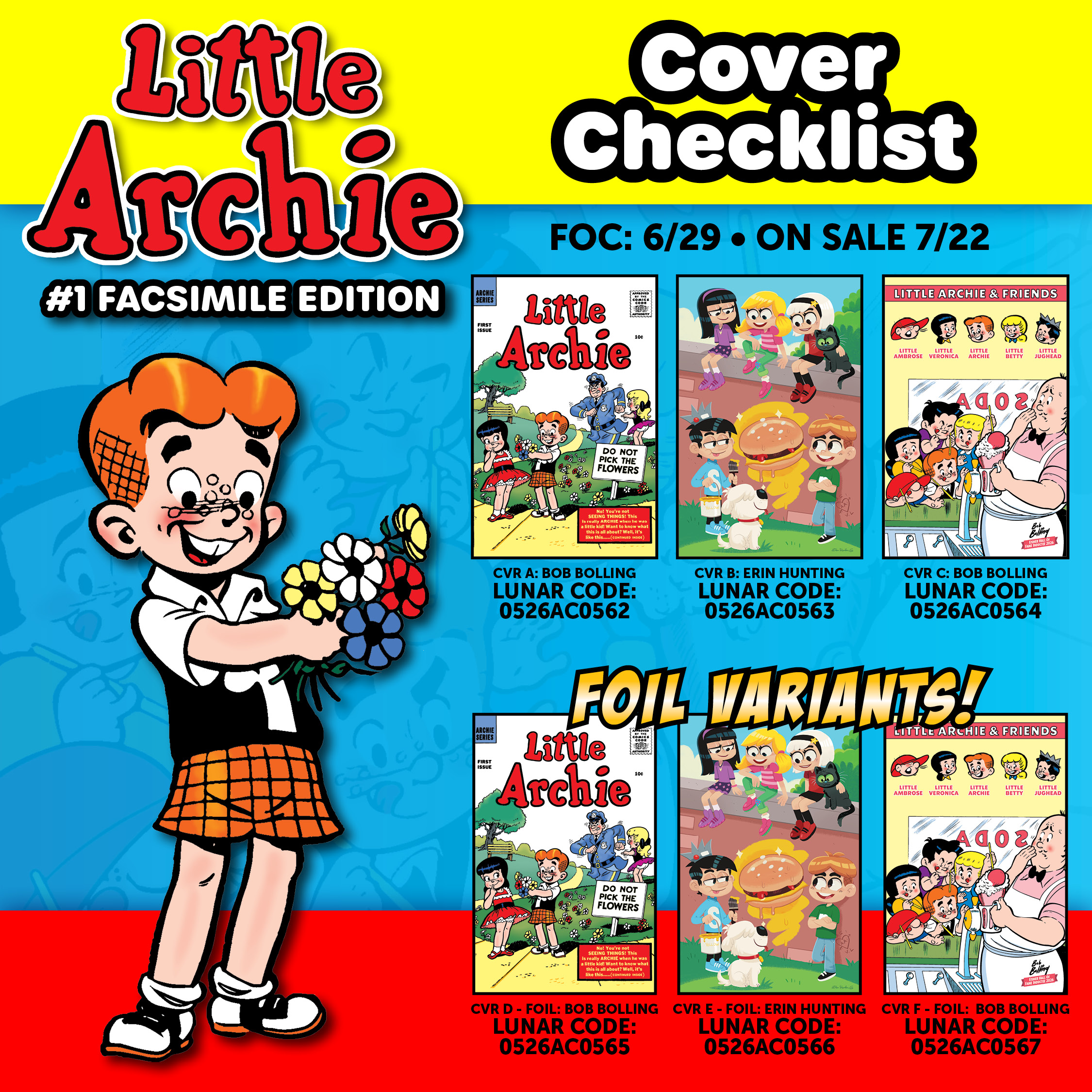
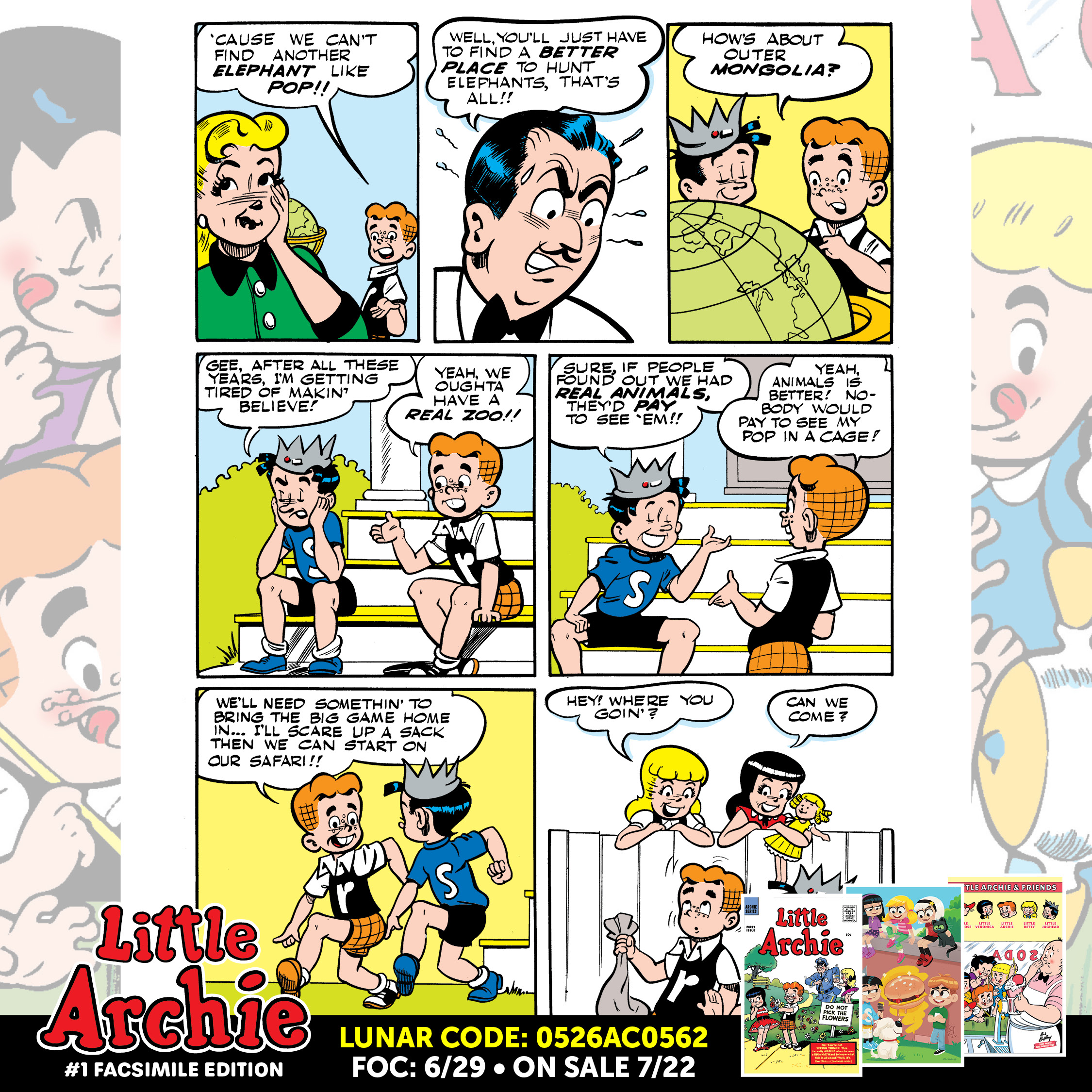
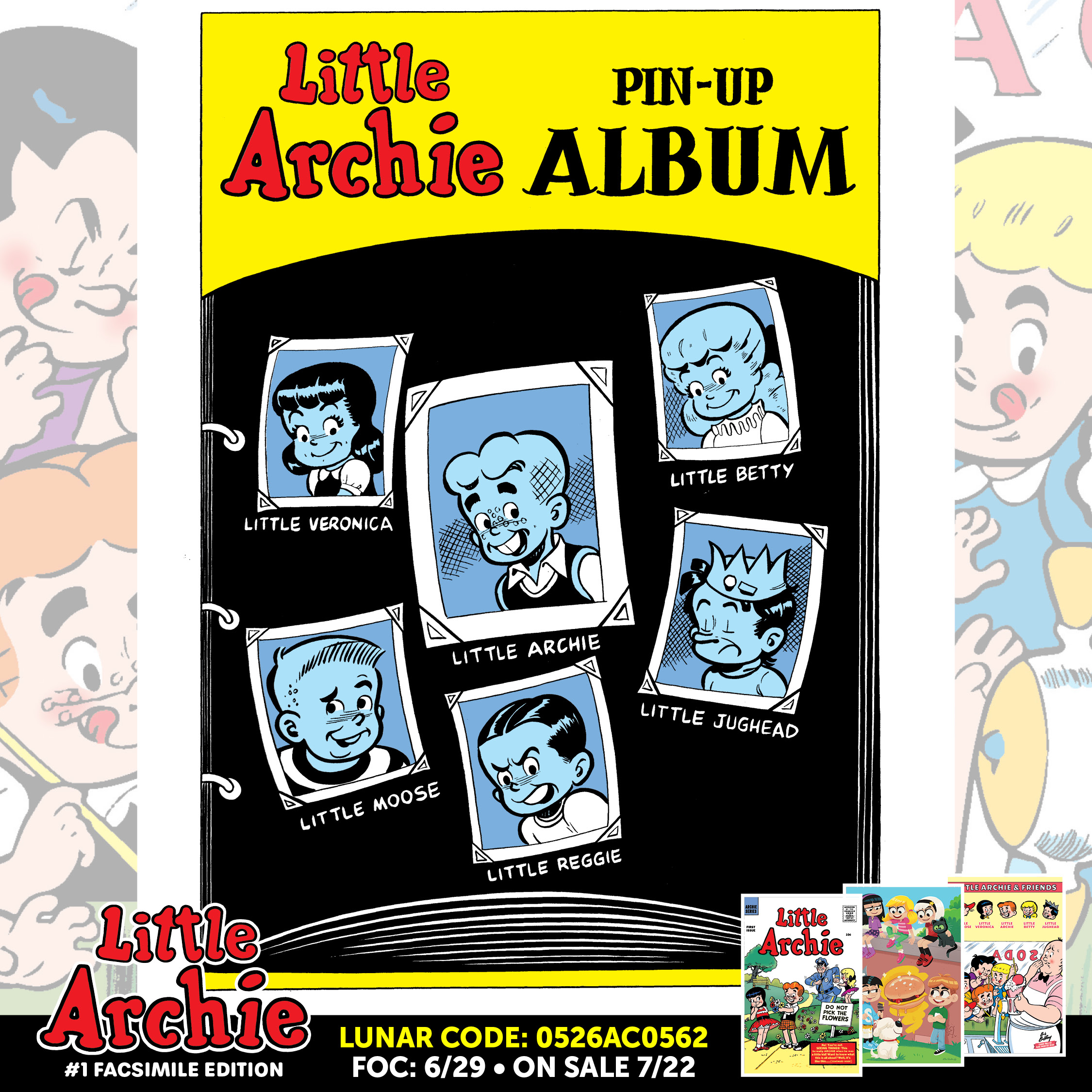
Archie Comics is celebrating this living legend and this momentous honor with a Facsimile Edition of the comic that started it all — Little Archie #1 from 1956. Retailers are encouraged to preorder this comic by Monday, June 29, which is available through Lunar (and Universal in Canada). To make it even easier, we provided 13th Dimension with these preview images, which include the ordering info.
We’re also always eager to work directly with retailers, especially through our robust retailer variant cover program, which allows local shops and artists alike to be a part of Archie Comics history. To learn more, please email us at info@archiecomics.com.
—
MORE
— 1956’s LITTLE ARCHIE #1 Gets 70th Anniversary Facsimile Edition This Summer. Click here.
— BOB BOLLING TURNS 98: A Birthday Salute to the Living ARCHIE Legend. Click here.
—
JAMIE L. ROTANTE is the executive editor of Archie Comics. This guest column will also appear at Archie’s official blog.

June 29, 2026
I wonder if the folks at Archie Comics have ever considered printing a series of picture books featuring Little Archie and the gang. I think they would reach the age group today the comics once hit.