
Scott and Dan hit up the comics racks from 54 years ago…
This week for RETRO HOT PICKS, Scott and I are selecting comics that came out the week of Aug. 19, 1972.
Last time for RETRO HOT PICKS, it was the week of Aug. 12, 1963. Click here to check it out.
(Keep in mind that comics came out on multiple days, so these are the issues that went on sale between Aug. 16 and Aug. 22.)
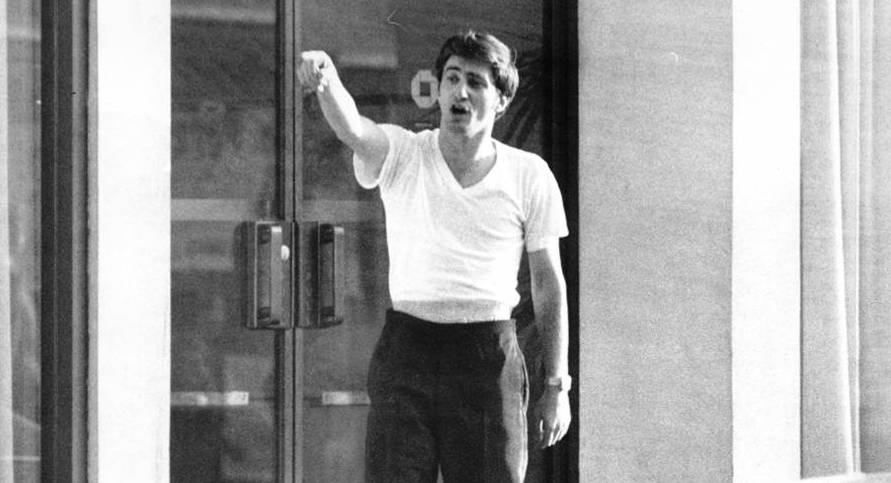
So, let’s set the scene: On Tuesday, August 22, in Gravesend, Brooklyn, it was hot as hell, and as a Chase Manhattan Bank branch prepared to close for the day, three men set upon it for a robbery. One quickly chickened out and bailed, but the other two — John Wojtowicz and Sal Naturile — saw it through, but found themselves in a bizarre hostage situation that would last until the early morning hours of the next day.
In between, a volatile and funny Wojtowicz — pronounced “voy-TOE-vitch” — whom Life magazine would soon describe as “a dark, thin fellow with the broken-faced good looks of an Al Pacino or Dustin Hoffman,” tried his damnedest to control the situation, which had drawn a horde of onlookers, reporters and cameras.
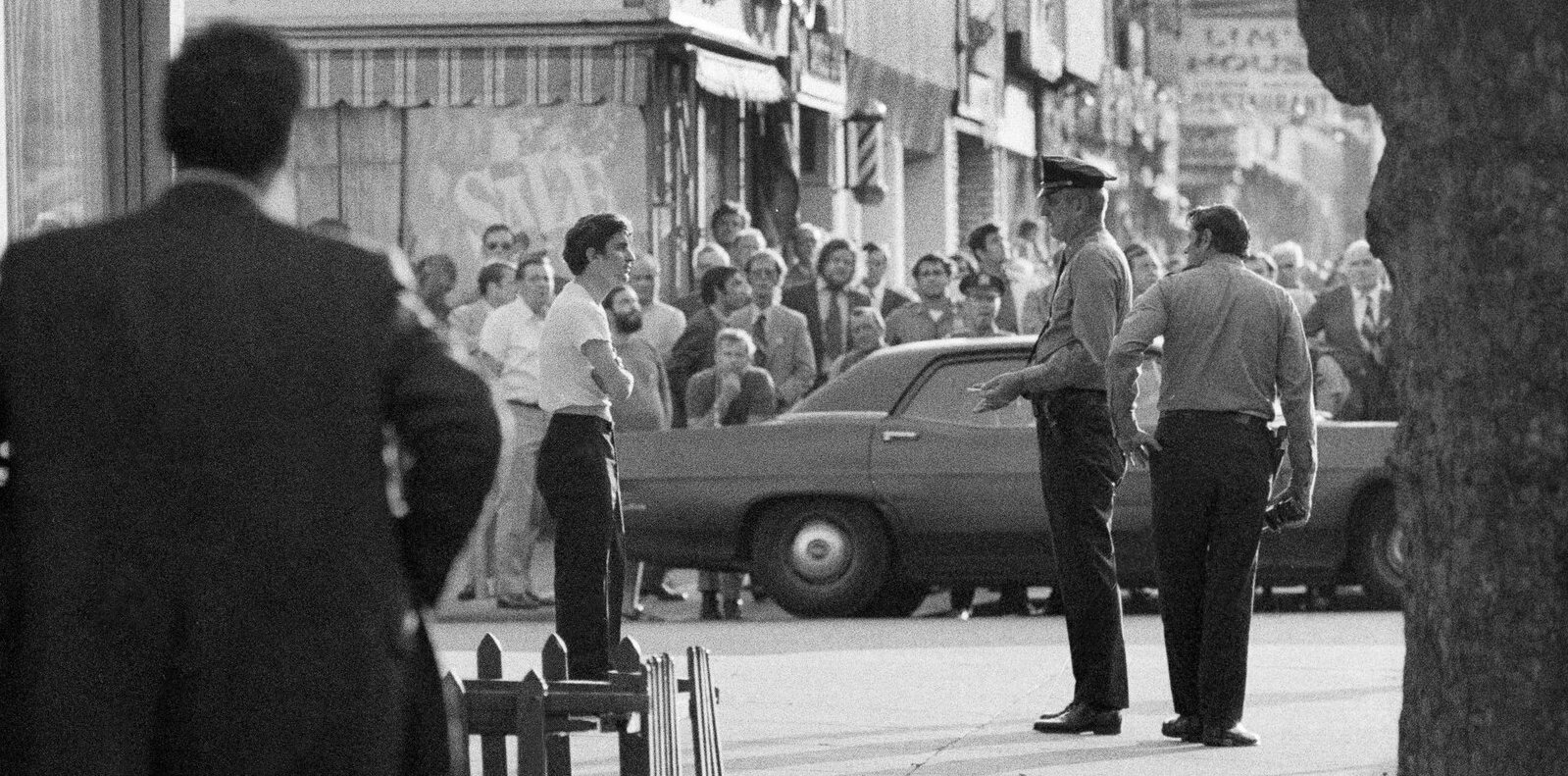
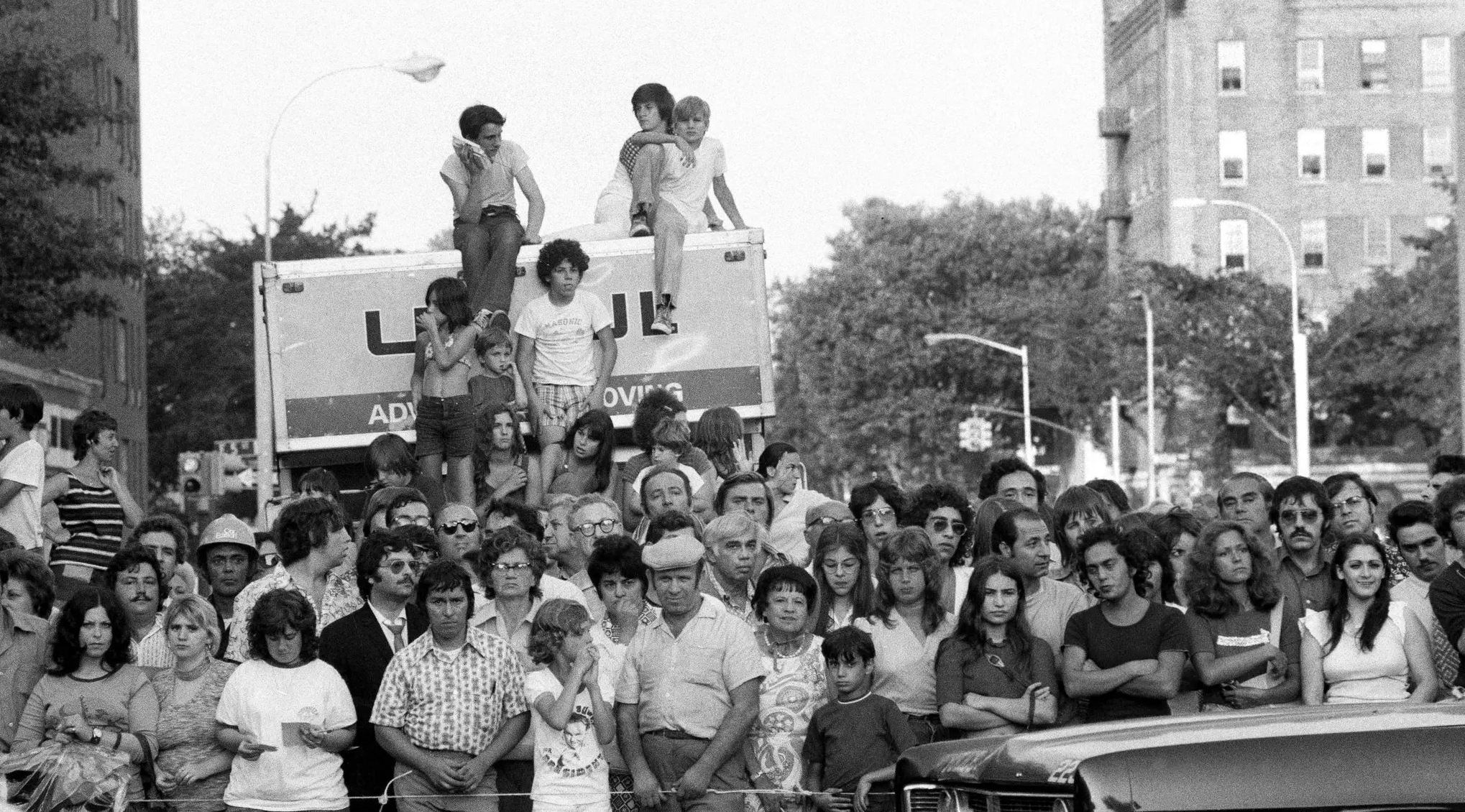
Barely hanging on, Wojtowicz kept the cops and FBI at bay, and, improbably, befriended the bank manager and tellers, allowing them to make phone calls, use the restrooms, and getting them pizza. He gave interviews over the phone. What he wanted more than anything was to see his wife — Elizabeth Eden, born Ernest Aron, who was desperate to get gender-affirming surgery. (Their 1971 nuptials were hailed in the gay community as “New York’s first drag wedding.”)
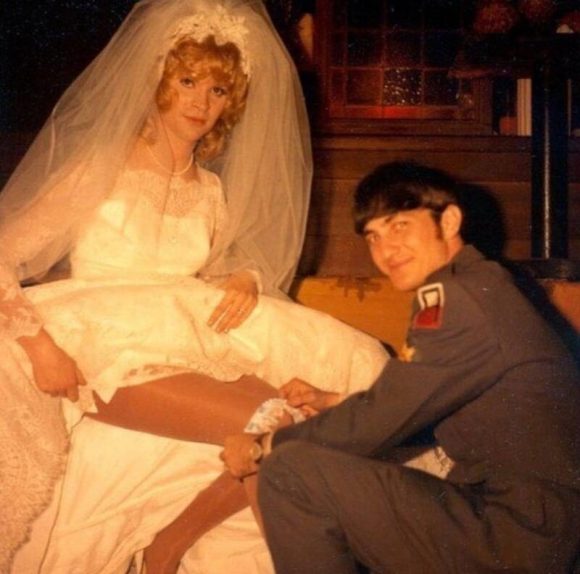
Unfortunately for Wojtowicz, a haggard Eden — brought to the scene from her Kings County Hospital bed, having intentionally overdosed on pills over the weekend — refused to see him, and the night wore on with a thickening tension. Wojtowicz and Naturile wanted to be jetted out of the country with the hostages, whom they would release one at a time in various cities overseas until they reached their final destination, when the last of them would be let go.
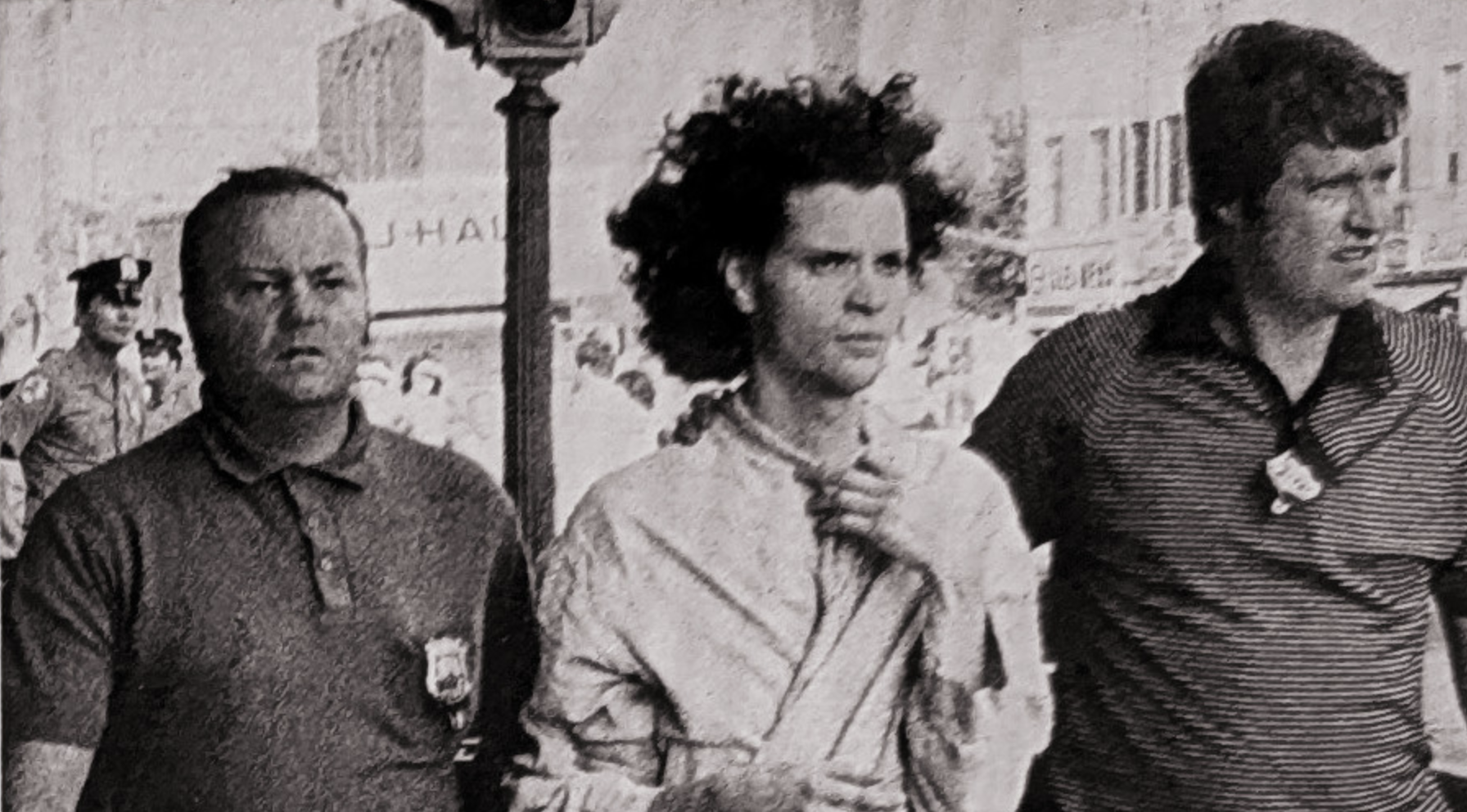
Finally, the cops and feds played their last card and gave the robbers what they asked for. By 4:45 a.m., an official caravan of vehicles — followed by dozens of cars with onlookers — made it to JFK Airport. Finally, on a remote part of the tarmac, the lawmen got their opening, shot Naturile dead, arrested Wojtowicz, and freed all the hostages unharmed.
“If they had been my house guests on a Saturday night, it would have been hilarious,” head teller Shirley Ball later told Life.
The notion was not so far-fetched. The unlikely siege would be adapted little more than three years later, into one of the greatest films of the 1970s: Dog Day Afternoon — starring Al Pacino as Wojtowicz, renamed “Sonny Wortzik” for the movie, and John Cazale as Sal.
The movie would be nominated for six Oscars, including Best Picture and Best Actor, as well as Best Supporting Actor, for Chris Sarandon, who played the fictional version of Eden; it would win one — Best Original Screenplay by Frank Pierson, even though it was based on a true story and the Sept. 22, 1972, Life article The Boys in the Bank, by P.F. Kluge and Thomas Moore. (The movie was, in turn, made into a Broadway play earlier this year, starring Jon Bernthal and Ebon Moss-Bachrach.)
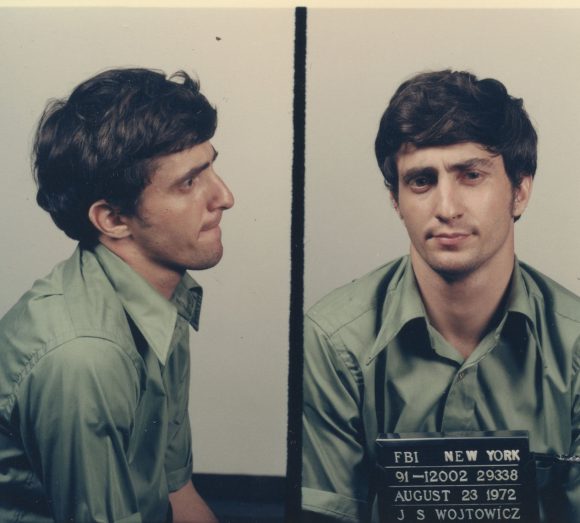
Wojtowicz would serve five years in prison, and be incarcerated twice more for parole violations. Eden had married and divorced someone else, but Wojtowicz said the two maintained regular contact after he was let out for good in April 1987. She died about five months later of AIDS-related pneumonia. He died of cancer at his mother’s New York home in 2006, at the age of 60.
Eden did get the surgery. According to her New York Times obituary, it was paid for with part of Wojtowicz’s proceeds from Dog Day Afternoon.
* * *
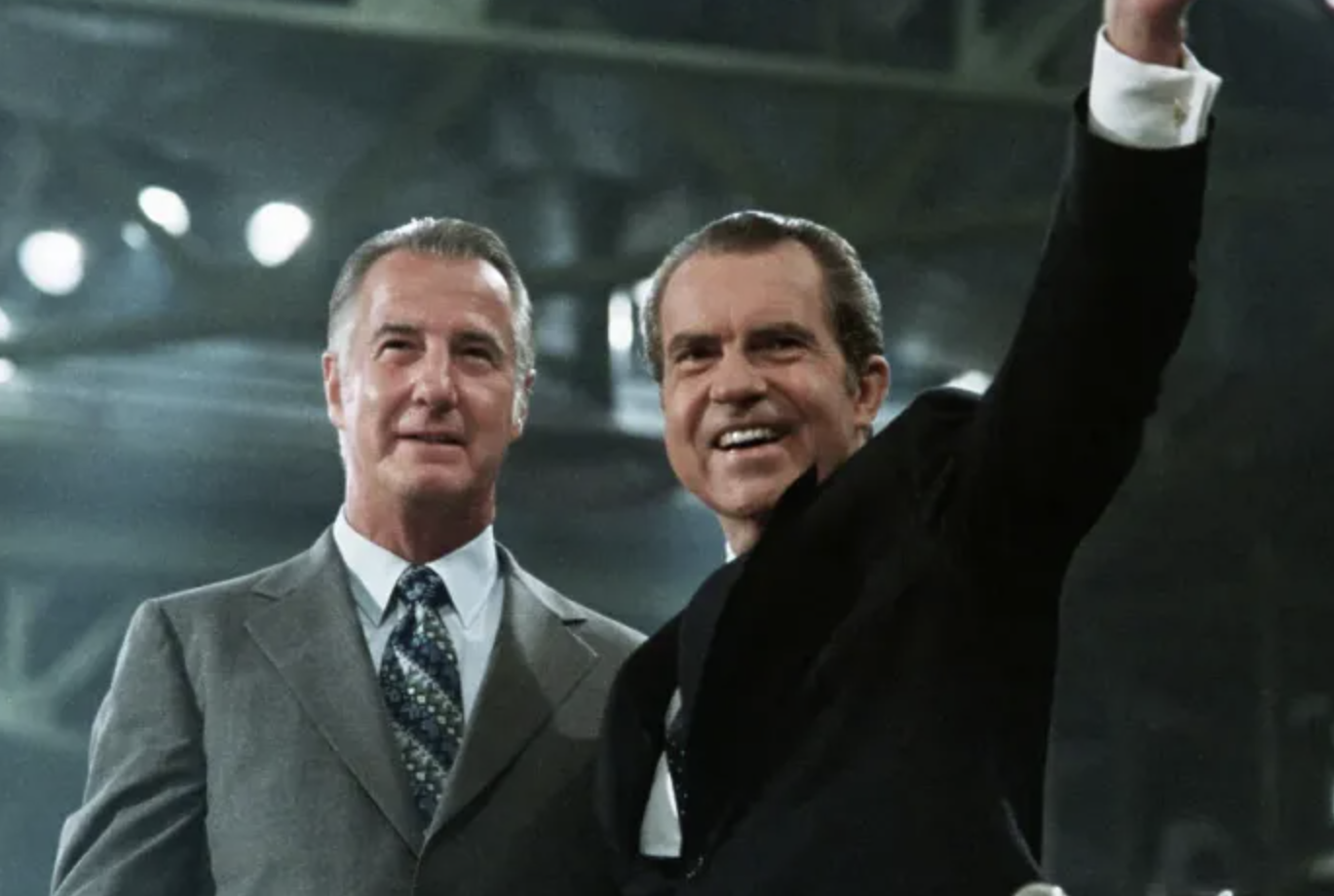
The Republican National Convention was Aug. 21-23 in Miami Beach, and while there were heavy protests outside — particularly against the Vietnam War (one protester included Ron Kovic of Born on the Fourth of July fame) — inside it was a straightforward affair. The party was almost uniformly united behind President Richard Nixon, unlike the Democrats, who were in disarray.
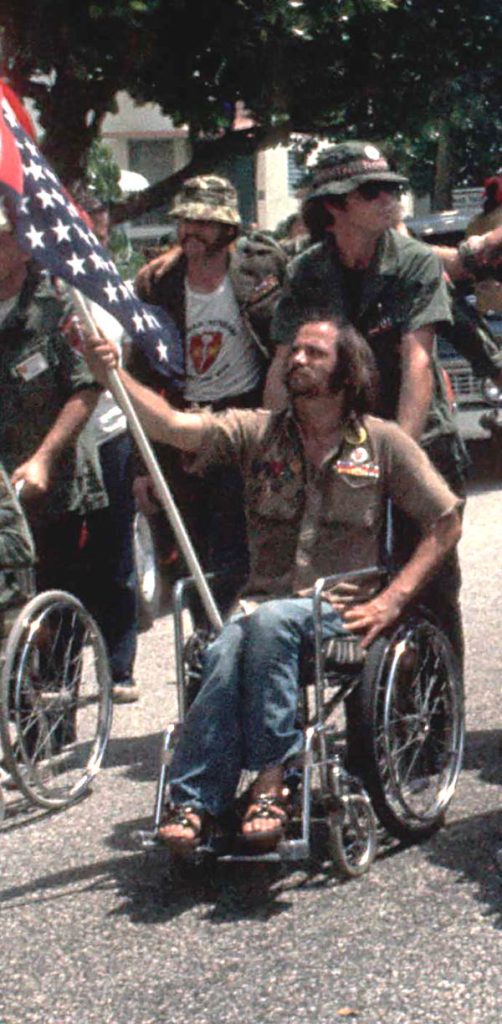
Kovic
Sen. George McGovern of South Dakota had been nominated but was hardly a party favorite. Worse, he struggled mightily to even find a running mate. He finally did with Sen. Thomas Eagleton of Missouri, but then it was revealed after the party’s July convention that Eagleton had been hospitalized multiple times due to mental illness and had even received shock therapy. (This was a time when the public view of mental illness was still in the Dark Ages.)
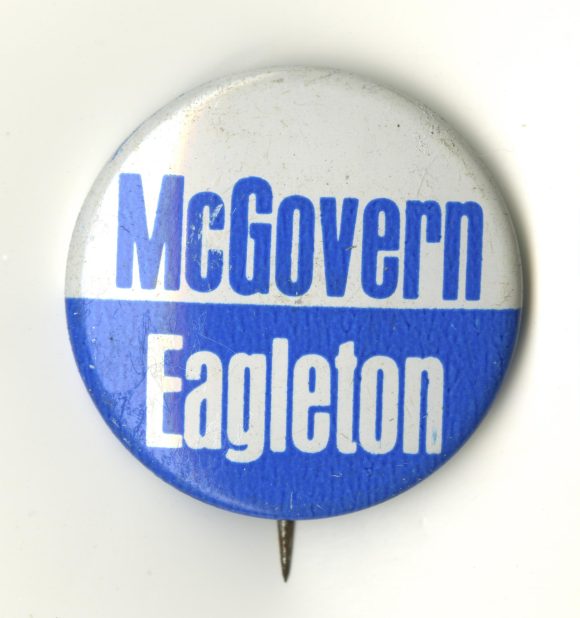
By early August, McGovern settled on the Kennedy-connected Sargent Shriver, the former ambassador to France, who was the driving force behind the creation of the Peace Corps and other good works.
You’d think the Democrats might have had a better time of it. Back on Aug. 1, a Page 1 article in The Washington Post, by reporters Carl Bernstein and Bob Woodward, was headlined “Bug Suspect Got Campaign Funds” — the first report to link June’s Watergate break-in to the Committee for the Re-Election of the President. But the public just didn’t much care.
Yet.
* * *
IN OTHER NEWS
— The Vietnam War was still a blazing topic, even as the last American ground troops were pulled out of South Vietnam earlier in the month. Air and sea operations continued, with more than 40,000 servicemen still in country.
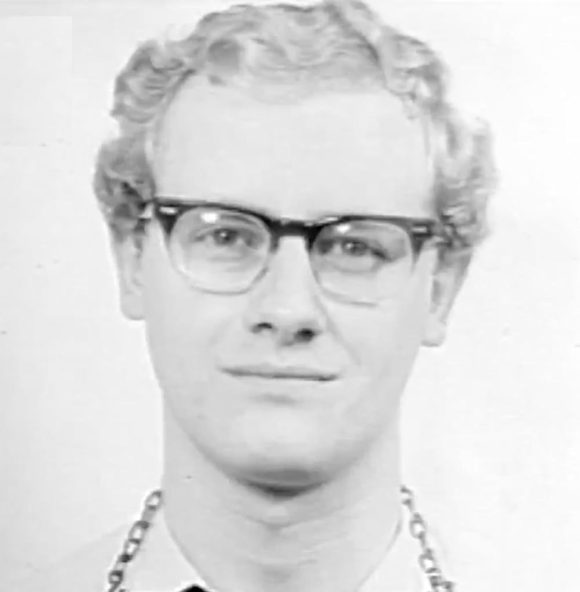
Bremer’s mugshot
— Arthur Bremer, the 22-year-old gunman who shot and paralyzed racist Alabama Gov. George Wallace in May, had begun his prison sentence for the attempted assassination. Wallace in the spring was seeking the Democratic presidential nomination. Bremer was seeking fame. He would get it, in a way: His diary and story would provide part of the inspiration for Travis Bickle in Taxi Driver.
— A brand-spankin’ new football stadium was open for business in America’s heartland. Arrowhead Stadium, home of the Kansas City Chiefs, hosted its first game Aug. 12, an exhibition matchup with the St. Louis Cardinals.
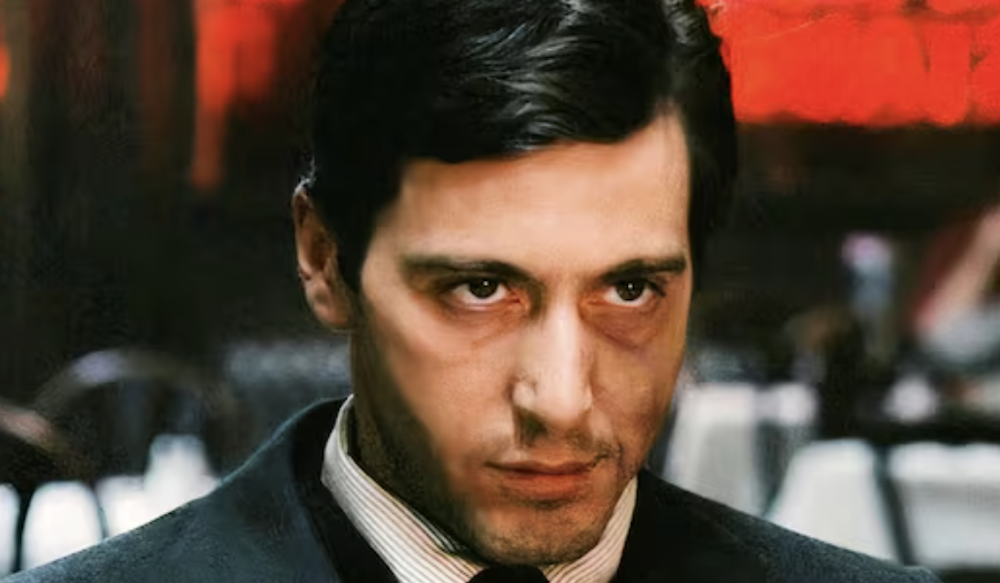
The Godfather utterly dominated the box office and was still in a roughly six-month run at the top. (Weirdly, it would be briefly usurped by Butterflies Are Free the following week.) Other hits included the harrowing Conquest of the Planet of the Apes; the far, far more harrowing Deliverance (I mean, I shouldn’t even joke); the superb The Candidate; and Shaft’s Big Score!
Also on screens were Kansas City Bomber, starring Raquel Welch; Snoopy Come Home, which always made me cry; Monty Python’s And Now for Something Completely Different; and Woody Allen’s Everything You Always Wanted to Know About Sex* (*But Were Afraid to Ask).
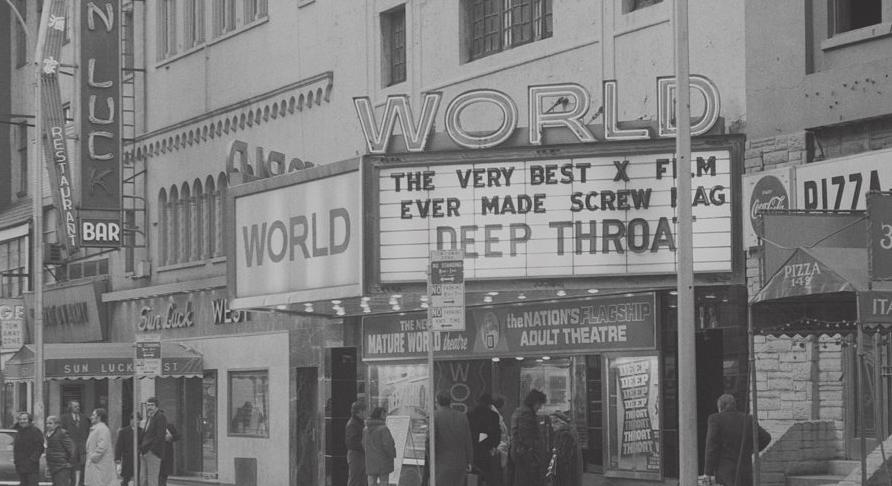
But the buzziest movie beyond The Godfather that summer was Deep Throat, the hardcore flick that ushered in the era of porno chic and made Linda Lovelace a household name.
TV was deep in the summer rerun doldrums, but the top shows of the day included All in the Family; Mannix; Adam-12; The Mary Tyler Moore Show; Marcus Welby, M.D.; Here’s Lucy; and, Gunsmoke.
Late-night TV got a shot in the arm Aug. 19 with The Midnight Special, a 1 a.m. rock concert special that encouraged young people to vote. (18-year-olds could vote in the presidential election for the first time.) The special, hosted by John Denver, was a success and would later be picked up as a series.
Wattstax, one of the great concerts of the era, was held Aug. 20 at the Los Angeles Coliseum. For a buck, fans got to see the Staple Singers; Isaac Hayes; Carla Thomas; Albert King; the Bar-Kays; Luther Ingram, whose If Loving You is Wrong (I Don’t Want to Be Right) was peaking at No. 3; and many more — all of Stax’s top talent at the time. The benefit was organized by the record label to commemorate the seventh anniversary of the 1965 Watts riots.
Alone Again (Naturally) by Gilbert O’Sullivan was the No. 1 single, followed by the epochal Brandy (You’re a Fine Girl), by Looking Glass, at No. 2. The Hollies’ Long Cool Woman (in a Black Dress), which I always think came out years earlier, was also among the big hits. So were Argent’s repetitive Hold Your Head Up; Coconut by Harry Nilsson; You Don’t Mess Around With Jim, by Jim Croce; and Too Late to Turn Back Now, by Cornelius Brothers and Sister Rose.
Now. About the albums. Never, ever, ever, will I pass up the chance to talk about Exile on Main St., the greatest rock and roll album of all time. (I will brook no dissent.) The Rolling Stones’ magnum opus, featuring incredible tracks like Rocks Off, Tumbling Dice, Loving Cup, Happy, Let It Loose, and Shine a Light, was released in May, topped the charts for a month in June-July, and remained a big hit for the rest of the summer — and the 54 years beyond.
Other enduring LPs included American Pie, by Don McLean; Harvest, by Neil Young; Lou Reed’s eponymous solo debut; the Eagles’ eponymous debut; America’s eponymous debut; First Take, Roberta Flack’s (not eponymous) debut; David Bowie’s The Rise and Fall of Ziggy Stardust and the Spiders from Mars; Elvis’ As Recorded at Madison Square Garden; Thick as a Brick, by Jethro Tull, Honky Chateau by Elton John; Curtis Mayfield’s Super Fly; and Chicago V. Oh, and the soundtrack to Jimmy Cliff’s The Harder They Come.
And they think that they have got the battle won. I say forgive them Lord, they know not what they’ve done…
—
Dan Greenfield, editor, 13th Dimension
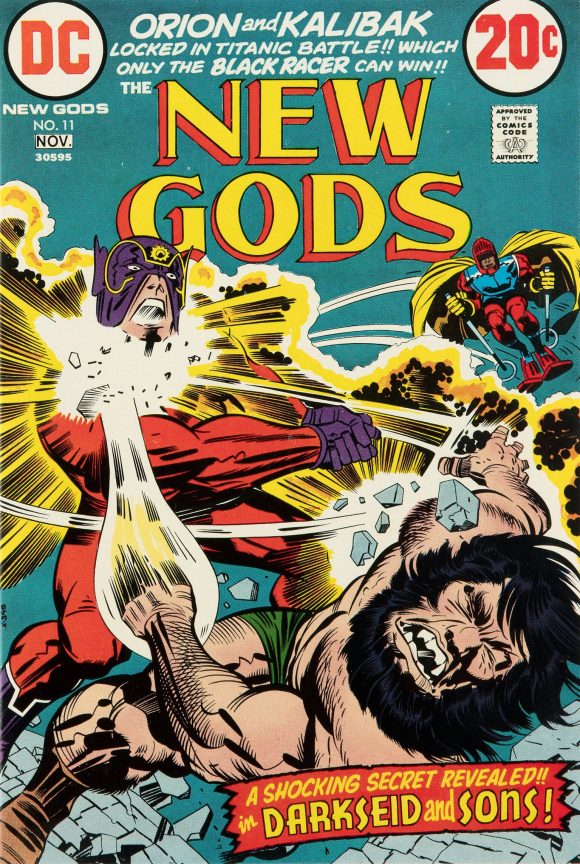
The New Gods #11, DC. End of the road for Jack Kirby’s most influential DC series, at least for the moment. The public and DC editors just weren’t ready for it, but as the years went on, it began to loom larger and larger, until it got to the point where it’s now considered crucial to the company’s publishing history. You could reasonably argue that beyond the Joker and Lex Luthor, Darkseid is DC’s biggest bad — to the degree that he underpins the context of not only the current main publishing line but the wildly successful Absolute line, as well.
—
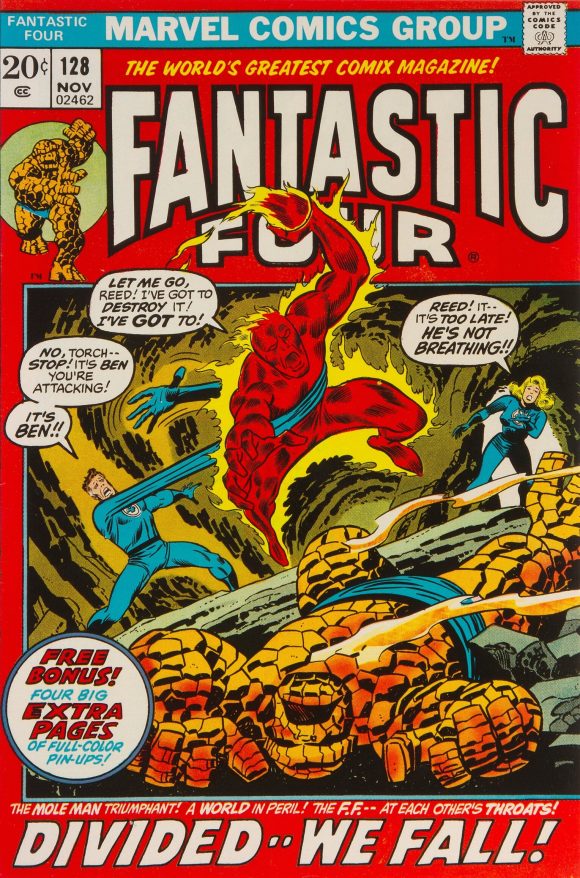
Fantastic Four #128, Marvel. With a snazzy, four-page glossy insert featuring pinups of the FF’s friends and foes, illustrated by Big John Buscema and inker Frank Giacoia.
—
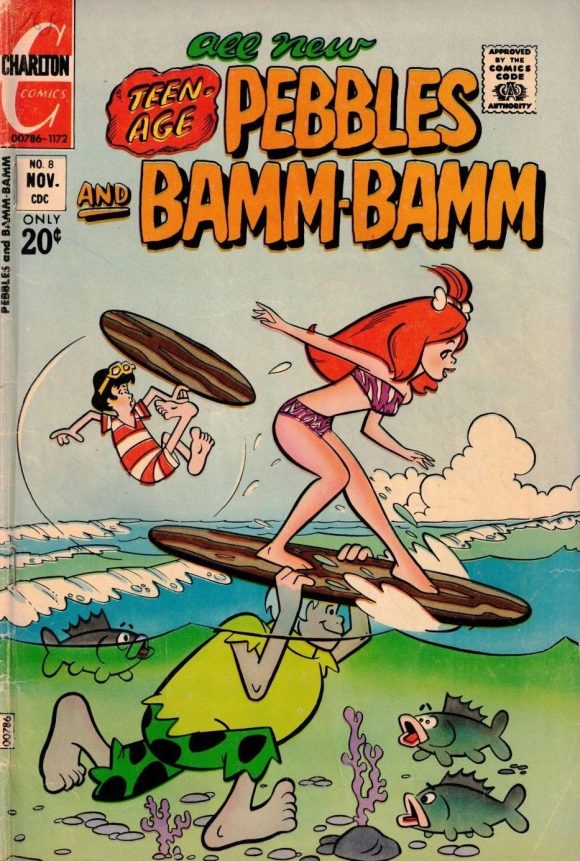
Pebbles and Bamm-Bamm #8, Charlton. Is it weird that I kinda had a crush on teenage Pebbles? Maybe I shouldn’t have mentioned that.
—
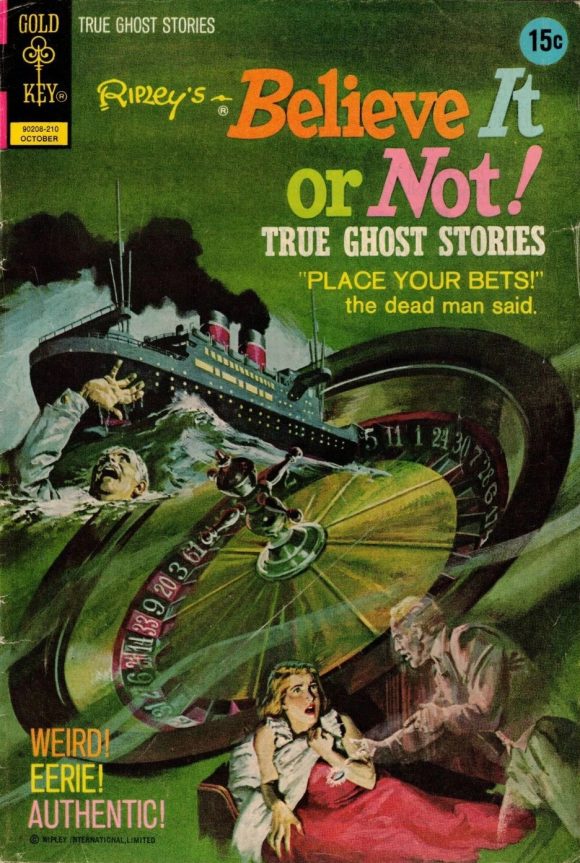
Ripley’s Believe It or Not #36, Gold Key. With that far-out cover by George Wilson, you’d think that Gold Key might have been trying to capitalize on the popularity of The Poseidon Adventure. Except the movie was still four months away.
—
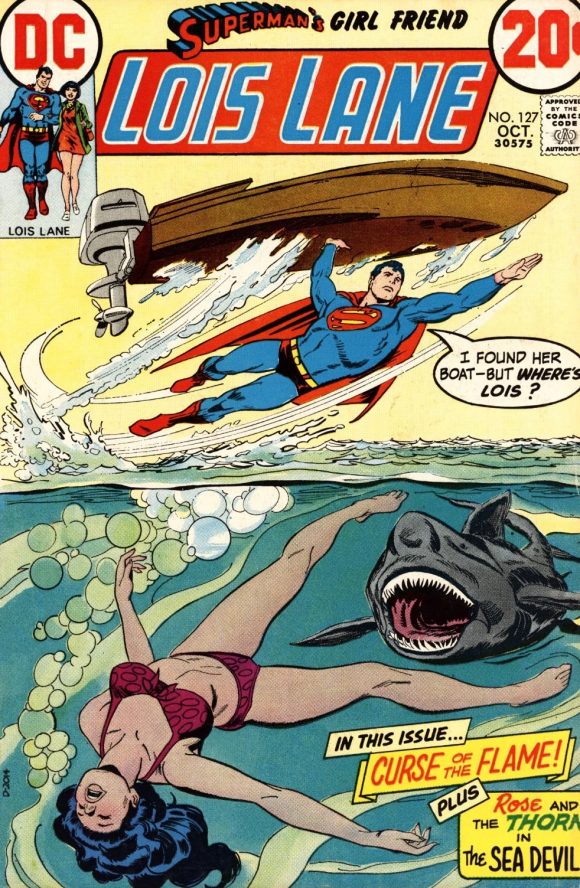
Superman’s Girl Friend, Lois Lane #127, DC. And Jaws was still three years away.
—
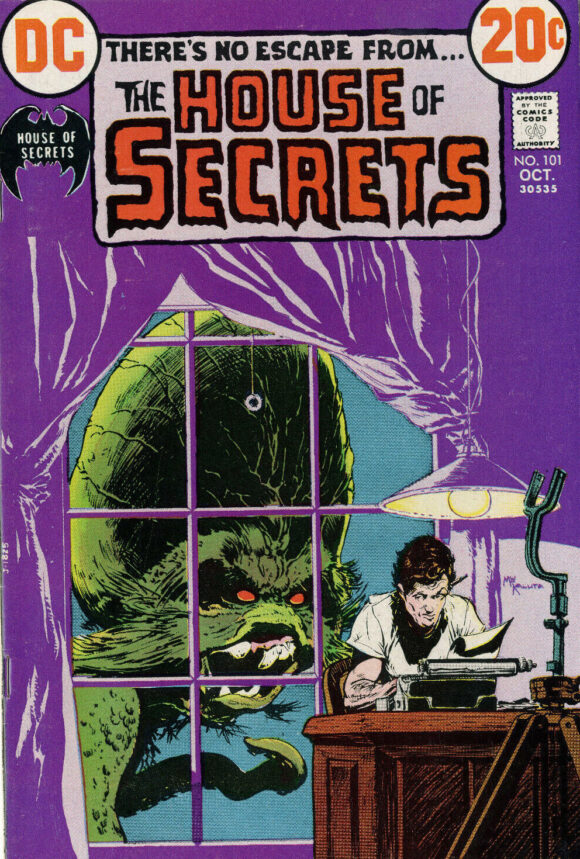
House of Secrets #101, DC. One of the great horrible Kaluta covers.
—
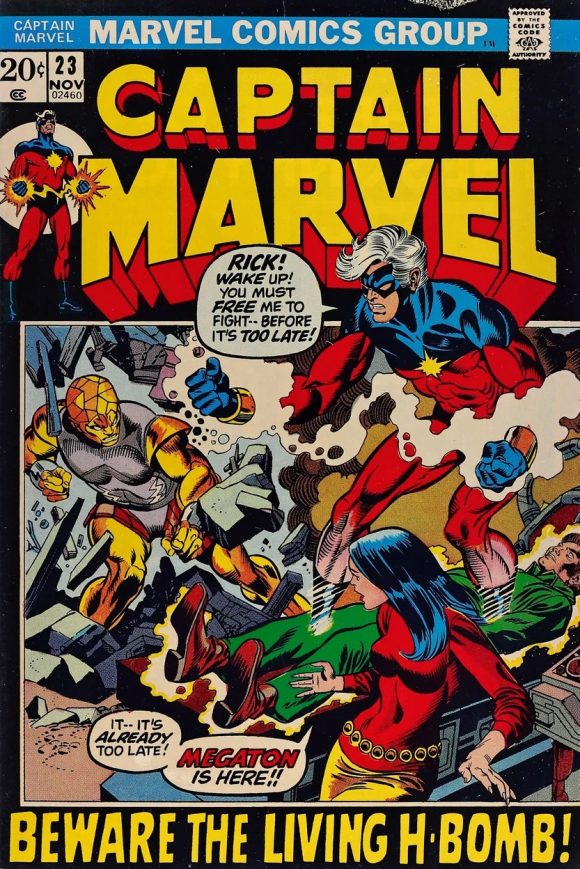
Captain Marvel #23, Marvel. I had no idea, I mean zero idea, until now that Wayne Boring was the artist on Captain Marvel when the title returned after a two-year layoff. Boring was on for three issues — this was the second — before giving way to youngster Jim Starlin. (Cover by Gil Kane and Joe Sinnott.)
—
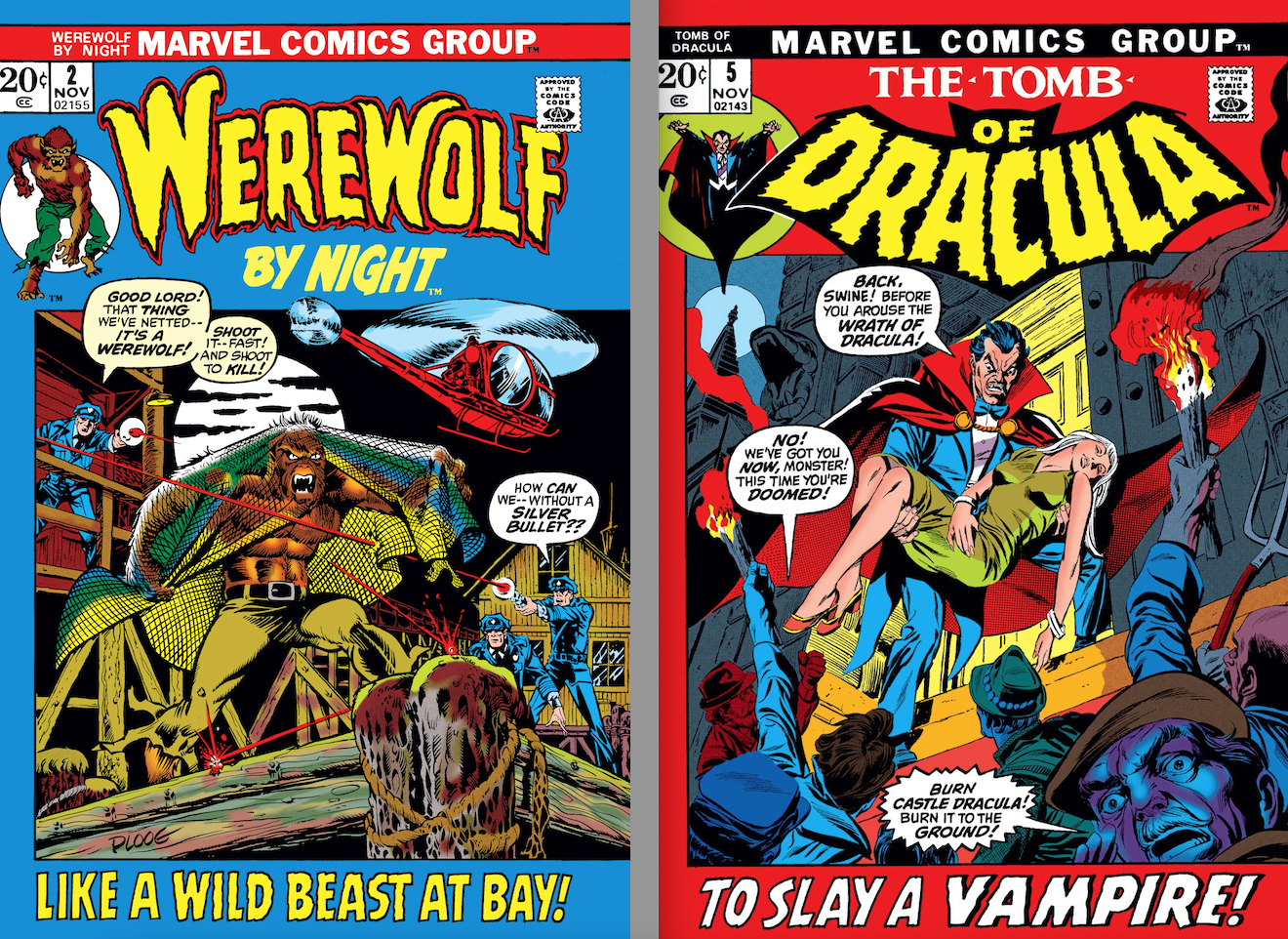
Werewolf by Night #2 and Tomb of Dracula #5, Marvel. Marvel was pushing into the classic monsters by this point.
—
Scott Tipton, contributor-at-large, 13th Dimension
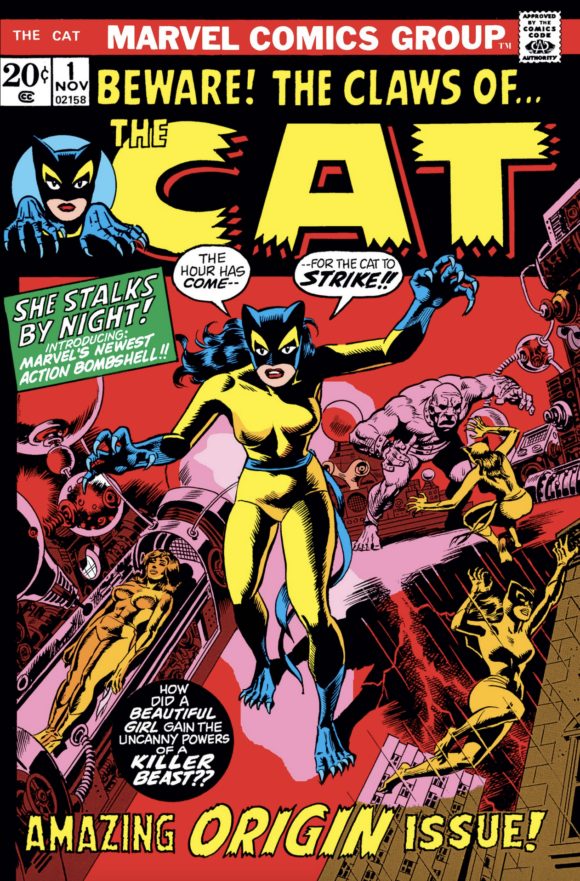
The Cat #1, Marvel. Marvel’s first female lead with a female creative team, Linda Fite and Marie Severin! The Cat wouldn’t last too long, but would soon return as Tigra.
—
World’s Finest Comics #214, DC. The Vigilante! Comic books’ only motorcycle-ridin’ singing cowboy is back!
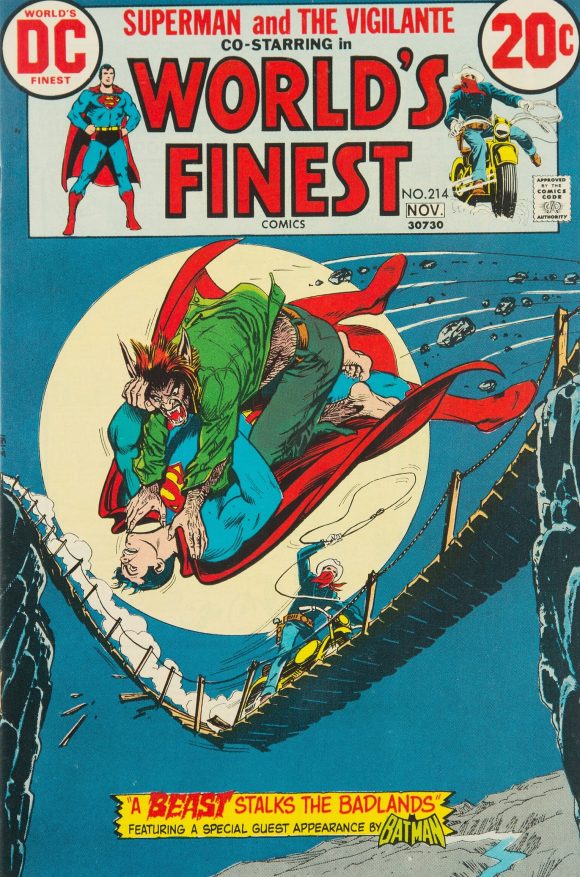
Dan adds: Ah. When World’s Finest was the proto-DC Comics Presents.
—
Marvel Premiere #5, Marvel. Wonderful cover here by Mike Ploog.
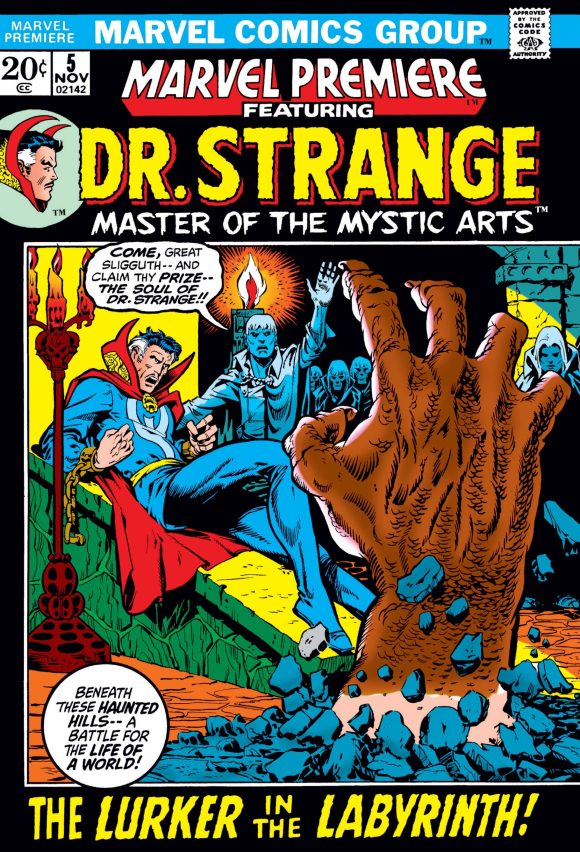
Dan adds: I had no idea, I mean zero idea, until now that Gardner Fox wrote Dr. Strange. (What is going on around here?) This began a four-issue run that featured concepts borrowed from Robert E. Howard and the Cthulhu Mythos. The ish also featured the first on-page appearance of the Vishanti, courtesy of artists Sam Kweskin and Don Perlin.
—
Justice League of America #102, DC. The Seven Soldiers of Victory return!
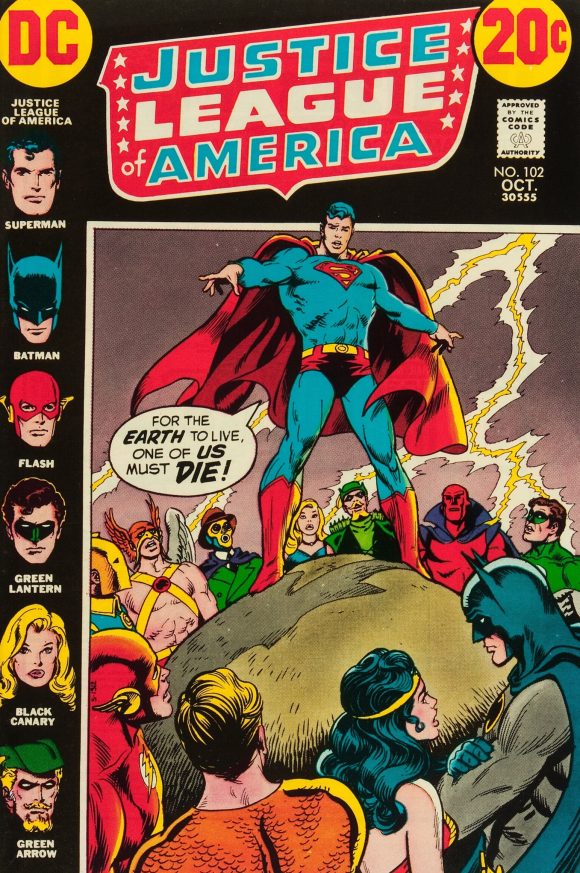
Dan adds: The climactic chapter of a three-parter by Len Wein, Dick Dillin, Joe Giella and Dick Giordano, with cover by Nick Cardy. This one seems to get cited a lot among fans of Wein’s work and JLA/JSA crossovers. Here’s what our pal Paul Kupperberg said about it in 2020:
First there was DC’s Justice Society of America (All-Star Comics #3, Winter 1940)… and only months later, there came DC’s Seven Soldiers of Victory (Leading Comics #1, Summer 1941). The difference? The JSA was made up of the publisher’s A-team characters, while the Soldiers were solid second stringers: Green Arrow and Speedy, the Shining Knight, the Crimson Avenger, Vigilante, and the Star-Spangled Kid and Stripesy.
The 100th issue of Justice League and 10th annual JLA/JSA crossover marked writer Len Wein’s debut on the title. And his two-parter, “The Unknown Soldier of Victory” and “The Hand That Shook the World,” shook up readers, especially those of us familiar with the Soldiers (my best friend had all 14 of their Golden Age appearances in Leading Comics).
As I said, the thrill of the original “Crisis Crossovers” was the re-introduction of all those long ago or lost heroes into modern continuity. Len, himself only a few years out of fandom, remembered that thrill and breathed new life into the concept with this eagerly anticipated epic that teased the death of one of the Soldiers… OK, it turned out to be Shining Knight’s horse Winged Victory, but still.
—

August 19, 2026
Um, didn’t the Crimson Avenger’s sidekick Wing die?
August 19, 2026
I was a couple years away from getting into comics (much to my mom’s dismay).
I’m a little puzzled why the “proto-DC Comics Presents” era of World’s Finest isn’t being collected in the Team-Ups line of DC Finest. I mean, I have the Guardians of Earth hardcover, and I know they’ll be collected in the eventual World’s Finest line of DC Finest, but it seems like a no-brainer to collect that run in the Team-Ups line as well.
August 19, 2026
I thought that Wing, the Crimson Avenger’s sidekick, was the Soldier who had died…
August 19, 2026
#1 DC needs to show Nick Cardy respect with a collection or omnibus.
#2 I wonder if there was any censor push back on the Lois cover. I know “women in peril” was a trend but how often did editors or censors Say “no”
August 19, 2026
If you’re interested in learning more about John Wojtowicz’s infamous bank heist attempt and the making of the movie DOG DAY AFTERNOON, I highly recommend my friend Rachel Walther’s new book BORN TO LOSE, which I was fortunate enough to design the cover for. The book is available on Amazon or anywhere you order books.
August 19, 2026
What did it for me were those great Cardy covers. They could reprint all of those.
August 19, 2026
Come on, Superman. X-Ray vision and you can’t find Lois (or spot a very large shark) just a foot or so below the surface? At least the boat is safe.
August 21, 2026
I remember these! I was in Jnr. High and got a few of these in a supermarket 3-package (remember?) on Summer Vacation!