
Scott and Dan hit up the comics racks from 58 years ago…
This week for RETRO HOT PICKS, Scott and I are selecting comics that came out the week of July 8, 1968.
Last time for RETRO HOT PICKS, it was the week of July 1, 1976. Click here to check it out.
(Keep in mind that comics came out on multiple days, so these are the issues that went on sale between July 5 and July 11.)
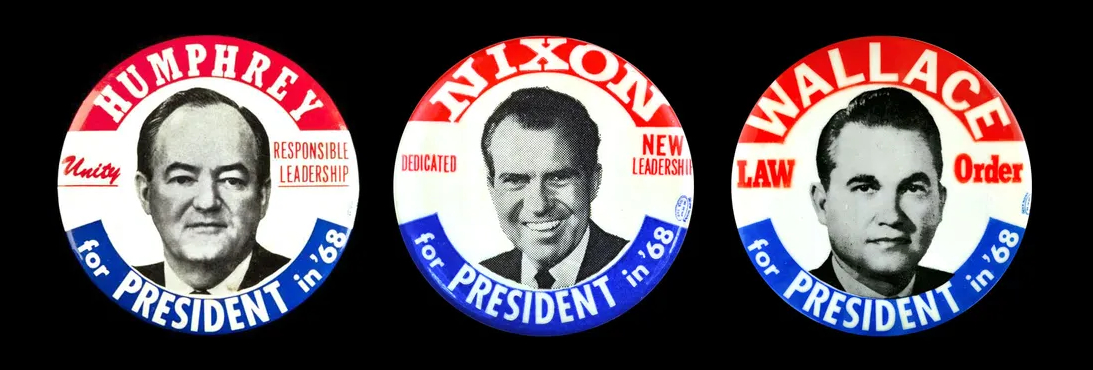
So, let’s set the scene: The nation had been beset all year by ferocious debate over Vietnam, political protests, the civil rights struggle, and rising urban crime — with the issues often mixed into combinations that led to explosive rioting and continued racist violence. Martin Luther King had been assassinated in April, and Robert Kennedy was slain only a month earlier. As the nation was having a collective nervous breakdown, the presidential campaign was in upheaval weeks before August’s Republican National Convention in Miami Beach. The Democrats were set to meet in Chicago, weeks after that.
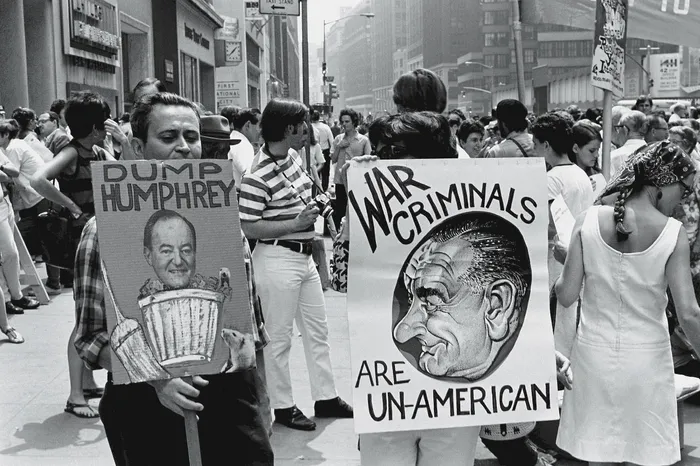
On July 11, the latest Gallup presidential poll showed that voters preferred Democratic Vice President Hubert H. Humphrey over former Republican Vice President Richard M. Nixon, 46 percent to 35 percent. But if New York Gov. Nelson Rockefeller scored his party’s nomination, it was a 36-36 deadlock, with 21 percent backing racist independent George Wallace. Meanwhile, a second Gallup poll said that if U.S. Sen. Eugene McCarthy of Minnesota was the Democratic nominee, he would have a 39-36 lead over Nixon and a 37-35 over Rockefeller. In short, nothing was certain.
Meanwhile, King’s assassin, James Earl Ray, was in London, waiting to be extradited back to the U.S.
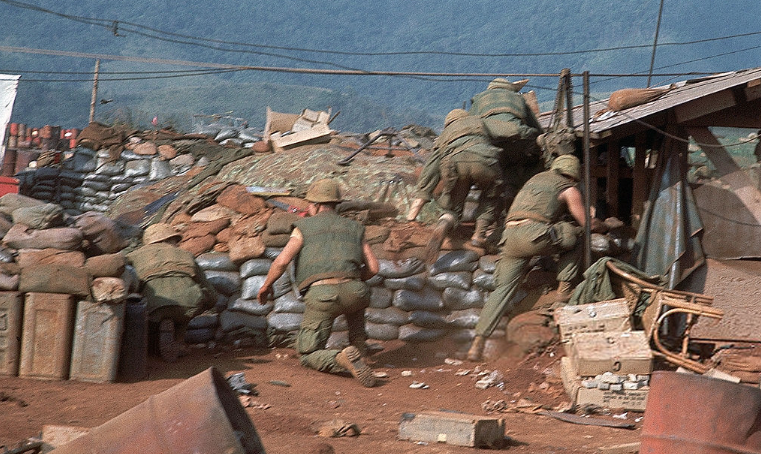
After months of intense fighting, the battle of Khe Sanh in South Vietnam — the longest, deadliest and most controversial conflict within the wider war — had ended. From January into April, the Khe Sanh Command Base was under siege by the North Vietnamese and, amid fears that the battle would become an American version of the disastrous 1954 Battle of Dien Bien Phu, which led to the defeat of the French, President Johnson ordered the base held at all costs.
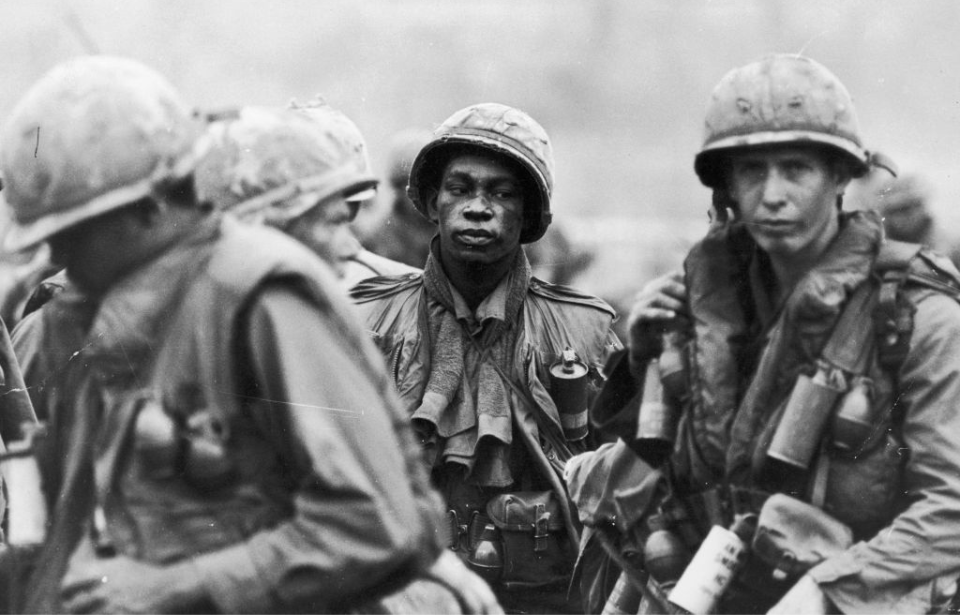
The Americans and their allies were successful, but in a classic example of the twisted logic that drove decision-making, the U.S. then decided to abandon the base — and, in June, amid heavy shelling, destroy what they couldn’t salvage. The base closed July 5 and fighting in the area continued until July 11, when the American forces finally withdrew.
U.S. military leaders considered the defense of the base a success and said that the forces abandoned the post because it was no longer needed. The North Vietnamese, which raised its flag over the base July 9, claimed victory, and used the battle to further its propaganda into the South.
Journalists wondered why the Americans fought so hard for the base only to give it up shortly after it had been held. The question has since become: Was this the greatest American victory of the war — particularly for the Marines — because they held the line against an intense siege, or it was the greatest defeat because they ultimately bailed out?
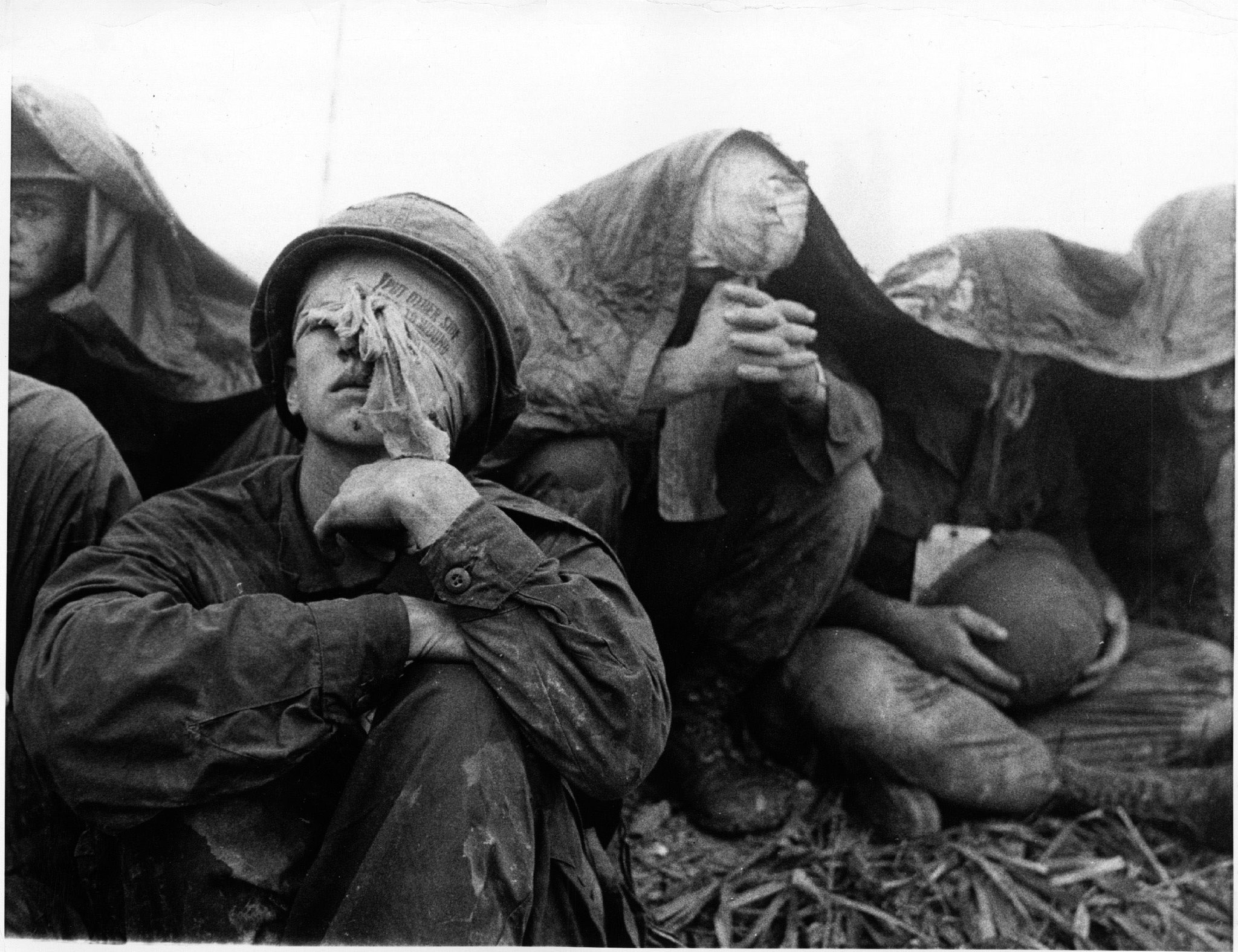
From a tactical standpoint, another major question was whether the Battle of Khe Sanh was designed by the North to distract the U.S. and South Vietnamese from the Viet Cong build-up prior to the surprise Tet Offensive, or whether it was the other way around.
Ultimately, though, what mattered most was the amount of blood spilled and lives lost. Estimates vary widely, but thousands were killed or wounded between both sides.
—
IN OTHER NEWS
It was a big week in sports:
— On July 6, American Billie Jean King won her third straight Wimbledon singles title, a day after Australian Rod Laver won the men’s championship. Laver’s prize of 2,000 pounds was more than twice King’s.
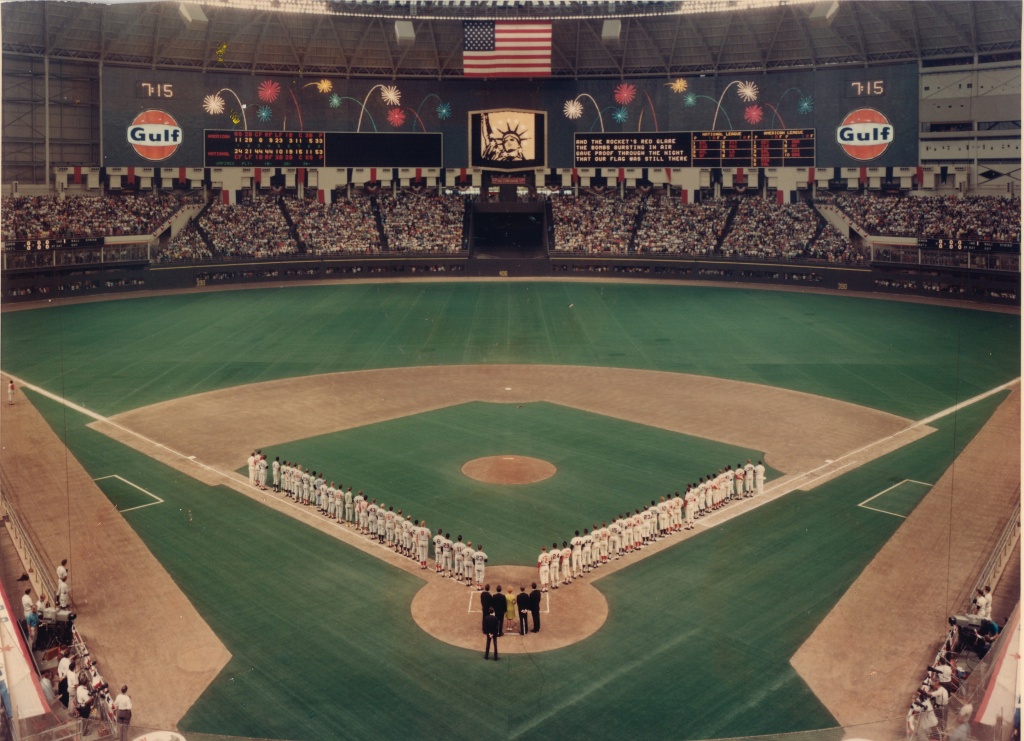
— On July 9, the National League beat the American League, 1-0, in the All-Star Game at Houston’s Astrodome. (The first such game played indoors.) Willie Mays scored the game’s only run and the San Francisco Giants outfielder would be awarded the game’s MVP.
— The next day, Major League Baseball announced that it would split into divisions for the first time, starting in 1969.
— There were also two transactions that would have long-term repercussions in their sports: On July 11, Earl Weaver replaced Hank Bauer as manager of the Baltimore Orioles. On July 9, there was a move that had an even greater impact — Wilt Chamberlain became the first reigning NBA MVP to be traded for the next season, getting shipped from Philadelphia to the Los Angeles Lakers.
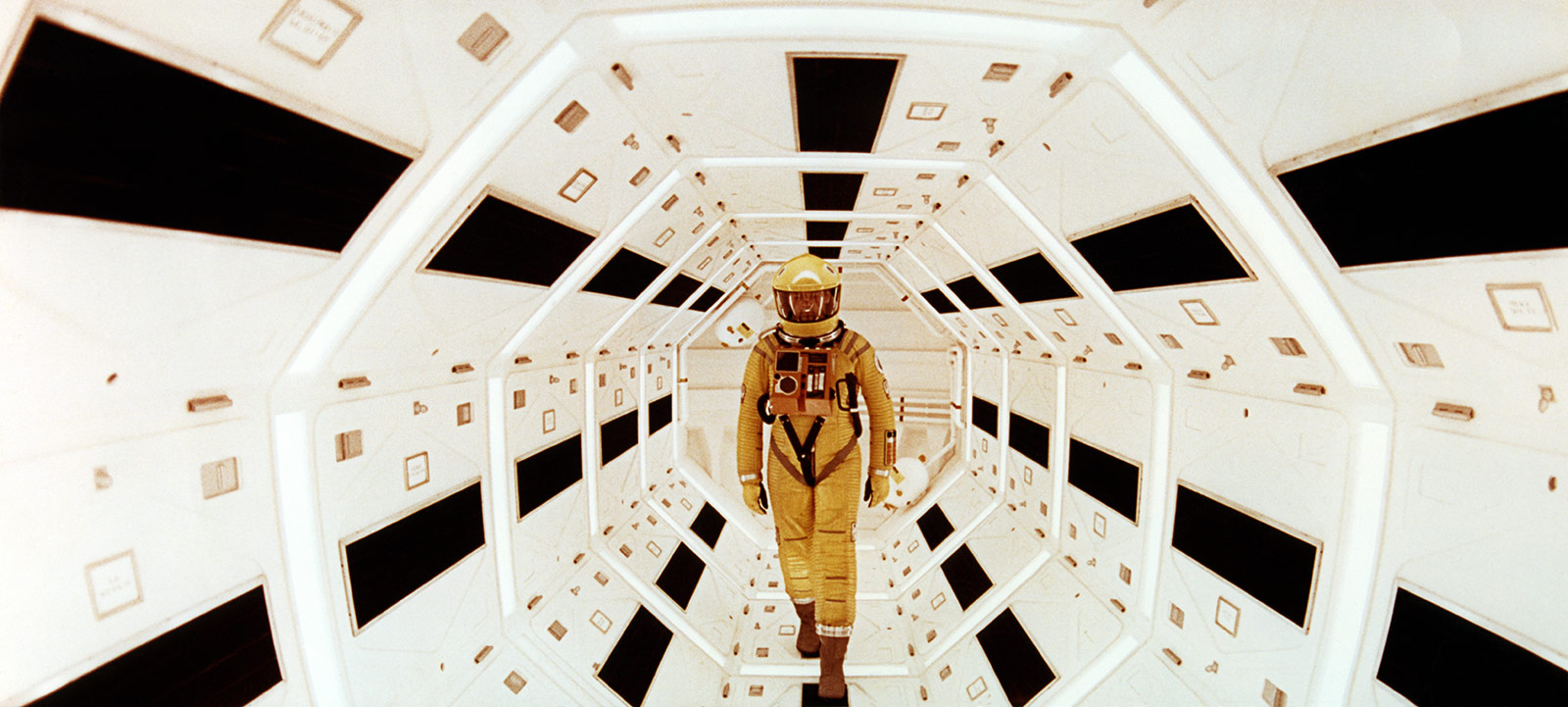
The Odd Couple, based on the Neil Simon play and starring Jack Lemmon and Walter Matthau, was the top movie in America. Other big hits included what might be the greatest film in history, Stanley Kubrick’s 2001: A Space Odyssey; The Graduate; Rosemary’s Baby; The Thomas Crown Affair; and Planet of the Apes.
It was rerun season but the most popular shows of the time included The Andy Griffith Show; The Lucy Show; Family Affair, Gunsmoke, Bonanza; The Red Skelton Show; The Dean Martin Show; Gomer Pyle; and The Jackie Gleason Show. A summer replacement series imported from the U.K. had debuted in June: The unsettling cult classic The Prisoner.
Between songs like Tijuana Taxi and Spanish Flea, Herb Alpert will forever hold a place on my beloved Olympus of Cheeze, but the song that was this week’s No. 1 is his most genuinely lovely and moving: This Guy’s in Love With You, written by the killer combo of Burt Bacharach and Hal David. It’s a love song for the ages.
The Rolling Stones’ had launched their critical comeback in May. After making fans suffer through their Sgt. Pepper’s ripoff Their Satanic Majesties Request at the end of 1967, they released a single that simultaneously took them deep into their roots and crystallized a new sound that would define them for the next six decades: Jumpin’ Jack Flash, which was at No. 3.
Other top tunes included The Look of Love, by Sergio Mendes and Brasil ’66; Angel of the Morning, by Merrilee Rush and the Turnabouts; Donovan’s eternally creepy Hurdy Gurdy Man; Simon and Garfunkel’s signature Mrs. Robinson; and the utterly dreadful MacArthur Park, by Richard Harris.
Simon and Garfunkel were the most bankable act of the spring and summer: The duo held the top slot on the LP chart for 16 weeks, alternating between The Graduate and Bookends. Herb Alpert’s The Beat of the Brass; Wheels of Fire by Cream; and Waiting for the Sun by the Doors (released July 3) were other major albums.
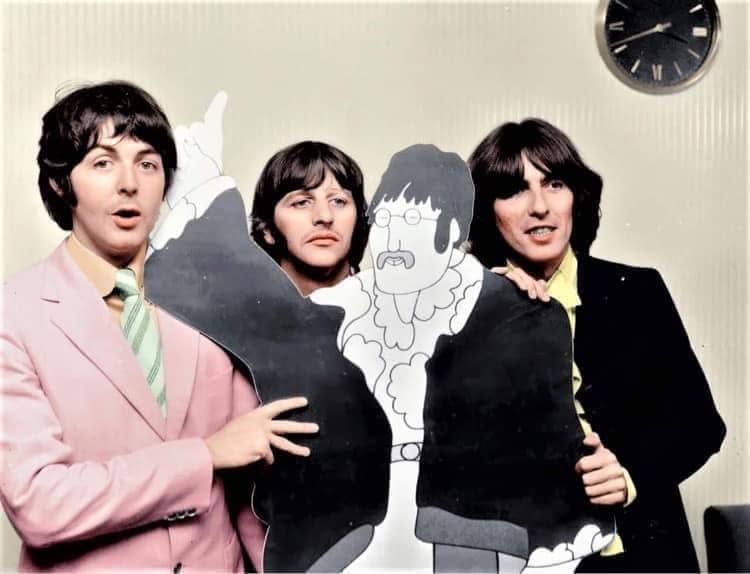
But it’s not like the Beatles were taking it easy. Their album of the moment was Magical Mystery Tour, which came out late in 1967, and their latest hit single was Lady Madonna. On July 8, Paul, George, and Ringo attended a press preview of the upcoming animated movie Yellow Submarine. John, meanwhile, had mounted his first full art exhibition at the Robert Fraser Gallery in London.
Most importantly, the four of them were hard at work on their next album; they had more than enough material for a double-LP set.
The Stones were also working on their next LP, which would continue to explore their more mature sound. Jimi Hendrix was working on his third album and made an appearance July 6 at the Woburn Music Festival in England. The Who was touring North America. Bob Dylan, on the other hand, was pretty much hiding out in upstate New York.
On July 7, the Yardbirds played their final concert. Guitarist Jimmy Page, however, set out to recruit new members…
—
Dan Greenfield, editor, 13th Dimension
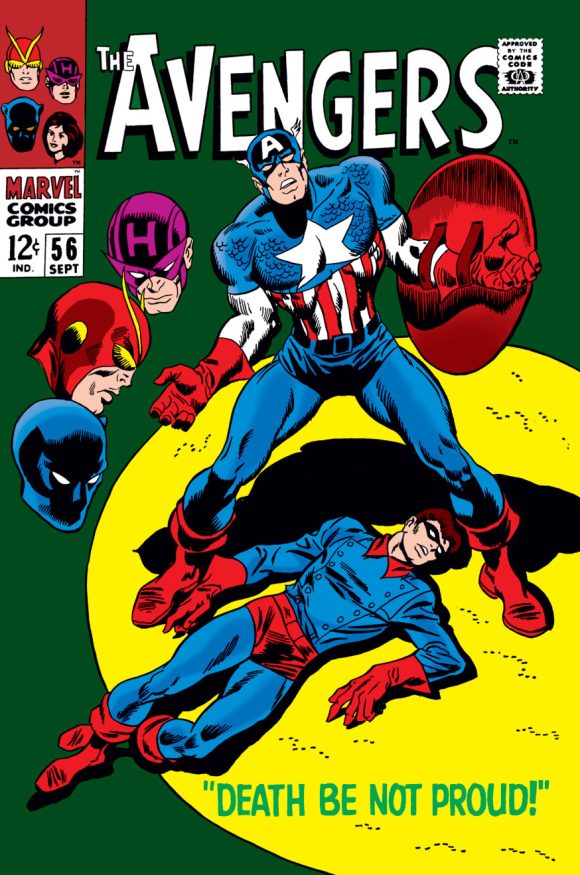
The Avengers #56, Marvel. A Marvel Age classic: Cap quit the team the previous fall but returned to the spotlight (get it?) this ish, in which the Avengers go to the past to see if Bucky actually survived. SPOILER ALERT for a 58-year-old comic: He didn’t. Until he did. One of the great floating-heads covers too, pencilled by John Buscema.
—
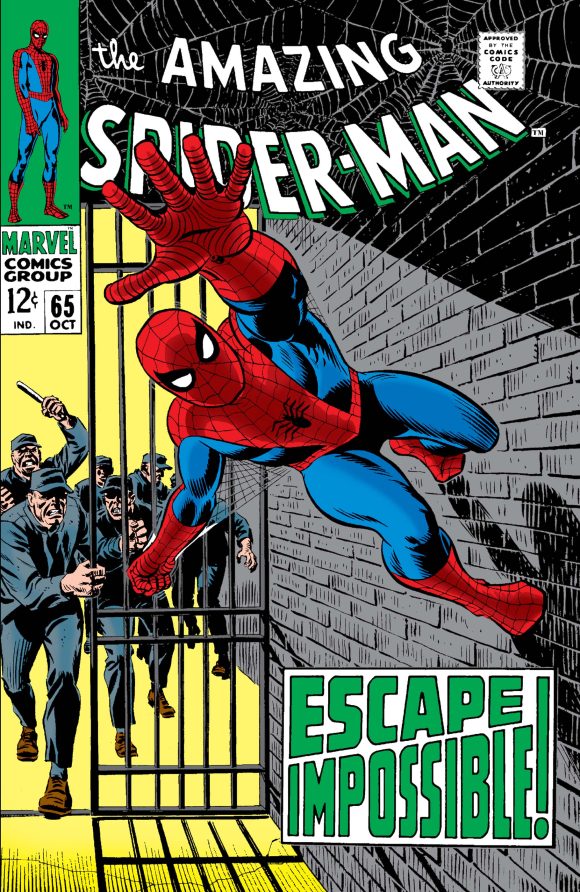
The Amazing Spider-Man #65, Marvel. A Spidey classic in more ways than one — a memorable cover by John Romita and a groovy story by Stan Lee, Romita and Jim Mooney: Spidey’s trapped in jail and has to rescue Capt. Stacy by pretending to be a criminal, then eliminating his new “buddies” one by one. Best part? It was adapted faithfully as the ABC Spider-Man cartoon’s second-season finale.
—
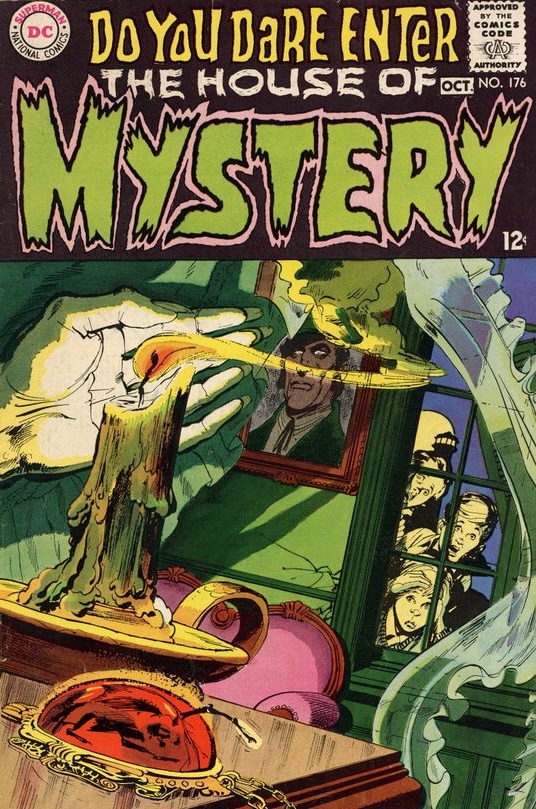
House of Mystery #176, DC. The third issue of the post-Dial H for Hero revamp. An Adams cover, but he did better.
—
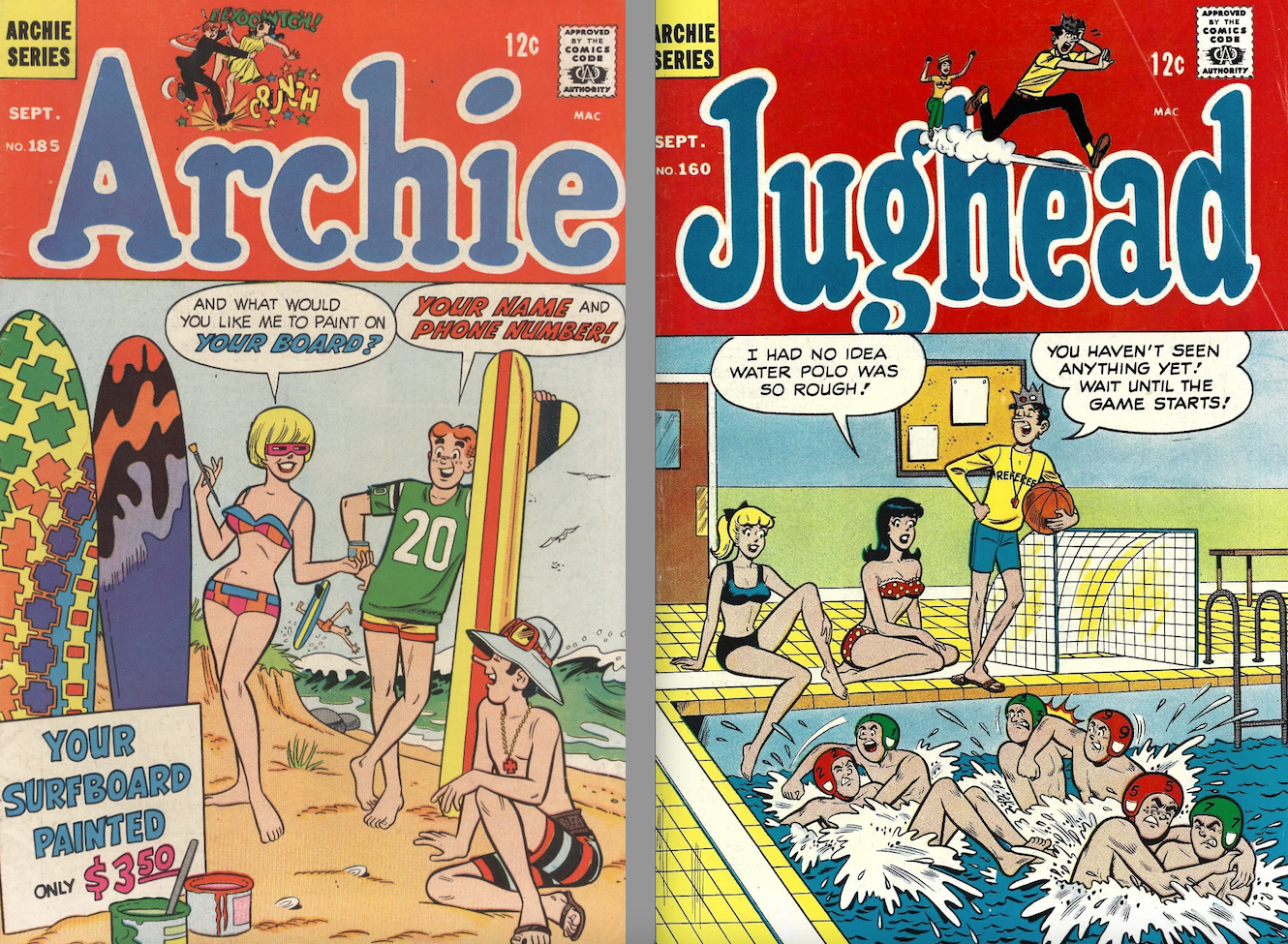
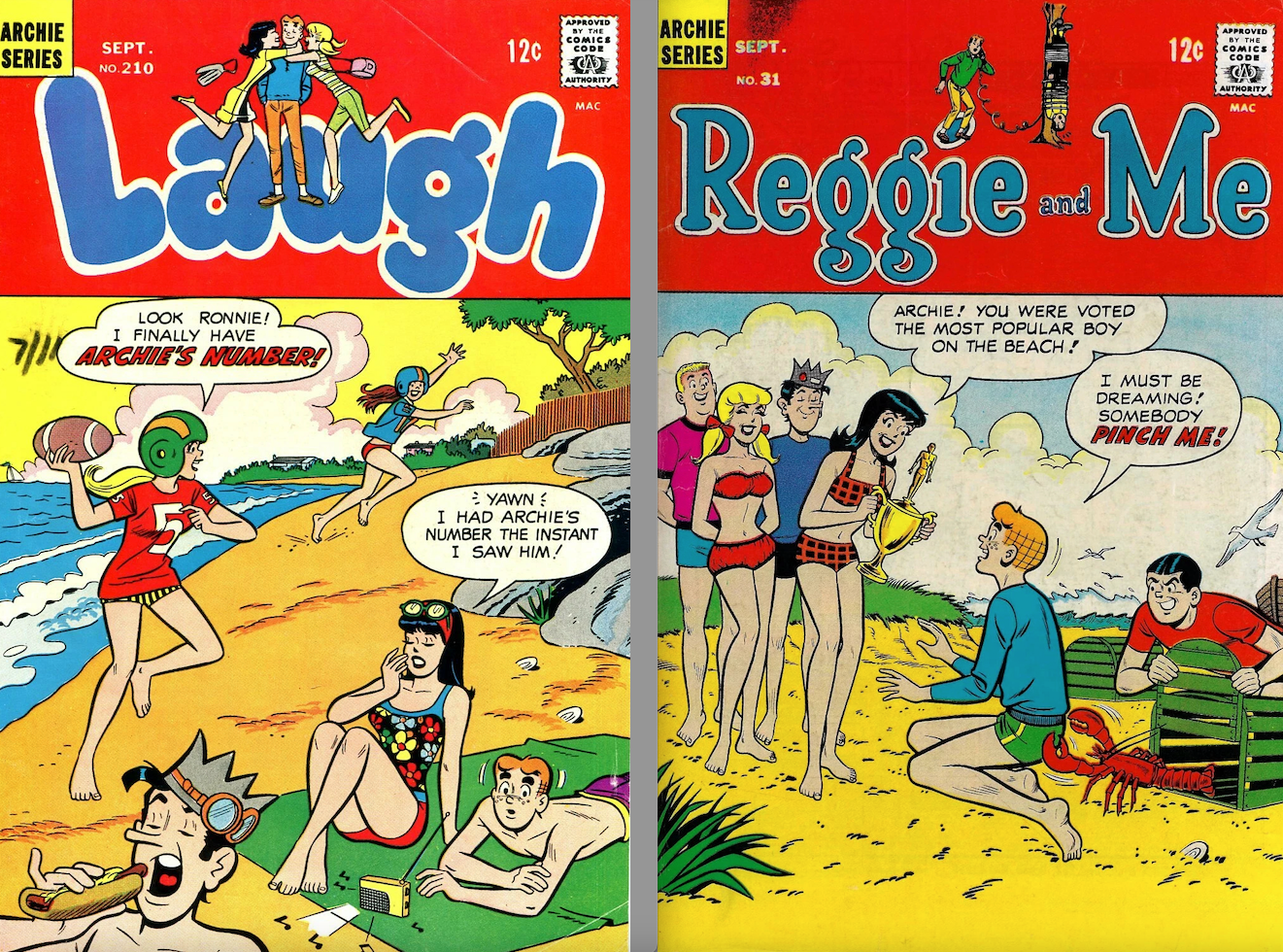
Archie #185, Jughead #160, Laugh #210, Reggie and Me #31, Archie. Just to remind you that the Betty and Veronica Swimsuit Special is out this week.
—
Scott Tipton, contributor-at-large, 13th Dimension
Green Lantern #63, DC. Wonderful cover here by Neal Adams.
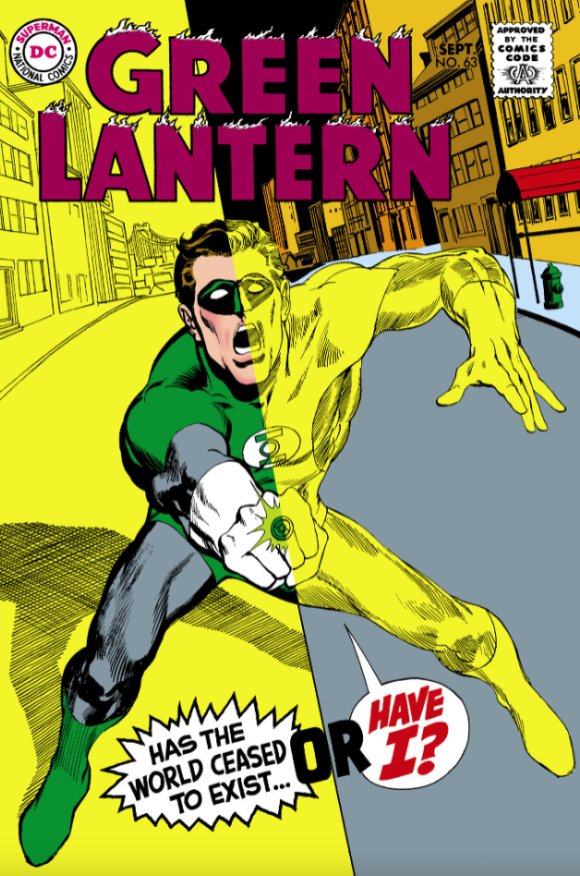
Dan adds: Interesting footnote, this one. It’s Denny O’Neil’s first Green Lantern story, and Adams’ first GL cover. The villain has shades of Ra’s al Ghul, too: A mad alien wants to end war and suffering by preventing life from developing in the first place.
—
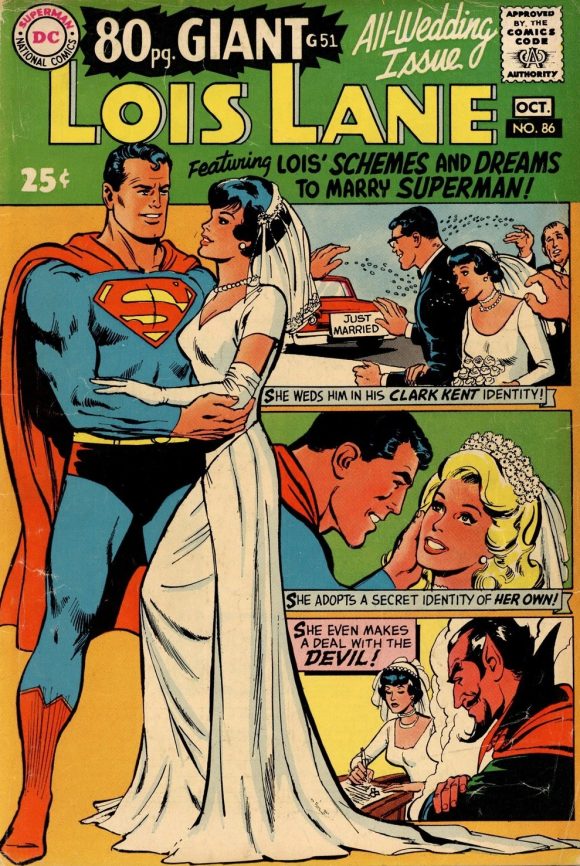
Superman’s Girl Friend, Lois Lane #86, DC. All weddings, all the time!
—
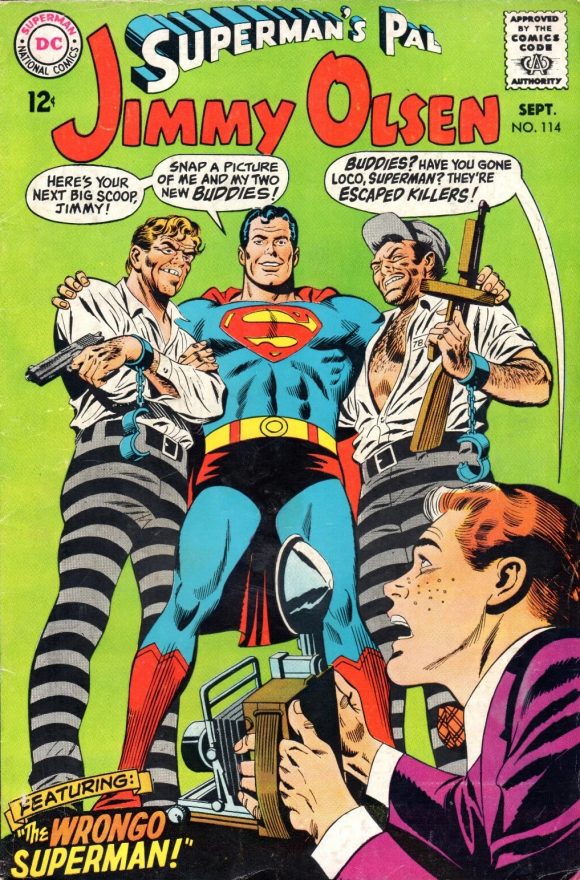
Superman’s Pal, Jimmy Olsen #114, DC Comics. Something indeed seems wrongo here.
—
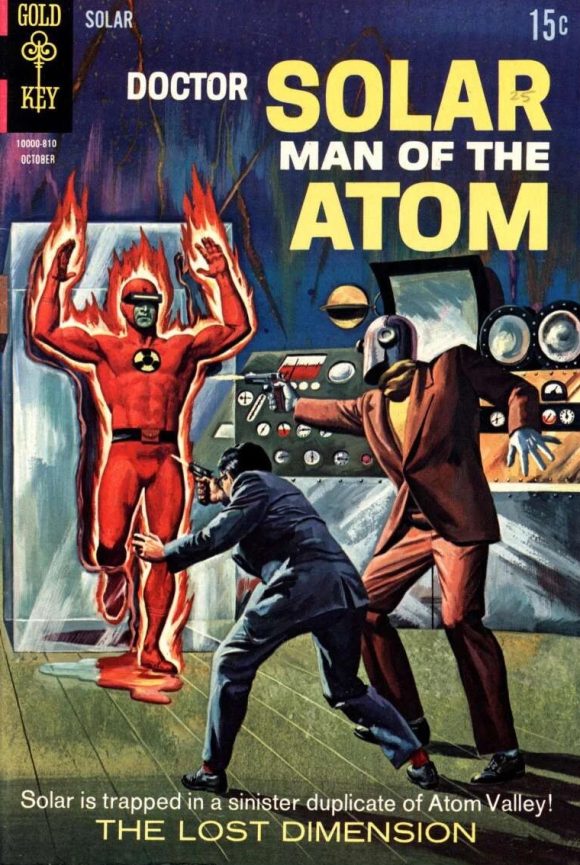
Doctor Solar, Man of the Atom #25, Gold Key. I do love a bad guy in a blazer.
—
MORE
— RETRO HOT PICKS! On Sale the Week of July 1 — in 1976! Click here.
— RETRO HOT PICKS! On Sale the Week of June 24 — in 1952! Click here.
—
Comics sources: Mike’s Amazing World of Comics and the Grand Comics Database.

July 8, 2026
If you want to hear a non-dreadful, even good, version of “MacArthur Park” check out the version Waylon Jennings did on “Are You Ready for the Country,” a moody, almost acoustic rumination that proves, once again, that guy could sing anything and make it sound good.
July 8, 2026
Donna Summer’s version smokes. Thanks for the tip!
July 9, 2026
Beat me to the Donna Summer punch!
July 8, 2026
A fascinating read as always, Dan. Isn’t that an Al Plastino Superman face plastered over Adams art on that Lois Lane cover? I guess he’s in good company with Jack Kirby and Alex Toth!
July 8, 2026
Thanks, Chris. And yes!
July 8, 2026
Another great month… another great year. I’m smiling as I’m typing, listening to Mr. Harris lost in MacArthur Park, remembering this time like it was yesterday… and I still have my GL, fresh off the spinner rack, from then.
Good times…..
July 8, 2026
RE: Martin Luther King had been assassinated in April, and Robert Kennedy was slain only a month earlier.
Slight correction. RFK did not die in March 1968.
Robert Kennedy was shot on June 5, 1968 (at c. 12:10 AM) at the Ambassador Hotel in Los Angeles, CA. He died the next day, 26 hours later on June 6.
Kennedy actually spoke to a crowd in Indianapolis on the night of King’s murder, April 4 (“For those of you who are black and are tempted to be filled with hatred and are tempted to be filled with hatred and distrust at the injustice of such an act, against all white people, I can only say that I feel in my own heart the same kind of feeling. I had a member of my family killed, but he was killed by a white man. . . .we have to make an effort to understand, to go beyond these rather difficult times.”)
Indianapolis stayed peaceful that night while 100s of other US cities broke out in riots.
So ya know.
Thanks, Dan
July 9, 2026
A month earlier than this week in July 1968.
July 9, 2026
Ahh. Okay. Obviously, not how I read it.
Thanks, Dan.
July 9, 2026
I can see where it could be misread, though.
July 9, 2026
One of my favorite issues of The Avengers. I’ve long been a fan of Bucky, B.W.S. (Before Winter Soldier), and loved the Cap stores in Tales of Suspense that were set in WWII (And the Cap/Bucky crossover in Sgt. Fury!). While I certainly didn’t enjoy reading a more in-depth look at Bucky’s demise, Roy Thomas wrote an excellent story and John Buscema’s artwork during that era of the Avengers is still unmatched, in my not-so-humble opinion. Everything just clicked, and nothing added to or altered with the history of Cap and Bucky can ever take away from the greatness of this issue.