
Scott and Dan hit up the comics racks from 59 years ago…
This week for RETRO HOT PICKS, Scott and I are selecting comics that came out the week of Oct. 28, 1967.
Last time for RETRO HOT PICKS, it was the week of Oct. 21, 1986. Click here to check it out.
(Keep in mind that comics came out on multiple days, so these are the issues that went on sale between Oct. 25 and Oct. 31.)
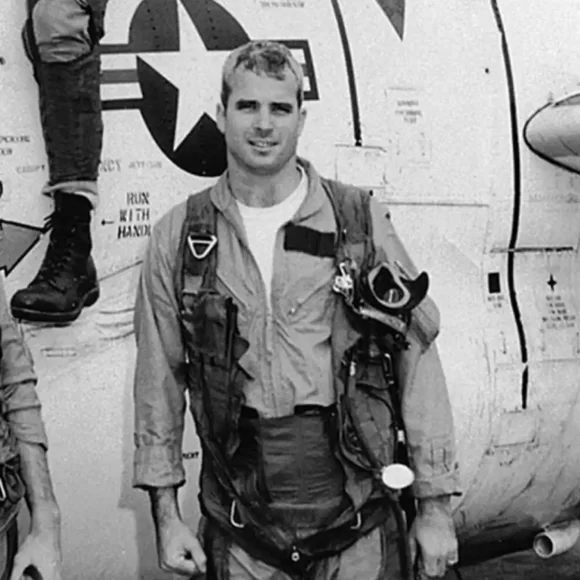
John McCain
So, let’s set the scene: In a time of racial and urban upheaval, Cold War anxiety and the Space Race, the Vietnam War was the front-burner issue across the United States. On Oct. 26, U.S. Navy pilot John McCain III was shot down over North Vietnam and taken prisoner. Because he was the son of Vice Admiral John S. McCain Jr., the lieutenant commander’s capture made front-page news.
McCain was shot down over Hanoi, landing in a lake in the middle of the city, with two broken arms and a broken leg. Locals quickly set upon him, dragging him from the water, beating him and spitting on him along the way. His left shoulder was crushed by a rifle butt and he was bayoneted in the left foot and groin.
McCain was taken to the horrific prison camp nicknamed the Hanoi Hilton, where he wasn’t given medical attention until his captors found out his father was an admiral. He later refused to be released early and wasn’t set free until March 1973, among scores of other POWs.
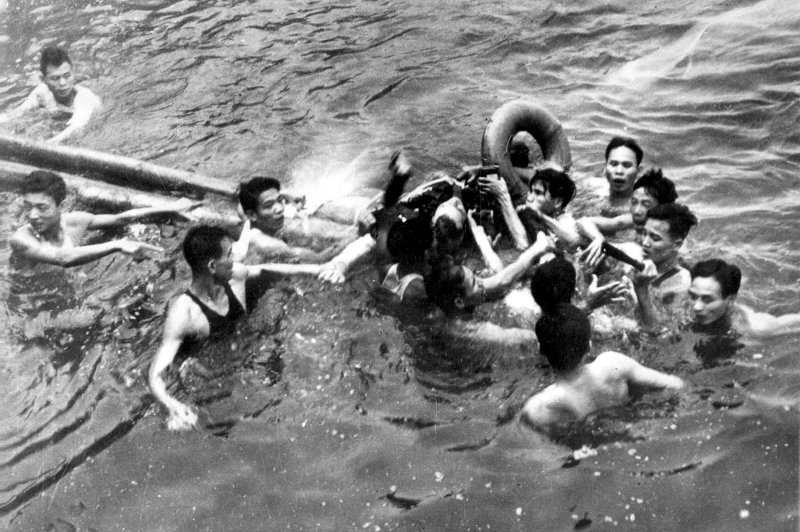
McCain surrounded by North Vietnamese locals
The following day, U.S. Air Force Col. John P. Flynn was also taken prisoner after he was shot down, and became the highest-ranking American prisoner of war of the conflict. He also would not be released from the Hanoi Hilton until March 1973.
This all followed “Stop the Draft Week” — protests in dozens of U.S. cities, including Washington, New York, Los Angeles, Chicago, San Francisco, Oakland, Philadelphia, Minneapolis, and Portland, Oregon. Protesters blocked draft-induction centers and either tried to give their draft cards back or burned them. On the final day, Oct. 21, about 100,000 gathered at the Lincoln Memorial, with about 30,000 — including Abbie Hoffman, Jerry Rubin, and Allen Ginsberg — moving on to the Pentagon, which was protected by military personnel.
Photographer Bernie Boston captured the standoff between protesters and armed authorities outside the Pentagon with an image that became one of the most famous and enduring of the antiwar movement:
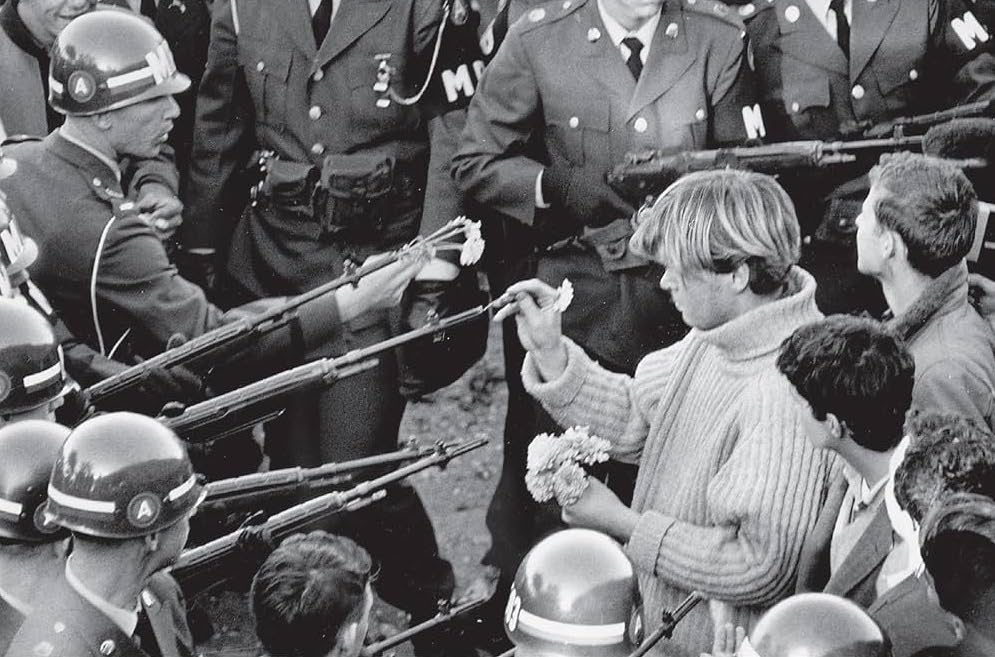
The March on the Pentagon deteriorated into a large-scale riot, with 682 people arrested and 47 injured, between protesters, soldiers and US marshals. Immortalized in Norman Mailer’s 1968 Pulitzer Prize-winning The Armies of the Night, it was one of the first major national protests against the war, and a marked escalation of the counterculture’s angry resistance.
In response to the opposition, U.S. Army Lt. General Lewis B. Hershey, the Director of the Selective Service System, ordered boards to draft protesters into the armed services. The so-called “Hershey Directive” would be blocked in federal court.
The protests galvanized the peace movement and pushed the Johnson White House into a deepening crisis.
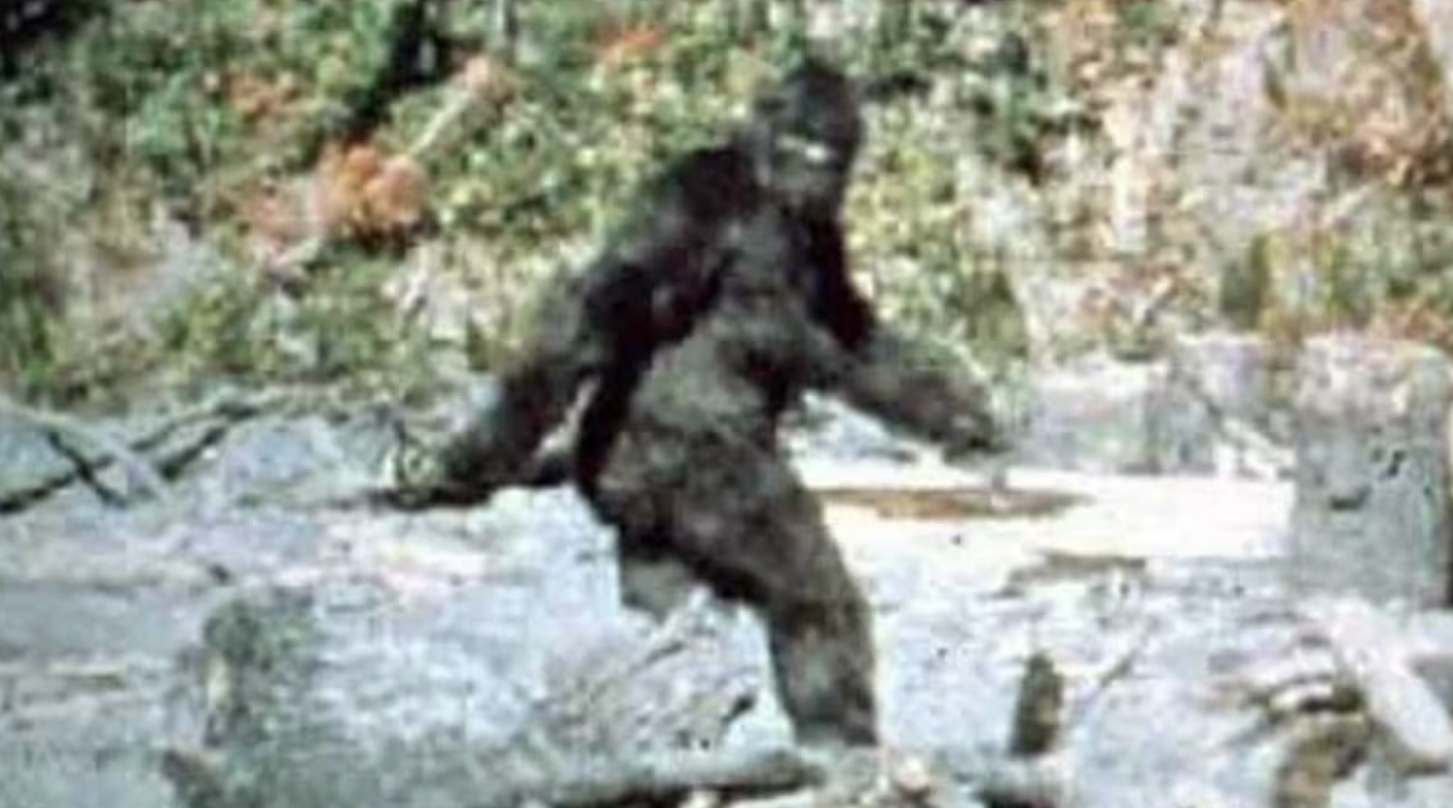
Eureka! It’s Bigfoot! The buzz out of northern California was that two men on Oct. 20 had filmed what they asserted was Bigfoot — or Mrs. Bigfoot. Roger Patterson and Robert Gimlin’s very much alleged “discovery” was first reported in the Eureka Times-Standard and soon became history’s most-dissected camera footage next to the Zapruder film. A new, 2026 documentary purports to prove the whole thing was a hoax, which pretty much any rational person knew from the start. But, hey, BIGFOOT!
The Age of Aquarius was ushered in this month with the off-Broadway debut of Hair, the first production to be staged at Joseph Papp’s Public Theater.
Gerome Ragni, James Rado and Galt MacDermot’s groundbreaking rock musical, which defied convention with its full-frontal nudity, quickly became an exceptionally popular symbol of the counterculture, heading eventually to Broadway and beyond. Its songs — particularly the psychedelic Age of Aquarius and the soaring powerhouse Let the Sunshine In — are among the most emblematic of the entire 1960s.
IN OTHER NEWS
The world of American sports had gone topsy-turvy, with new teams and leagues popping up all over:
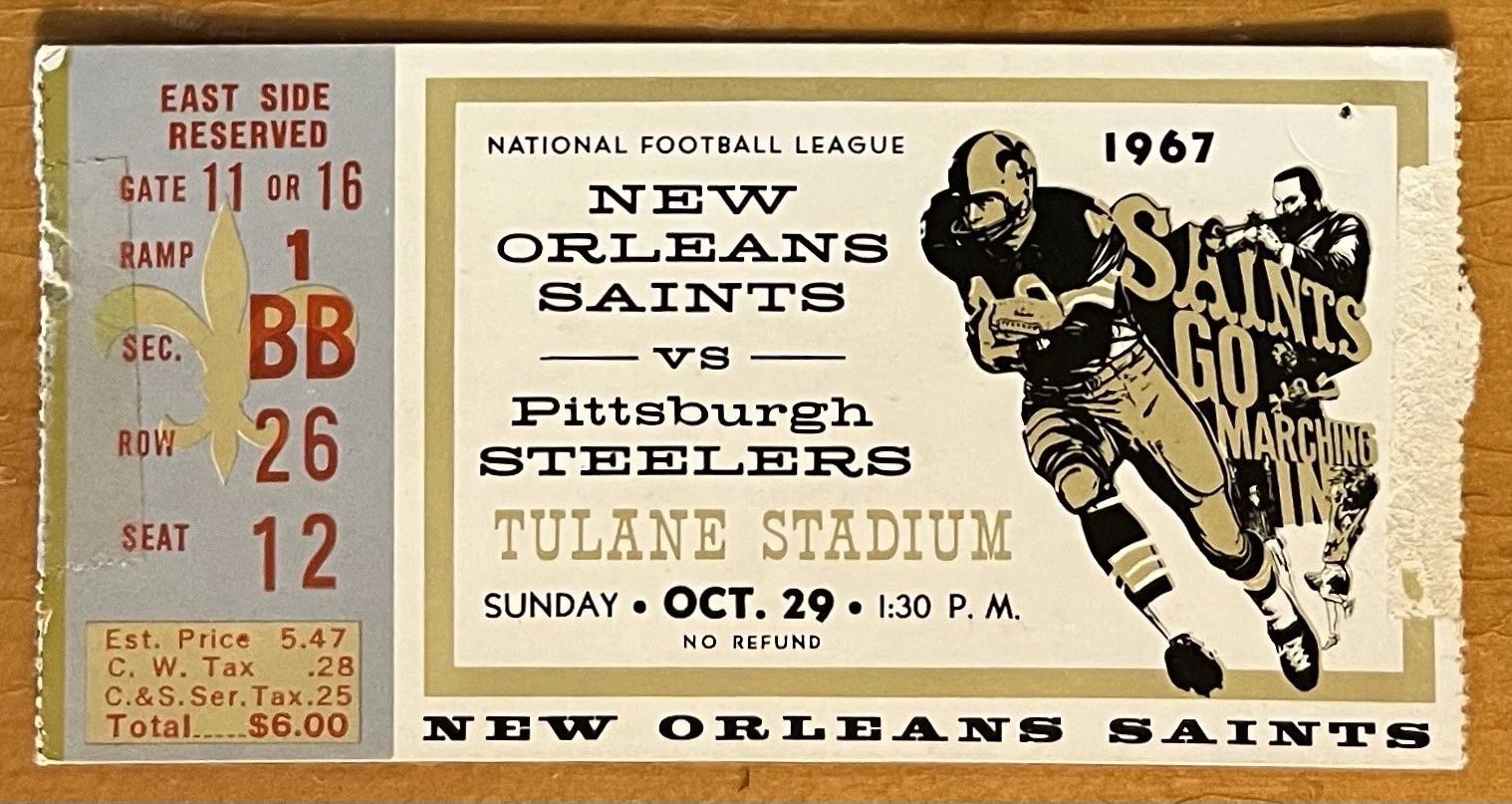
— The New Orleans Saints were the latest addition to the National Football League.
— The upstart American Basketball Association, with 11 teams in its circuit, challenged the National Basketball Association. The expansion Chicago Bulls, meanwhile, were in the newest club in the NBA.
— The National Hockey League doubled in size, adding six franchises to its Original Six.
— Baseball’s offseason was just beginning, but there were big doings: American League owners this month voted to allow Charlie Finley’s Kansas City A’s to move to Oakland, starting with the 1968 season, and to add two teams by 1971 — a replacement team in Kansas City and one for Seattle.
John Huston’s drama Reflections in a Golden Eye, starring Elizabeth Taylor and Marlon Brando (based on the Carson McCullers novel) was the top movie at the American box office. Other hits included To Sir, With Love and In the Heat of the Night — both starring Sidney Poitier; and Georgy Girl. Bonnie and Clyde, meanwhile, helped remake the cinematic landscape and usher in the New Hollywood.
The Jungle Book, the last animated film to be personally supervised by Walt Disney (and my personal favorite), was new in theaters, and Camelot, starring Richard Harris and Vanessa Redgrave, opened this week.
The Nielsens were topped by The Andy Griffith Show, followed by The Lucy Show; a rerun of 1966’s It’s the Great Pumpkin, Charlie Brown; Dean Martin; Red Skelton; Gunsmoke; and showings of the movies Hud and The King and I.
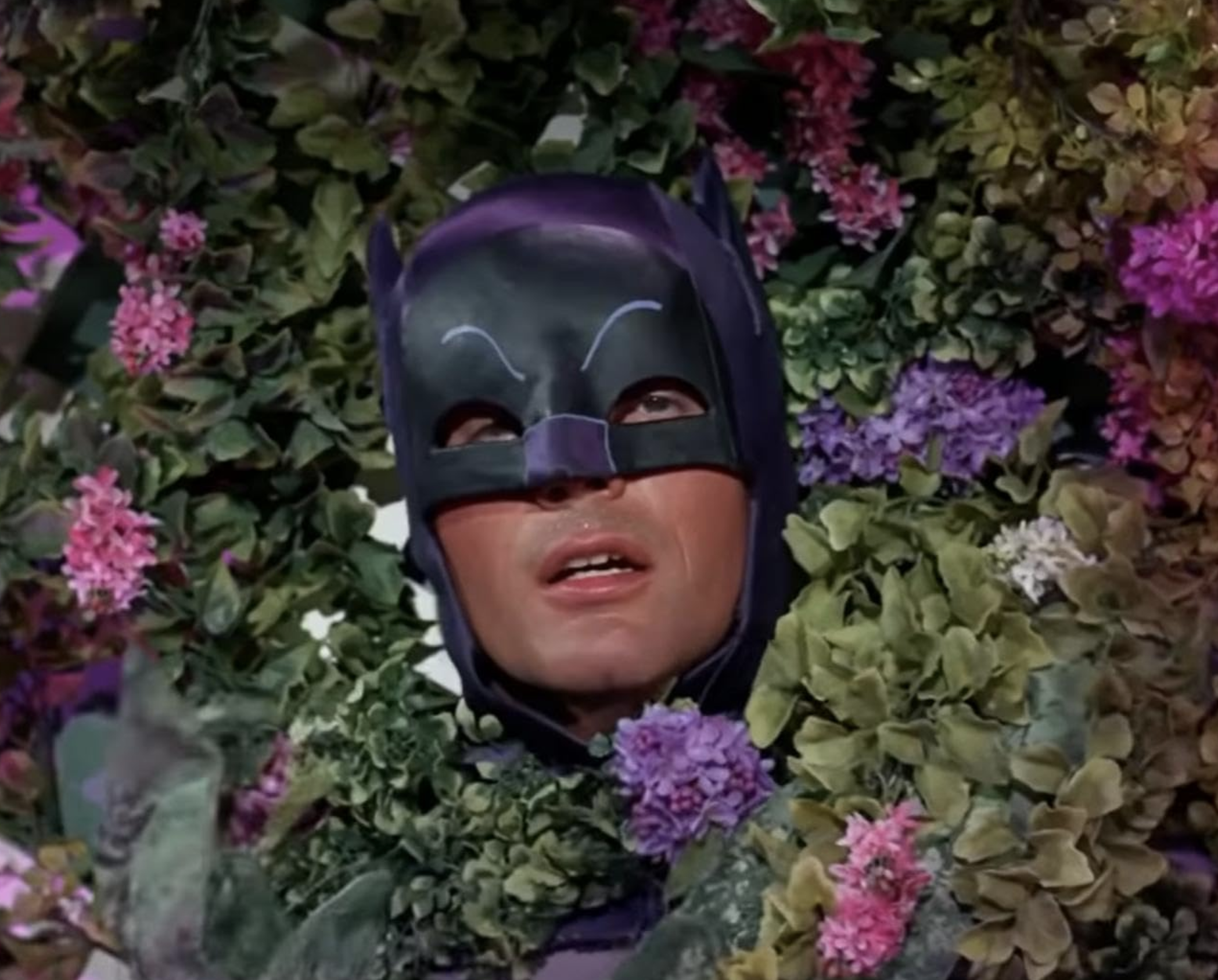
This week’s Batman episode was Louie, the Lilac, starring Milton Berle in a hilarious send-up of the flower generation. What’s great is that Batman, Robin, Commissioner Gordon, and Chief O’Hara all support the hippies, while Barbara Gordon is completely mystified by them. Star Trek, meanwhile, gave us Catspaw, which is pretty much a Halloween-in-space episode.
Speaking of Halloween, this was my first. I was 8 1/2 months old. I was dressed as a baby.
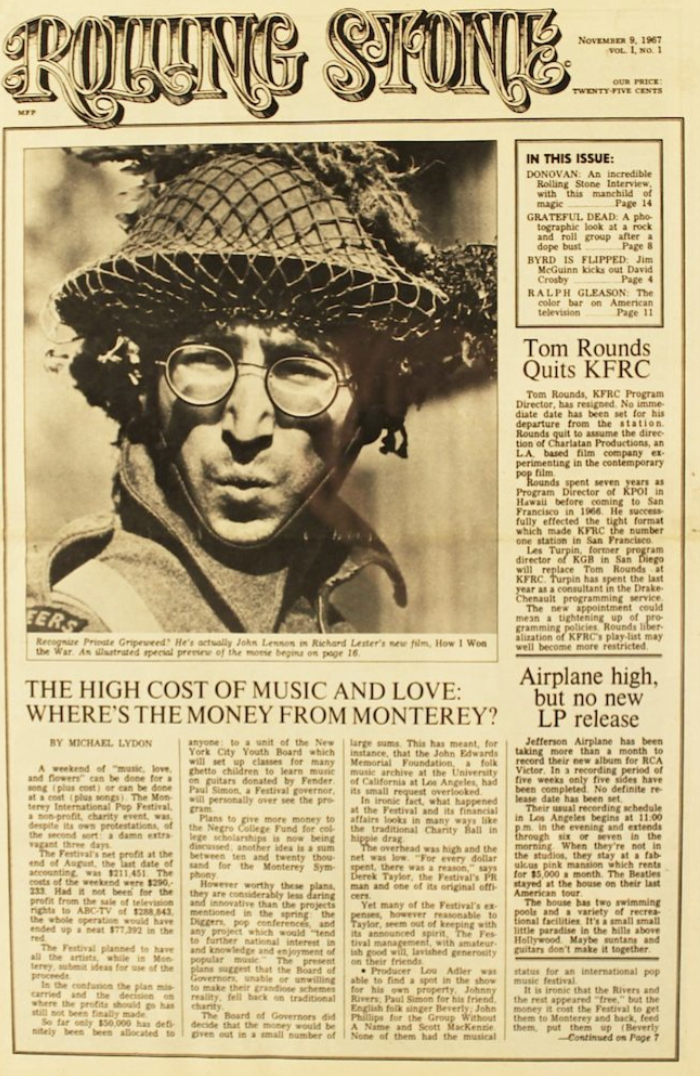
Hot on the newsstand was a new publication (dated Nov. 9), produced out of San Francisco. The first issue of Rolling Stone featured John Lennon on the cover.
Lulu’s To Sir, With Love was the No. 1 single. Other hits included Soul Man by Sam and Dave; Incense and Peppermints by Strawberry Alarm Clock; (You Make Me Feel Like) A Natural Woman by Aretha Franklin; and, Never My Love by The Association — one of the most beautiful ballads of the era.
The No. 5 song was Your Precious Love, by Marvin Gaye and Tammi Terrell. Earlier in the month, on Oct. 14, Terrell collapsed on stage and fell into Gaye’s arms while performing the song during a concert at Hampden-Sydney College in Virginia. Just as her star was rising, she was diagnosed with a brain tumor and died in 1970 at the age of 24.
Diana Ross & the Supremes: Greatest Hits was the best-selling album, unseating Bobbie Gentry’s Ode to Billie Joe. The Beatles’ Sgt. Pepper’s Lonely Hearts Club Band had dominated the charts since July, and other major LPs included The Monkees, More of the Monkees, and Headquarters. By the Monkees. Recent releases included Smiley Smile by the Beach Boys; Strange Days by the Doors; Arlo Guthries’s debut Alice’s Restaurant; and, Clambake, Elvis Presley’s soundtrack album from the movie of the same name.
You can get anything you want, at Alice’s Restaurant — excepting Alice…
—
Scott Tipton, contributor-at-large, 13th Dimension
Strange Adventures #207, DC. Absolutely stunning cover here by Neal Adams. Wonderful portrait work.
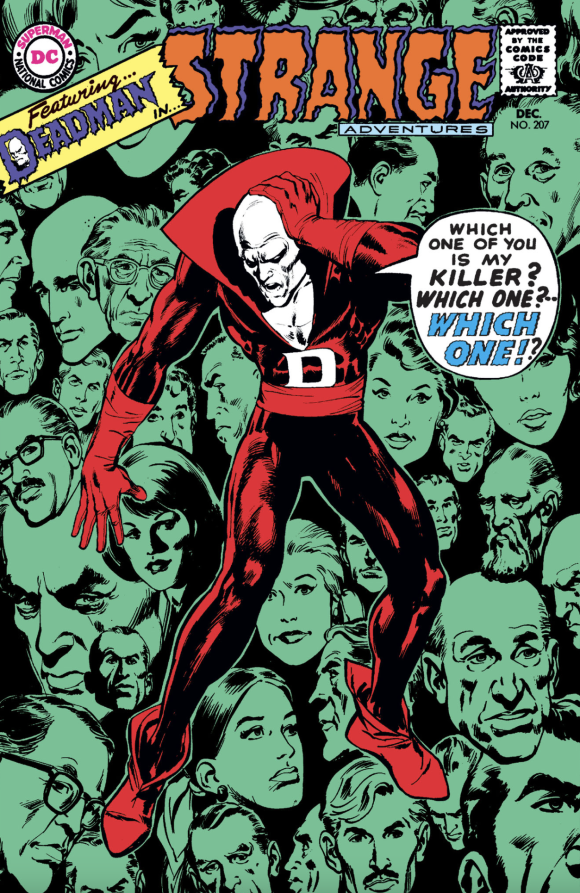
Dan adds: A landmark moment in comics history: Neal Adams takes over full artistic duties on Deadman, in Boston Brand’s third appearance. Adams not only did the marvelous cover, which is loaded with DC Comics employees, he pencilled and inked the interiors, as well. (Click here for Adams’ discussion of the cover.)
—
Detective Comics #370, DC. I don’t know who that guy is, but he punched Batman so hard his sleeves ripped off.
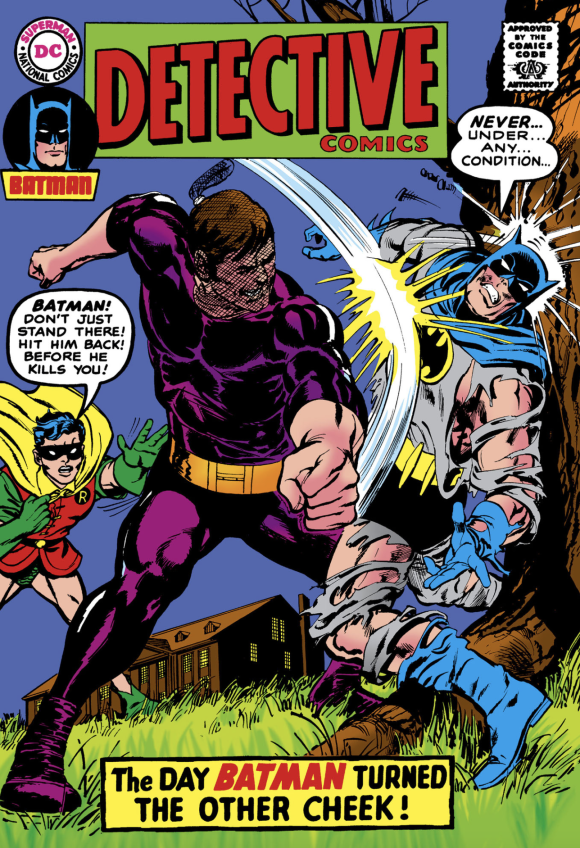
Dan adds: Another Adams landmark — his first solo Batman cover, inking over Carmine Infantino. (His first The Brave and the Bold cover — Issue #75, featuring the Caped Crusader and the Spectre — came out the week before.) This is a bit of a muddy mess because the artists’ styles were so different, but Adams had arrived in Gotham and was just getting started.
—
World’s Finest Comics #172, DC. That’s an awful big “What if?”
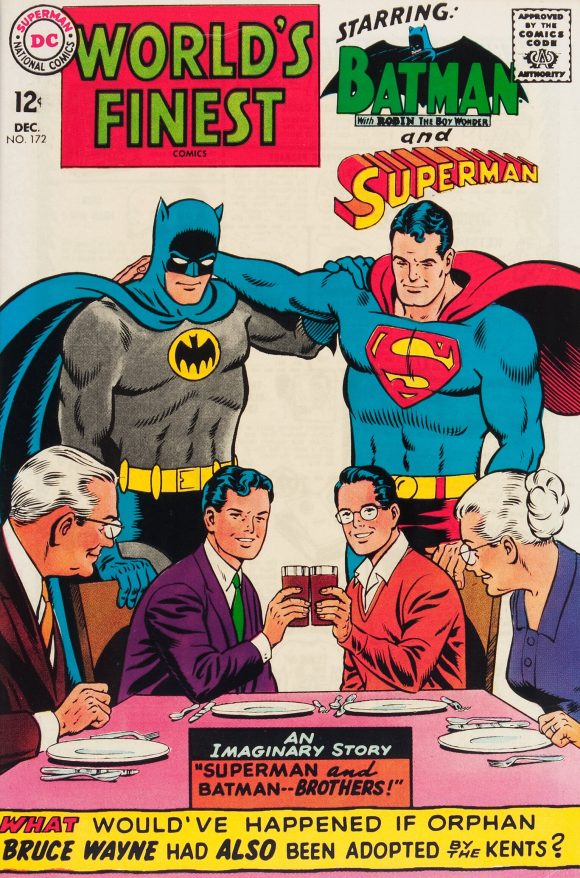
Dan adds: Who doesn’t love a great Imaginary Story? DC did a much darker take on this only four years later — and that one was bonkers.
—
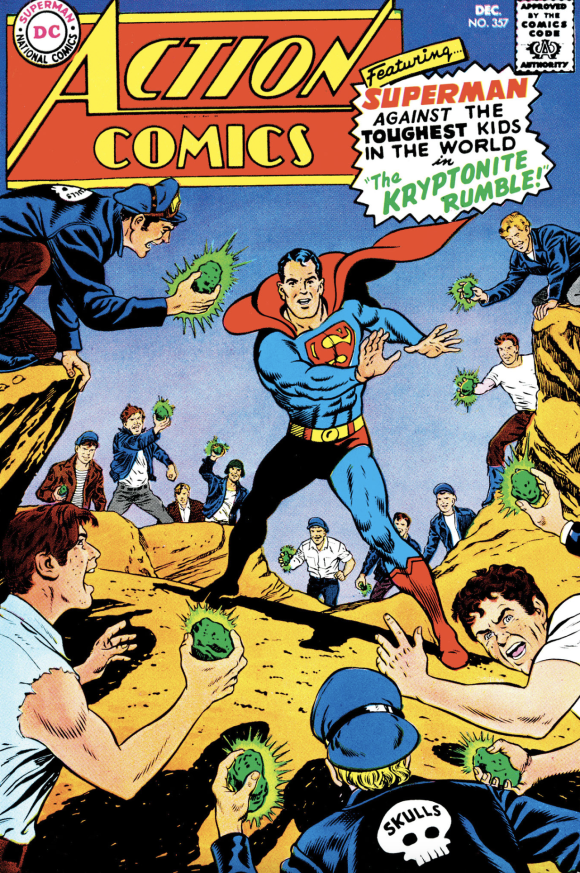
Action Comics #357, DC. Damn punk kids with their rock and roll and their Kryptonite.
—
Dan Greenfield, editor, 13th Dimension
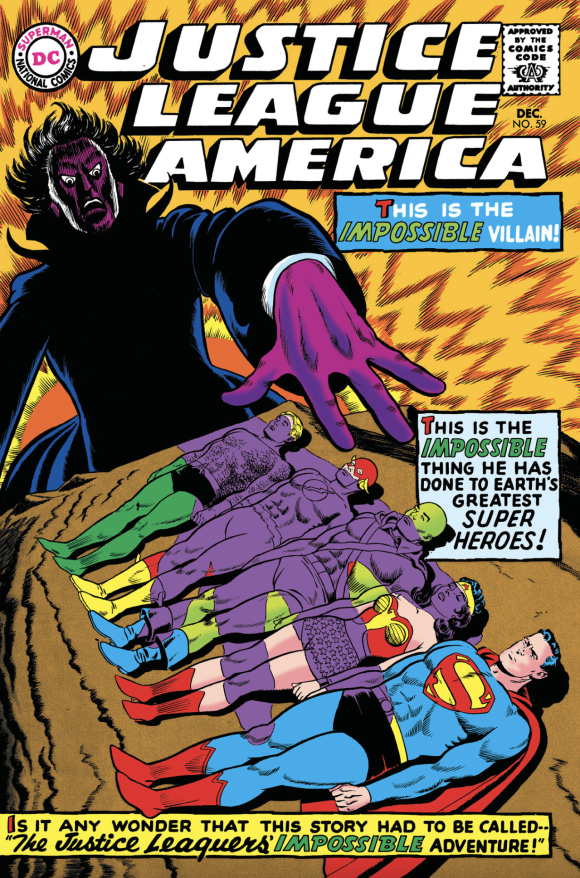
Justice League of America #59, DC. I just dig the groovy go-go cover by Mike Sekowsky and Sid Greene. Weirdly, Superman’s face is by Wayne Boring. I know DC was ridiculously careful with the Man of Steel’s visage, but it’s not like Sekowsky hadn’t drawn him on the regular.
—
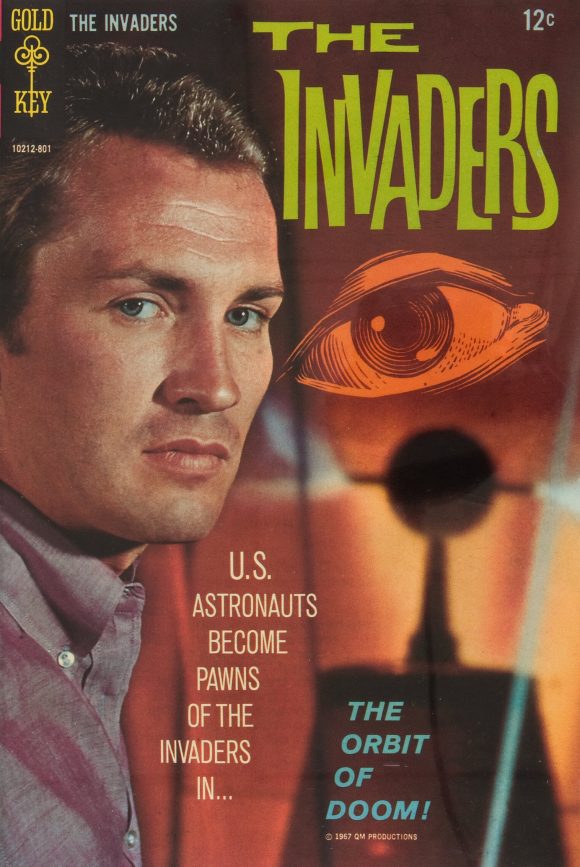
The Invaders #2, Gold Key. Y’know, I’ve never seen an episode. As far as I know it wasn’t in syndication in New York while I was growing up, unless it was during some hour when I was asleep or doing something else. But a spooky-eye cover is always a draw.
—
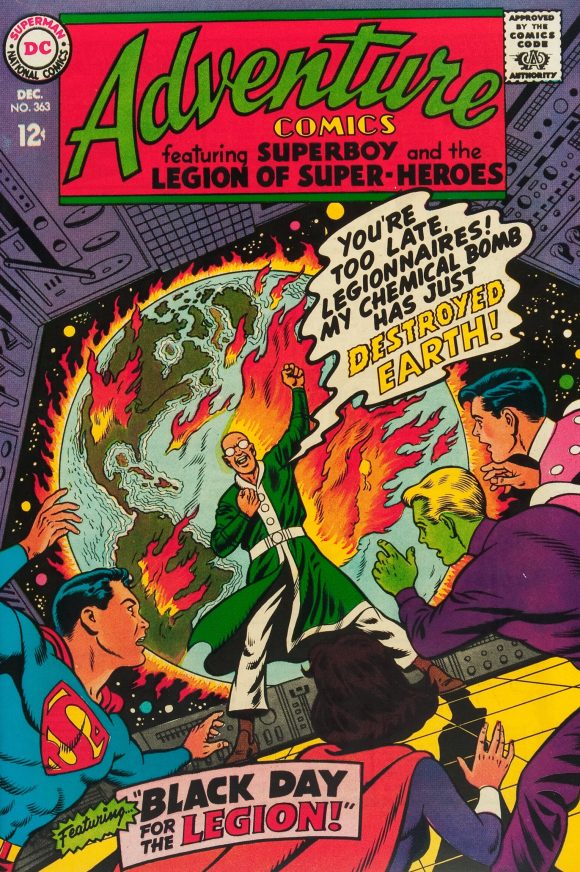
Adventure Comics #363, DC. Jim Shooter and Pete Costanza managed to squeeze 17 Legionnaires into this story.
—
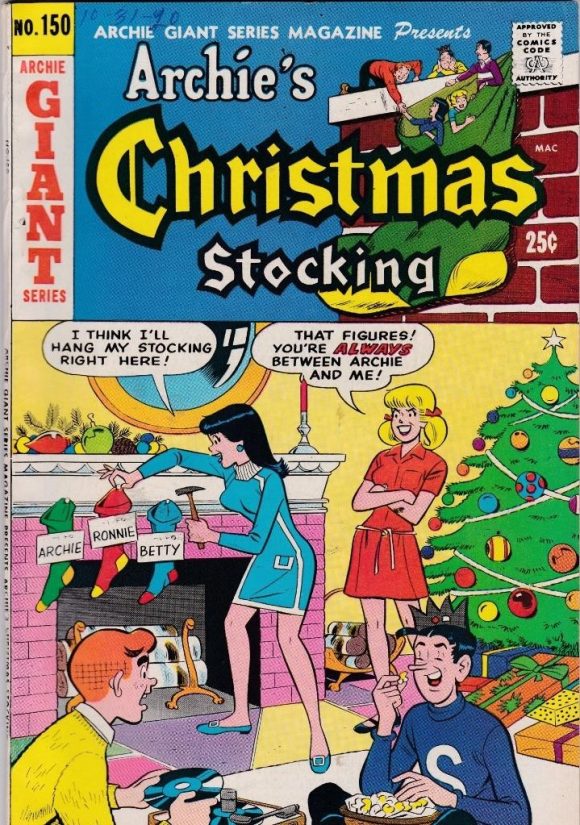
Archie Giant Series Magazine #150, Archie. The Official Comic Book of Christmas, as they were in 1967.
—

October 28, 2026
It is interesting that there were no Marvels on sale this week. The Invaders is available on DVD.