
AN ANNIVERSARY SPECIAL: The Swift and Powerful Monarch of the Ocean made his first appearance 85 years ago…
By PAUL KUPPERBERG
When he first swam into the pages of More Fun Comics #73, on Sept. 19. 1941, Aquaman was just another back-up feature in a title that consisted of what was essentially a lineup of back-up features: Doctor Fate was on the cover, then came another hero who was making his debut, Green Arrow, plus Radio Squad, Johnny Quick, Clip Carson, and the Spectre.
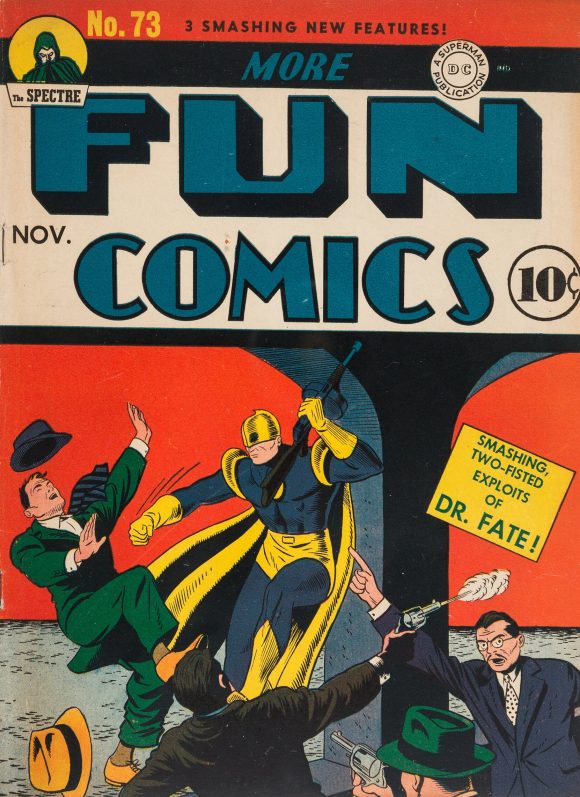
Of course, there was no way of knowing that three out of the six would grow up to one day star or be featured in big budget films (Aquaman and Doctor Fate) and long running television series (Green Arrow).
But plucky, never-once-appeared-on-the-cover, talks-to-the-fishes Aquaman held on! The creation of editor and writer Mort Weisinger (who also co-created that issue’s Green Arrow debut with artist George Papp) and artist Paul Norris, the Marine Marvel not only survived the 1940s Golden Age but also managed to navigate the superhero doldrums of the 1950s as a back-up feature in Adventure Comics, until late 1960 when DC used its tryout title, Showcase, to see if he could anchor a solo book.
Apparently, he could. And apparently someone had an underwater fetish because his four-issue run (#30-33) followed a three-issue tryout for the scuba diving Sea Devils, which would also be awarded its own title.
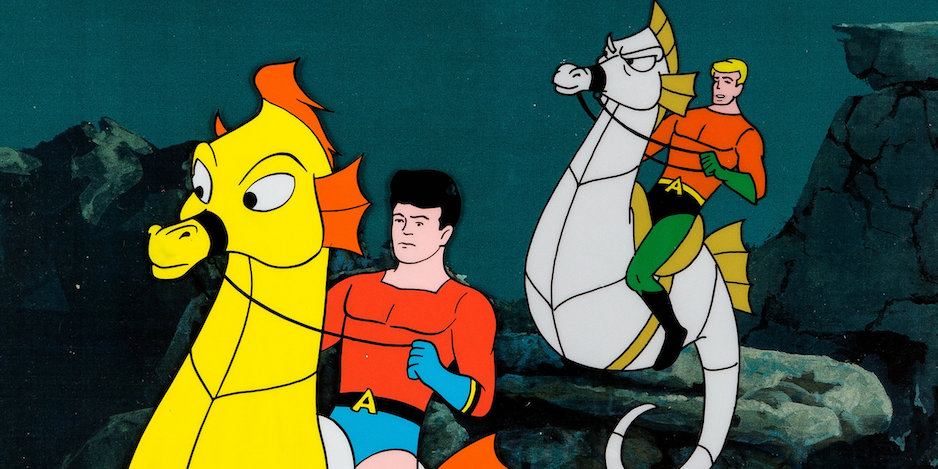
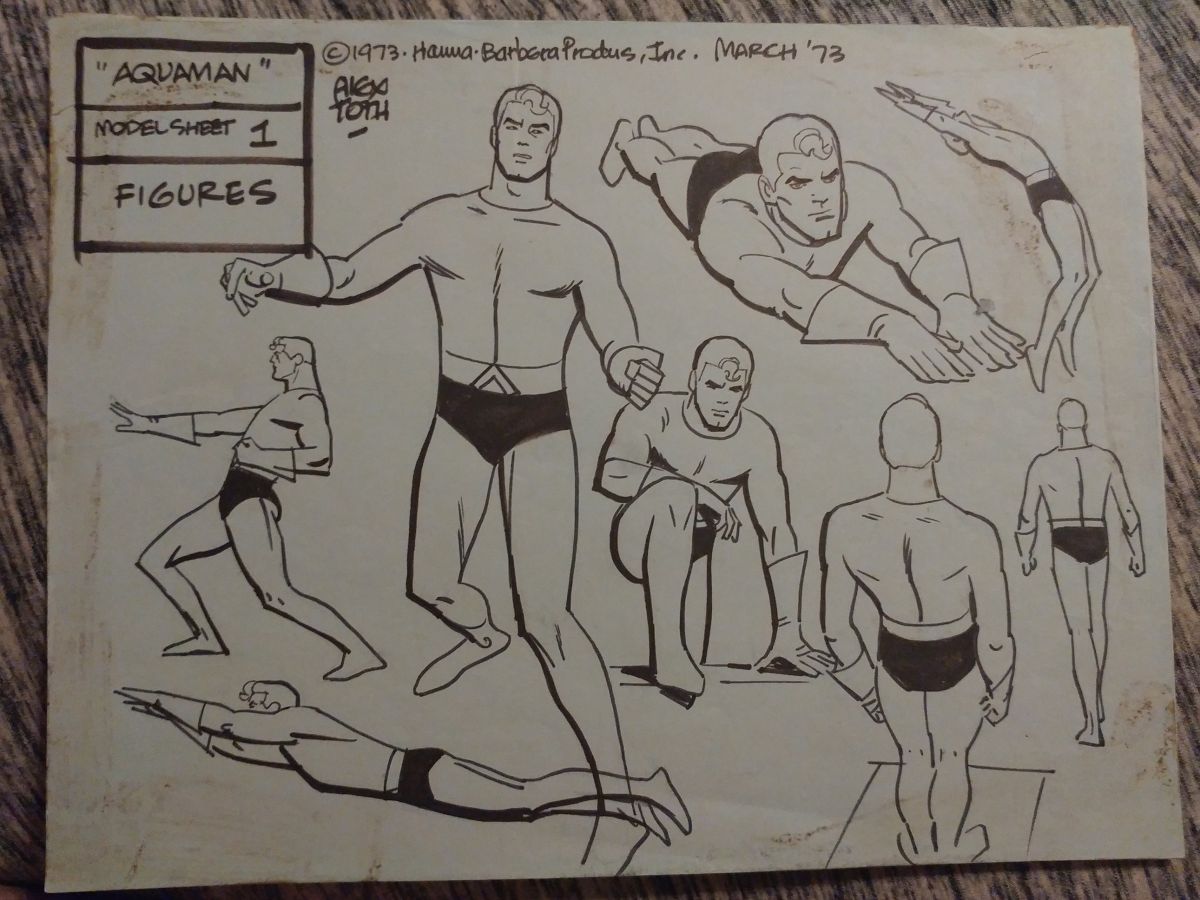
And, oddly, in 1967, good King Arthur of Atlantis was selected to co-star with the Man of Steel in Filmation’s The Superman/Aquaman Hour of Adventure cartoon series for CBS Saturday morning TV, which seemed a pretty random choice to me at the time. But it does give me an excuse to run this Alex Toth Aquaman model sheet for Super Friends, because who doesn’t want to see Toth art?
Not that Aquaman ever lacked for good art. Just during my brief association with the character, writing Aquaman #62-63 (1978) and in Adventure Comics #460-463 (1978-79), I worked with Don Newton and Don Heck.
There are many more such illustrators — but not too many to count! Here then, MY 13 FAVORITE AQUAMAN ARTISTS:
—
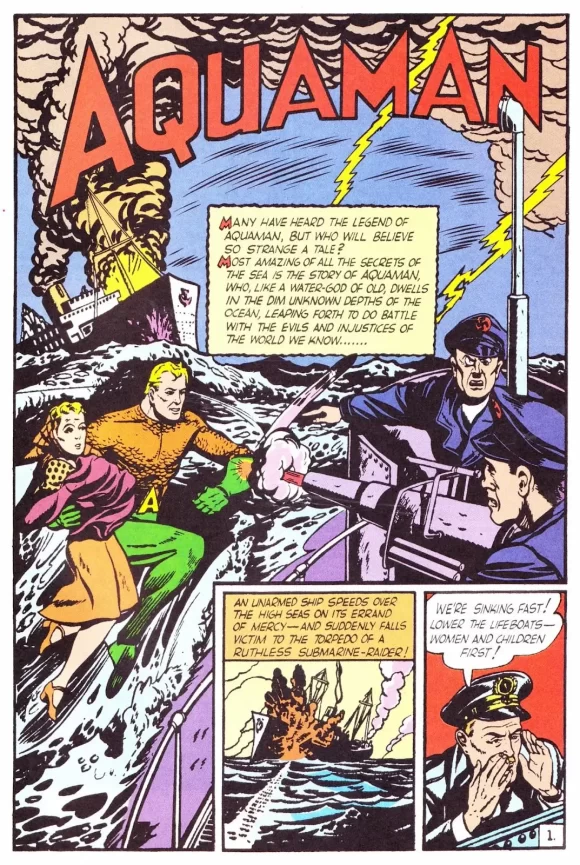
Paul Norris. It was a contractual complication that forced Paul Norris to leave his co-creation after about a year. Without realizing it had an exclusivity clause in it that prevented him from doing outside work, he had signed a contract with a features syndicate to do the syndicated newspaper strip Vic Jordan. After service in the Army during World War II, Norris returned to newspaper comics, drawing Jungle Jim before, beginning in 1952, taking over Brick Bradford, which he wrote and drew for 35 years, until his retirement in 1987.
—
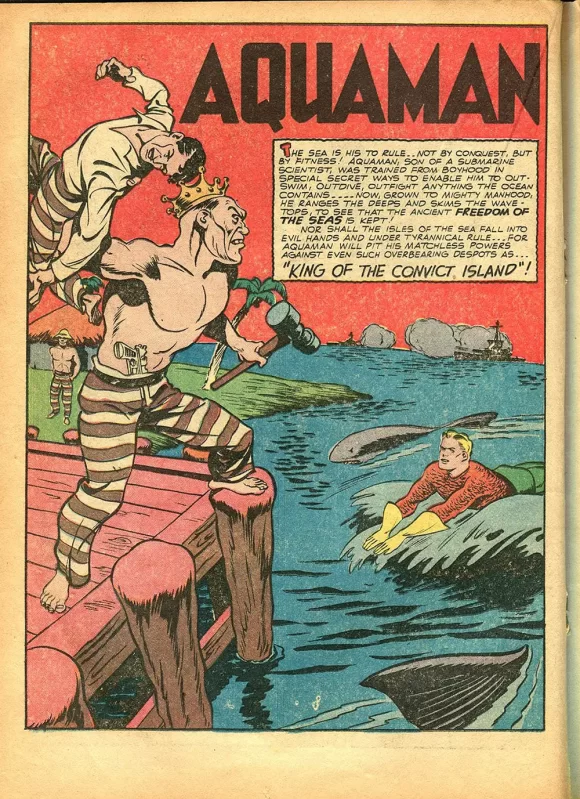
Louis Cazeneuve. The Argentine-born cartoonist came to the United States in 1939 and became a prolific Golden Age comic-book artist. He succeeded Paul Norris as Aquaman’s second artist in More Fun Comics #82 in 1942 and continued drawing the character in Adventure Comics through 1948, making him Aquaman’s longest-serving Golden Age artist. Cazeneuve also worked on Shining Knight, Boy Commandos, and other DC features. After leaving DC, he worked primarily for Fawcett Comics, where his last known comic-book work appeared in Whiz Comics #107 in 1949.
—
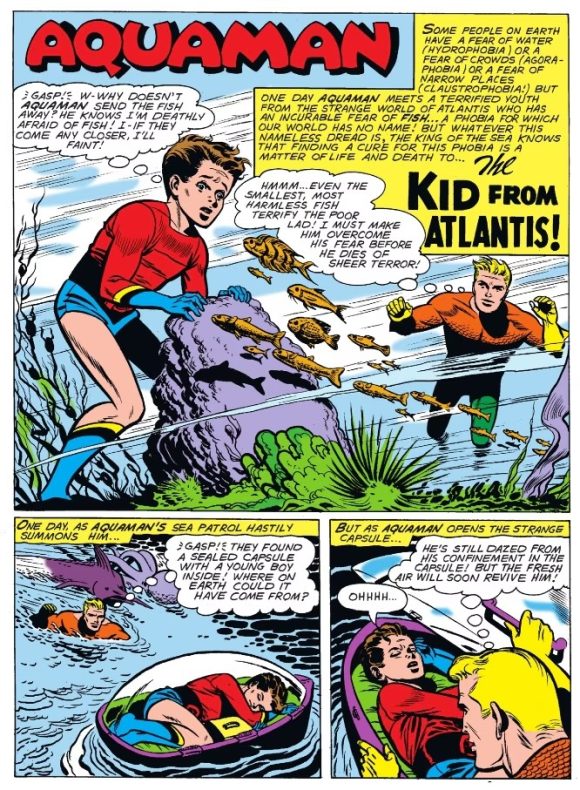
Ramona Fradon. Ramona was one of the defining artists of Silver Age Aquaman. She took over the feature beginning in Adventure Comics in 1951 and helped establish a lighter, more imaginative visual style, introducing or shaping much of Aquaman’s supporting cast, including Aqualad and Topo. Fradon’s stories also helped define Aquaman’s origin and relationship with his parents, Tom Curry and Atlanna. She later co-created Metamorpho with Bob Haney and worked on Super Friends, Plastic Man, and other DC features. In 1980, she left DC to take over the long-running newspaper strip Brenda Starr, Reporter, which she drew for 15 years.
—
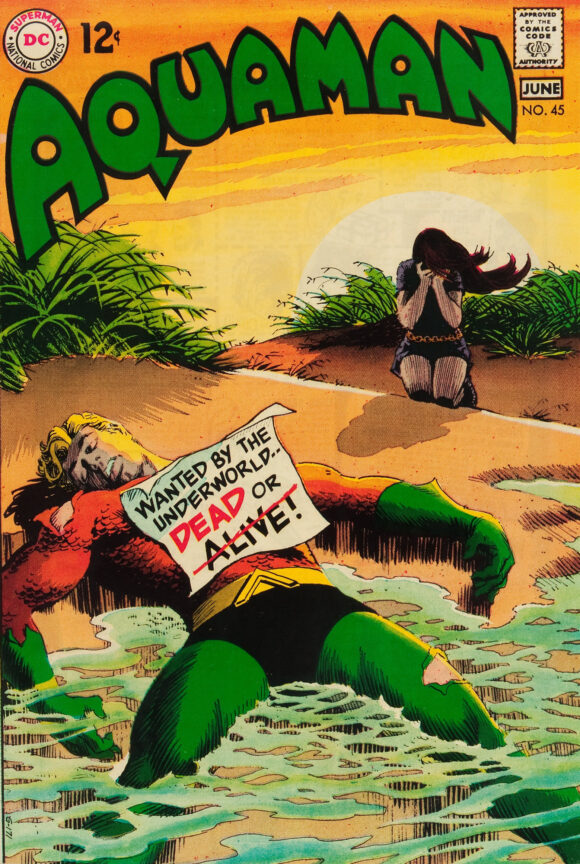
Nick Cardy. Nick took over Aquaman from Fradon, drawing the first 39 issues of his solo series, from 1962 to 1968, and providing every cover through #56 in 1971. Cardy’s fluid figures and innovative underwater scenes helped establish Aquaman’s visual identity, while his run included such major developments as Arthur and Mera’s marriage and the birth of their son. He also drew Teen Titans and Bat Lash, then became one of DC’s main cover artists before leaving comics for commercial art and movie-poster illustration.
—
Jim Aparo. Aparo came to DC from Charlton Comics in 1968 and became an important Aquaman artist, drawing the character in both his own series and in Adventure Comics during the late 1960s and 1970s. His realistic, muscular approach matched Aquaman’s increasingly serious stories by writers such as Steve Skeates and David Michelinie. After Aquaman, Aparo became known for a decade-long run on The Brave and the Bold, followed by runs on Batman, Detective Comics, the Spectre in Adventure Comics, and Batman and the Outsiders.
—
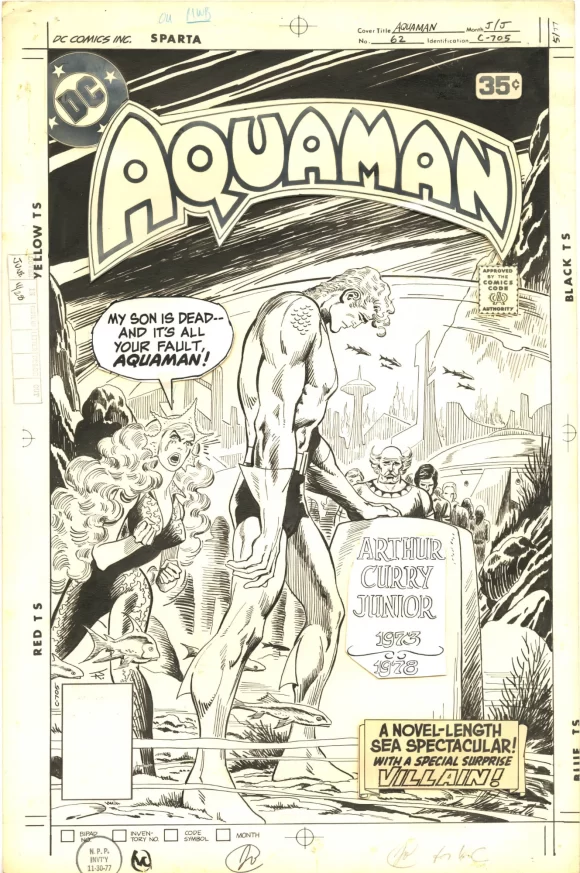
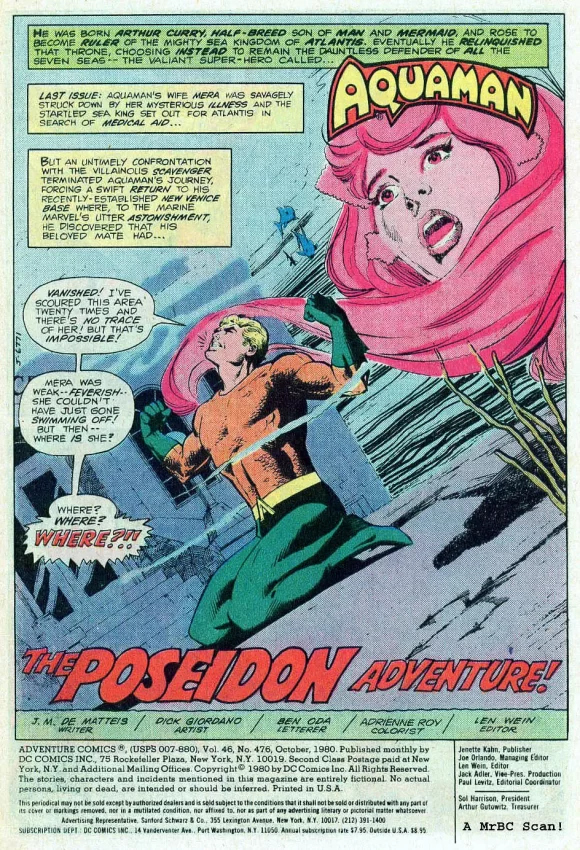
Dick Giordano. An artist, inker, and editor whose career stretched from Charlton Comics to DC’s offices, Dick brought a suite of talents to comics. As editor, he hired artists including Aparo at DC and helped launch a revamped Aquaman in 1968. Giordano inked and occasionally pencilled the series, contributing to its late-1960s/early-1970s look. He left DC in 1971 and formed Continuity Associates with Neal Adams, then returned to DC in 1980, eventually becoming executive editor.
—
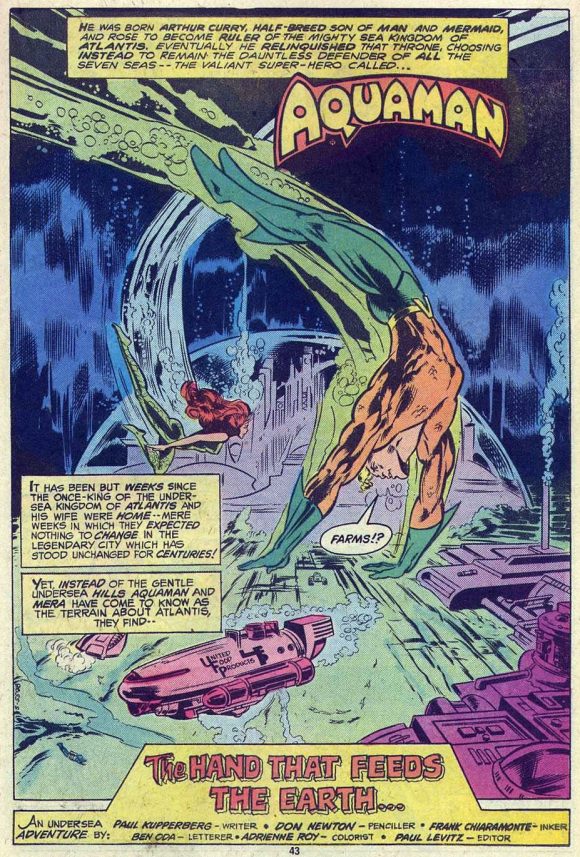
Don Newton. Don was a late-blooming comic book illustrator who spent years as a fan artist before beginning his professional career at Charlton and moving to DC in 1977. His first DC work was an Aquaman feature in DC Special #28 (June/July 1977), and he continued drawing Arthur Curry intermittently for several years, including a four-issue stint on Aquaman #60-63 before moving on to memorable runs on Shazam!, Batman, and Detective Comics. His life was cut short at 49, but his powerful, expressive draftsmanship remains particularly associated with Bronze Age Batman and Aquaman.
—
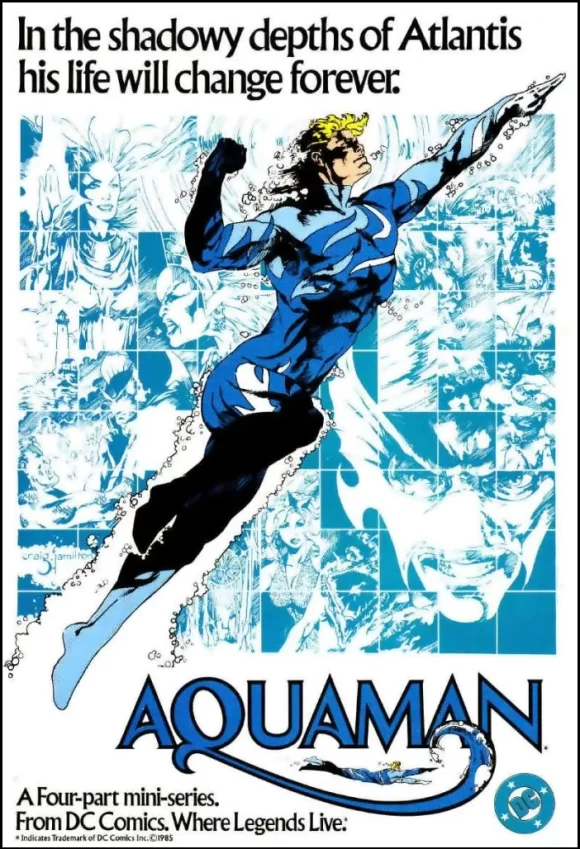
Craig Hamilton. Hamilton made his professional debut with DC’s 1985-86 four-issue Aquaman miniseries, written by Neal Pozner. Hamilton’s intricate, illustrative artwork introduced Aquaman’s distinctive blue “sea camouflage” costume and helped expand the visual mythology of Atlantis, becoming one of the character’s notable 1980s revamps. Hamilton later worked on Starman, Green Lantern, Sandman, and other DC projects, as well for Marvel.
—
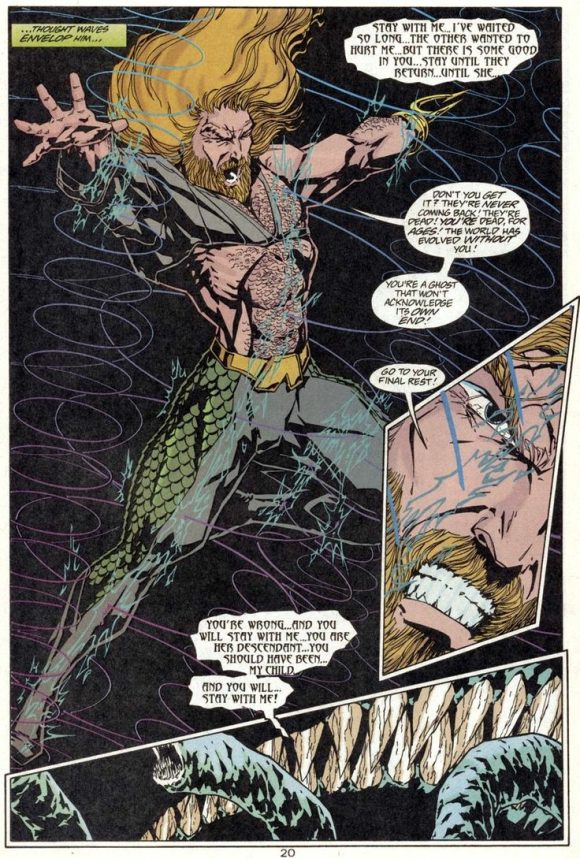
Jim Calafiore. Beginning his professional career in comics in the early 1990s with credits at Valiant before moving to DC and Marvel, Calafiore first drew Aquaman in 1995, during writer Peter David’s influential run on the series, and became one of its principal artists through the late 1990s. After Aquaman, the artist worked on Marvel’s Exiles, as well as DC’s Secret Six, Gotham Underground, and Batgirl, and later collaborated with Gail Simone on Leaving Megalopolis and Surviving Megalopolis.
—
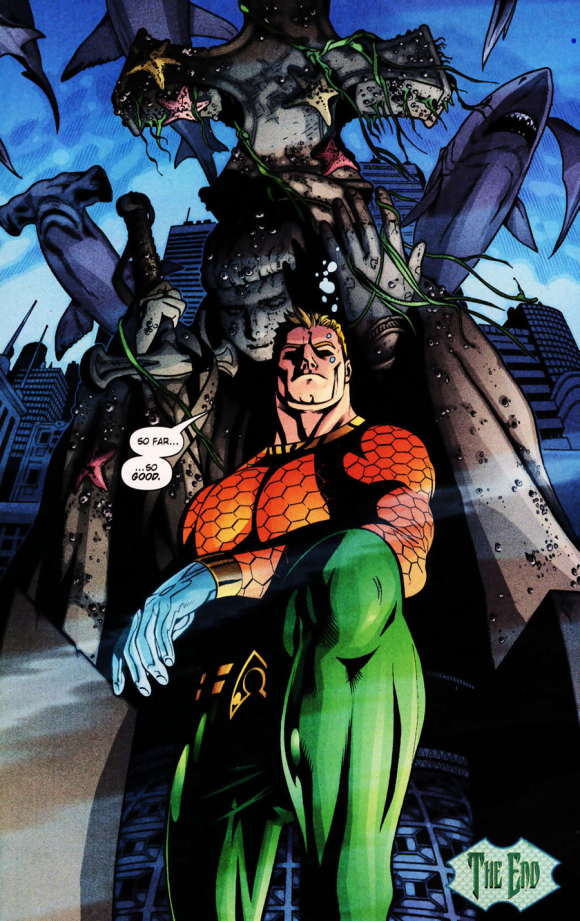
Patrick Gleason. Best known for his work Green Lantern Corps, Batman and Robin, and Superman, Gleason drew Aquaman with writer Will Pfeifer during the 2004–05 “Sub Diego” storyline, depicting the sunken San Diego and its newly transformed population. He co-created the modern-day Super Sons with Peter J. Tomasi.
—
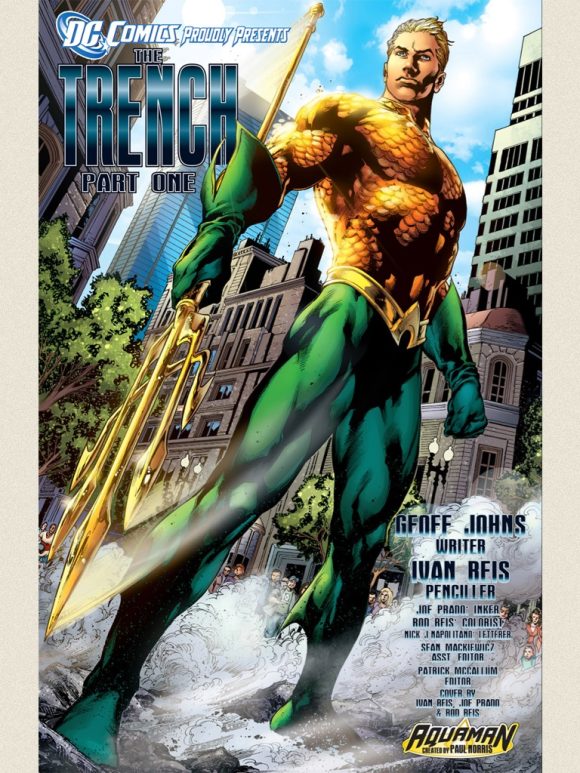
Ivan Reis. The Brazilian artist became the principal illustrator on Geoff Johns’ Aquaman New 52 relaunch in 2011. Reis and Johns reinvented Arthur Curry and Atlantis, giving Aquaman a more muscular, epic visual identity. Reis drew the first 13 issues before moving to Justice League, and later worked on Superman, Batman/Superman, and The Multiversity.
—
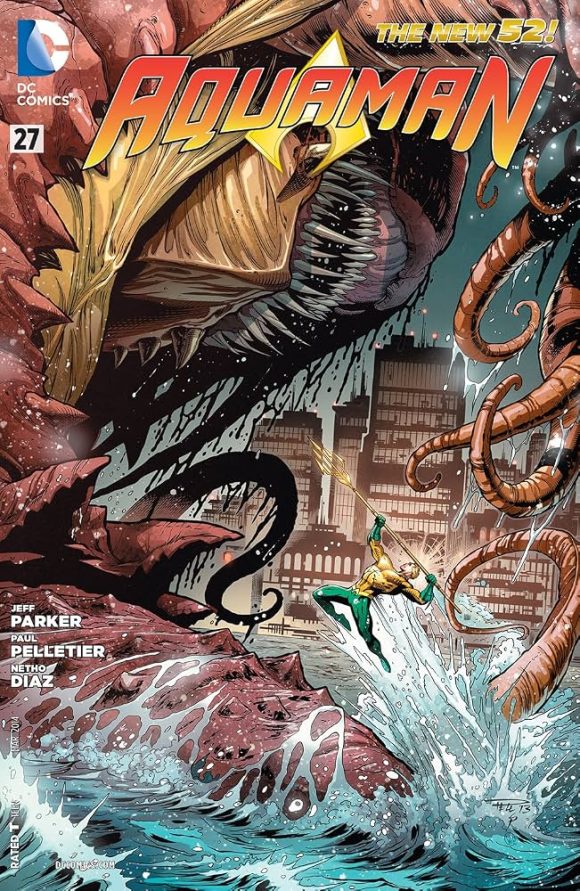
Paul Pelletier. Beginning his professional comics career in the early 1990s with work for Malibu, DC, CrossGen, and Marvel, on titles including Flash, Green Lantern, Exiles, Fantastic Four, and War of Kings, he became a regular Aquaman artist during the New 52 era, taking over after Ivan Reis and drawing much of Geoff Johns’ run, including the “Throne of Atlantis” storyline.
—
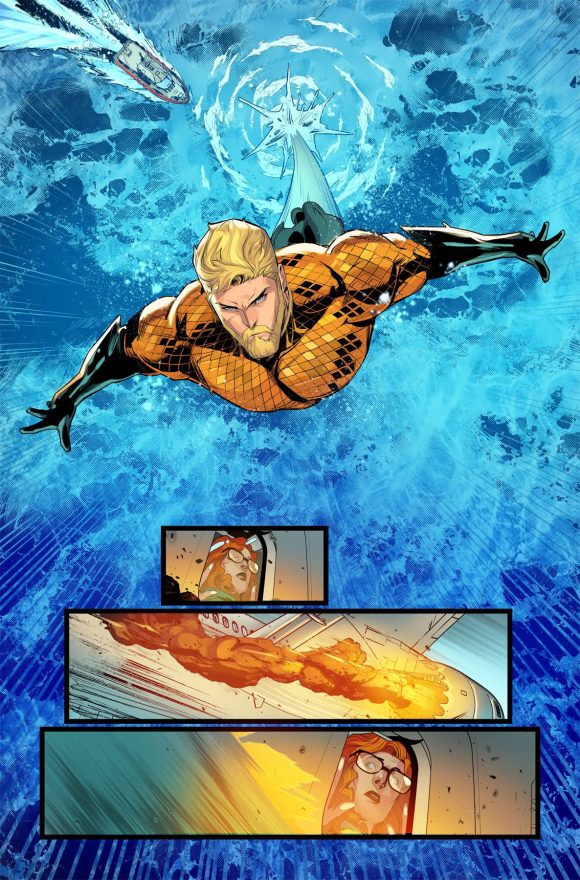
John Timms (born December 2, 1970). Timms is a Costa Rican artist who became a regular at DC after years working in animation and visual communication. He is best known for runs on Harley Quinn, Young Justice, and Superman. In 2025, Timms took over as artist on DC’s new Aquaman series, working with writer Jeremy Adams to establish a new visual direction for Arthur Curry and his expanded powers.
—
MORE
— THE RIME OF THE ORANGE MARINER: An Epic 85th Anniversary AQUAMAN Poem. Click here.
— If AQUAMAN Took Over the FUNNIES. Click here.
—
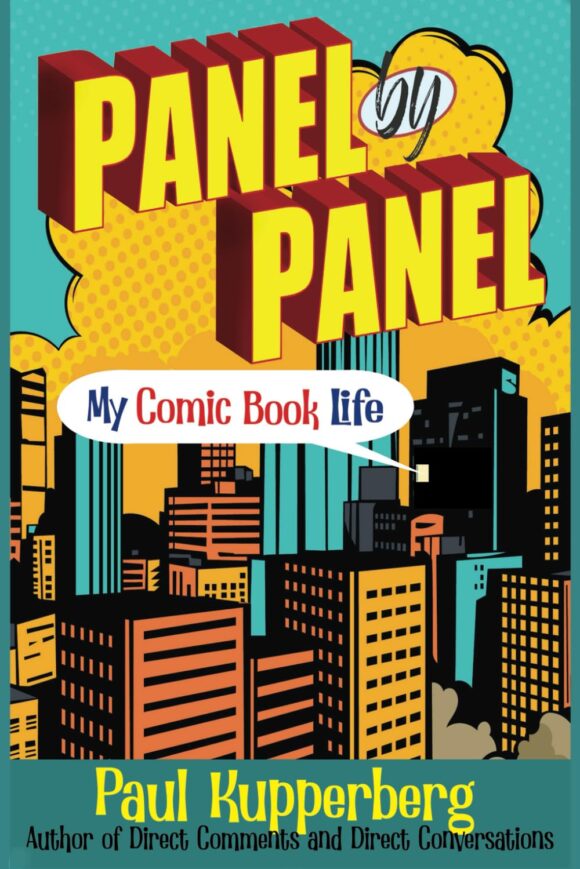
PAUL KUPPERBERG was a Silver Age fan who grew up to become a Bronze Age comic book creator, writer of Superman, the Doom Patrol, and Green Lantern, creator of Arion Lord of Atlantis, Checkmate, and Takion, and slayer of Aquababy, Archie, and Vigilante. He is the Harvey and Eisner Award nominated writer of Archie Comics’ Life with Archie, and his YA novel Kevin was nominated for a GLAAD media award and won a Scribe Award from the IAMTW. Check out his memoir, Panel by Panel: My Comic Book Life.
Website: https://www.paulkupperberg.net/
Shop: https://www.paulkupperberg.net/shop-1

September 19, 2026
Nobody made you feel like Aquaman was underwater like Aparo.
September 19, 2026
Great article!
Aparo will always be my Aquaman artist, but always special love to Ramona.
Poor Aquaman, the unsung hero. Even though he had a comic book story practically every month starting in 1941, he didn’t make a cover until the end of 1959 on Brave and the Bold #28, the JLA debut. Almost 20 years and not even a head shot, Wow.
September 20, 2026
Excellent article! Fradon, Aparo, Cardy, Newton, Gleason… my favorites. I wished the character could attain the super-star status of DC’s worn-out ‘trio’ just for something a little different. Oh, well….
September 21, 2026
Jim Aparo is the definitive Aquaman artist for me. He excelled at scenes that were partially above and below the water. I’m also a fan of the Aquaman work of Nick Cardy and Ivan Reis. Both did excellent work on the Sea King!