
Turn out the lights…
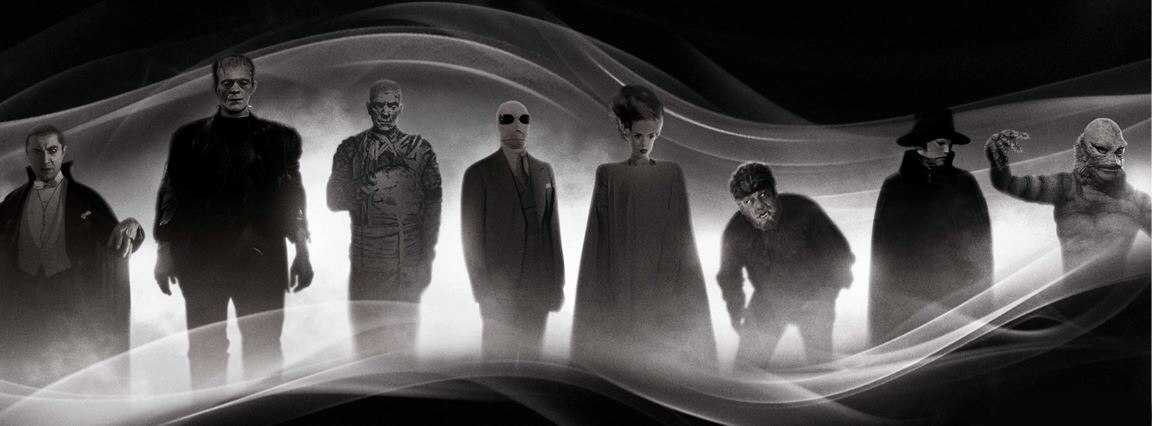
By CHRIS FRANKLIN
The film franchise collectively known today as “Universal Monsters” was popular from its inception well over 100 years ago. Early hits from Universal Studios like The Phantom of the Opera, Dracula and Frankenstein packed theaters with record-breaking crowds, and proved that US audiences wanted to be scared at the movies. Hollywood had dabbled in horror, but the fiends were always revealed to be a hoax by film’s end. Coming out of one world war, then through the Great Depression, and into an even bigger war, audiences wanted to experience fantastical frights to distract them from all too real terrors.
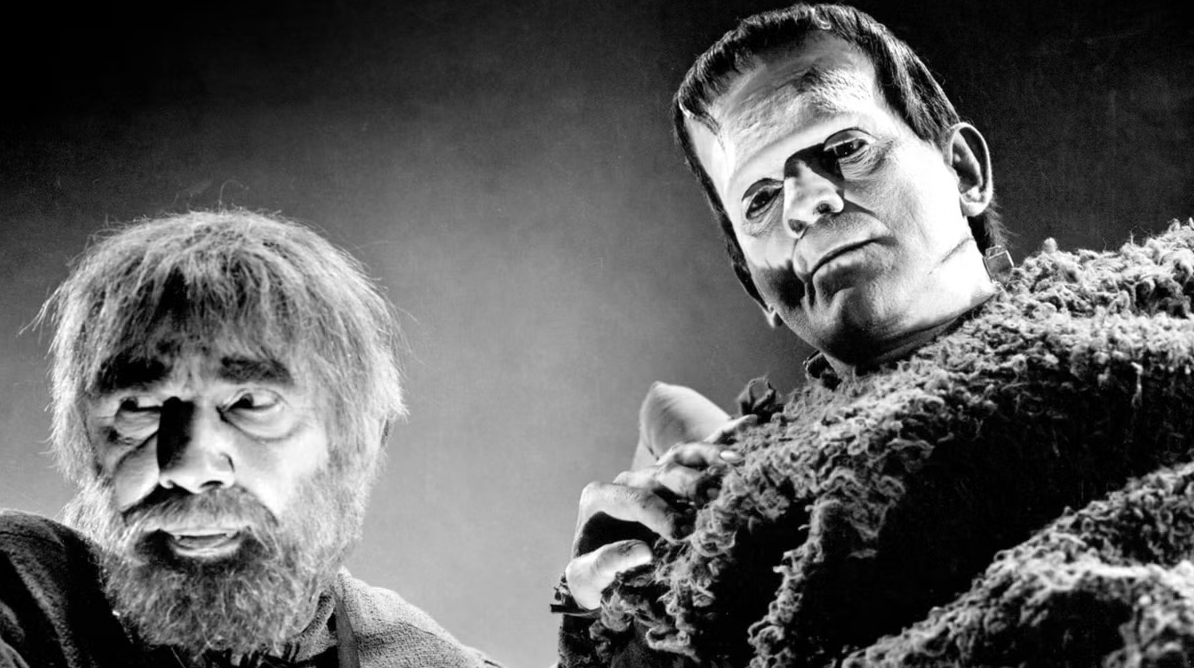
Bela Lugosi as Ygor and Boris Karloff as the Frankenstein Monster in Son of Frankenstein
Universal head Carl Laemmle and his producer son Carl Jr. opened a Pandora’s Box to a world of monsters that are still frightening audiences today and have become a staple of the Halloween season in particular. That they have persisted for so long is nothing short of extraordinary. With a few exceptions, most contemporaneous films have largely been forgotten by the general public, and their stars are only revered by true film scholars.
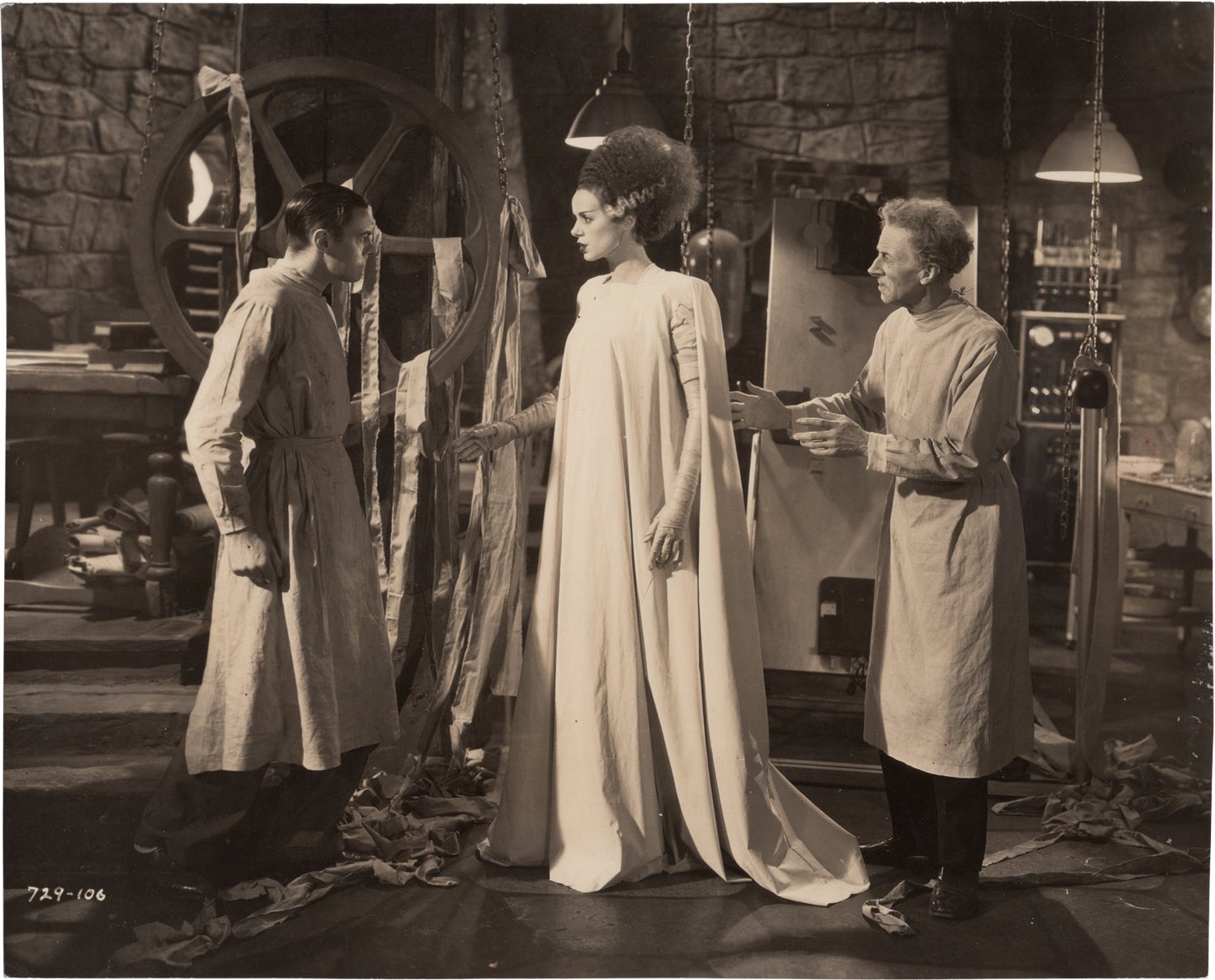
Colin Clive as Henry Frankenstein, Elsa Lanchester as the Monster’s Mate, and Ernest Thesiger as Dr. Pretorius in Bride of Frankenstein
With modern, gory horrors making their predecessors seem completely tame by comparison, why do these films still resonate? One could say it’s because in the 1940s, in a bid to get more ticket sales, Universal wisely decided the films all existed in a shared universe, allowing the monsters to meet and fight. This was a first for cinema, and a move that in recent years, several studios have tried to replicate, with only Disney/Marvel succeeding.
But no, it’s the characters, and the performances that endure. We care about these creatures, despite the evil they do, because nearly every one of them is painted in shades of gray. We see ourselves in them, because we all have aspects of our personality that we dislike, and don’t want to let out. The actors portraying them, and the supporting cast around them, connect with us, because their humanity shines through the fog-shrouded landscapes.
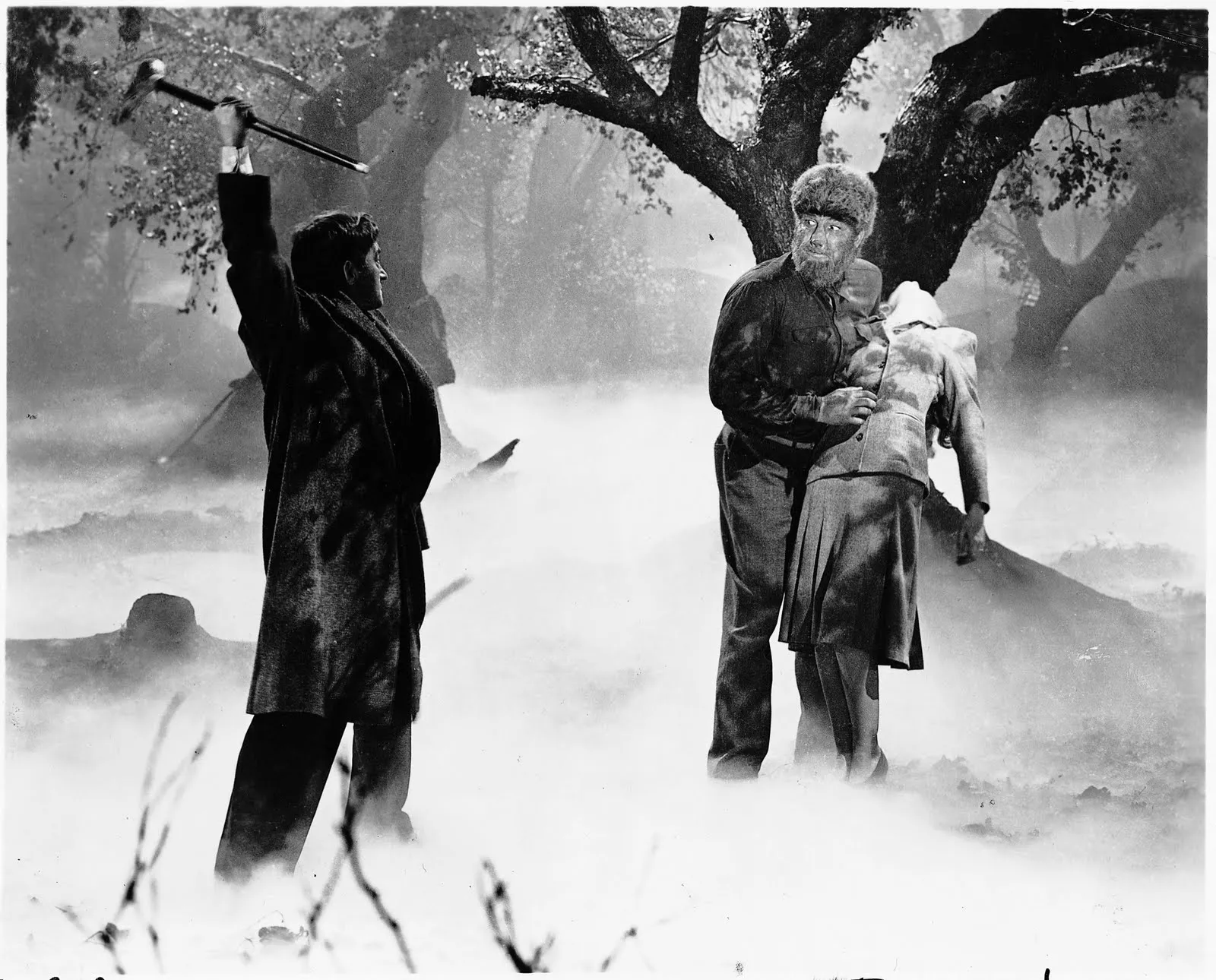
Claude Rains as Sir John Talbot, Lon Chaney, Jr. as the Wolf Man, and Evelyn Ankers as Gwen Conliffe in The Wolf Man
To celebrate the season, and the enduring legacy of the Universal Monsters, let’s take a look at 13 GREAT PERFORMANCES from these landmark films, in chronological order:
—
Lon Chaney as The Phantom – The Phantom of the Opera (1925). “The Man of 1,000 Faces” is best remembered for one… The Phantom of the Opera. Although he had created and worn groundbreaking, torturous makeup before, as in 1923’s The Hunchback of Notre Dame, Chaney’s Phantom was a revelation. And that reveal shocked not only audiences, but the very people he was working with when they first saw the skeletal face. Achieved primarily by Chaney by pulling his nose up and his eyelids down with painful wires, the Phantom’s visage was truly frightening a century ago, and just as impactful now. When Mary Philbin’s Christine pulls off his mask and Chaney looks directly at the camera in shock… it’s pure cinema, and unforgettable.
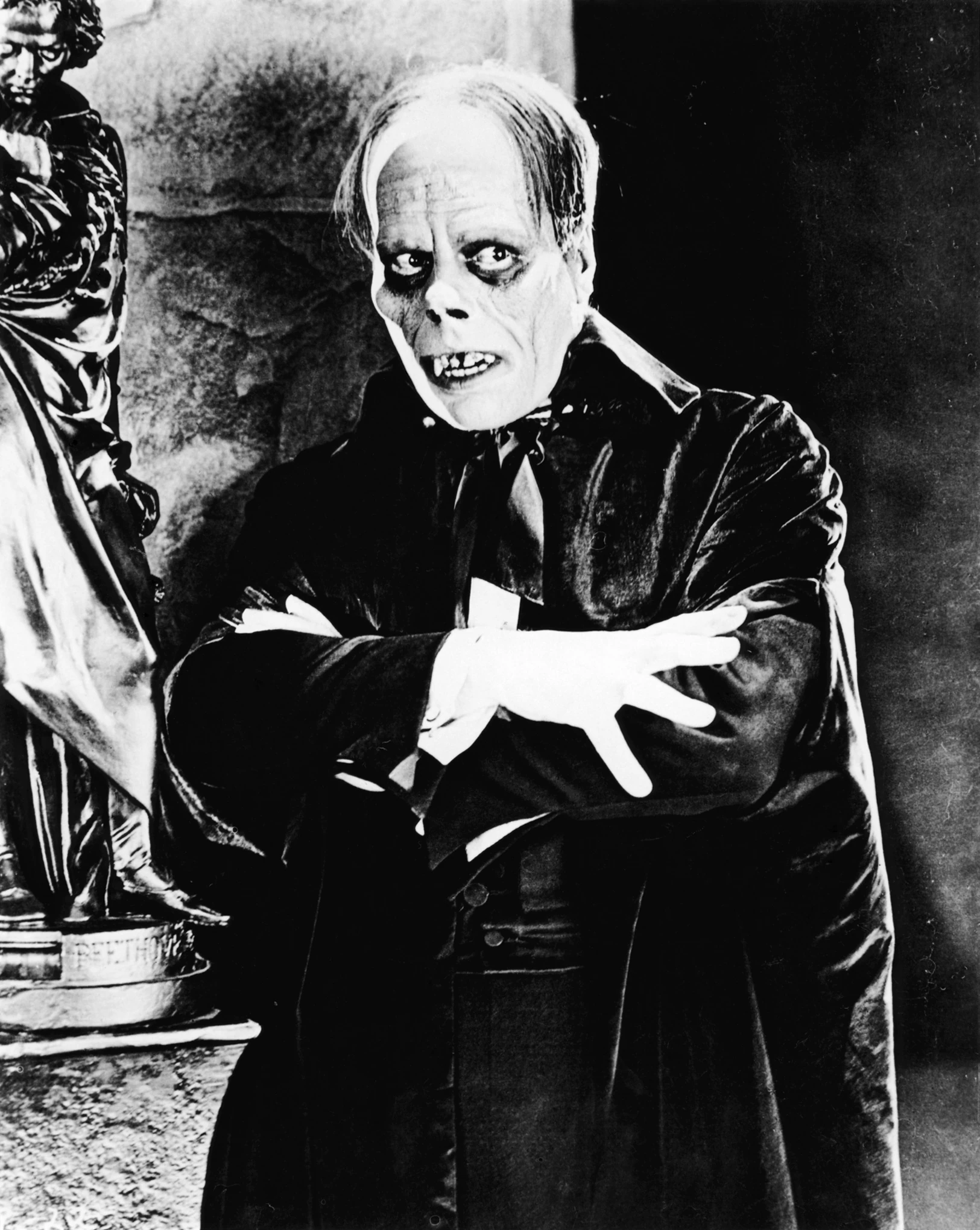
The disfigured Phantom evoked sympathy, but he was also truly monstrous, killing a whole opera-full of onlookers with a dropped chandelier, for instance. Along with the shadowy, nightmarish influence of German expressionist films, Chaney’s complex Phantom would set the standard that all good horrors must follow, especially at his home studio of Universal.
—
Bela Lugosi as Count Dracula – Dracula (1931), Abbott and Costello Meet Frankenstein (1948). Ask anyone to imitate a vampire, and they are likely to start talking in a faux Hungarian accent. Whether they have ever seen the original Dracula film or not, they are imitating Bela Lugosi. Lugosi so successfully reprised his stage role on screen that he became the default vampire for all time. The tuxedo, the cape, the widow’s peak hair style, the hand gestures, the eye movements, and THE VOICE.
Some critics have leveled that Lugosi couldn’t properly speak English and had to deliver his lines phonetically. But that was only true when he first played Dracula on stage. Several years removed, he used his exaggerated cadence to give Dracula an otherworldly feel on screen. His unwavering commitment to the role sold US audiences on the very notion of such an undead creature, the first film to not cop-out with some kind of perpetrated hoax explanation in the last act.
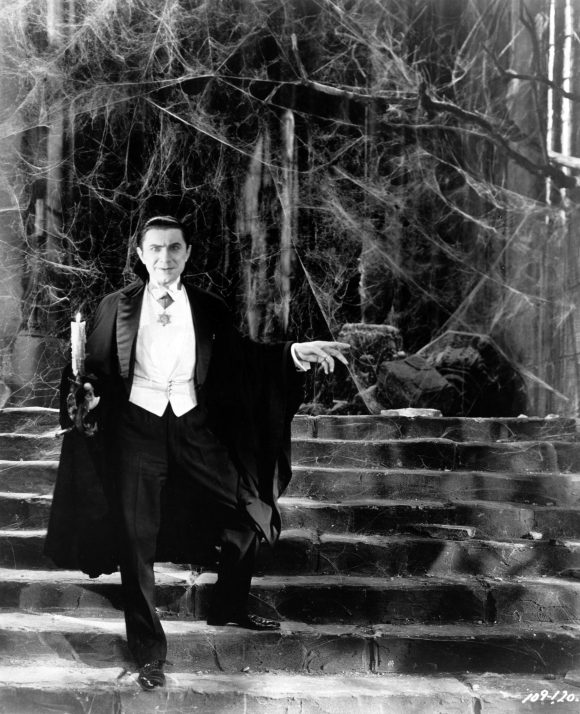
Despite his success and identification with the role, Universal did not bring him back as the Count until 17 years later in the horror comedy Abbott and Costello Meet Frankenstein. The older Lugosi is just as effectively mesmerizing, now acting as a full-on supervillain, hoping to control the Frankenstein monster (Glenn Strange) for world domination. Sadly, this was the last major studio picture the perennially typecast Lugosi would ever appear in. He was so identified with the role he made famous, he asked to be buried in one of his Dracula capes.
—
Dwight Frye as Renfield – Dracula (1931). The stage play and film versions of Dracula differ from Bram Stoker’s source novel immediately by sending Renfield and not Jonathan Harker as solicitor to Castle Dracula. Dwight Frye’s Renfield is a relatable gentleman when we follow him into the Carpathian Mountains. But his encounter with the Count leaves him a changed man. In the vampire’s thrall, Renfield’s ordered mind snaps, and Frye swings for the fences. The sight of the grinning, low-laughing Renfield discovered on the wreck of the ship the Demeter is unsettling and impossible to forget.
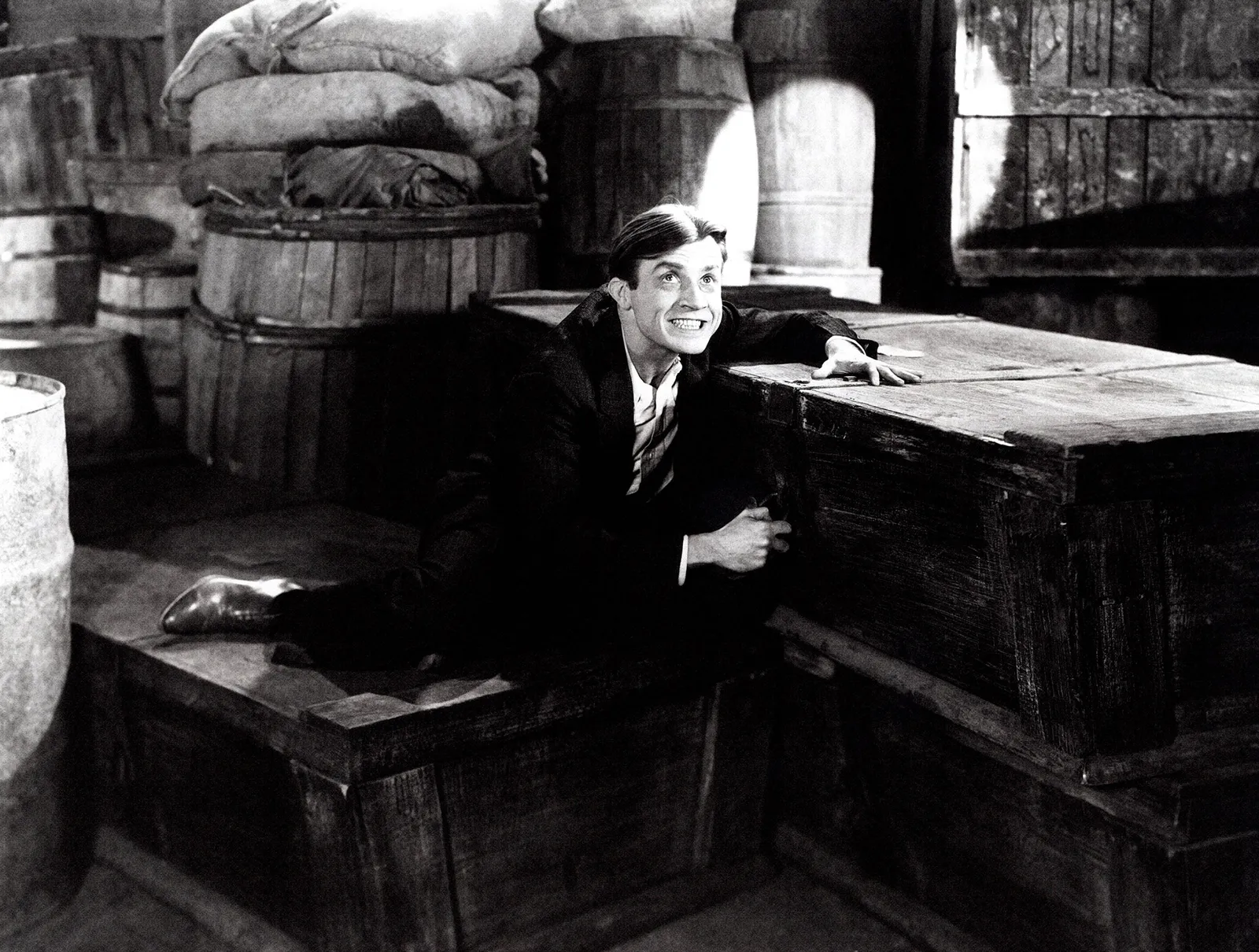
Frye put his years of Broadway acting to good use, lightening his scenes by playing the bug-eating Renfield for laughs at one moment, and extreme pathos the next. Audiences pitied the unjust fate visited on poor Renfield, thanks to Frye’s portrayal. Frye had memorable roles in James Whale’s Frankenstein films but eventually became just a background player with a few lines of dialogue. A waste of a singular talent in Universal’s pool of actors.
—
Boris Karloff as the Frankenstein Monster – Frankenstein (1931), Bride of Frankenstein (1935), Son of Frankenstein (1939). Aided by Jack P. Pierce’s iconic, unmatched makeup design and execution, Boris Karloff infused what could have been the thankless role of the Frankenstein Monster with a spark of life the creature’s creator would envy. With subtle hand gestures and moans, Karloff conveyed a childlike innocence, despite his cadaverous appearance. Shunned by his creator and tortured by a servant, the Monster lashes out, but still, we can understand why. We pity this creature that never asked to be born, primarily thanks to Karloff’s nuanced delivery, and James Whale’s deft direction.
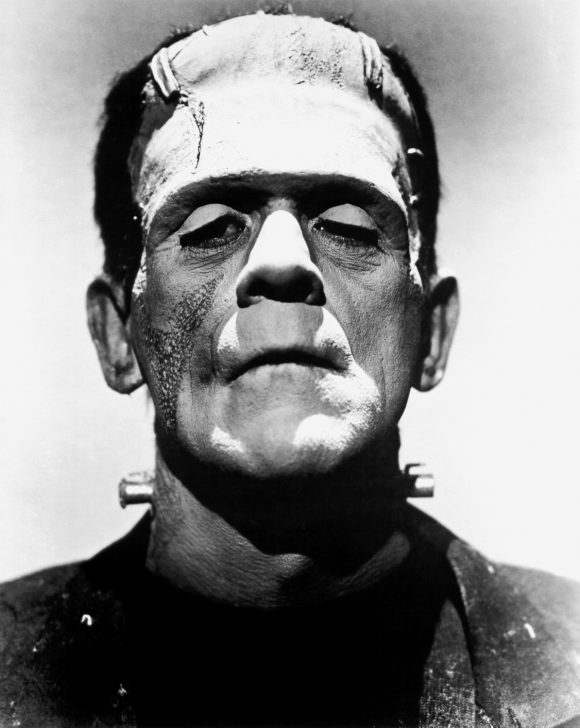
This connection was only increased in the sequel, when the now-speaking Monster actually finds happiness living with an understanding blind hermit. Chased away by ignorant men, and then rejected by the wife created for him, the Monster chooses suicide over any further grief. In the third film, the Monster is overshadowed by other characters, but Karloff continues to glow, especially in the scene where he examines his own face against that of his “brother,” the titular Son of Frankenstein. And who can forget the primal scream of anguish when the Monster finds the dead body of his only friend, Ygor. Karloff set the standard for relatable, misunderstood monsters for the century to come.
—
Colin Clive as Henry Frankenstein – Frankenstein (1931), Bride of Frankenstein (1935). The titular star of Whale’s Frankenstein films despite popular misconception, Colin Clive’s Henry Frankenstein is a man completely obsessed when we meet him. So determined to create life in the corpses he’s sewn together, he eschews his friends and family, and isolates himself. Clive sells this sweaty agitated mess of a man Henry has become. When he succeeds and utters those famous words of “It’s alive. ALIVE!” and professes now he knows what it’s like to be God, it’s nearly orgasmic. But then sanity returns, and Clive portrays a Henry that must now grapple with what he’s created and let loose on the world.
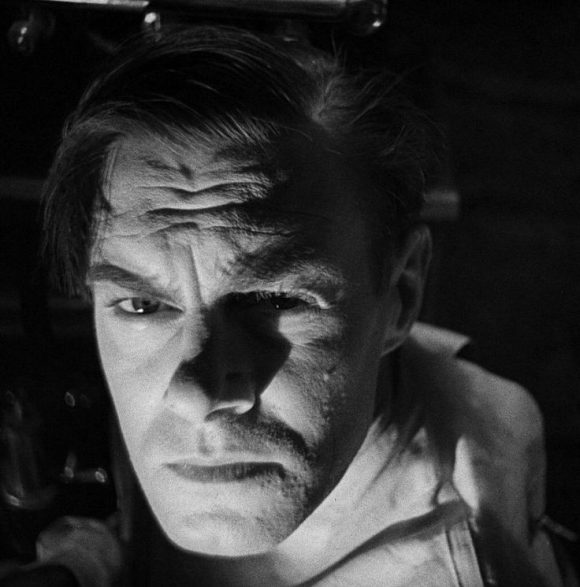
In the sequel, he’s far more subdued, blackmailed into going down the route of madness again by his former mentor Dr. Pretorius. Few actors of his time could have portrayed this character so effectively as the haunted Clive, battling inner demons that would ultimately win when he succumbed to alcoholism by decade’s end.
—
Boris Karloff as Imhotep/Ardath Bey – The Mummy (1932). “Karloff the Uncanny” as he was called during the promotion of this film, lived up to his hyperbole in The Mummy. The subject of Jack Pierce’s most elaborate makeup work to date, Karloff spent 8 hours in the chair being transformed into the mummy of Imhotep. When he is resurrected, Karloff’s slow, measured movements convincingly portray a 3,000-year-old corpse returning to life. Director Karl Freund only lets us glimpse seconds of the completely mummified Karloff in action.
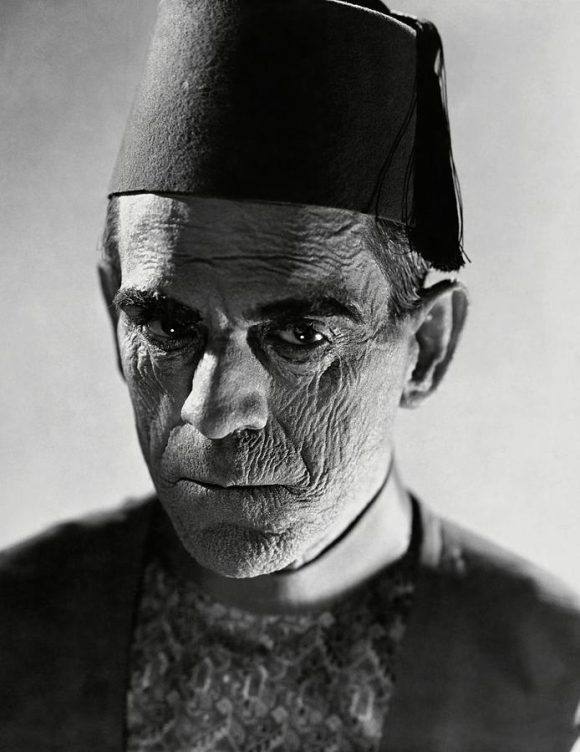
Thankfully, Pierce developed a second makeup for Imhotep’s guise as Ardath Bey, much less elaborate, but no less effective. Through his reserved actions and methodical speech, Karloff sells that this is the Mummy somehow passing as a normal, if extremely withered human. But his passions visibly ignite when he finds the reincarnated princess he was put to death for. It’s a multilayered performance that puts you squarely on the monster’s side, despite his overall creepiness and murderous actions.
—
Zita Johann as Helen Grosvenor/Princess Ankhesenamun – The Mummy (1932). Amid a franchise of often serviceable but utterly unremarkable damsels in distress, Zita Johann is a standout. The saucy actress was quite a pistol off camera, condemning Hollywood moguls for making horrible product, and longing to return to the stage, which she quickly did. Director Karl Freund apparently made her time on The Mummy a living hell, hoping to use her as a scapegoat if his first directing job went sideways.
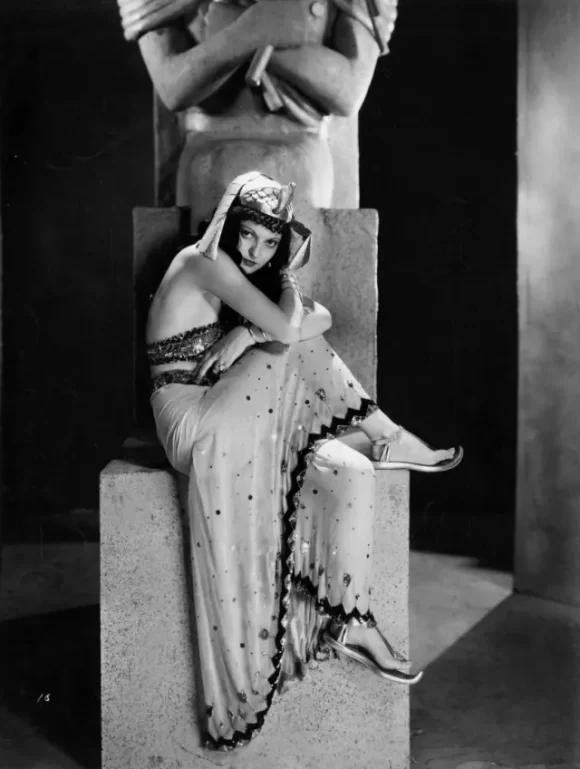
Despite this, Johann is captivating as both Helen and her original self, Imhotep’s beloved Princess Ankhesenamun. The otherworldly quality of her performance may stem from her actual belief in reincarnation. Either way, she seemed the type of woman worth angering the gods for and waiting centuries to reunite with. The movie and Johann leave us wondering at the film’s end, are we looking at Helen or Ankhesenamun? We’re still waiting for the answer.
—
Claude Rains as Jack Griffith/The Invisible Man –The Invisible Man (1933). Other actors on this list may have had to act with their face partially covered by Jack Pierce’s makeup, but Claude Rains was either completely covered from head to toe, or nowhere on screen during 99.9% of his performance in James Whales’ adaptation of H. G. Wells’ The Invisible Man. Rain’s Dr. Jack Griffith is already afflicted with his invisible formula when we meet him, wrapped in bandages and fake facial appliances, determined to find a cure.
His frustration with the nosy landlords and patrons of a small-town inn goes from mild annoyance to murder rather quickly. Rain’s mellifluous voice does nearly all the character work, while John P. Fulton’s jaw-dropping special effects provide the spectacle.
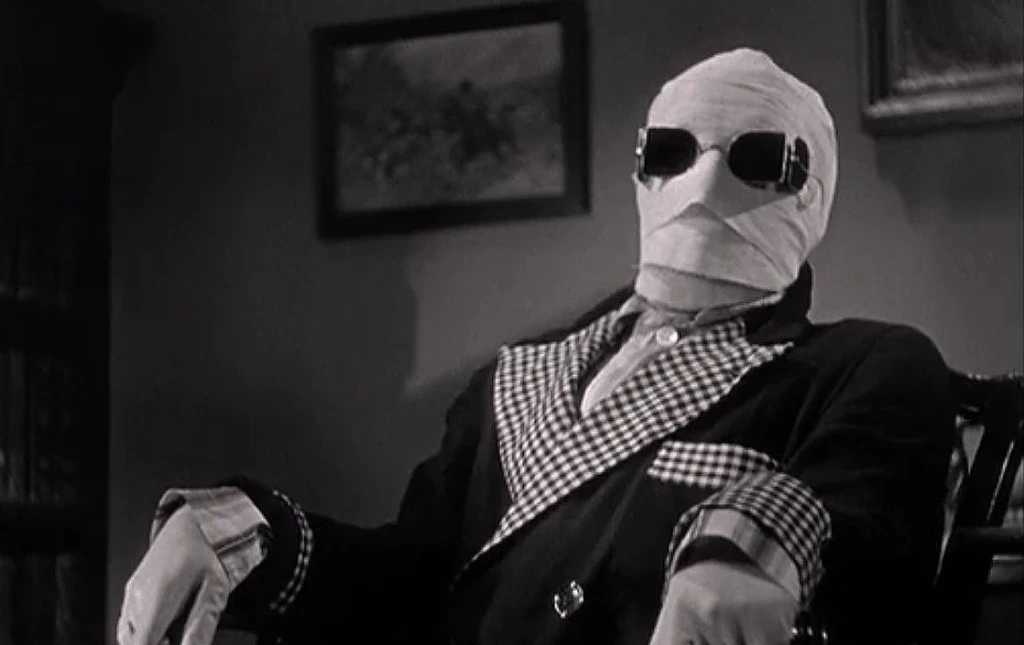
Rains conveys Griffith’s growing madness as he changes motivations from a possible cure to full-blown world domination. Griffith is the Universal Monster with the biggest body count, derailing an entire train full of passengers as he cackles with delight. Despite it all, Rains keeps us engaged, hoping some part of the real Griffith will emerge through the insanity. Rains would have memorable roles as Sir John Talbot, father of The Wolf Man and in the title role of The Phantom of the Opera color remake, but it’s The Invisible Man that remains his signature horror role.
—
Ernest Thesiger as Dr. Septimus Pretorius – Bride of Frankenstein (1935). Thesiger plays the role of Henry Frankenstein’s former mentor Dr. Pretorious in a way we’d call “arch” nowadays. Over-the-top campy but nonetheless sinister, Thesiger steals every scene he’s in. His old protégé James Whale goes for extreme lighting on Thesiger’s long, strangely shaped features, which only adds to the creep factor. Pretorious is the devil, tempting Henry back into his monster madness. Historians have also commented that Pretorius represents a gay element pulling Henry away from his new wife, apt as both Whale and Thesiger weren’t exactly closeted about their orientation when that was rare, even in Hollywood.
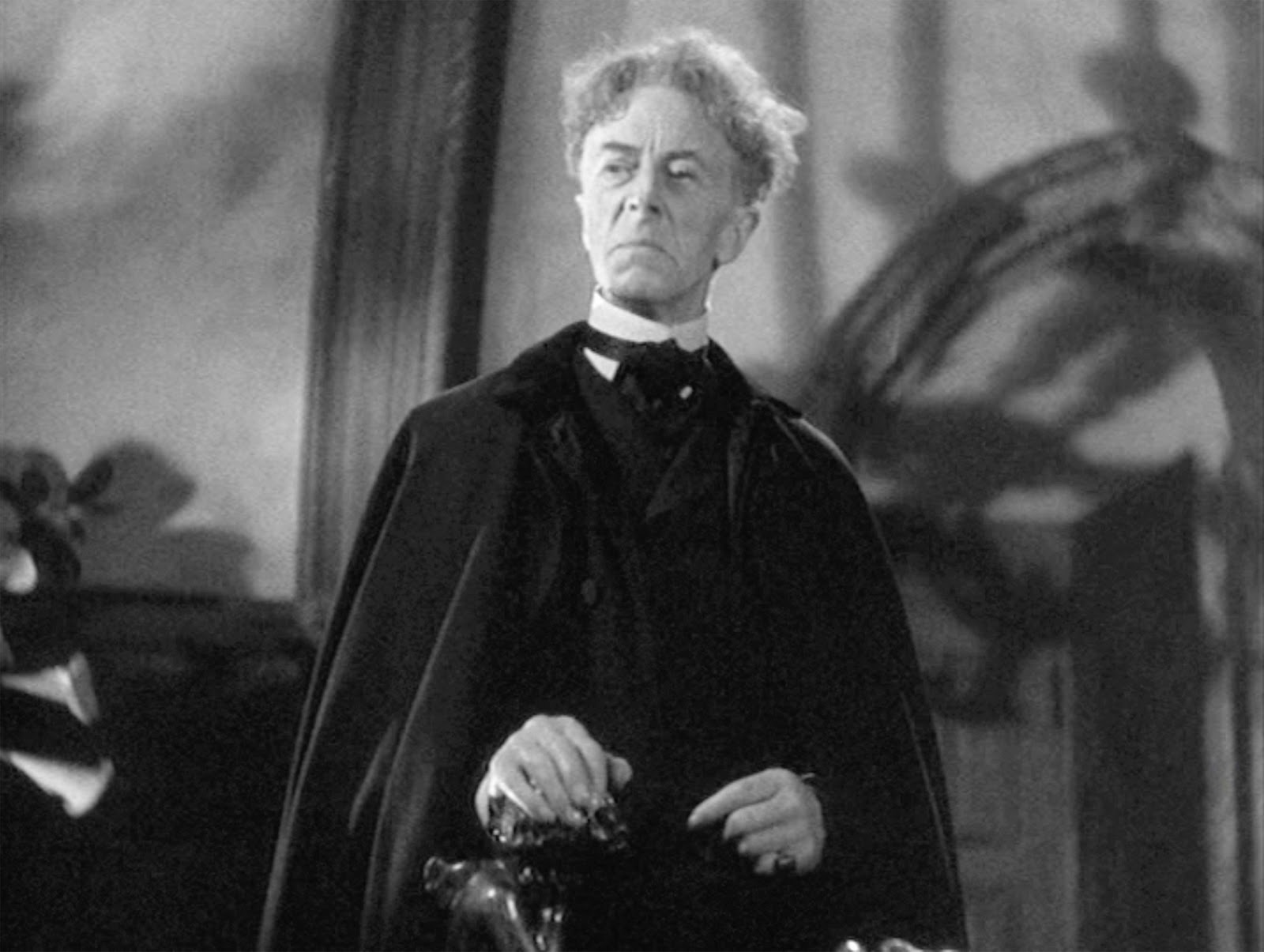
His humorous conversation with Karloff’s monster in the tomb about creating a wife for him is a highlight, as is the dripping disdain and sarcasm when Thesiger mentions “your Bible stories” to Colin Clive’s Henry. His exuberant announcement of “The Bride of Frankenstein!”, bells ringing in the background, as we meet Elsa Lanchester’s title character is exceptional.
—
Elsa Lanchester as Mary Shelley/The Monster’s Mate – Bride of Frankenstein (1935). She’s only on screen for a handful of minutes, but Elsa Lanchester’s Bride is nothing short of iconic. Once again enhanced by Jack Pierce’s peerless monster design, Lanchester mesmerizes in a pantomime series of movements that evoke thoughts of a strange newborn animal. Lanchester said she was inspired by the movements of swans in her portrayal. When the monster approaches, her “ACK!” sound is the first sign things aren’t going to go well for the proposed newlyweds. When he touches her hand, and she belts out that piercing scream, her mouth as open as humanly possible, we know it’s all over.
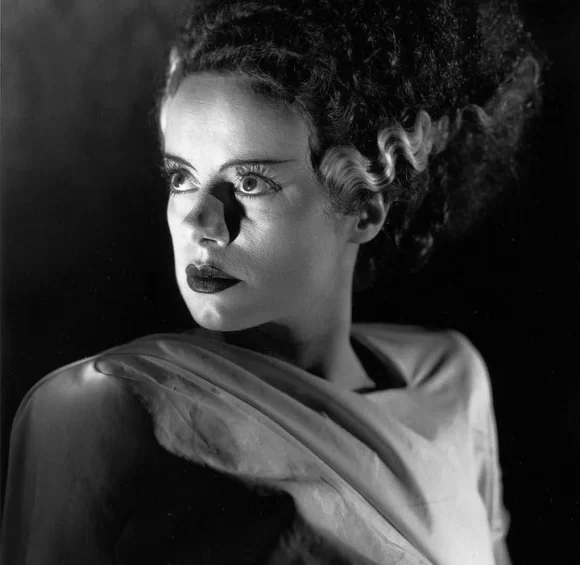
But Lanchester had a role earlier in the prologue of the film as well, that of Frankenstein’s true creator, Mary Wollstonecraft Shelley, telling her husband Percy and friend Lord Byron why she crafted the blood-chilling tale of the monster-maker in the first place. Not only as a tale of terror, but a warning to not meddle in matters best left to God. Whale allows her to get this out of the way, so he can go off to have his blasphemous fun in the rest of the film.
—
Bela Lugosi as Ygor – Son of Frankenstein (1939), Ghost of Frankenstein (1942). 180 degrees from Dracula you will find Bela Lugosi’s performance as Ygor, thought by many to be his greatest role. The shaggy, broken-necked body snatcher couldn’t be further from the suave, regal Count. Once again aided by Pierce’s makeup, Lugosi disappears into the role… and steals the film right out from under stars Basil Rathbone and Boris Karloff as a mostly sidelined monster.
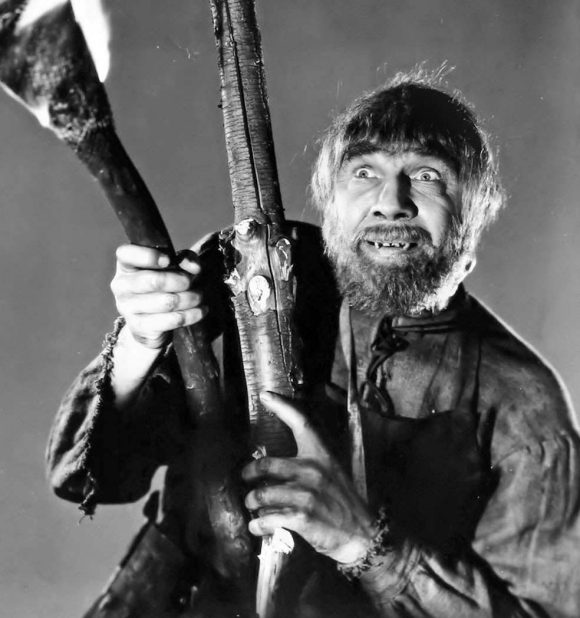
Ygor’s glee at enacting revenge on the men who hanged him is palpable, and Lugosi was having such a great time in the role, Son of Frankenstein director Rowland V. Lee just kept expanding his part. Despite his apparent and pretty final death, Ygor survived into the next movie, and became the brain inside the monster for the remainder of the films!
—
Lon Chaney, Jr. as Larry Talbot/The Wolf Man – The Wolf Man, Frankenstein Meets the Wolf Man (1943), House of Frankenstein (1944), House of Dracula (1945), Abbott and Costello Meet Frankenstein (1948). The linchpin of cinema’s first shared universe, Lawrence Talbot can be seen as the protagonist of the entire series as a whole… but fittingly, he’s also one of the monsters. Lon Chaney, Jr. brings an everyman charm to Larry Talbot when we first meet him, despite being the heir to a wealthy Welsh family. Screenwriter Curt Siodmak initially felt Chaney was miscast as the estranged son of Claude Rains, but when Larry is cursed with lycanthropy in The Wolf Man (1941), we feel his bewilderment and anguish over his unfair fate. Pierce transforms Chaney into a convincing feral beast, but there’s still enough humanity visible for us to see Larry through the fur and fangs.
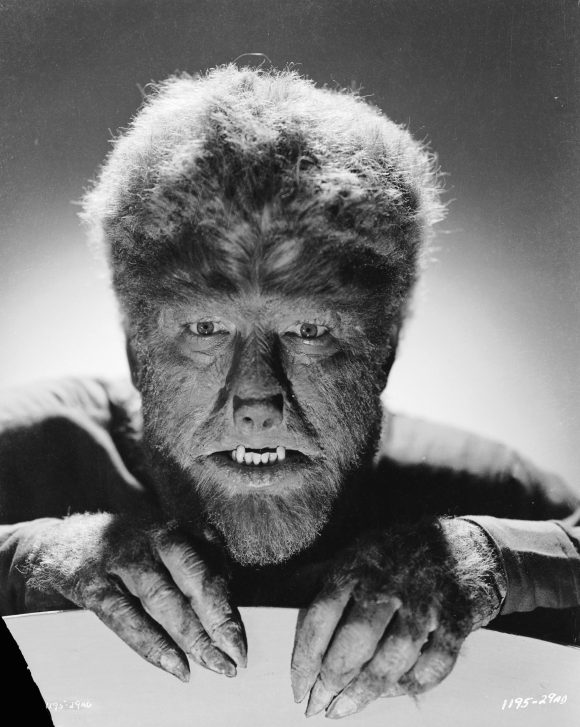
As Larry’s story continues across the connected “Monster Rally” films, we follow his psychological journey with the affliction. From just wanting to end his life and the curse, to actively seeking a cure, to accepting his fate and trying to thwart monsters worse than him, we side with Chaney all the way. No doubt his difficult upbringing and the shadow of his famous father’s legacy informed Chaney’s passionate but sometime surprisingly subtle, sympathetic performance. The Wolf Man made Chaney Universal’s most bankable horror star of the 1940s, and he played all the major monsters at the studio, from Frankenstein’s Monster to the Mummy (which he hated) and even Dracula. But the Wolf Man was his character, and as he put it, “my baby.” It shows how much he cared in each film.
—
Maria Ouspenskaya as Maleva – The Wolf Man (1941), Frankenstein Meets the Wolf Man (1943). In a role that could now be considered a racial stereotype, Maria Ouspenskaya elevates the Romani fortune teller Maleva beyond that simple designation. Maleva is the mother of fellow fortune teller Bela (played by Bela Lugosi) who bites Larry Talbot and passes the werewolf curse. Despite the fact that Larry killed her son, she still offers him counsel and tries to guide and help him as he begins to endure his hellish existence.
Ouspenskaya is convincing as the wise elder, fully aware of the situation the higher-stationed men in the film are befuddled by. When she confronts Larry’s father (played excellently by Claude Rains) and bitingly questions how much he actually believes in the supernatural, she cuts through the reason and reserve that has stymied Larry and Sir John Talbot throughout the picture. The poem she recites over the bodies of both Bela and Larry is poignant and timeless.
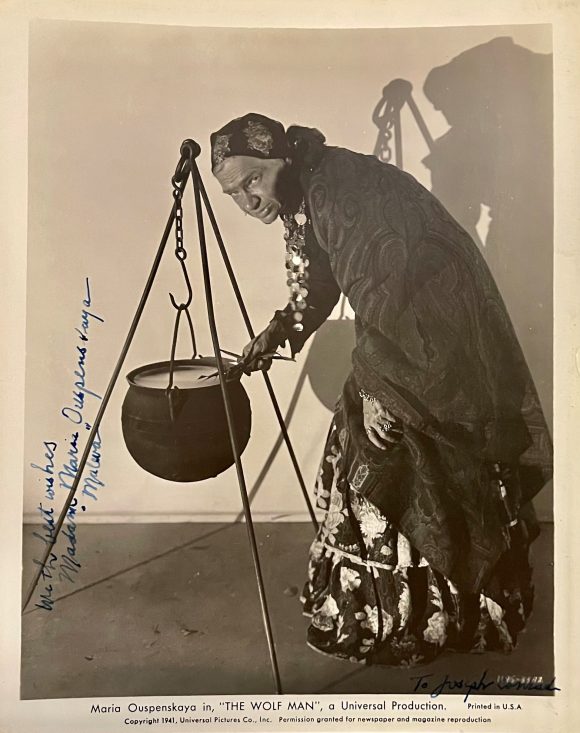
Maleva’s tearful reunion with the resurrected Larry in Frankenstein Meets the Wolf Man is heartfelt. Her role as surrogate mother is elevated in this film, as she guides Larry toward a way to finally end his life and his curse. Unfortunately, Ouspenskaya’s character gets lost in the monster mash the movie becomes as it nears its end, but her graceful impact on the franchise is assured. Fittingly, Ouspenskaya was known as a famed acting teacher as well, tutoring many famous faces in the field, and influencing other teachers in the process.
—
MORE
— LINCOLN MONSTERS Have Risen From the Grave! Click here.
— 13 FAMOUS MONSTERS COVERS: A Forrest J. Ackerman Birthday Celebration. Click here.
—
13th Dimension contributor Chris Franklin is a graphic designer, illustrator, writer, and podcaster, who co-hosts and produces several shows on the Fire and Water Podcast Network, including Super Mates, featuring the annual Halloween series House of Franklin-Stein. Check out his illustrative and design work at chrisfranklincreative.com.

October 11, 2025
I love these films. I’m a Gen-Xer (born in 1973), and for some reason, these movies seemed to be everywhere in the 1970s and early 1980s. Being shown on Saturday late night horror movie shows on the local UHF station. Monster magazines. Tons of books (like the Crestwood series) that I checked out of the library over and over again. Toys (like the Remco action figures). Universal Monster movies plus Star Wars and DC Comics were the pop cultural foundation of my childhood.
October 12, 2025
My wife worked at the local town library and rescued several of those Crestwood books for me. I don’t remember them from childhood, but I can just imagine how awesome it would have been to have read them back then!
October 11, 2025
Excellent character reviews, Chris. I watch the Universal Monster movies year round. Furthermore, it took me decades to realize The Bride was also Mary Shelley in that movie!
October 12, 2025
Oh I watch them year round too. They just seem to have more cultural cache this time of year. Elsa Lanchester does look quite different as Mary Shelly!
October 11, 2025
Great job on this, Chris. Saw The Mummy on TCM for the first time a few years ago. Holds up incredibly well and is creepy as can be. Side note: As a youngster, I was positive the Wolf Man lived under my bed and could not be convinced otherwise (thanks a lot, Lon).
October 12, 2025
I’m with you Jeff! At four years old, I made it through the first few minutes of Abbott & Costello Meet Frankenstein, but when Lon Chaney changed into the Wolf Man, I was terrified and had a screaming fit. My parents had to turn it off!
October 12, 2025
In a list like this prolific bit player Una O’Connor deserves some mention, for her zaniness if nothing else, in both The Bride of Frankenstein & The Invisible Man. She stole every scene in which she appeared.
October 12, 2025
Una O’Connnor is a bit controversial among Universal monster fans. Some love her (like director James Whal), some think she’s a bit TOO over the top. Although I appreciate her contributions, I’m more in the later camp, so that’s why she didn’t make my particular list.
October 12, 2025
Some great movies there. I’m 65 and find, these are more relevant and far more pleasing than what Hollywood churns out these days.
October 12, 2025
I don’t think any of the horrors today have the pathos that the Universal Monsters did. More modern films like An American Werewolf in London (which is still nearly 45 years old) combine the gore with the sympathy, but those are few and far between.
October 12, 2025
THANK YOU !!!
What an excellent portrayal of the monsters I have appreciated since I was 12 ( now 64).
I would race of the school bus and run home to catch Dark Shadows at 4:00 every afternoon and then dream that a werewolf was coming thru the kitchen window after me thus wake in the middle of the nite screaming my head off only to repeat the whole thing over and over and my parents let me watch dark shadows over and over never missing an episode !
As for your presentation, AWESOMENESS – PURE AWESOMENESS !!!
As a teen, we finally got a rotary antenna and every Saturday nite I would spin that baby toward Pittsburgh Channel 11 for Chiller Theatre and arm myself with an 8 pack of coke ( glass bottles) and settle in with Chilly Billy Cardille for the shear entertainment of any of the monsters you highlight. Love it !
Any reason that tv land has allowed these to slip away ?
I have a “smart TV” and can search and still find some of these yet sadly to say are few and far between…. I always made sure I had the latest monthly copy of ” FM” – Famous monsters of filmland – what a treat !
I can’t thank you enuf for your time to post this – takes me back in time !
October 12, 2025
Thank you Sam. I really envy the folks who got to run home from school and watch Dark Shadows, and see all those great horror hosts show these wonderful movies. I think I was born a decade or two too late. My dad got into watching Dark Shadows first run when he came home from work, and a decade later told me about this weird soap opera he watched with a vampire, ghosts, witches, werewolves, etc. It sounded so awesome! I’m glad I finally got to watch all 1225 episodes a few years back thanks to streaming.
October 12, 2025
I was also born in 73 being the youngest of 8. My parents were born in 1930 and 1932. Growing up in the time of the slasher films, usually during halloween my mother would always have on the original Universal Monsters. I would sit and watch with her as she told me about the actors who played them. She knew about their parents, their careers and had a great love for them. I absorbed this knowledge and became an admirer of them as well. Through the years I have continued the tradition my mother began with family and friends. The Universal Monsters along with the original Star Wars are my earliest and most beloved movie memories. Thank you for your article, I could hear my mother and see her smiling as I read it. She loved the wolfman and always defended him because he didn’t have a choice.
October 12, 2025
That’s wonderful that you have those great memories of your mother, and it’s so nice that she shared these movies with you. And I’m with her on the Wolf Man, my personal favorite monster and film. My grandfather told me that he saw Frankenstein in the theater when it was released (he was 11). On the walk home, a man stepped out of the shadows and asked him for a light. My grandfather was so spooked by the film he ran the rest of the way home!