
A 60th ANNIVERSARY smash, baby!
By GARY STERN
By the second half of the 1960s, the heyday of jazz was dimming fast and its commercial appeal was of serious concern. Giants like John Coltrane, Miles Davis and Wayne Shorter were still dropping albums that would go down as classics. But the meteoric rise of the Beatles, Rolling Stones and Bob Dylan had quickly shifted the cultural landscape – and nabbed the attention of record-buyers.
Hip sub-genres, jazz fusion and jazz rock, emerged to electrify jazz recordings and capture younger fans. One style that took off in the mid-’60s was “soul jazz,” mixing elements of soul and R&B with bebop. A soul jazz stylist who saw some success was a New York City native named Freddie McCoy.
McCoy played the vibraphone, made famous by Lionel Hampton decades earlier. McCoy would record eight albums between 1965 and 1971 before dropping out of sight, possibly to focus on a career as a flight instructor.
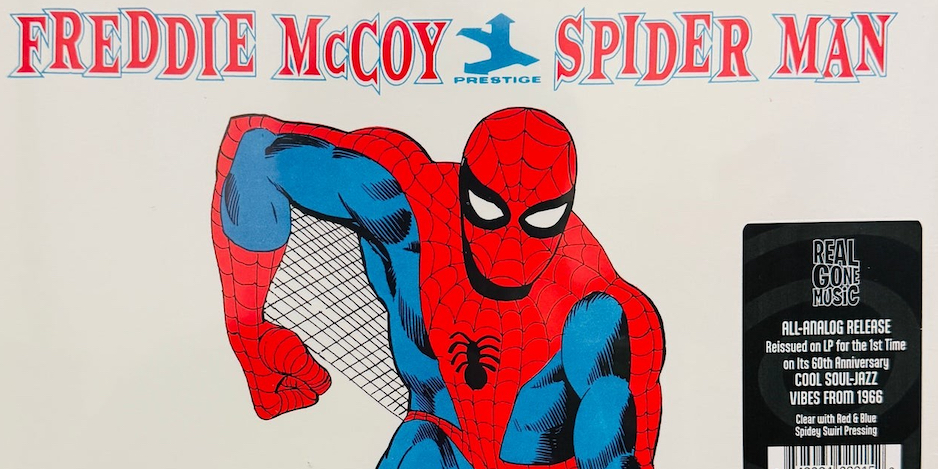
His second album, released 60 years ago in ’66, would become something of a cult classic. It was called Spider Man (yes, no hyphen) and its cover featured a classic image of Spidey by Steve Ditko.
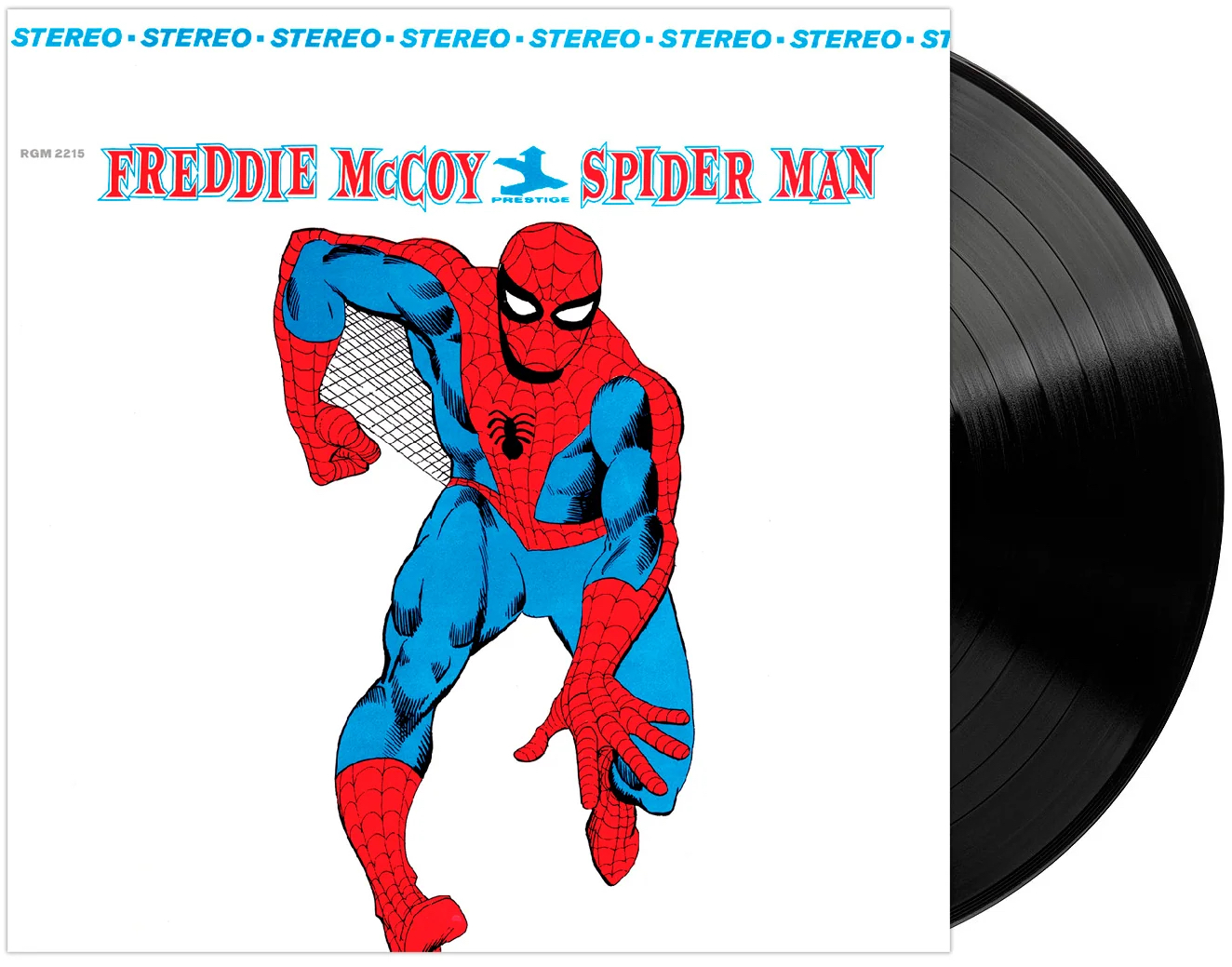
The album was re-released on CD several times in Japan between 1999 and 2014. But it was just reissued here, on vinyl, in October 2026 by Real Gone Music, a label out of Orange, California, that brings back overlooked and cult classics.
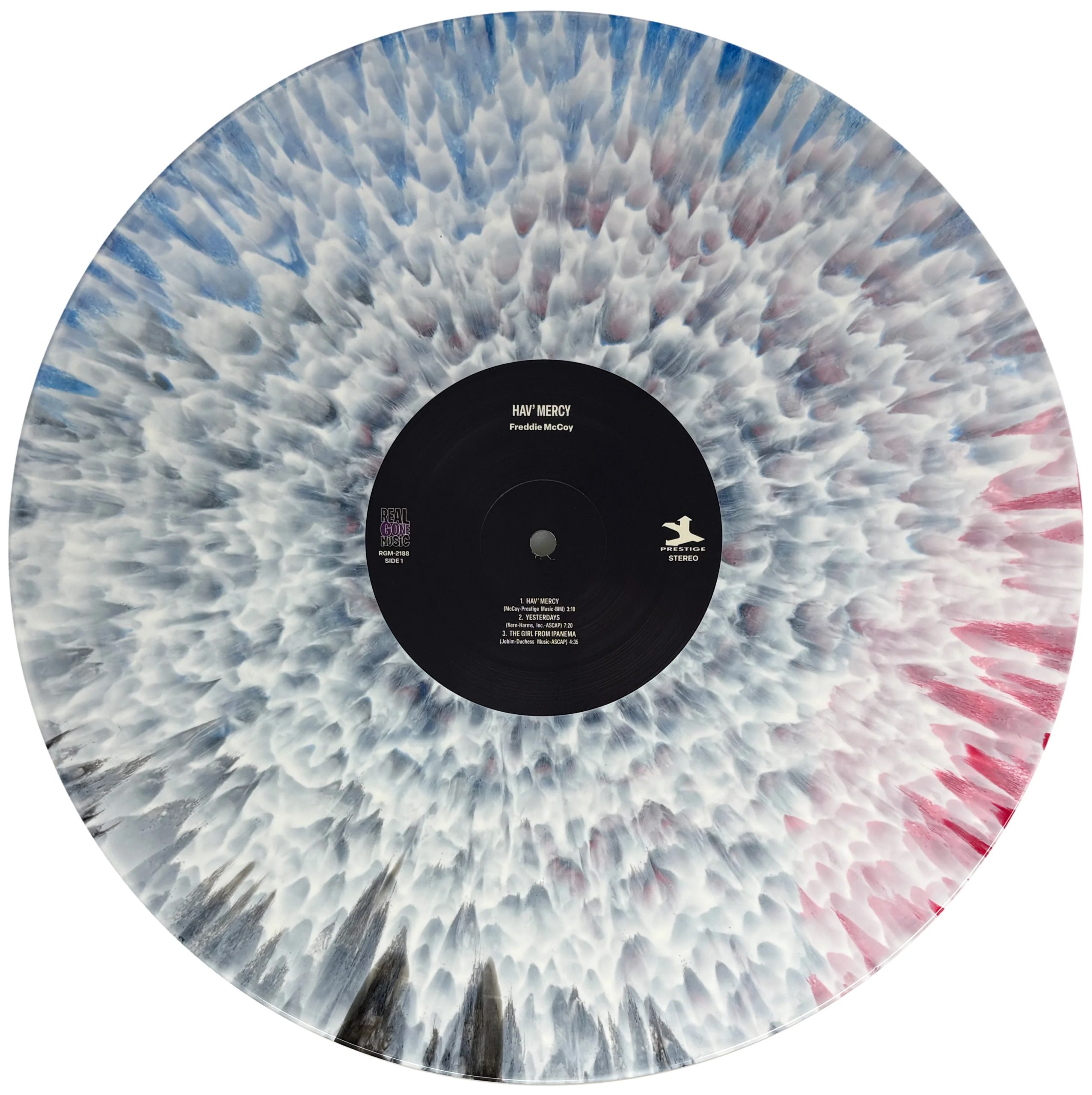
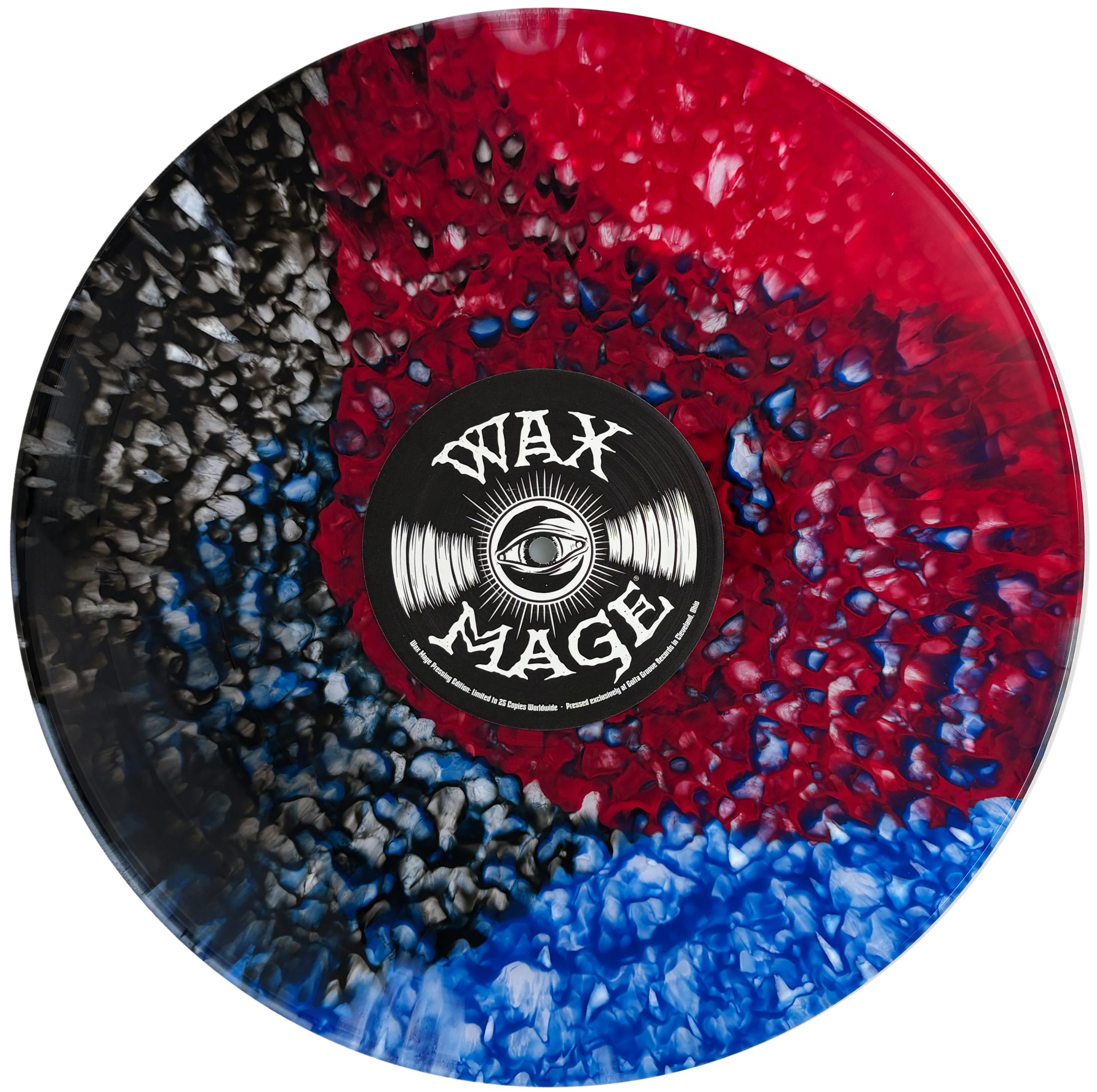
The reissue — featuring black, “Spidey swirl,” and “Wax Mage” vinyl — sold out in a flash. But more are on the way soon, Real Gone Music told me.
“We saw that there was demand for the album in used markets and figured the cover alone would draw in consumers,” a company spokesperson said. “We did not know when we scheduled the release that the Spider-Man film (Brand New Day) would be such a big hit, adding to demand.”
Spider Man was originally released on Prestige Records, founded in 1949, one of the major independent labels when the giants of jazz roamed the earth. It recorded greats like Davis, Coltrane, Sonny Rollins, Stan Getz and Thelonius Monk. During the ’60s, Prestige leaned into organ-heavy “soul jazz,” which was where McCoy came in.
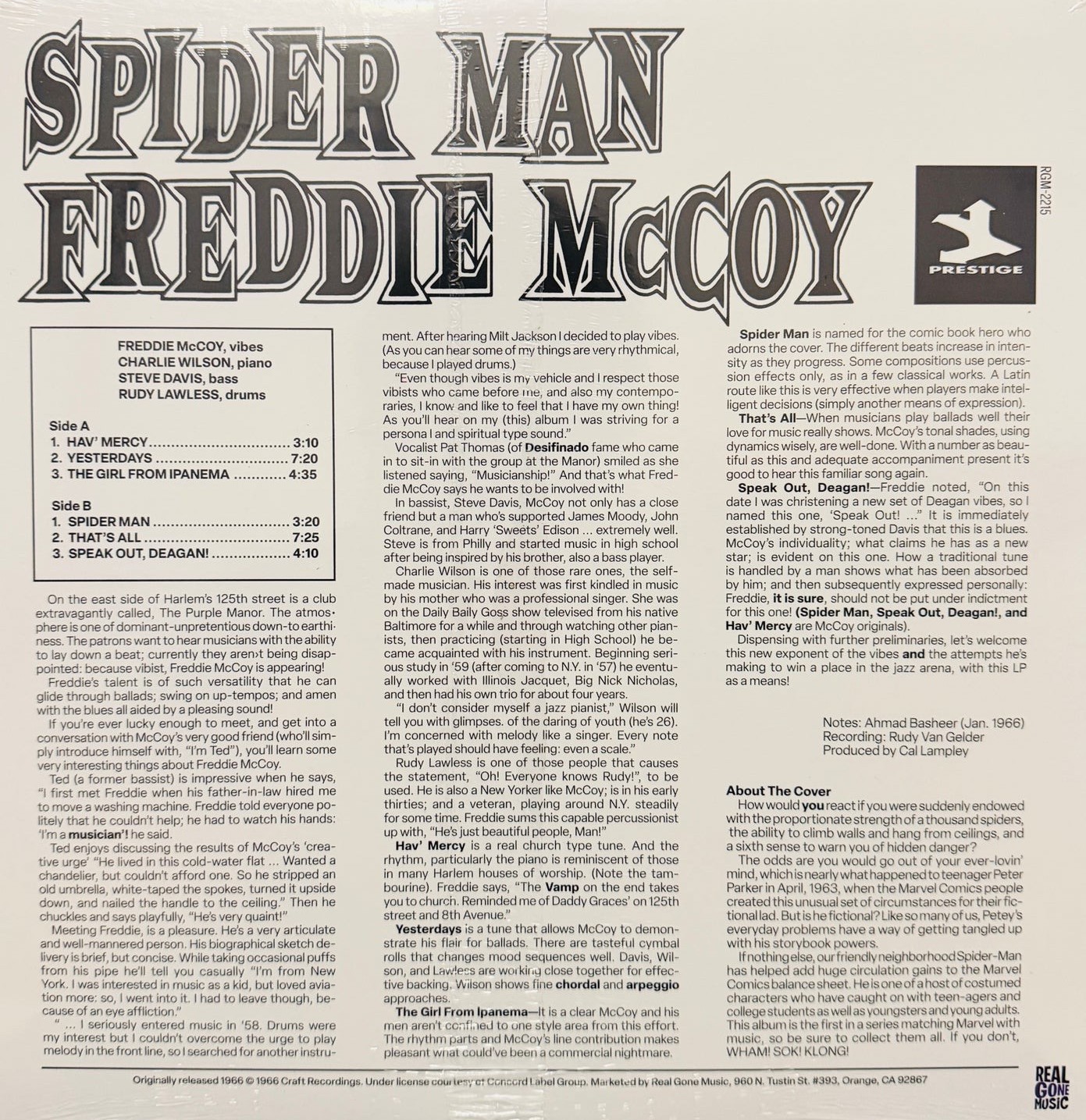
The all-instrumental album – with six tunes clocking in at a brisk 30 minutes – featured a song called “Spider Man” (again, no hyphen). The other tunes had no link to Marveldom.
Interestingly, the back cover of the album promised that Spider Man would be the “first in a series matching Marvel with music, so be sure to collect them all. If you don’t, WHAM! SOK! KLONG!”
But the series ended with McCoy’s album. No Fantastic Four quartets or Hulk horn attacks. What happened? It might take some Doctor Strange time travel to figure it out.
Prestige was sold in 1971 to Fantasy Records, which was acquired in 2005 by Concord Records, billed as the “world’s leading independent music company.”
The Prestige label and its recordings are now overseen by Craft Recordings, part of Concord and a prominent reissuer of great wax from old-time labels like Stax, Savoy and Vanguard.
I reached out to Concord and Craft to ask whether any records exist about the brief relationship between Prestige and Marvel during the 1960s. It was a shot in the dark at best, and I got no response. Real Gone Records didn’t know anything about the roots of McCoy’s record.
Here’s what we do know: The album was recorded Oct. 6, 1965, at the famed Van Gelder Studio in Englewood Cliffs, New Jersey. The studio – founded by Rudy Van Gelder, an optometrist and jazz fan who started off recording local musicians for fun – was the birthplace of some of the greatest albums in American history, including Coltrane’s A Love Supreme and Rollins’ Saxophone Colossus.
Spider Man has a gently soulful, swinging groove. McCoy’s vibes, accompanied by piano, bass and drums, go down so easy that the disc could well appeal to those who don’t dig jazz.
The most brisk tune on the album is “Spider Man,” (again, no hyphen) which shuffles and swings with some samba flair. It’s easy to imagine the tune accompanying some web-swinging around the city. Mary Jane might even have grooved to it at a fondue party.
The album also features the instantly recognizable, hip-swaying, bossa nova “Girl From Ipanema,” which won the Grammy for Record of the Year earlier in 1965. The tune, composed by Antonio Carlos Jobim, is among the most covered songs in history, but McCoy makes it sound like a natural on the vibes.
Some might recognize “That’s All,” a jazz standard and widely covered tune that was popularized by Bobby Darin in 1959. Nat King Cole, Frank Sinatra, and even Teddy Swims, are among the many who have taken a shot at it.
The album’s finale — “Speak Out, Deagan!” — is a reference to McCoy’s instrument, the Deagan vibraphone.
McCoy, born in 1932 in New York City, made the last of his eight records in 1971, leaving the business before his 40th birthday. He died in 2009 at 76.
According to Allmusic.com, McCoy “was never a hit with the critics, spending most of his time laying down coolly funky grooves and covering contemporary R&B and pop tunes (or doing original material in a similarly accessible vein).”
McCoy reportedly learned to play the vibraphone in the Army and was a flight instructor in addition to being a vibes guy.
Spider Man was produced by Cal Lampley, who attended the Juilliard School of Music and produced records for the likes of Louis Armstrong, Miles Davis, Dave Brubeck and Leonard Bernstein.
You can only wonder what Lampley, who produced Davis and Gil Evans’ Porgy and Bess in 1958, thought of an effort to promote soul jazz by collaborating with Marvel. Spider Man’s liner notes, which introduced Peter Parker as having the “proportionate strength of a thousand spiders,” were pretty blunt about the partnership’s goal:
“If nothing else, our friendly neighborhood Spider-Man (the hyphen finally appears) has helped add huge circulation gains to the Marvel Comics balance sheet.”
WHAM! SOK! CHA-CHING!
—
For more info on Spider Man by Freddie McCoy and Real Gone Music, click here.
—
MORE
— SPIDER-MAN: A ROCKOMIC Celebrates 50 Years of Being Groovy. Click here.
— The TOP 13 POWER RECORDS LPs — RANKED. Click here.
—
GARY STERN is a writer and musicologist living in New York. He is one of only two 13th Dimension contributors who have ever seen inside the site’s cavernous subterranean headquarters.

November 22, 2026
I’m a big Jazz fan, and I love the vibes, but those songs are just OK. The recording is good (Rudy Van Gelder was one of the best recording engineers of the 60’s), but the songs just aren’t quite top level. Having said all that, the album is still VERY cool, and I love the idea!