
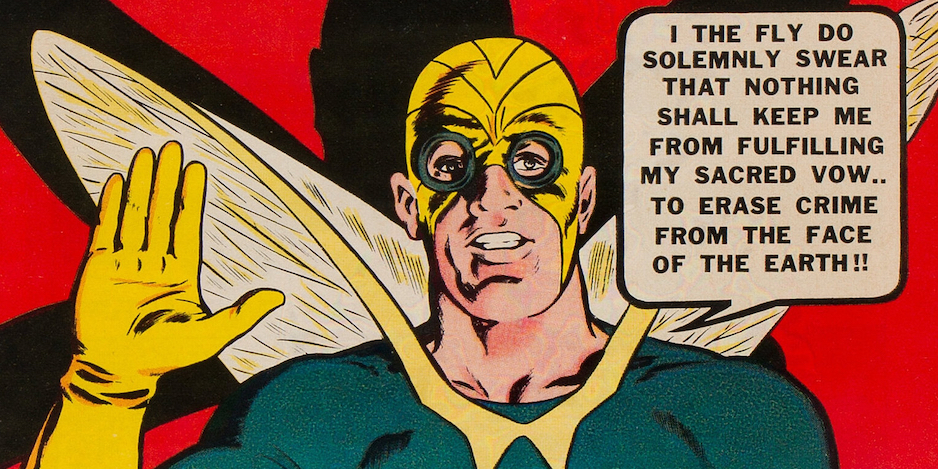
It’s not just the characters like the Shield and the Fly, it’s creators like Jack Kirby, Neal Adams, Alex Toth and so many more…
I love Archie Comics’ Facsimile Edition line. I’ve bought every issue so far and expect to buy every one still to come. I’m especially taken with the notion that they’ve expanded their offerings with foil covers, which shows that there’s obviously a market they’re hitting.
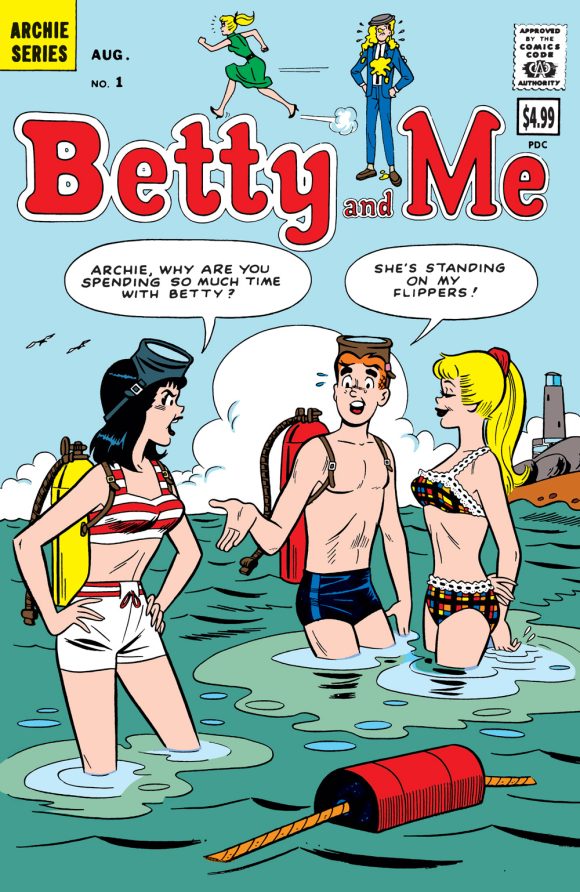
Understandably, it’s all been the Riverdale gang, with issues like 1964’s Laugh #166 and 1965’s Betty and Me #1. Makes all the sense in the world. But the publisher is leaving money on the table by ignoring its lengthy history with superheroes like the Shield, the Fly, Black Hood, the Hangman, and on and on.
I understand why Archie’s avoided them: No matter how many times it’s tried, from the 1960s to the 21st century, the company simply has not been able to find a reliable audience for the MLJ heroes/Mighty Crusaders.
But Facsimile Editions are a whole other animal and there’s a way Archie could market its considerable library of superhero titles to a waiting populace, one that skews older, knows its comics history and, most importantly, has disposable income: Focus on — and play up — the creators who made those comics.
We’re talking — and this is by no means a complete list — Jack Kirby, Joe Simon, Steve Ditko, Neal Adams, Dick Giordano, Alex Toth, Gray Morrow, Jack Davis, Bob Powell, Irv Novick, Rudy Nebres, Jack Cole, Rich Buckler, Charles Biro, Carmine Infantino, and Alex Nino. Oh, plus some guy named Jerry Siegel, and artists who helped build Archie in the first place: Harry Lucey and Bob Montana.
So many of these writers and artists have devoted fandoms of their own. Added to the cult appeal of the characters themselves, and you have a winning combination.
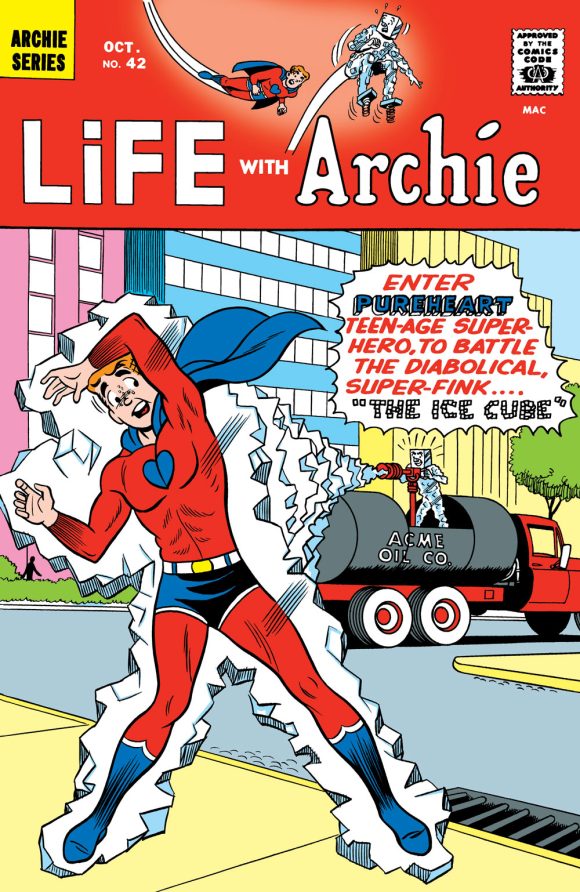
They’ve tiptoed to the line with offerings like 1965’s Life With Archie #42 — which introduced Pureheart the Powerful — but I’ve picked 13 ISSUES with which they could go all in.
The key thing is variety. The Facsimile Edition market is not monolithic; I could have easily picked 13 from the Golden Age and called it a day, but you absolutely cannot ignore Silver and Bronze Age fans, who are far more plentiful.
Dig these, in chronological order, with publication dates, from the 1940s to the 1980s.
—
1. Pep Comics #1 (Jan. 1940). The first appearance of the Shield, who beat Captain America to the stands, so this is a no-brainer. But the additional selling point is that the cover and main story are by the beloved Irv Novick.
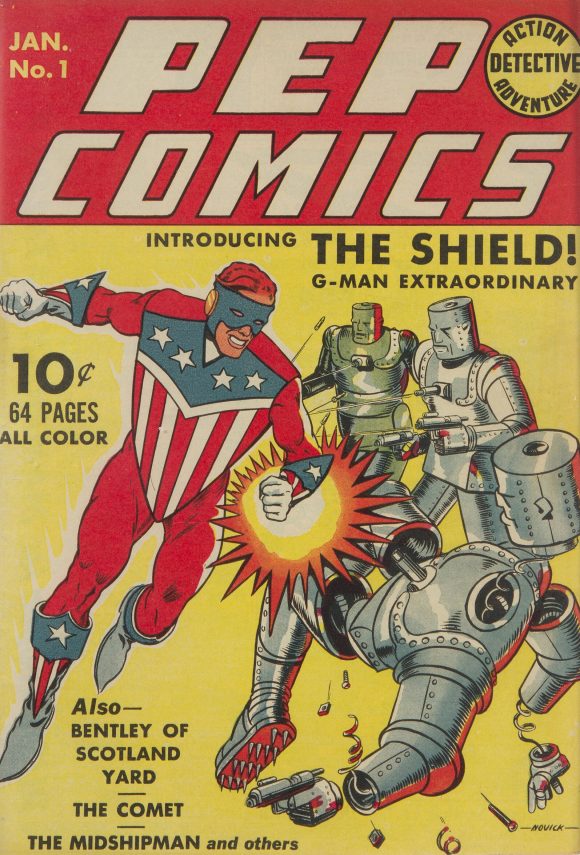
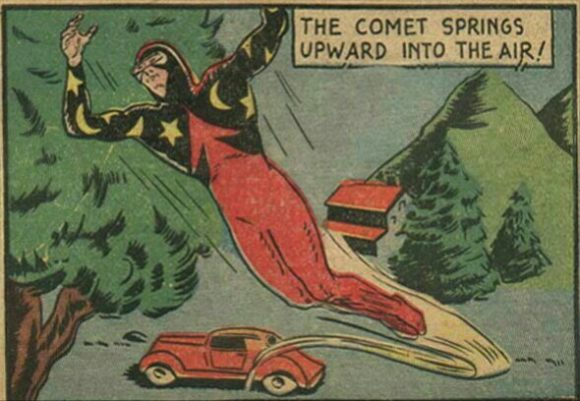
And get this, the ish also features the debut of the Comet — created by none other than Jack Cole, who gave the world Plastic Man:
—
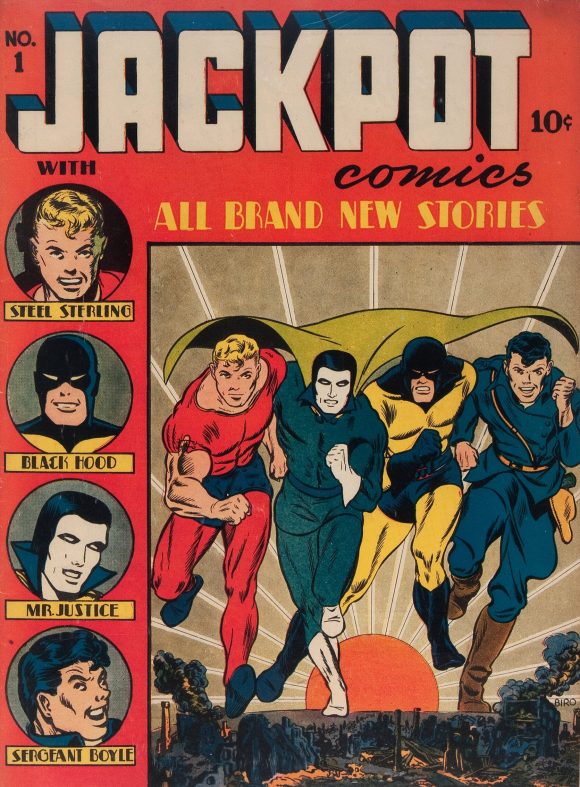
2. Jackpot Comics #1 (Spring 1941). Dig that cover by Charles Biro, who also did interiors. Novick is also in this one.
—
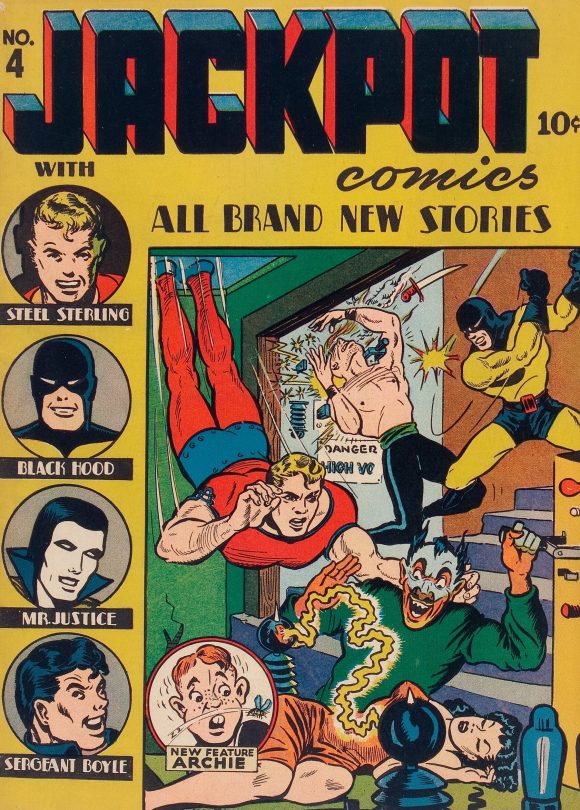
3. Jackpot Comics #4 (Winter 1941). Not just a Bob Montana cover, he does an Archie story inside. Plus, Irv Novick and others have credits here too.
—
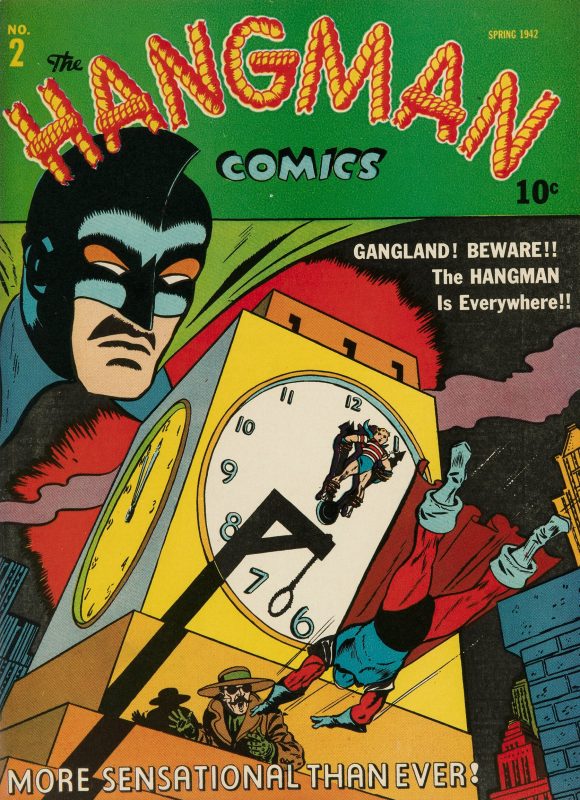
4. Hangman Comics #2 (Spring 1942). A Harry Lucey tour de force: the cover, plus two Hangman stories inside. There are also stories by Bill Woolfolk and art by Paul Reinman.
—
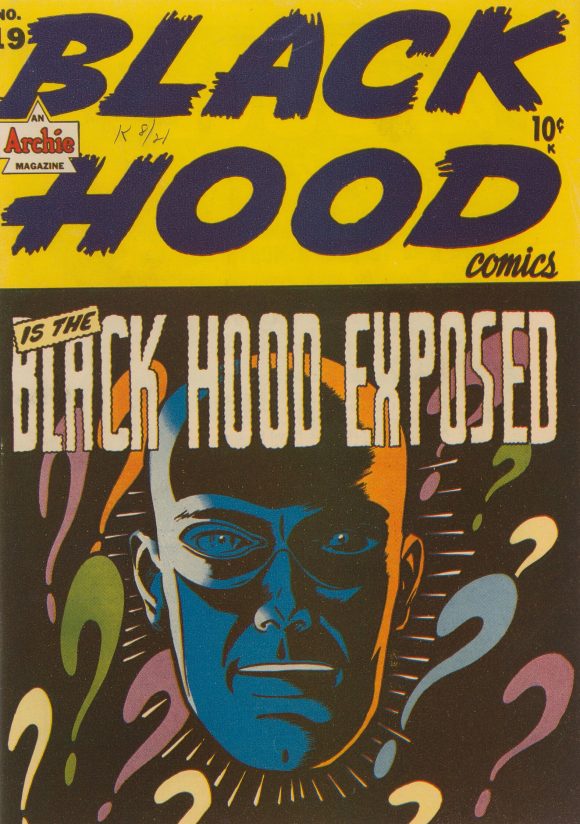
5. Black Hood Comics #19 (Summer 1946). Great covers sell as Facsimile Editions. DC does it all the time. So I imagine this Irv Novick beaut would be in demand — especially because he stretched his style here in a way that most fans haven’t seen. (He also did interiors.)
—
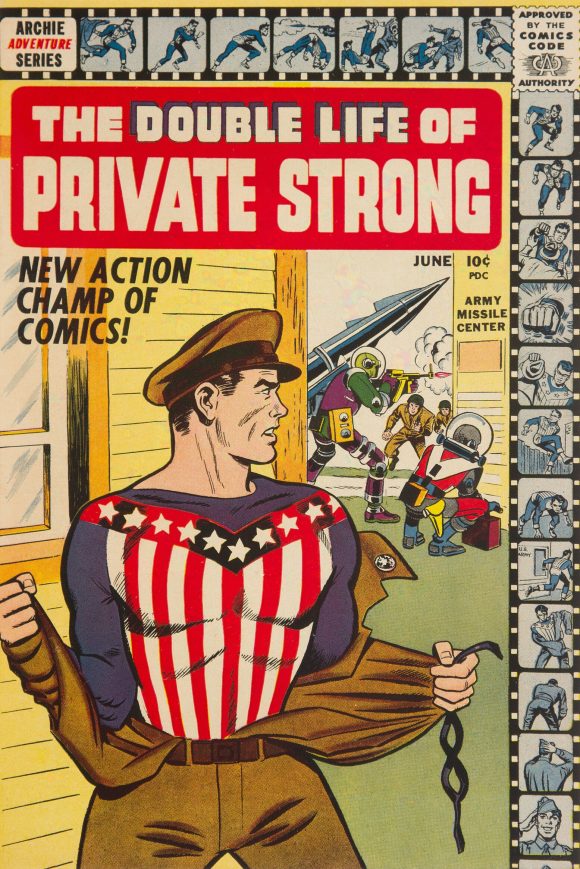
6. The Double Life of Private Strong #1 (June 1959). This entire issue was produced by Jack Kirby and Joe Simon. I mean, this sells itself, but I’ll add that there’s plenty of bang for the buck beyond that: There are eight stories and features — including the introduction of the Fly!
—
7. Adventures of the Fly #3 (Nov. 1959). This is the one I want more than any other. Just look at that Joe Simon cover — and then imagine it in foil! Other talents in the issue include Jack Davis, Bob Powell and Paul Reinman.
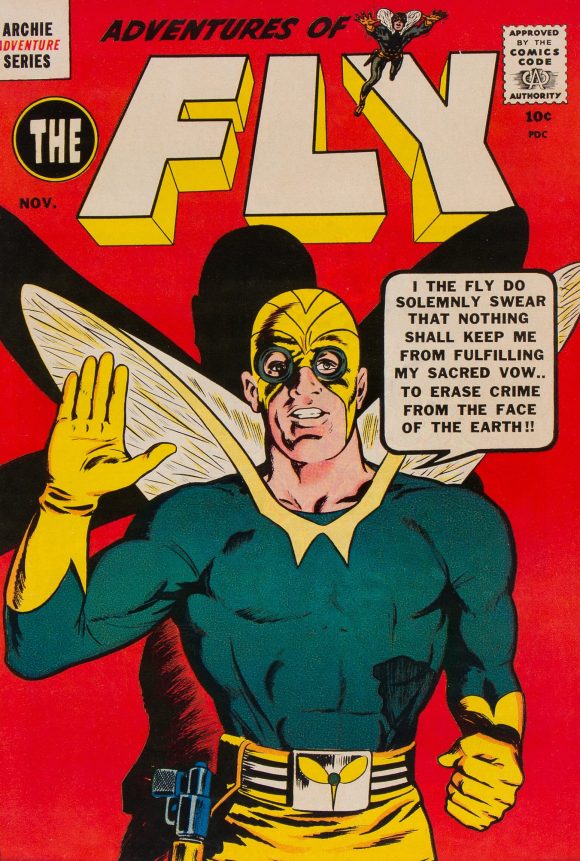
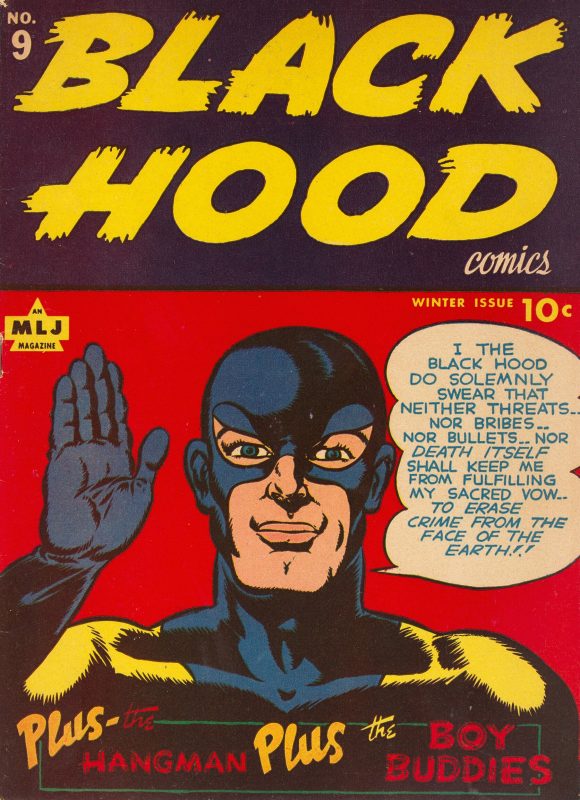
You could even release it in tandem with 1943’s Black Hood Comics #9, the cover’s inspiration:
—
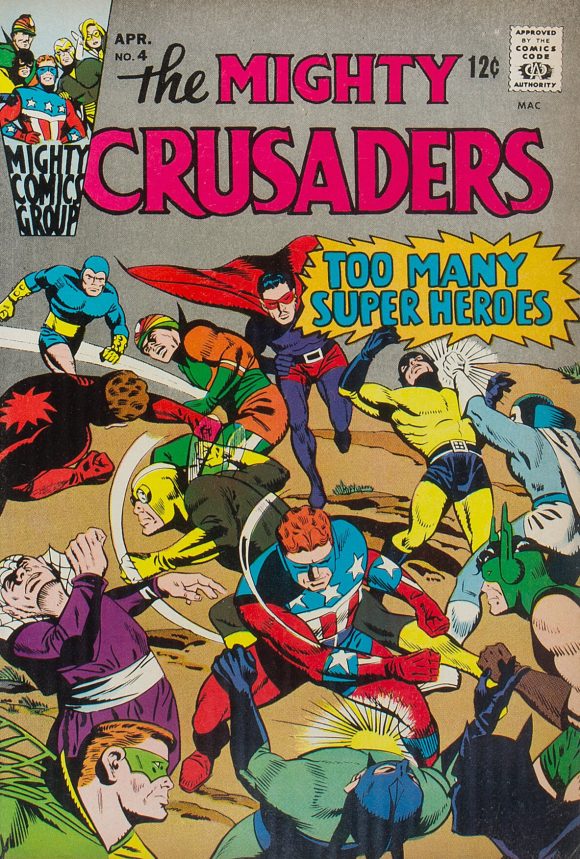
8. The Mighty Crusaders #4 (April 1966). This camp classic was written by none other than Jerry Siegel. Y’know, the guy who co-created Superman. Siegel wrote a bunch of Archie’s superhero titles in the ’60s but I note this one because virtually every MLJ hero makes an appearance. Cover and interior art by Paul Reinman.
—
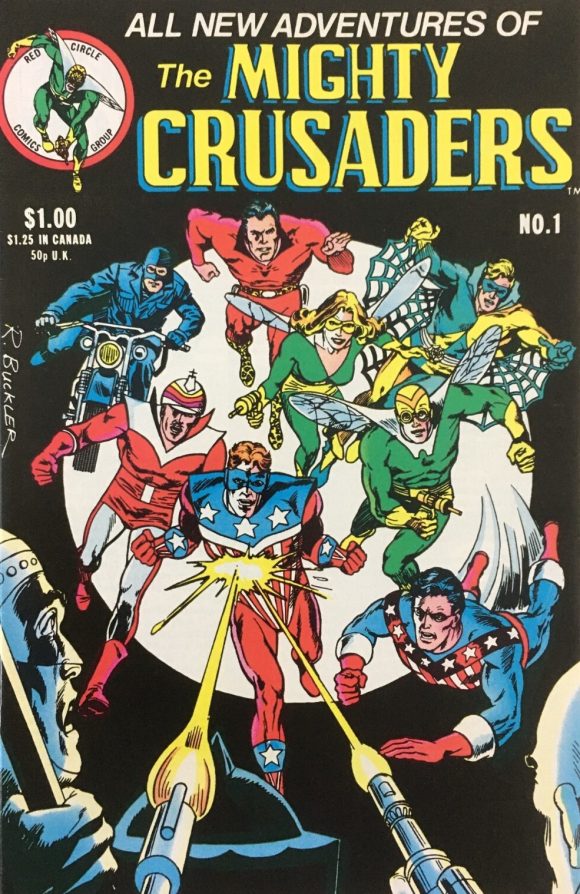
9. The Mighty Crusaders #1 (March 1983). Rich Buckler was central to the 1980s revamp of the line, and this issue is a fabulous primer on just who all these characters are.
—
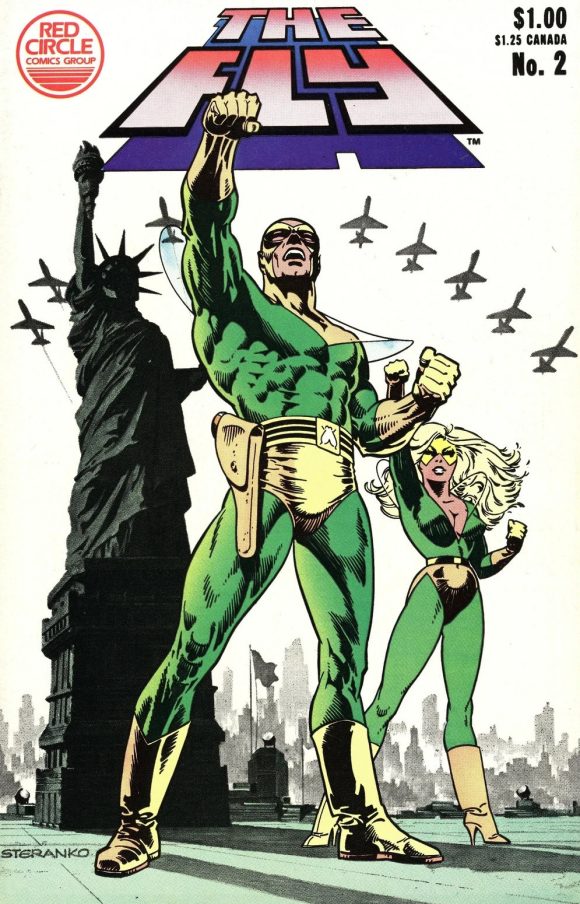
10. The Fly #2 (July 1983). Steve Ditko inside, and a Steranko cover. Come on.
—
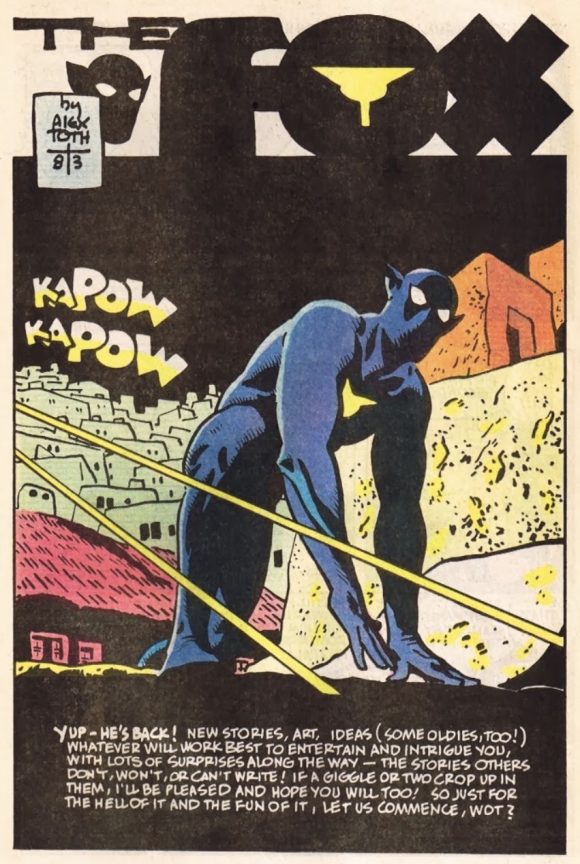
11. The Black Hood #2 (August 1983). Alex Toth on the cover, as well as interiors by Dan Spiegle.
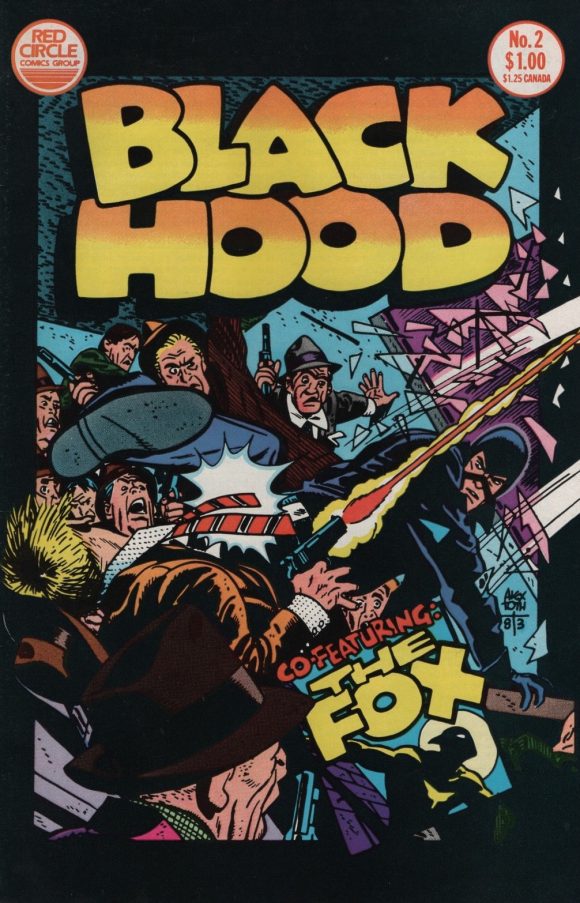
Plus, a Toth Fox story:
—
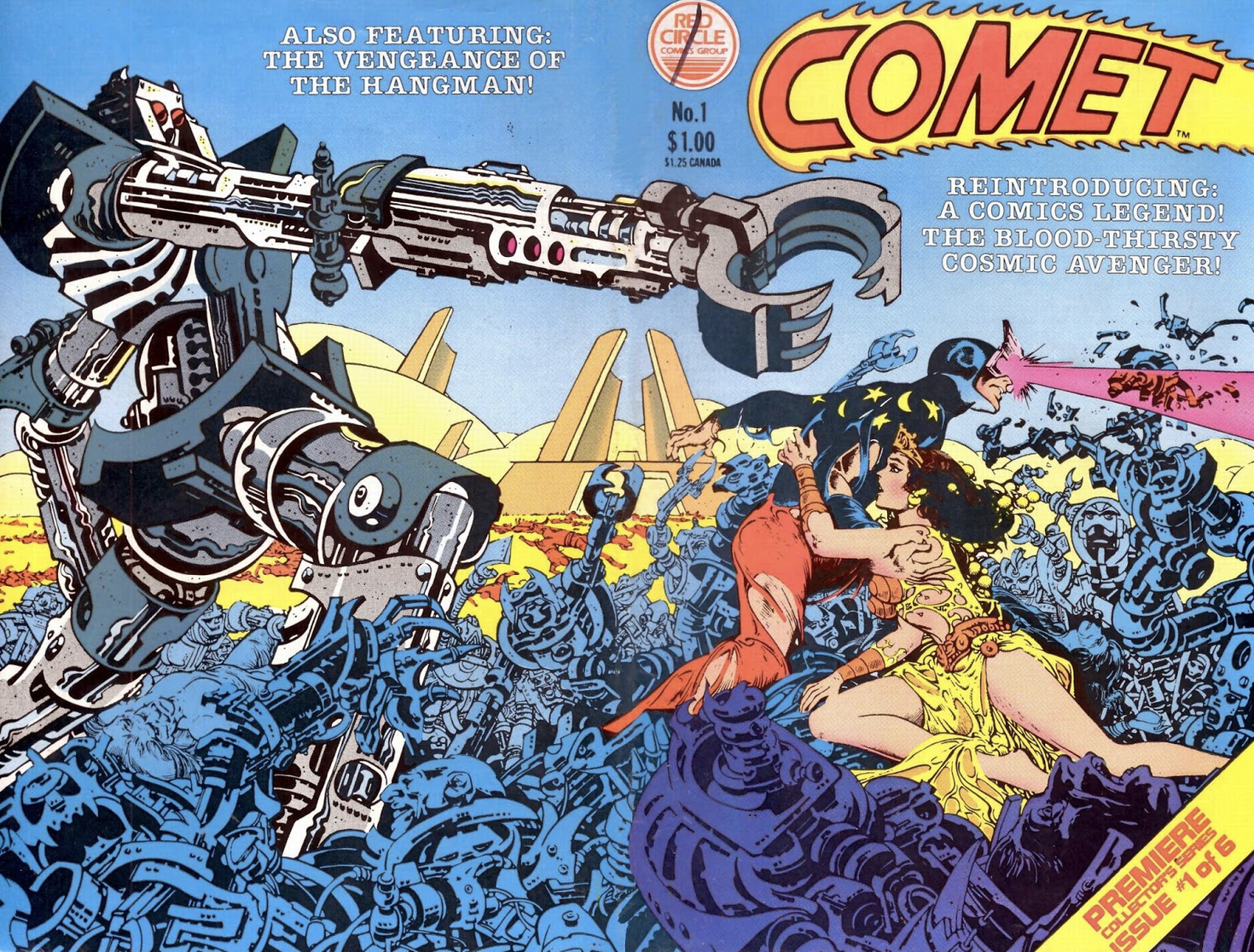
12. The Comet #1 (October 1983). A wraparound cover by Carmine Infantino and Alex Nino, who also do the issue’s main story. There’s also an Infantino/Nebres back-up.
—
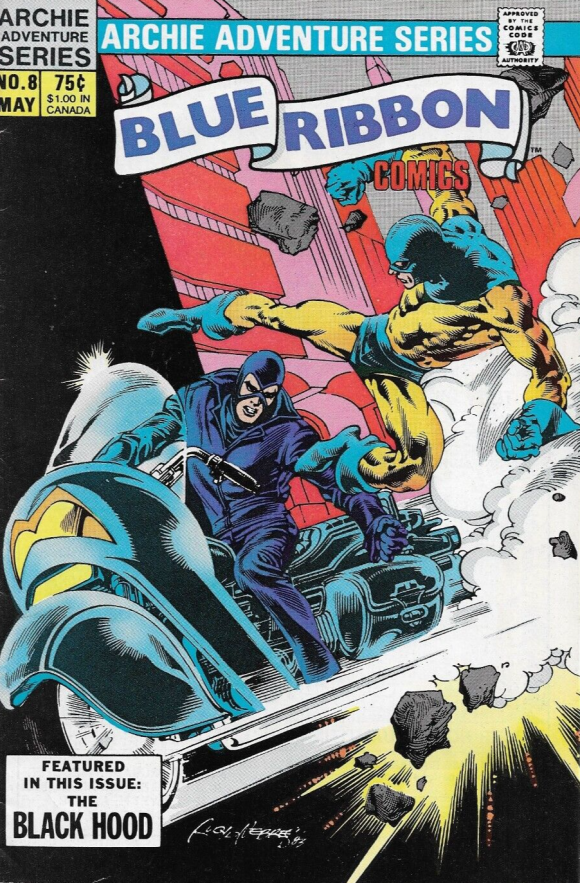
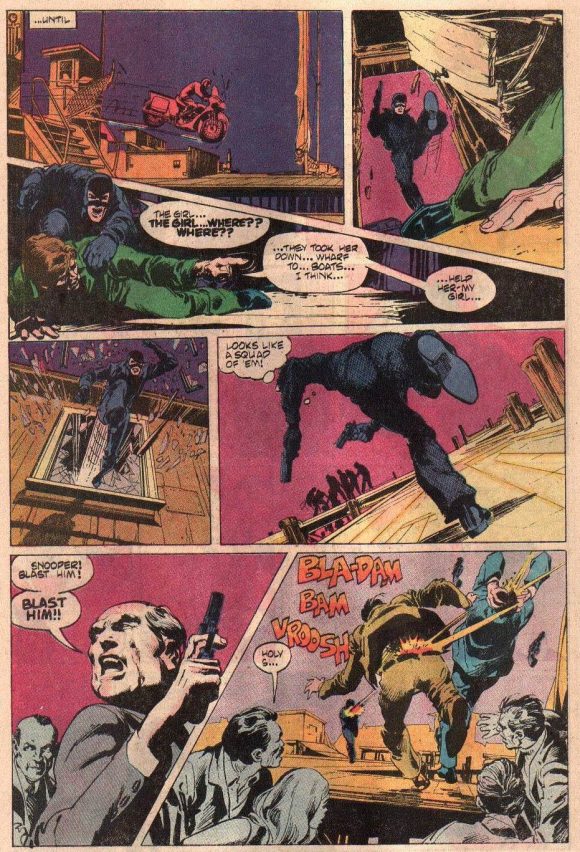
13. Blue Ribbon Comics #8 (May 1984). You have Black Hood vs. Black Hood by Rudy Nebres on the cover, and that’s very cool…
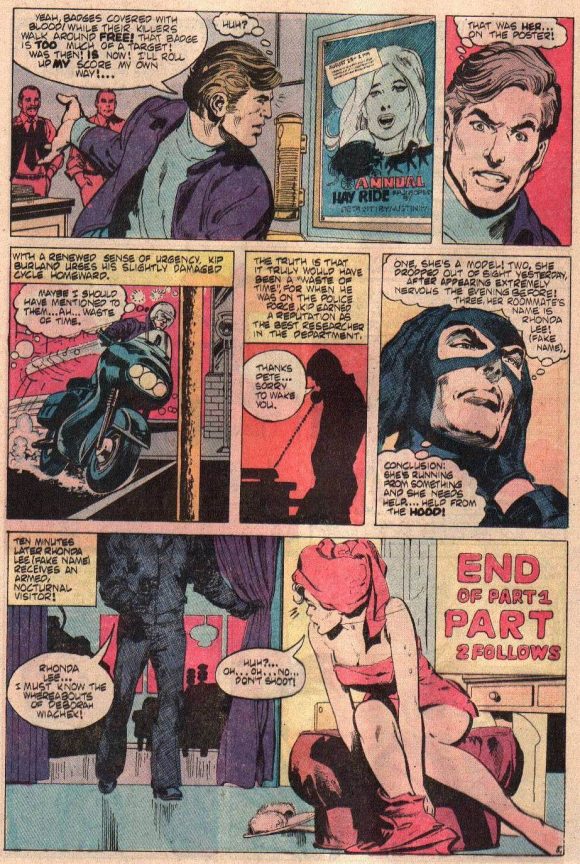
… but this ish also has Gray Morrow and Toth — and the titanic team of Neal Adams and Dick Giordano:
—
There are so many others, I’m sure I could list another 13 worthy of Facsimile Editions. And another 13 after that. Hell, I barely scratched the surface of the Silver Age, which I personally would want the most.
And think of the variant cover possibilities: Archie has two MLJ/Crusaders covers coming this fall — and they’re attached to Riverdale gang issues that just happen to feature Fly-Girl and Black Hood, respectively. (I recommend voting with your dollars and picking them up. The more interest readers show in these characters, the better.)
Come on, Archie. You’re so close. Jump on in. The readers — and buyers — are waiting for you.
—
MORE
— This New BLACK HOOD Variant Cover Could Be Your Gateway to Getting MIGHTY CRUSADERS Facsimile Editions. Click here.
— TRICK OR TREAT! Dig Archie’s BEN COOPER-Style FLY-GIRL Cover Coming for Halloween. Click here.

August 30, 2026
I would love to see some Archie superhero facsimiles. Especially the Buckler 80s stories which were pretty mainstream. I’d also love to see a reprint a Mighty Crusaders #4.
I’ve never understood why there wasn’t a sales bump after that incredible cover, yet two issues later the Crusaders was done ( Crusaders #7 was simply the Steel Sterling story after the plug was puled on the character’s solo series.
Has 13th Dimension ever done a story on why the 60s line failed?
August 31, 2026
From what I’ve seen of the 60s line the reason would be quality. They were just plain bad.
August 30, 2026
I have also purchased all of the Archie facsimiles so far, and I would jump at the chance to purchase some of the old MLJ superhero comics. I would prefer the Golden and Silver age titles, but I’m pretty much a sucker for anything that gives me a time capsule of what comics were like in the past.
August 31, 2026
Craig, didn’t you also say you were invested in the recent Kickstarter campaign around Golden Age facsimile editions? I’m very concerned we aren’t going to see these. Recent article breaks the lawsuit down pretty well. https://www.tcj.com/comics-industry-veteran-accused-of-secret-dealings-unpaid-bills-in-multiple-business-deals/
September 1, 2026
The Pre-Code Horror comics from Macroverse have delivered, and they were beautiful. The problem has been with a series of classic Archie issues. Those are held up by the lawsuit, and at risk of not delivering. Thanks for the article link – always good to have background information.
August 31, 2026
They’re not going to reprint the GA stuff because they don’t want to be associated with its over the top violence. Years ago Kelley Jones drew a new Hangman series (or mini) that they pulled the plug on because they didn’t realize it would so gruesome.
August 31, 2026
Yes to all this! Comet #1 was my introduction to the MLJ heroes. It was also my introduction to comic delays and unannounced cancellations.
September 1, 2026
Love me those 80’s Red Circles