
WHAT’S IN A NAME: Not to mention Gallery Editions, Archive Editions, and on and on…
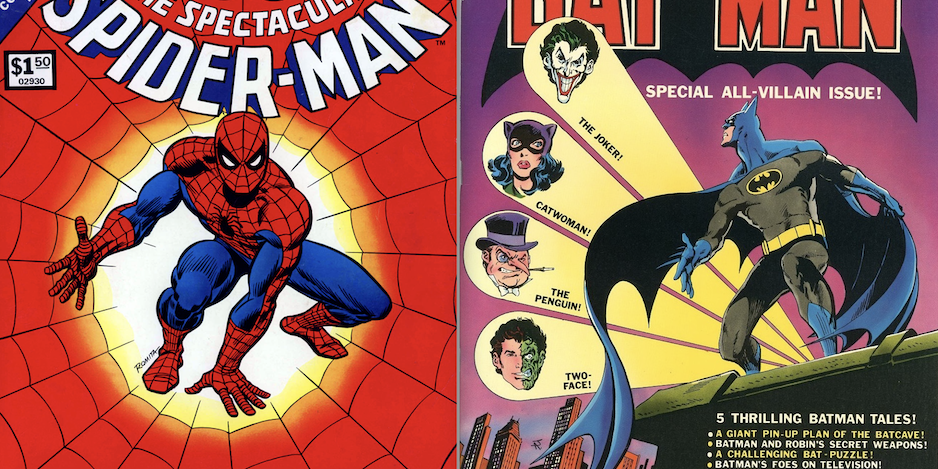
Whenever I write about DC Comics’ treasury editions, it’s almost certain that a reader will point out that in the 1970s, DC never called its oversize comics “treasuries.” That was a Marvel thing. DC informally called, say, Limited Collectors’ Edition #C-37, a tabloid, at least around the offices, according to our pal Paul Kupperberg.
But like Band-Aids and Dumpsters, the term “treasury edition” has caught on as the generic term. I’m not sure when that began but you can certainly give some of the credit to Rob Kelly’s wonderful TreasuryCast podcast — which is back with a special episode about the current state of the format. Collectibles-supply companies like BCW have adopted the term, as well:

But that doesn’t mean there isn’t some confusion. And when you throw in terms like Facsimile Edition, Artist’s Edition, Gallery Edition, Deluxe Edition and whatnot, it can be easy to lose track of what’s what.
So it occurred to me that even the most expert among us could use a guide. Sucker for punishment that I am, I’ve decided to put one together, with examples and some background. If you have any suggestions or corrections, by all means leave a comment!
Here goes:
Treasury Edition vs. “Tabloid”
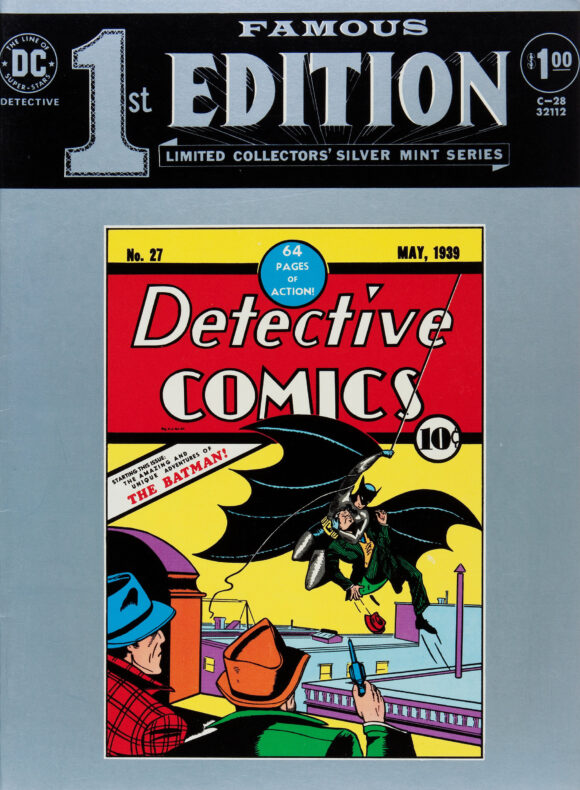
The two formats are effectively the same. They both measure 10″ x 13 1/2”, give or take. DC was first out with them in the ’70s and they were published under different series names, most notably Famous First Edition and Limited Collectors’ Edition. Famous First Edition issues were oversize reprints of single comics (Action Comics #1, Detective Comics #27, etc.) and Limited Collectors’ Edition issues were designed to be anthologies.
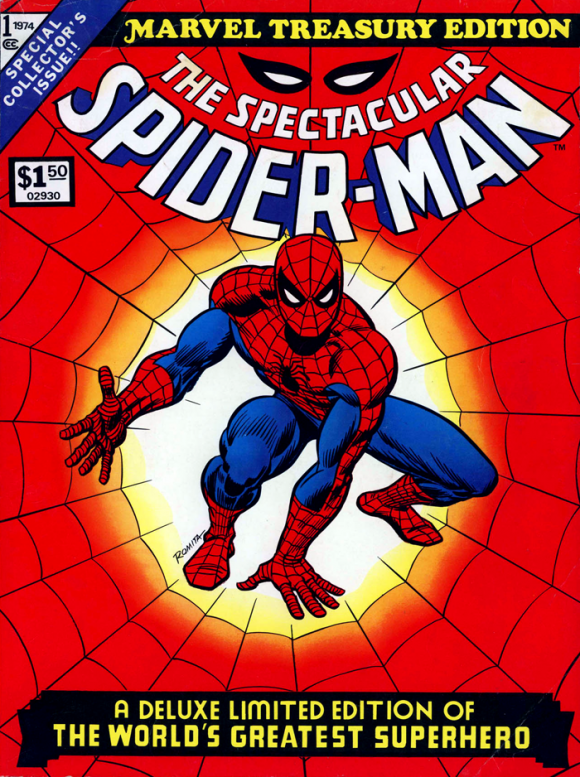
Marvel answered with its own series called Marvel Treasury Edition. These were generally anthologies but sometimes had original stories.
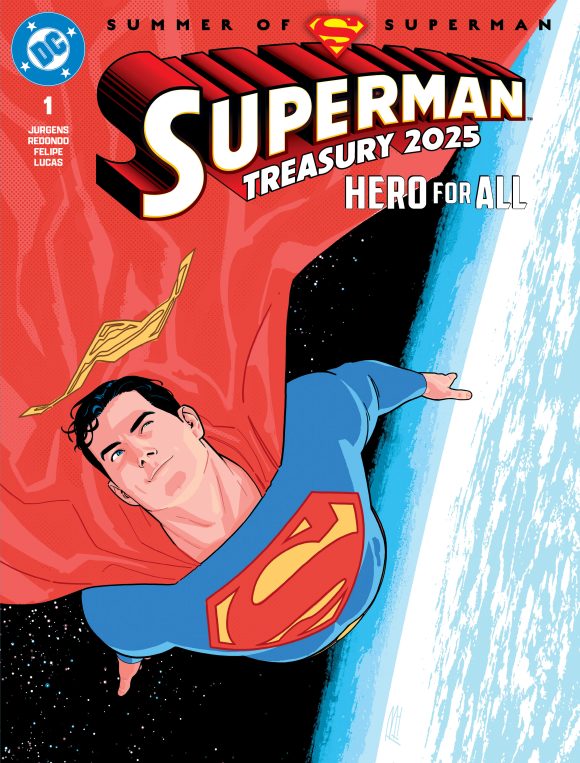
There was no specific term for the format that was used by the general public. As I kid, I’d just call them “the big comics.” DC this year formally adopted the “Treasury” term, releasing Superman Treasury Edition 2025: Hero for All in July. (NOTE: When DC published Untold Legend of the Batman in treasury size in January 2025, it was billed as a “Limited Edition.” I have a hunch that was a one-time name but we’ll see.)
Marvel, meanwhile, uses the term “Treasury Edition” for trade paperbacks that are slightly smaller than the classic Bronze Age dimensions. They measure about 8.7″ x 13.25″.
In the late ’70s, DC replaced its Limited Collectors’ Edition with All-New Collectors’ Edition, which, generally speaking, featured original stories. (All-New continued the numbering from LCE.) Both DC and Marvel, however, sometimes used different names like Marvel Treasury Special or DC Special Series.
The original treasury format died out in the early ’80s. DC basically replaced it with digests while Marvel just moved on. There have been revivals by both companies over the years but nothing like the ’70s.
—
Other Terms, Guidelines and Edition Names:
— Dimensions. No, not 13th Dimension. Comic-book dimensions. Golden Age comics are usually about 7.75″ x 10.5″. Silver Age comics are usually 6.75″ x 10.25″. Comics got smaller during the Bronze Age and evolved to the current Modern Age 6.625″ x 10.25″. Sometimes those numbers vary — and the same needs to be said for the books listed below. There can be slight discrepancies.
— Smaller Publishers. Different publishers sometimes use different terminology. For the purposes of this guide, we’re sticking with the Big Two because they carry the most weight and influence. This is also not a comprehensive list because various lines have evolved or ended over the years. Instead, the following are the most prominent types of publications, most of which are currently in use as I write this in August 2025.
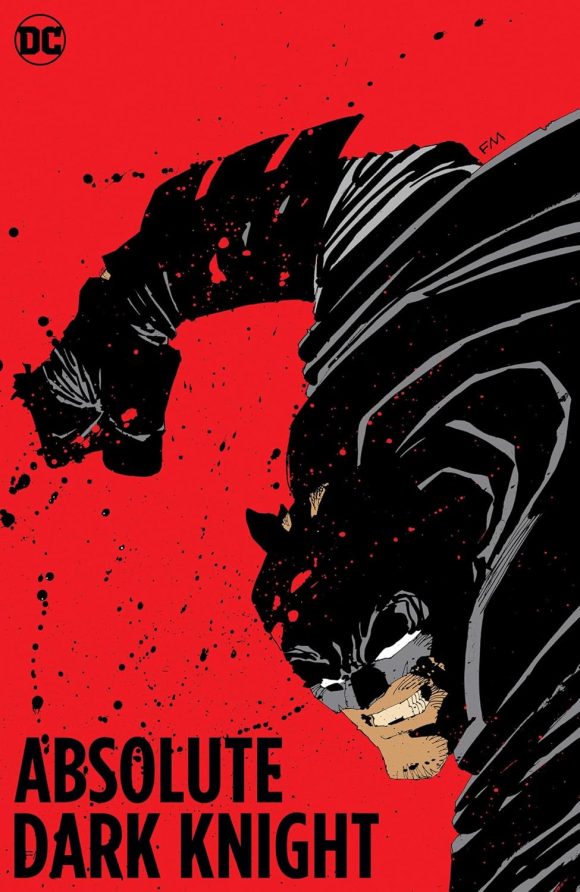
— Absolute Edition: A high-end, slipcased hardcover that measures in the ballpark of 9.5″ x 15″. Created by editor Scott Dunbier when he was with the publisher. Not to be confused with DC’s new Absolute Universe, which is a line of comics that take place in a dimension different from the main DC Universe.
—
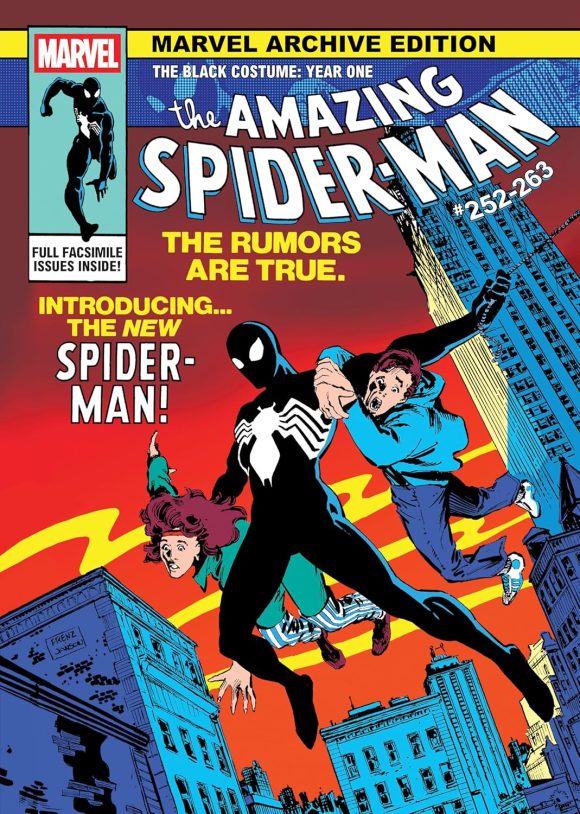
— Archive(s) Edition. Marvel’s new Archive Edition is a near treasury-size hardcover that collects a series of Facsimile Editions, ads and all. (The dimensions are similar to a Marvel Gallery Edition.) DC’s Archives are a defunct line of hardcovers that collected vintage reprints, largely in chronological order.
—
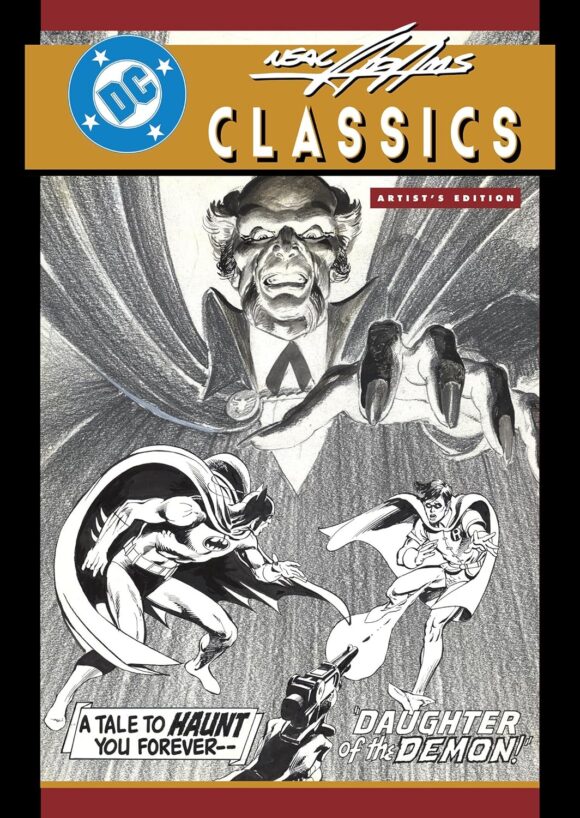
— Artist’s Edition. A format also pioneered by Dunbier that reproduces original art at its original size, in precise, super-high resolution. Most of the high-end collections — first published under license from other companies by IDW and now Dunbier’s own Act 4 — feature 11″ x 17″ art. Others are larger: For example, “twice-up” art typically used by illustrators into the late 1960s, is about 12″ x 18″. Also: IDW has published Artifact Editions and Artisan Editions. The Artist’s Edition usually includes complete stories plus covers and bonus material; the Artifact Edition usually includes a broad collection of art; the Artisan Edition is a smaller, paperback, less expensive reprint. Artist’s Edition is the only term currently in use.
—
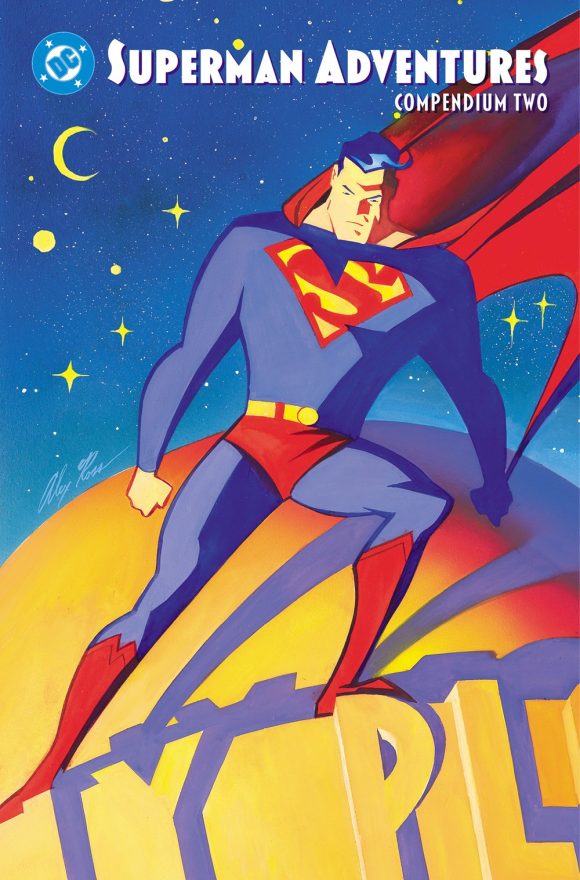
— Compendium. DC uses this term for omnibi that are softcover.
—
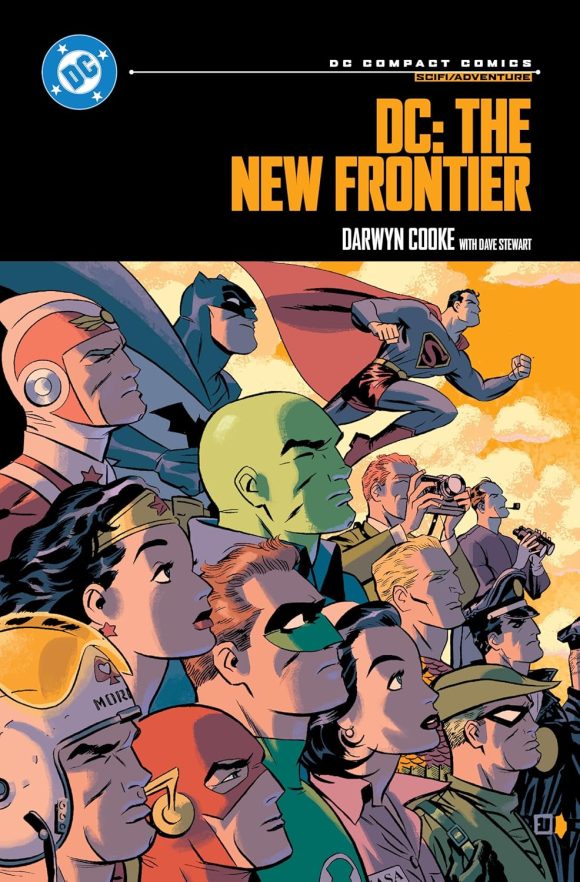
— Compact Comics. DC’s line of smaller reprint books. They measure around 5.5″ x 8.5″ and are designed to compete with manga and in the book-fair market.
—
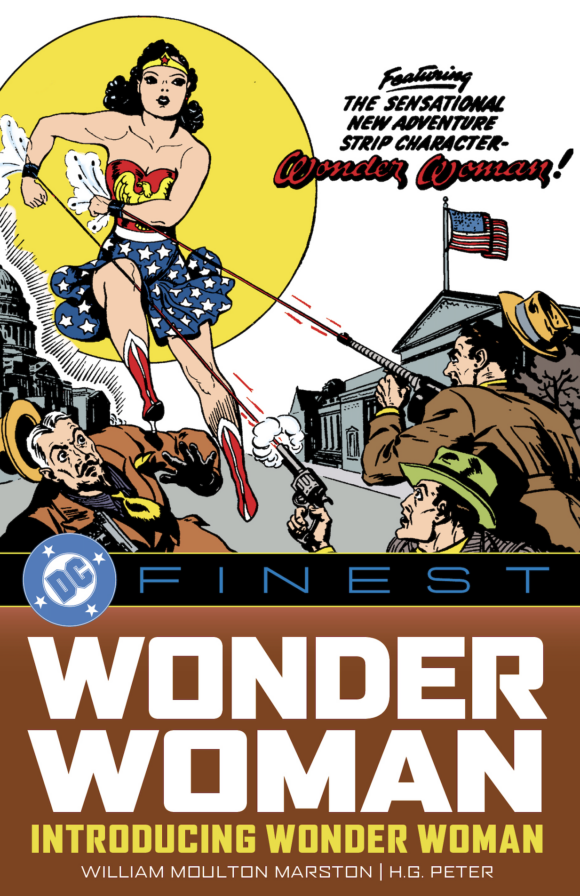
— DC Finest. A new line of trade paperbacks that emulate Marvel’s Epic Collection volumes.
—
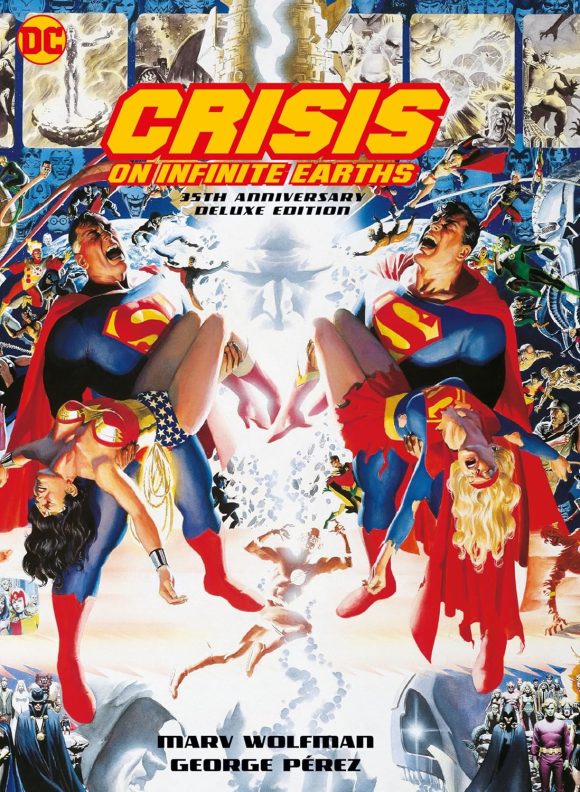
— Deluxe Edition. DC’s Deluxe Editions are hardcover books that usually measure around 7.35″ x 11.15″ inches.
—
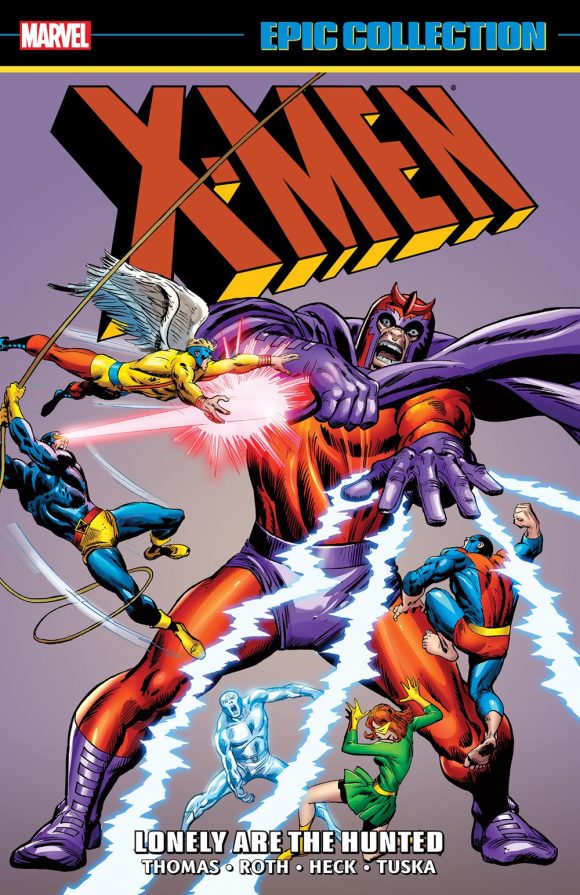
— Epic Collection. A Modern Age-size trade paperback that republishes vintage comics in chronological order, though the editions themselves are published out of sequence.
—
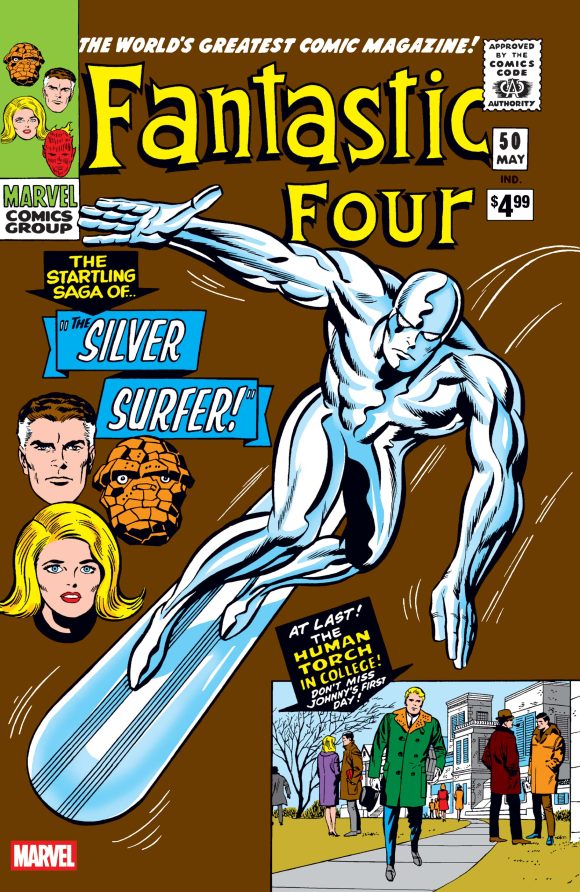
— Facsimile Edition. A complete reprint of a single issue, with ads, letters, etc. Usually printed in Modern Age dimensions, though DC has begun reprinting certain Golden Age titles closer to the original size (slightly bigger, actually). Those Golden Agers’ interior art, however, is still at current dimensions.
—
— Fauxsimile Edition. A comic book that parrots a Facsimile but was never published to begin with. A good example was 2024’s Batman #428, which reprinted 1988’s “death of Jason Todd” issue but with the alternate ending in which he lives.

—
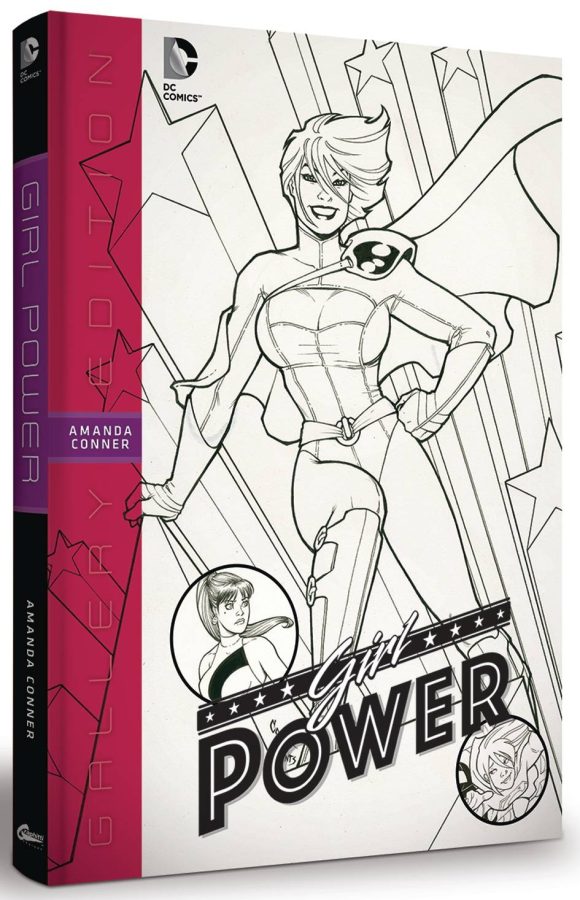
— Gallery Edition. Marvel’s Gallery Editions are hardcovers that are close to treasury size but are a bit slimmer (9.6″ x 13.3″). DC’s Gallery Editions, usually published through Graphitti Designs, are similar to Artist’s Editions.
—
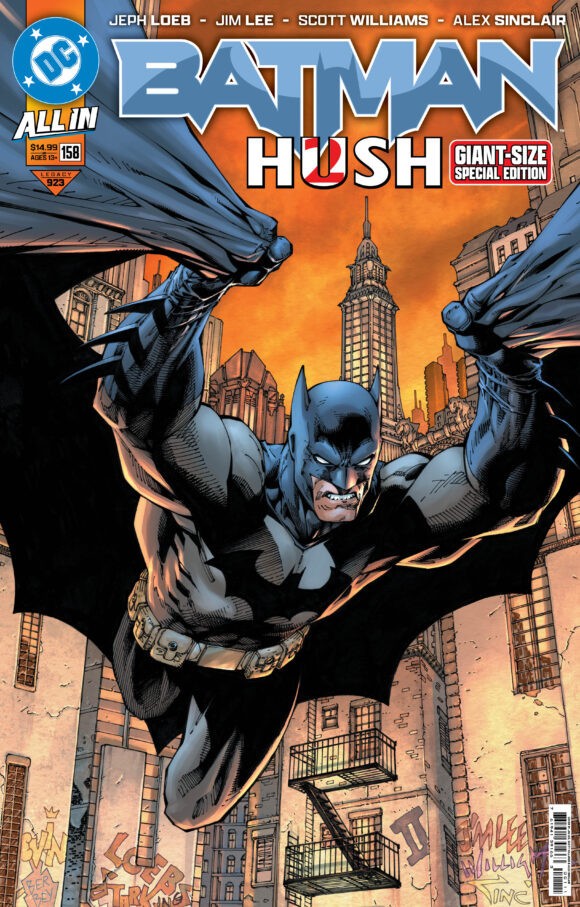
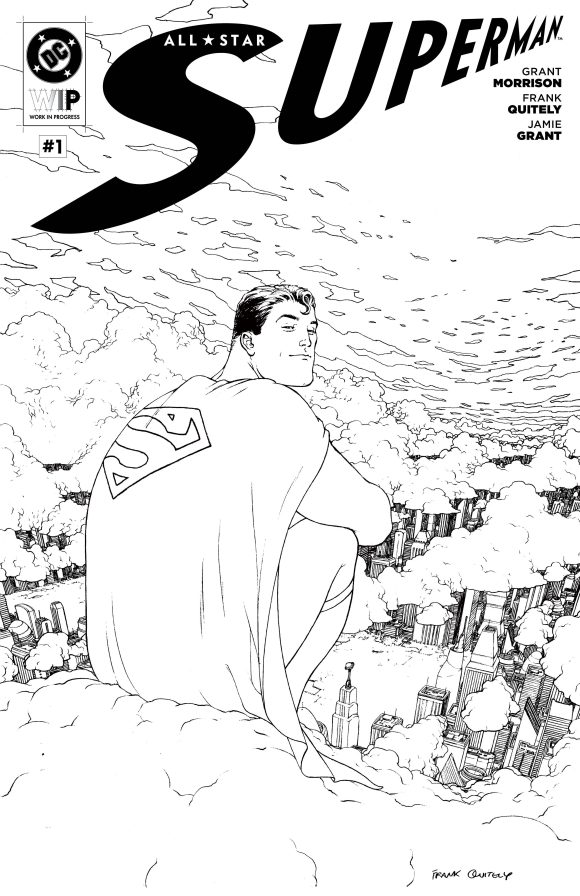
— Giant-Size. A term used freely because it’s so broad. For Marvel fans, Giant-Size comics were extra-long comics published in the Bronze Age. Currently, DC is using the term for its new line of 11″ x 17″ comic books. DC also recently launched the W.I.P. line, which is basically an 11″ x 17″ Artist’s Edition of a single issue.
—
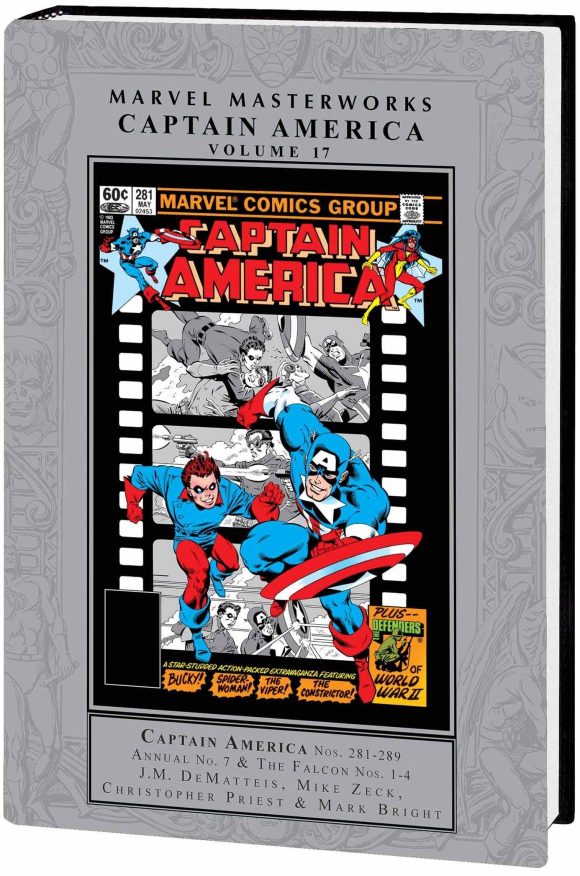
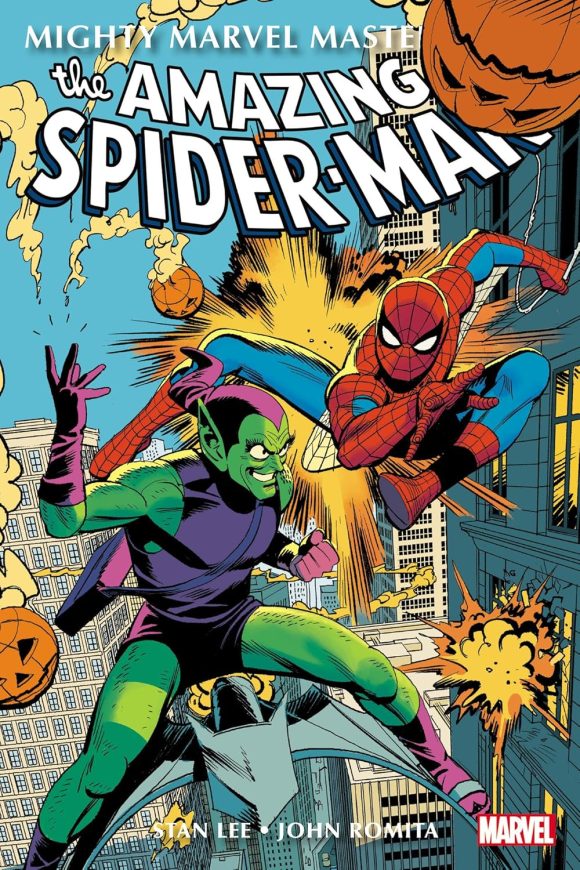
— Marvel Masterworks. A line of reprint hardcovers — soon to go on indefinite hiatus — similar to DC’s Archives. There’s also Mighty Marvel Masterworks, which are smaller, paperback volumes like DC’s Compact Comics.
—
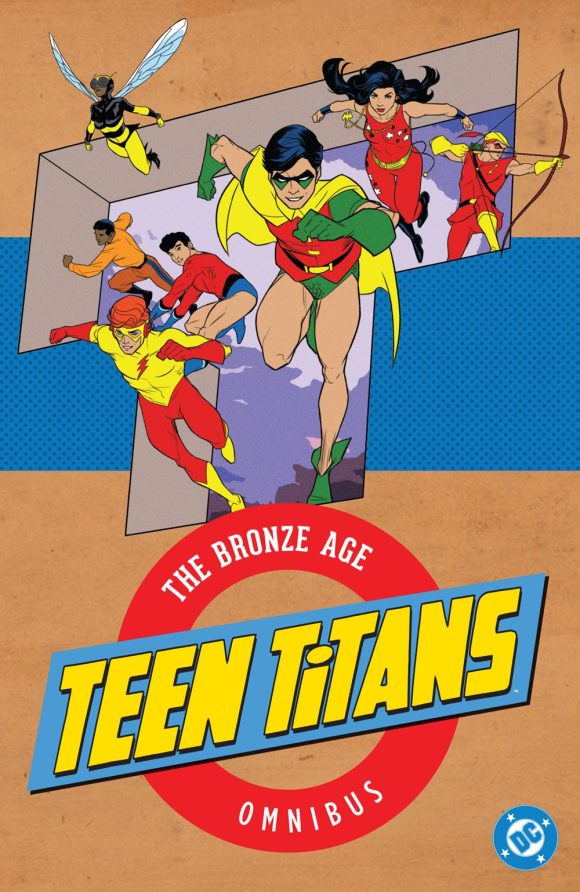
— Omnibus. Both Marvel and DC publish these. Gigantic collections of stories, usually around 750 to 1,100 pages or so, and printed in Deluxe Edition dimensions.
—
MORE
— The State of the TREASURY EDITION Format. Click here.
— HOUSE OF MYSTERY: DC to Release 1973’s Treasury Edition as a Facsimile in October. Click here.

August 12, 2025
This is a great primer, but one minor correction: Omnibuses are the same dimensions as Deluxe Editions, not modern comics.
August 12, 2025
Good catch! Thanks! I’ve updated it.
April 14, 2026
Dan, having recently discovered your site late last year, I am now a regular & frequent visitor for entertaining & useful information such as this piece! Kudos.
Your various announcements re: upcoming (& past dates I originally missed but am catching up on & purchasing) facsimiles & reprints including unique Golden Age sizes. I LOVE & am purchasing nearly every new Treasury/Tabloid reprints I can find–they are GREAT FUN!
April 15, 2026
Thanks!
August 12, 2025
Not having some kind of branding in the ‘70s for DC’s “Treasury” comics had to have created obstacles to their sales. My 8-year old eyes never saw the “C-28”. So how do you ask anyone behind the counter for what you are looking to buy? Stan Lee would have never made that bland mistake.
That said, these have a special memory in my childhood. I am still hoping for the first Superman/Spider-Man to be done as a facsimile. There are others too (like that Spider-Man one above), maybe even 13 that I’d love to see and buy again.
August 12, 2025
Thank you for this article! I recently ordered the FF Marvel Premier Collection book, I believe the Marvel Premier Collection is its own format designed to compete with DC’s Compact Comics (which I love by the way), but has different dimensions. I thought you might like to know yet another format that recently came out!
August 12, 2025
Qué oportuna tu información. En Latinoamérica no está muy popularizada éstos conceptos. Gracias
August 12, 2025
In response to Buck’s comment, my primary source of comics as a kid was a newsstand-like section of our local drugstore, which had shelves of comics and magazines standing upright, some partially obscured by others. I never paid much attention to issue numbers at the time, being driven primarily by a comic’s cover. But I do remember the numbers for DC’s special collectors editions being listed in order forms within the comics. I don’t remember finding them at our drugstore (though some classmates had them much to my envy), so it’s possible their large size worked against them for some sales outlets. I wonder about the experience of others who grew up in the Bronze Age.
August 12, 2025
I was fortunate to buy my books from a beverage convenience store until a magazine store opened. These big books were laid out in front of the comics, just off the floor.
August 12, 2025
As I recall, I got my original copies either at a newsstand/bookstore, or the magazine rack at the drug store or convenience store. That was the whole point of the exercise, I believe: the publisher wanted to make these available at venues that didn’t have the spinner racks where 90% of my original standard-size copies were purchased way back when.
August 12, 2025
Is there a way to distinguish between a treasury edition that is a compilation of reprints, versus a treasury edition that is original material, I.e. Superman v Spider-Man? I think the latter was the very first original story in that large format.
August 12, 2025
Look at the Wikipedia page for Limited Collector’s Edition. AFAICT, LCEs were reprint material. All-New Collector’s Edition was new material. Both used the C- numbering.
https://en.m.wikipedia.org/wiki/Limited_Collectors%27_Edition
August 13, 2025
Which is mentioned in the story.
August 15, 2025
You would need to look up its contents online, at some site like the Grand Comicbook Database (www.comics.org). And Superman v Spidey wasn’t the first in this format to print non-reprinted material– at least one preceded it, and it was actually the first Marvel/DC collaboration: The Wizard of Oz.
August 12, 2025
I had a few of these treasury edition comics as a kid. I had both issues of “Secret Origins of Super Villians”, I had the Batman edition that featured stories about The Joker, The Penguin, Two-Face and Catwoman. It wasn’t until I was in college that I was able to purchase most of the Famous 1st Editions – I found them at a flea market that was run annually in a local mall. And then as an adult I began to frequent comic books stores where I FINALLY bought a copy of Superman vs Spider-Man. I loved these comics but had a hard time keeping them in good shape.
August 12, 2025
No definition for trade or graphic novel? So tired of people using the two interchangeably when they’re not. Never saw treasuries out in the wild back in the 70s. Was shocked to discover they existed when I went to my first con.
August 12, 2025
So what were DC’s Wednesday Comics?
(Collected edition soon to be re-released.)
August 13, 2025
They were their own thing. Constructed like a broadsheet newspaper.
August 13, 2025
It might be worth mentioning somewhere in there that the treasury format was one of several experimental formats DC, Marvel and other companies were trying out in the 1970s.
They wanted to see if they could come up with a format that would be more attractive to the magazine distribution system, which was giving them increasing problems at the time.
Examples of other experiments included digests, DC’s 100-page comics, Marvel’s line of Giant-Size comics, magazine-format comics like Savage Sword of Conan, and so on.
August 14, 2025
I just want to say that I want a “treasury” size reprint of every Neal Adams Bronze Age comic (interiors, not just cover)… like the upsized Untold Legend of the Batman. I will buy them all. In multiples. Thanks.
August 15, 2025
WHY does the “complete story” being included matter in an artist’s edition? After all, isn’t the idea to spotlight the _art_ of the artist? Shouldn’t the focus, in such cases, be to obtain and collect whatever reprinted — scanned — art can be obtained, while not being concerned whether or not a complete story is republished in said artist’s editions?(Especially since those stories can be had in the original comic, not to mention numerous collections these days).
August 15, 2025
Agreed! The most egregious, and recent, example of this head-scratcher is the forthcoming JIM APARP DC CLASSICS ARTIST’S EDITION. 30 pages of pencils and layouts by Ernie Chua and Frank Thorne (meaning the art is Thorne’s and Chua’s, even if Aparo did the inking) are in the book! And only because some fans and the editor thought reprinting the entire story from each issue is more important than showcasing the art…in an artist’s edition.
August 16, 2025
>> even if Aparo did the inking…
>>>
In fairness, “inking” is as much a part of the art as the layouts, lettering and pencils. If the idea of the book is to celebrate the career of the artist, his work as an inker is valid to be included.
I would go so far as to say where possible show pages of his raw pencils before the finished inked pages whether the artist did the inks or not. Side by side even! That would really then be a true study of the artist’s talent.
August 16, 2025
Buck, while I would definitely disagree about inking being a part of the layouts, I DO acknowledge that inking is still an important part of the process. However…there is no one on earth that can logically argue that THIRTY plus pages of Aparo’s inks over 20 plus pages of pencils and layouts by Chua and 10 or more pages of pencils and layouts by Thorne are necessary in order to understand (or appreciate) the inking abilities of Jim Aparo. Five pages would have done the job — ten pages if you have to push it. Which would have left twenty pages that could have been filled with more art by Aparo. The editor, in several back & forths on Aparo’s Facebook page, first admitted that he included those 30 pages because the story meant a lot to him as a teenager. Later, he claimed something similar was done in the Neal Adams Artist edition (it wasn’t — only Adams’ pencils and layouts); then he finished by saying every artist’s edition book he has done is different, and then kinda trailed off into mumbled incoherence.
August 17, 2025
Sam, you certainly have more facts around the construction of this edition than I do. And, I will 100% agree that if there are pages of pencils being left out then that is a mistake.
April 14, 2026
Sounds logical & practical & what form I suggest these expensive books should take on going forward.
August 16, 2025
Five pages…ten pages…okay. 30 plus pages.What’s the justification?
December 11, 2025
Is the Mighty Marvel Masterworks line officially dead?