
Scott and Dan hit up the comics racks from 40 years ago…
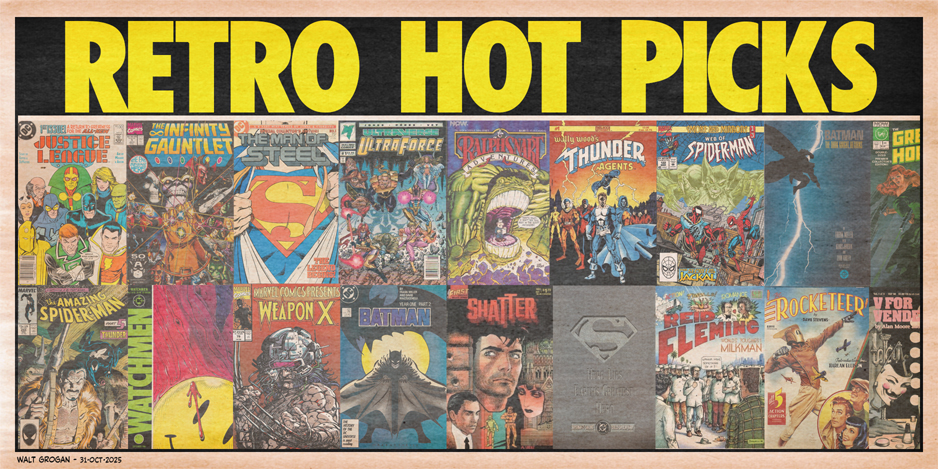
This week for RETRO HOT PICKS, Scott and I are selecting comics that came out the week of April 29, 1986.
Last time for RETRO HOT PICKS, it was the week of April 22, 1989. Click here to check it out.
(Keep in mind that comics came out on multiple days, so these are the issues that went on sale between April 26 and May 2.)
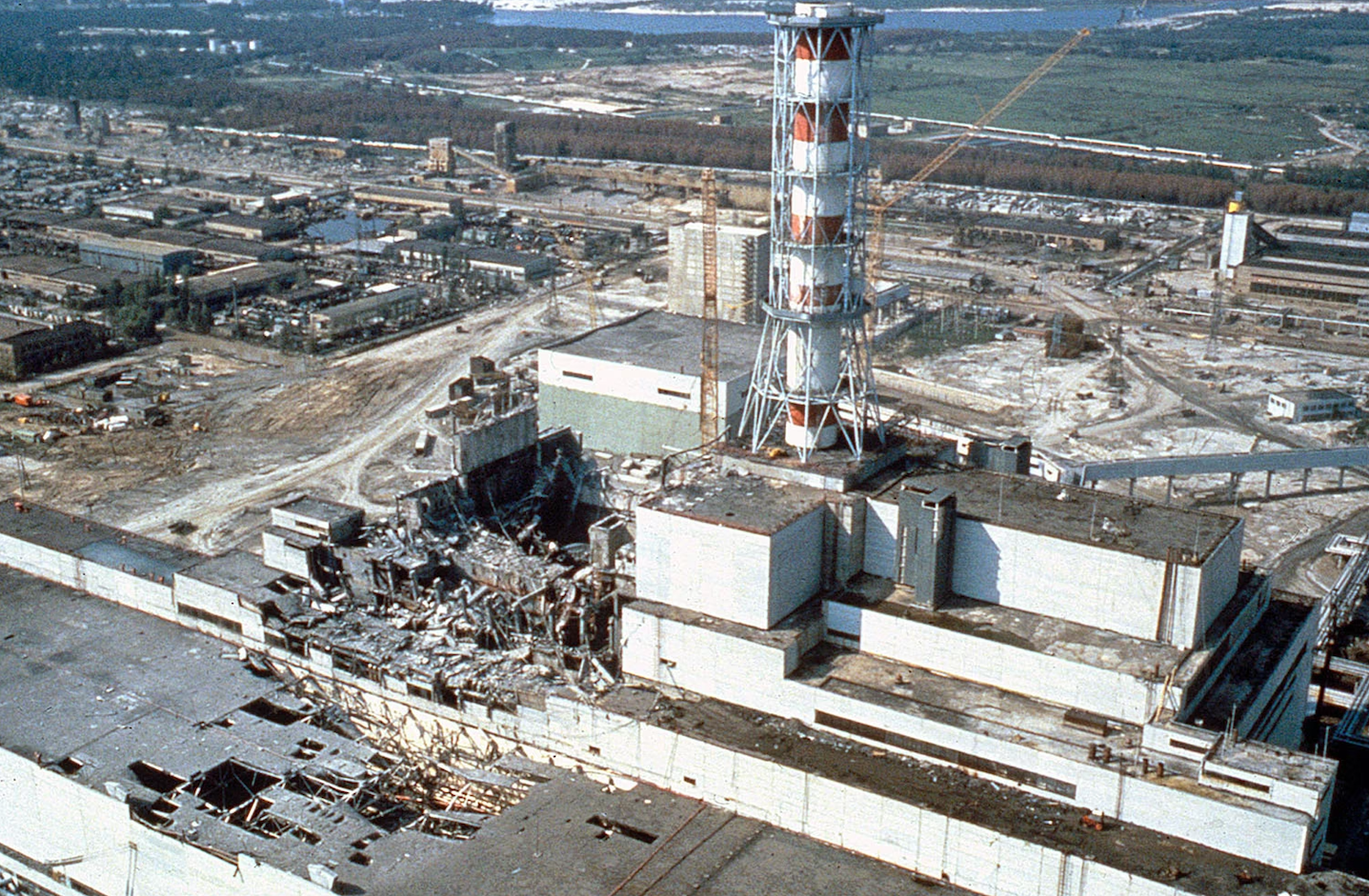
So, let’s set the scene: On April 26, a reactor at the Chernobyl nuclear power plant in the Soviet Union exploded and it’s impossible to understate it — it was one of the worst man-made disasters in human history. The accident occurred thanks to a bungled safety test, reckless oversight, substandard technology, and abject incompetence. To this day, experts debate the death toll because of long-term health effects that are difficult to quantify, but it’s been placed anywhere between the initial roughly 30 killed and up to 16,000. It also cost an estimated $700 billion across decades.
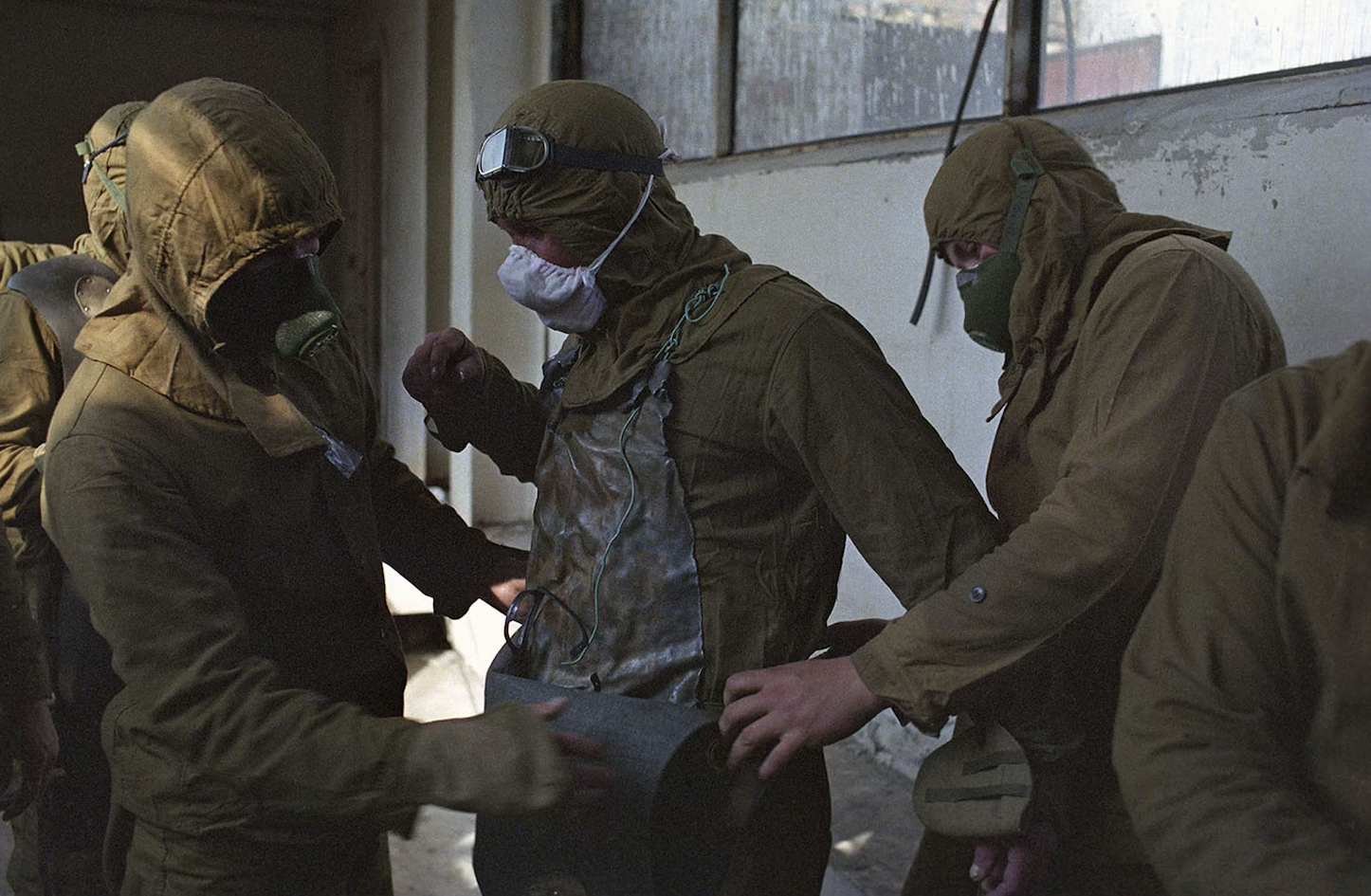
Making matters worse, it was a classic case of Soviet propaganda gone awry: Authorities immediately tried to downplay the explosion and didn’t order the evacuation of the Ukrainian city of Pripyat, where Chernobyl was located, until a day and a half after, as poisonous radiation spewed through the air.
Just as bad, on April 28, radiation levels set off alarms in Sweden, more than 1,000 kilometers from the plant. The Swedish government contacted the USSR to ask whether there’d been an accident and the Soviets actually denied it. But the Swedes forced their hand when they said they were going to file an official report with the International Atomic Energy Agency.
The Soviets still tried to tamp down Chernobyl’s true, devastating impact and it even took until May 1 for the Russian news agency Tass to report it. Eventually, the truth couldn’t be contained, and virtually every country in the Northern Hemisphere was affected in one way or another.
Chernobyl forced the secretive nation to become more transparent and the financial toll helped bring it to its knees. In many ways, it was the flashpoint that led to the end of the Soviet Union and the Cold War. But that was still years way. (Millions of words have been written about the disaster, but if you want to see a truly riveting account, check out the 2019 HBO dramatic miniseries Chernobyl, starring Jared Harris, Stellan Skarsgård and Emily Watson.)
While the news from the USSR slowly trickled out, Americans were more consumed by the U.S. conflict with Libya. Earlier in the spring, the two nations had a showdown in the Gulf of Sidra that led to a brief armed conflict. This led to an April 2 terror bombing of a TWA flight from Rome to Athens that killed four. Three days later, a Berlin disco frequented by U.S. soldiers was bombed, killing three and injuring 230.
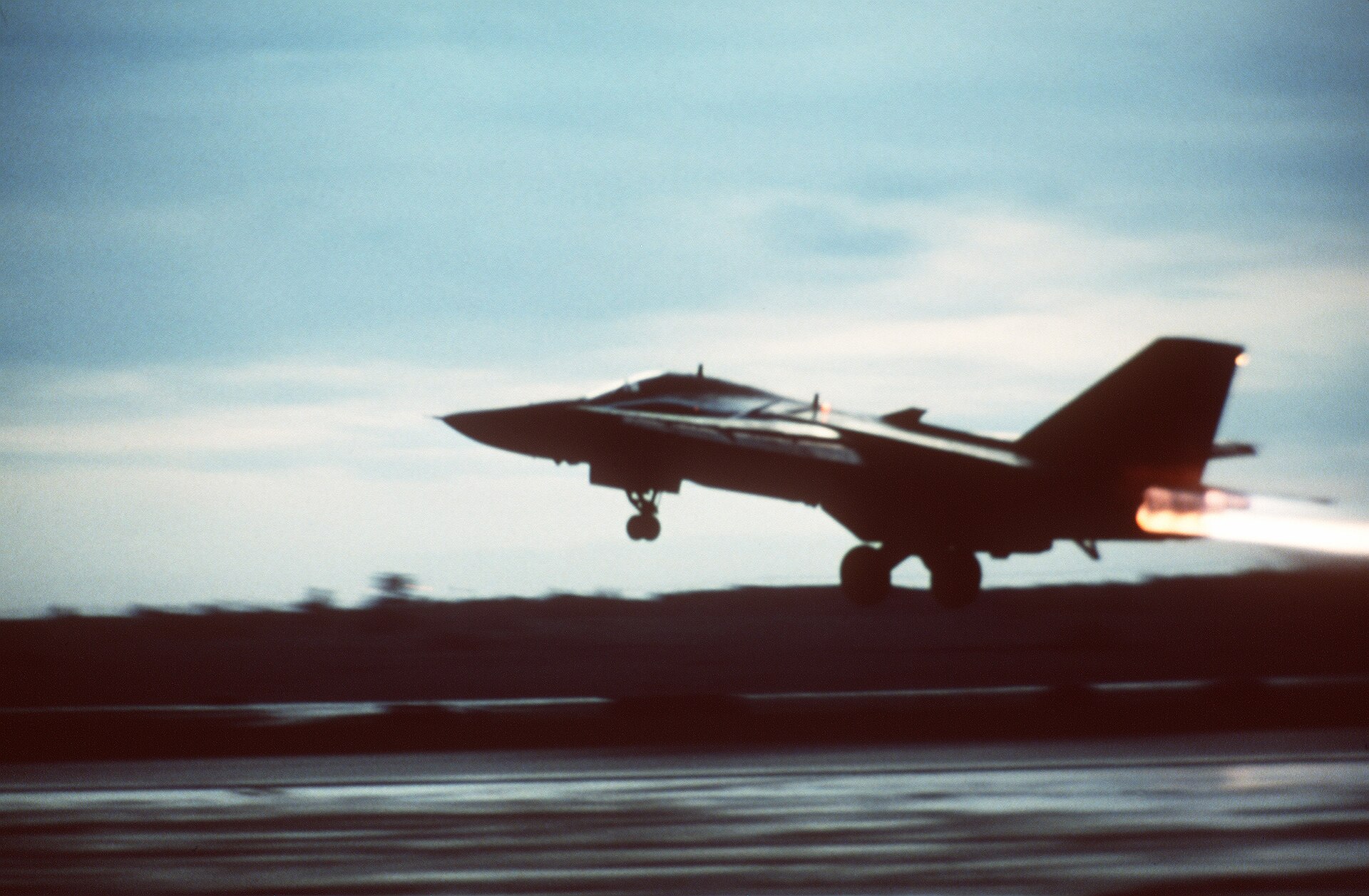
In response, President Reagan greenlit Operation El Dorado Canyon: On April 15, American planes bombed targets in Tripoli and the Benghazi region. The next day, Libyan leader Muammar Gaddafi went on television to clear up rumors he’d been killed. On April 17, a British journalist was kidnapped in Lebanon and three others were killed. (The journalist, John McCarthy, would not be released for five years.)
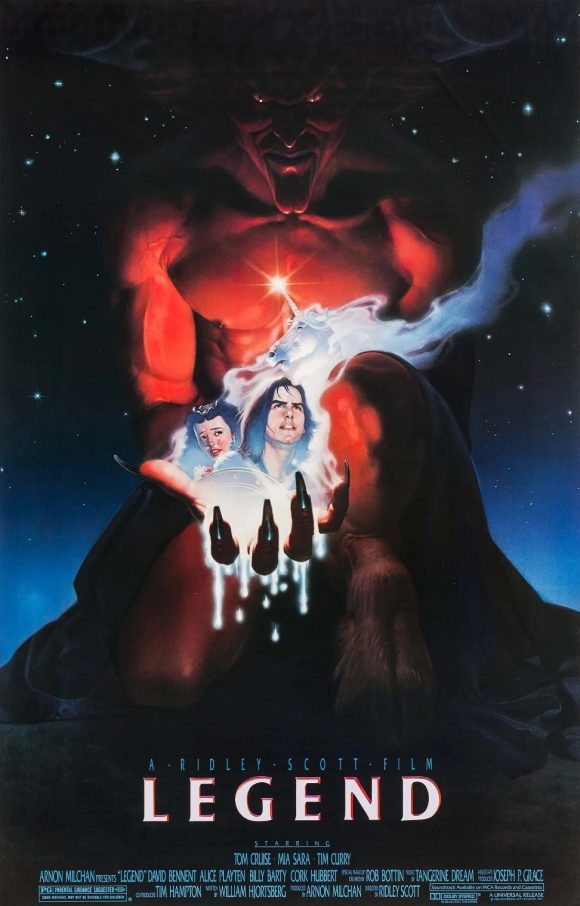
Ridley Scott’s fantasy flick Legend, starring Tom Cruise, Mia Sara, and Tim Curry, led the box office, despite negative reviews. Cruise’s next film, a high-flying actioner called Top Gun, due to be released in a couple of weeks, proved to be a far more suitable vehicle for the young star.
Remember when Tom Hanks was a flailing movie actor who couldn’t seem to break out of his Bosom Buddies TV mold? I do. A great example was the annoying and unfunny The Money Pit, co-starring Cheers’ Shelley Long, who also hungered for a movie career. Other notable movies included Richard Pryor’s Jo Jo Dancer, Your Life Is Calling and the Merchant Ivory charmfest A Room With a View. Pretty in Pink was still playing, too.
NBC was killing it in the Nielsen ratings, with The Cosby Show, Family Ties, Cheers and Night Court the big hits. CBS’ 60 Minutes was an old reliable.
The weirdest story on TV, though, was the real-life hacking of HBO by a disgruntled viewer annoyed at the cable net’s rates for satellite dish owners. On April 27, a guy calling himself Captain Midnight (aka John R. MacDougall) was able to hijack the company’s satellite signal and broadcast a message for 4 1/2 minutes that was seen by the eastern half of the United States: “GOODEVENING HBO FROM CAPTAIN MIDNIGHT $12.95/MONTH ? NO WAY ! [SHOWTIME/MOVIE CHANNEL BEWARE!]”
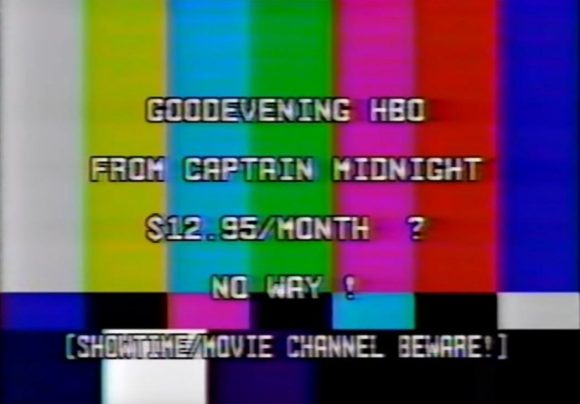
MacDougall was busted for the move.
April 29 was a big day in sports. Boston Red Sox ace Roger Clemens struck out a whopping 20 in beating the Seattle Mariners, 3-1, at Fenway Park. The Sox fans in my freshman dorm were glued to the radio broadcast, erupting with every new K. Of course, all this was before Clemens’ legacy was forever tarnished by allegations that he used steroids later in his career.
On the same day, Bo Jackson — a remarkably talented and powerful multisport star from Auburn University — was selected first overall in the NFL DFraft by the Tampa Bay Buccaneers, even though he’d vowed that he would never play for them because of dealings with team leadership that he considered shady. Jackson stayed true to his word.
Robert Palmer’s Addicted to Love — whose seminal video helped define MTV in its heyday — was the No. 1 song in the country. It was followed by Pet Shop Boys’ West End Girls (which I couldn’t abide) and Prince and the Revolution’s Kiss (which Tom Jones later made a bombastic hit of his own). Van Halen came out roaring with its first single after Sammy Hagar replaced David Lee Roth as frontman: Why Can’t This Be Love remains to this day one of the great rockers of the era. Whitney Houston was a big star with Greatest Love of All.
The Rolling Stones, meanwhile, had a hit (No. 5) with their cover of the 1963 Bob & Earl raver Harlem Shuffle, one of the few highlights off the band’s execrable Dirty Work.
Van Halen’s 5150 was in the middle of a three-week reign atop the albums chart. It stepped in for Whitney Houston, which was locked up at No. 1 for the preceding seven weeks and the proceeding seven weeks. Also on turntables (or in CD players or on the Walkman) were the aforementioned Dirty Work; Lou Reed’s Mistrial; Butthole Surfers’ Rembrandt Pussyhorse; and — Lord help us — New Kids on the Block’s self-titled debut LP.
Fun fact: The Harlem Shuffle video was directed by Ralph Bakshi and the animation director was John Kricfalusi — of (later) Ren & Stimpy fame.
Shake your tail feather, baby…
—
Scott Tipton, contributor-at-large, 13th Dimension
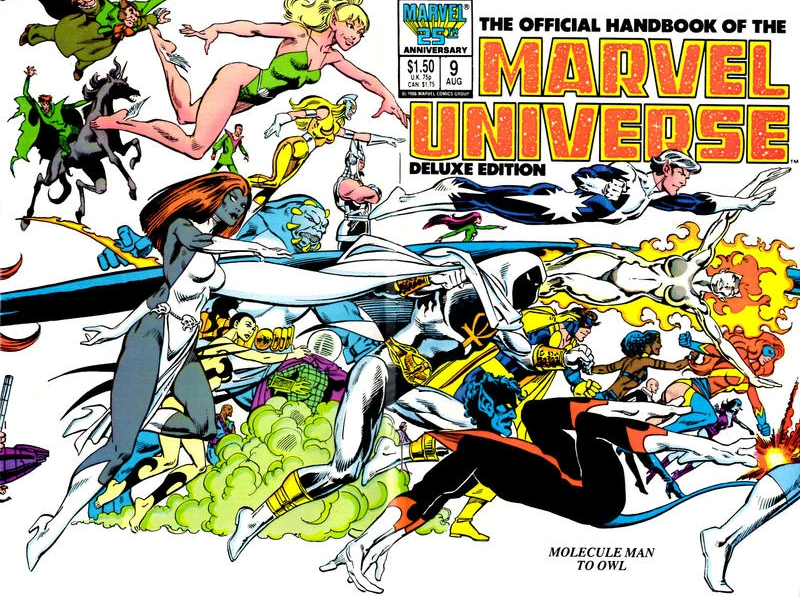
The Official Handbook of the Marvel Universe #9, Marvel. Just seeing these OHOTMU covers is like a white-hot shot of nostalgia.
—
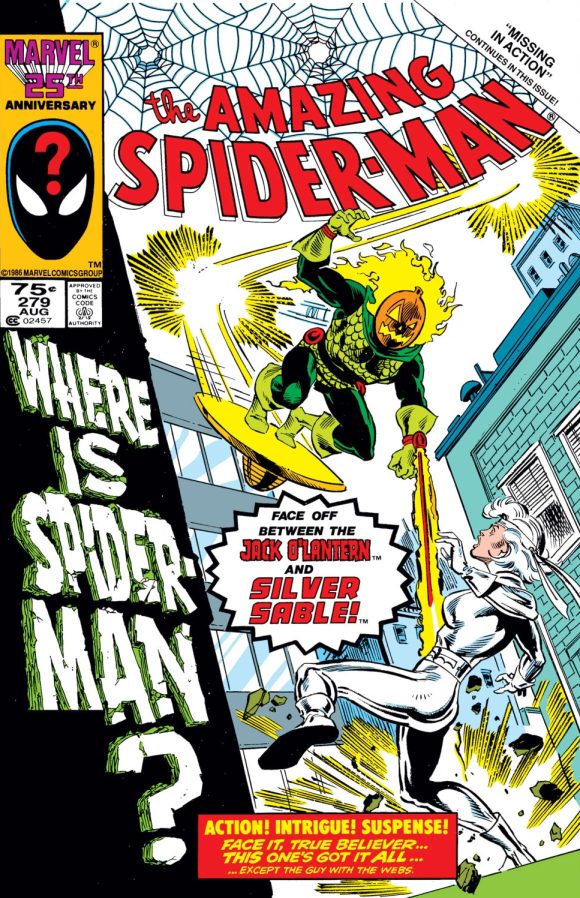
The Amazing Spider-Man #279, Marvel. I remember this event, which stretched across all four monthly Spider-Man books, but I don’t remember where exactly Spider-Man was.
—
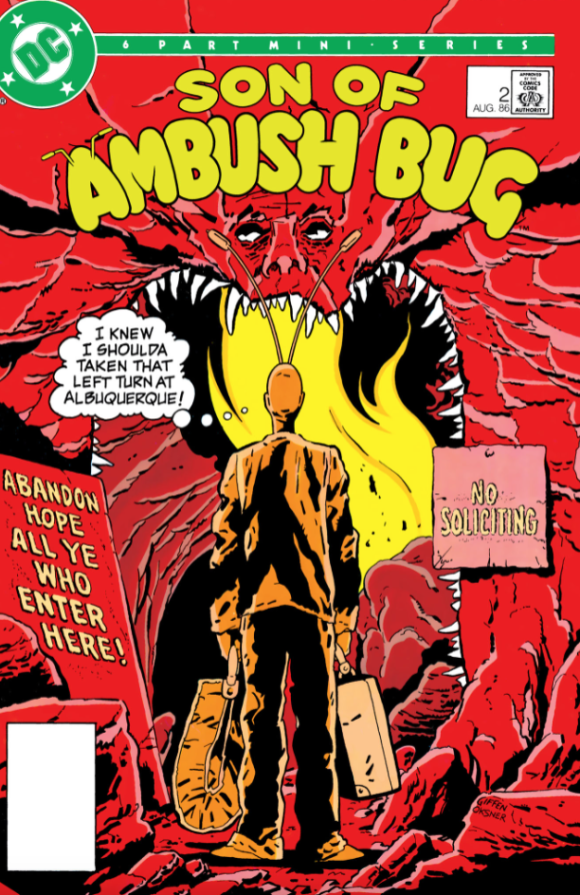
Son of Ambush Bug #2, DC. This book was like nothing else on the stands back then, requiring a deep, deep knowledge of DC history not only to get all the jokes, but also just to figure out what the hell was going on.
—
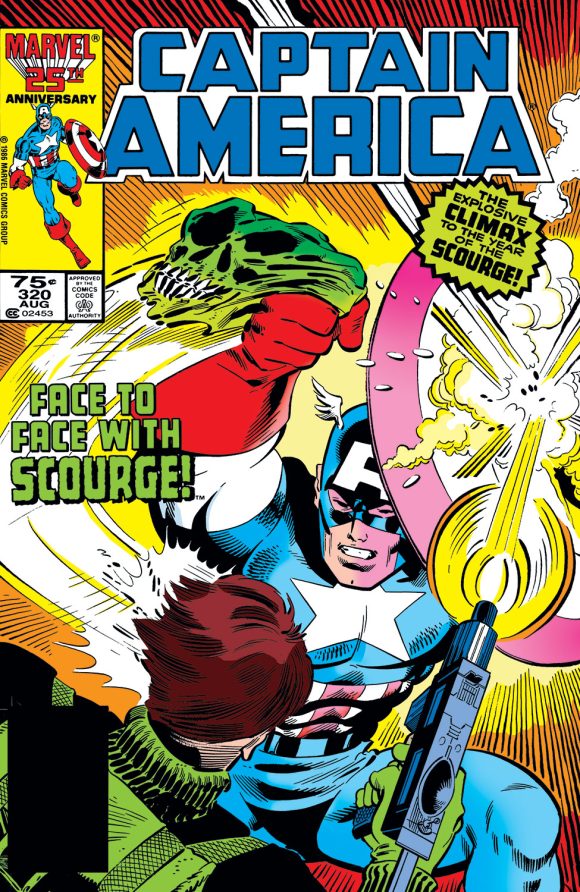
Captain America #320, Marvel. This “Scourge of the Underworld” theme, which had a mysterious assailant appearing all over the Marvel Universe taking out lower-ranked and third-rate supervillains, hit its peak here in the pages of Cap. The mastermind behind it, editor extraordinaire Mark Gruenwald, later lamented what he’d done, remarking that he’d realized that “every character is someone’s favorite.”
—
Dan Greenfield, editor, 13th Dimension
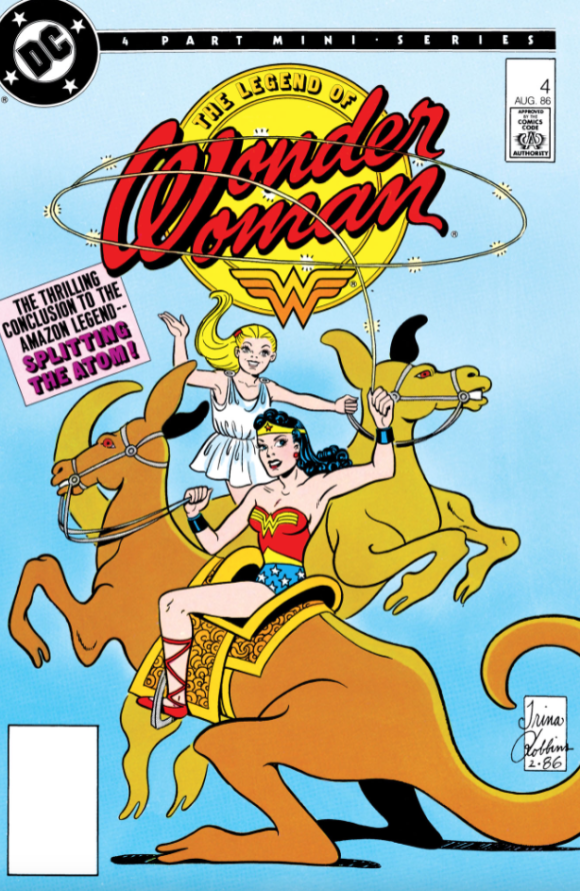
The Legend of Wonder Woman #4, DC. The main Wonder Woman title ended as Crisis on Infinite Earths was drawing to a close at the end of 1985, and this four-part, cult-fave mini by Kurt Busiek and Trina Robbins was a Golden Age-inspired run that kinda sorta stood on its own but also referenced the larger DC Universe. A favorite among Wonder Woman fans.
—
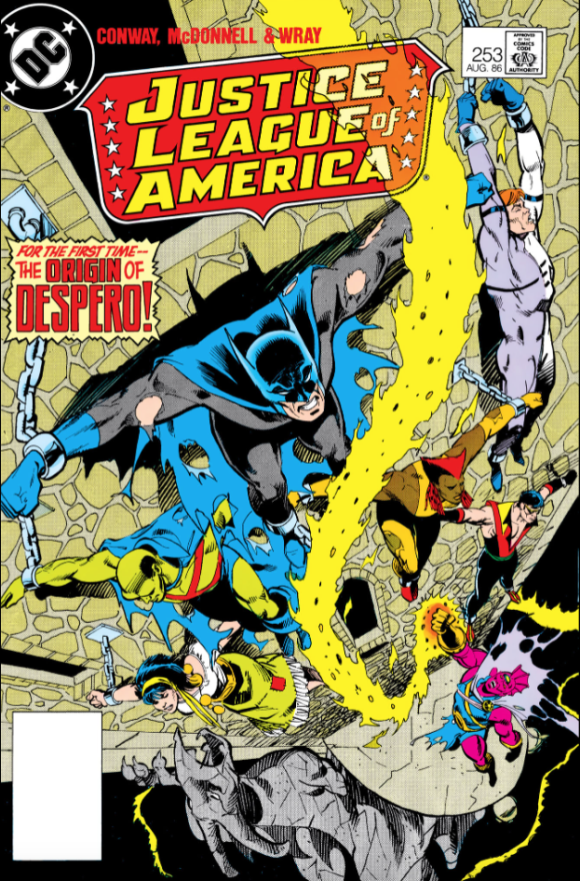
Justice League of America #253, DC. The League really was running on fumes at this point.
—
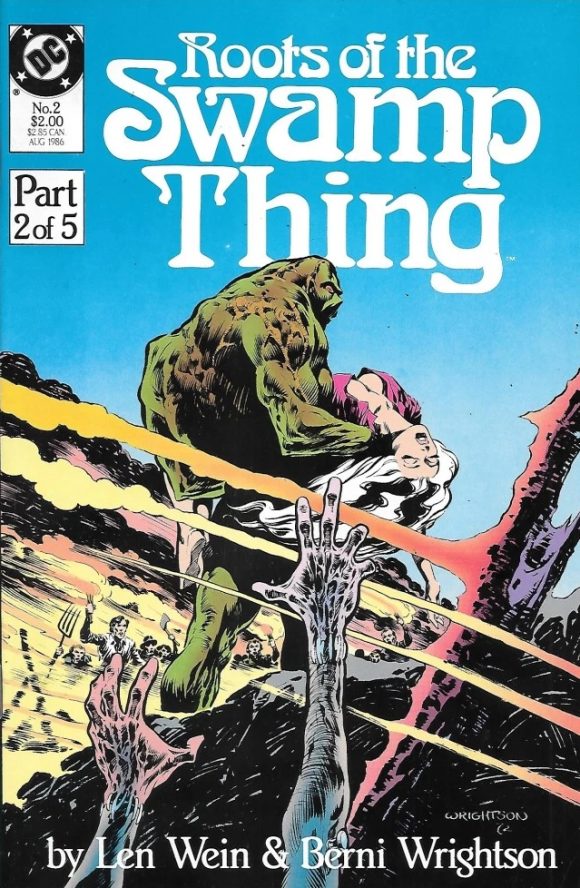
Roots of the Swamp Thing #2, DC. I liked when DC would reprint its greatest Bronze Age stories as miniseries on the higher-end Baxter paper. They were trades before trades were really a thing.
—
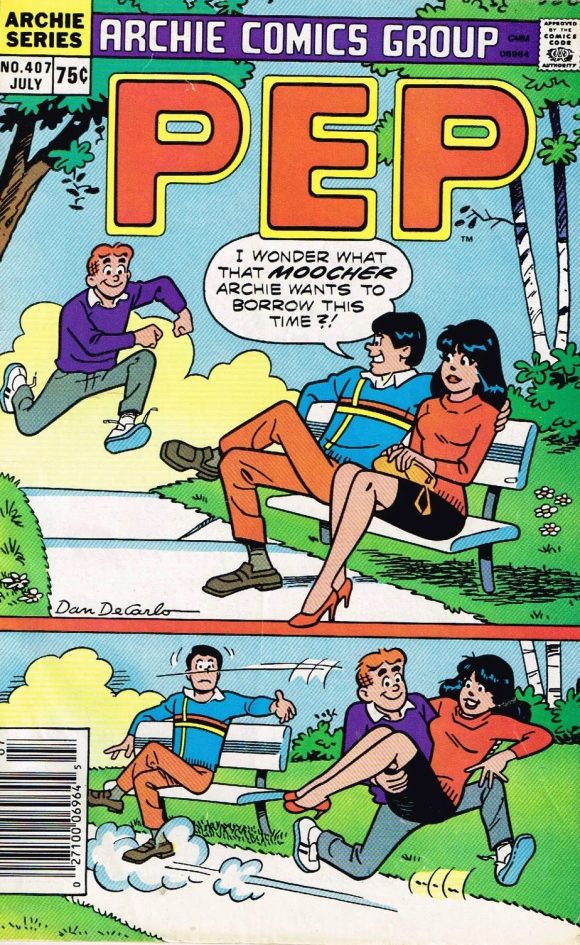
Pep #407, Archie. Reggie and Veronica really are made for each other, but it just goes to show he’s so insufferable she still prefers that sap Archie. Then again, it’s precisely because he is a sap.
—
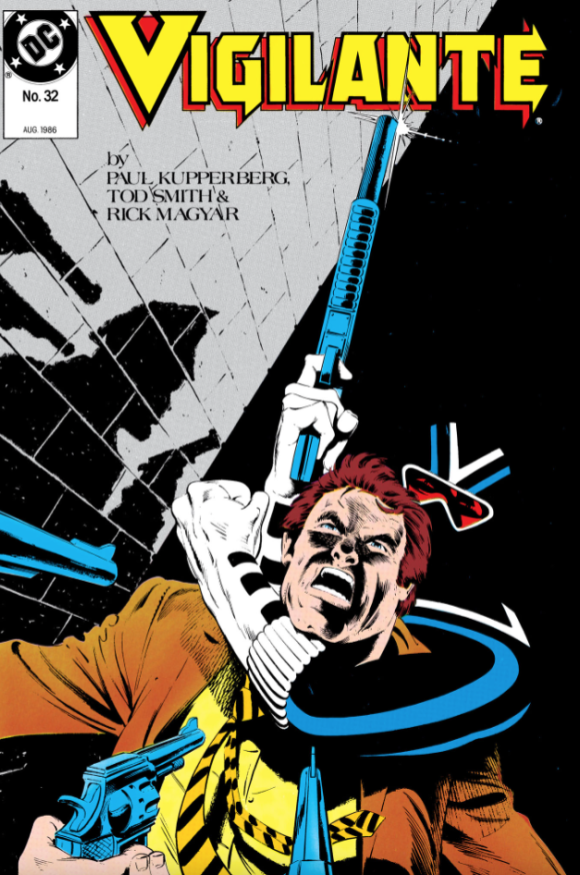
Vigilante #32, DC. Written by our pal Paul Kupperberg!
—
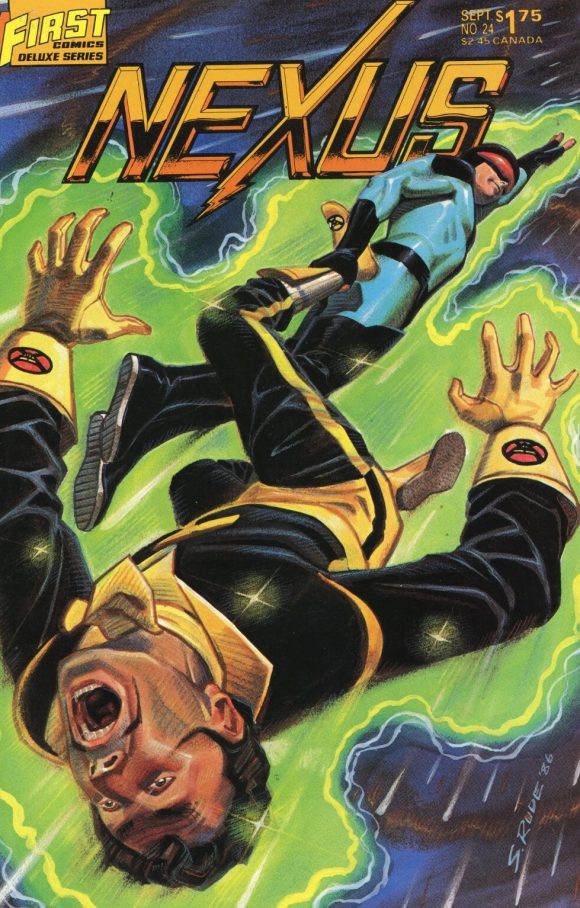
Nexus #24, First. Requisite reminder that the mid-’80s were so much more than the Big Two.
—
MORE
— RETRO HOT PICKS! On Sale The Week of April 22 — in 1989! Click here.
— RETRO HOT PICKS! On Sale The Week of April 15 — in 1961! Click here.
—
Comics sources: Mike’s Amazing World of Comics and the Grand Comics Database.

April 29, 2026
Am I correct in recalling that the Trina Robbins WW series came about because DC had to publish a WW title or the rights reverted back to the Marston estate?
April 29, 2026
1986 was such a great year for comics.
April 29, 2026
I don’t think I ever realized that Justice League of America was still running until 1986. In retrospect, I should have known this–it wrapped up with Legends and then relaunched post-Legends, yes? Still, it’s odd to see it as a pre-Crisis holdover that really got its reboot a year after the event.
“Where is Spider-Man” had Spidey fight a villain named Magma (I think) and Spidey seemingly disappeared in an explosion, so there was a month where other characters filled in his issues and they all ended with the same last page (showing Spidey’s tattered costume in some rubble). Turned out Peter escaped but, IIRC, he was missing his clothes and wallet and had to get home as a vagrant (as opposed to just taking a bus or plane). So, that was pretty much that.
The story did end with the retconned first appearance–sort of–of Venom. Somebody shoves Peter onto subway tracks and he’s surprised that his spider-sense didn’t warn him. The shove-er is later back-revealed to have been Eddie Brock.
April 29, 2026
Sorry. I just watched the Robert Palmer video … … … so what were we talking about?
April 29, 2026
Heard.
April 29, 2026
The Busiek/Robbins Legend of Wonder Woman is my wife’s all-time favorite comic series. She bought it right off the rack, and was really drawn to the H.G. Peter-like art.
April 29, 2026
I refuse to believe that Turner D. Century is ANYONE’S favorite character.
April 30, 2026
I laughed out loud at the Pep Comics cover! I had only seen the top half of the cover at first, then when I scrolled to the bottom–LOL!!
May 1, 2026
Towards the end of my Marvel obsession. Thanks for the memories.