
Scott and Dan hit up the comics racks from 46 years ago…
This week for RETRO HOT PICKS, Scott and I are selecting comics that came out the week of March 25, 1980.
Last time for RETRO HOT PICKS, it was the week of March 18, 1957. Click here to check it out.
(Keep in mind that comics came out on multiple days, so these are the issues that went on sale between March 22 and March 28.)
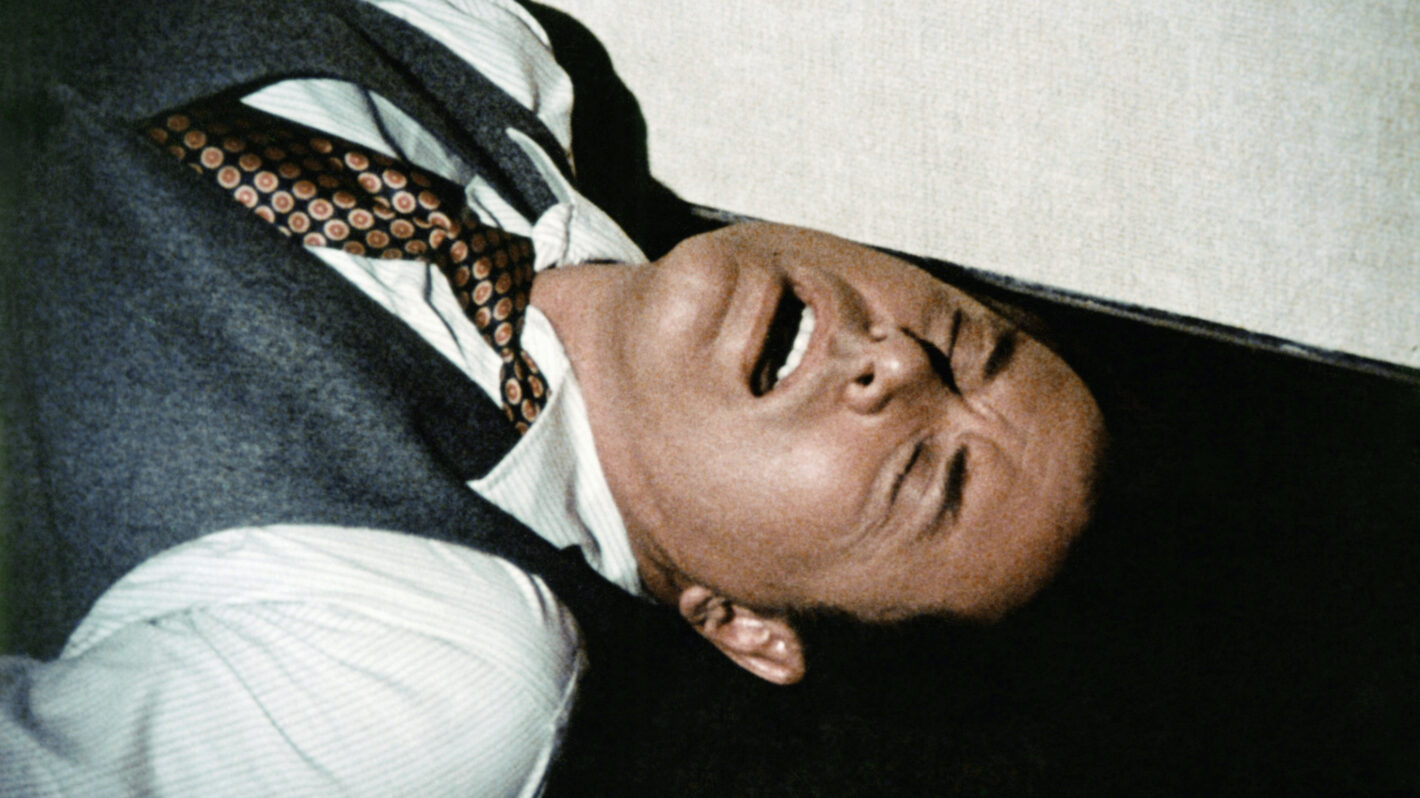
So, let’s set the scene: Nothing, and I mean nothing, captured the nation’s attention this week like the question, “Who Shot J.R.?” On March 21, in the third-season finale of the hit show Dallas, Larry Hagman’s villain-you-love-to-hate, J.R. Ewing, was gunned down by an unknown assailant.
J.R.’s fate — and the question of whodunnit — were left in the balance in the greatest cliffhanger in television history, one that not only became an obsessive guessing game for the next eight months, but popularized the whole notion of ending a season on a mystery that would drive fans wild.
As far as real-life drama goes, however, little compared to the ongoing Iran Hostage Crisis, which had exploded in November. This week, on March 22, President Carter met privately with advisers and military leaders to discuss Operation Eagle Claw, which was designed to rescue the 53 U.S. Embassy staff still held captive in Tehran. (The operation would become a spectacular failure the following month.)
The hostage crisis was so profoundly important that ABC News had the good sense to give nightly updates at 11:30 ET, under the name America Held Hostage. On March 24, the show, hosted by Ted Koppel, changed its name to Nightline.
The assault on the embassy staff was prompted by Carter’s decision to grant asylum to the deposed Shah of Iran so he could undergo cancer treatment. Ultimately, though, the former Shah, Mohammad Reza Pahlavi, was ordered to leave the U.S., and he went to Panama. On March 28, he had cancer surgery in Egypt, but would only live another four months.
As all this played out, Carter this week held firm that the United States would boycott the Summer Olympics in Moscow to protest the Soviet invasion of Afghanistan, telling athletes summoned to the White House on March 21: “I can’t say at this moment what other nations will go to the Summer Olympics in Moscow. Ours will not go. I say that not with any equivocation. The decision has been made.”
IN OTHER NEWS
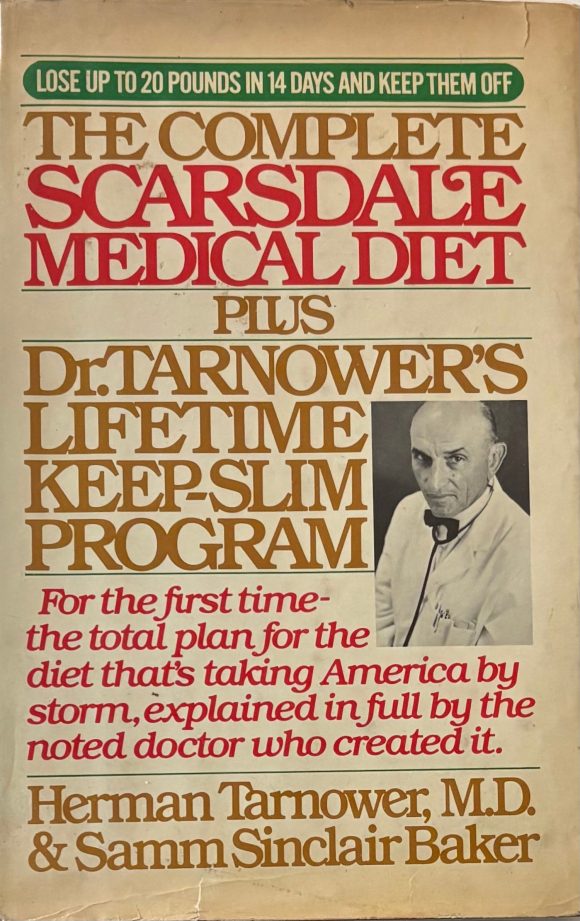
— Sure, there was J.R., but a real-life murder case kept Americans rapt, as well. Earlier in the month, best-selling Scarsdale diet Dr. Herman Tarnower was killed by his jealous former lover Jean Harris, a school administrator, at his home in Purchase, N.Y.
— In his re-election year, Carter faced a Democratic primary challenge from Massachusetts U.S. Sen. Ted Kennedy. Carter was the certain front-runner, but Kennedy punched back hard March 25 with victories in New York and Connecticut.
— On March 24, Oscar Romero, the Roman Catholic archbishop of San Salvador, was assassinated while celebrating evening Mass. Nobody was ever convicted of the crime but the U.N. later concluded the shooting was ordered by Roberto D’Aubuisson, the leader of the right-wing Nationalist Republican Alliance. The archbishop’s murder has been dramatized on film many times, most notably by actor Raul Julia in the 1989 film Romero. The fallen spiritual leader would be canonized as a saint in 2018.
— On March 28, a stolen bus carrying Cubans who wanted to leave their country crashed through the gates of the Peruvian embassy in Havana. The move kicked off the events that would lead to the notorious Mariel Boatlift.
— Finally, there were rumblings in the West. On March 20, volcanic activity began at Mount St. Helens in Washington state after being dormant for almost 125 years. On March 27, the volcano vented steam. Volcanic activity steadily increased and less than two months later, disaster would strike.
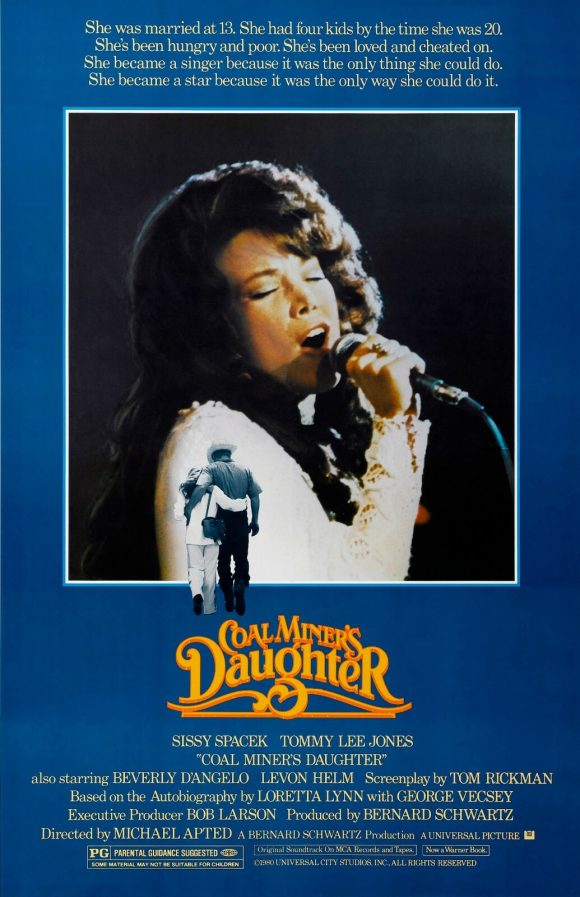
The Loretta Lynn biopic Coal Miner’s Daughter, starring Sissy Spacek (who won an Oscar for the role) and Tommy Lee Jones, was the No. 1 movie at the box office. Other hits included the mesmerizing All That Jazz, a Roy Scheider tour de force directed by Bob Fosse; the of-the-moment divorce drama Kramer vs. Kramer, starring Dustin Hoffman, Meryl Streep and a boy named Justin Henry; American Gigolo, which helped launch Richard Gere to stardom; Little Darlings (Tatum O’Neil/Kristy McNichol) and the similarly themed Foxes (Jodie Foster); the controversial Cruising, starring Al Pacino; and two horror flicks — The Fog and The Silent Scream.
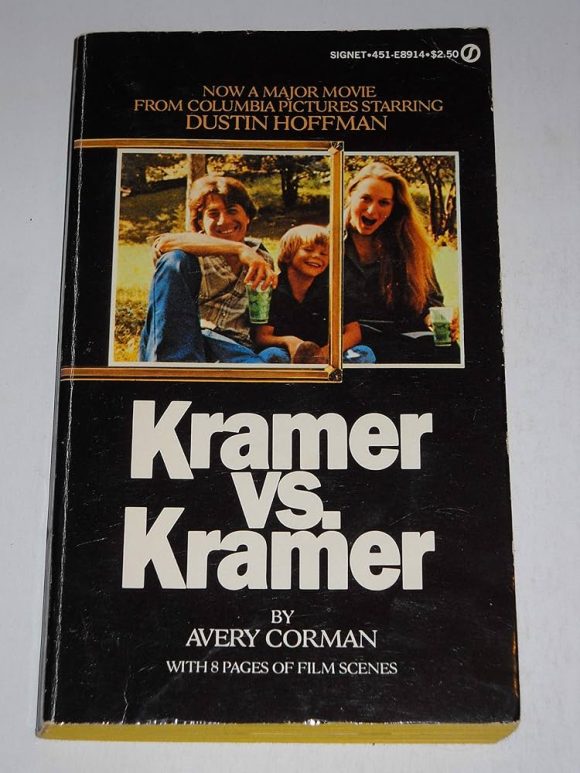
(Side note: Kramer vs. Kramer, by Avery Corman, was the first novel for grown-ups I ever read.)
Dallas, naturally, was a ratings grabber, along with MASH, Dukes of Hazzard and Alice, whose Polly Holliday spinoff Flo was a smash in its March 24 debut. Also of note: Closed captioning of TV shows began this month.
Pink Floyd’s Another Brick in the Wall (Part 2) — off the monster album The Wall — was the hottest single in America, with Crazy Little Thing Called Love by Queen and Blondie’s Call Me — from American Gigolo — also among the most popular songs.
Beside The Wall, notable albums included Bob Seger’s Against the Wind; the Sugarhill Gang’s self-titled debut album, featuring an almost 15-minute version of Rapper’s Delight; the Ramones’ End of the Century; Billy Joel’s Glass Houses; the Beatles’ Rarities compilation; and Heart’s Bebe le Strange, which included Even It Up and the immortal line, “And when you were hungry I brought you your breakfast in beh-ee-eh-ed.”
—
Dan Greenfield, editor, 13th Dimension
Detective Comics #491, DC. The Dollar Comic era for Detective, when it was still basically Batman Family. You get some Maxie Zeus, some solo Batgirl, a Black Lightning story (there was always a non-Bat character in the mix after the merger), even some Jason Bard. But most noteworthy is the Robin solo story, because he was still at Hudson University doing Hudson University things. He even had a girlfriend nobody remembers, named Jennifer Anne. Within months, however, he’d quit school, get angry at Batman and go on to lead one of the ’80s greatest superteams.
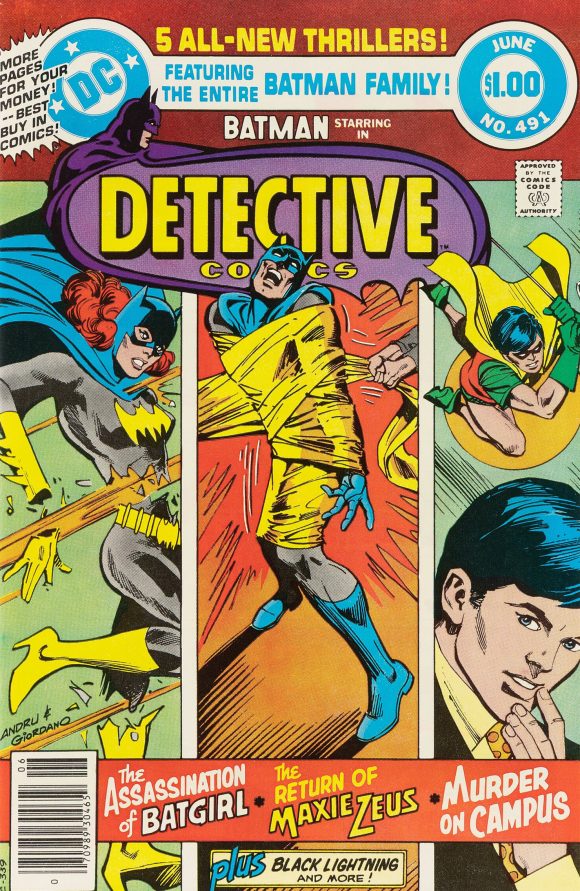
Scott adds: Yikes! How did this cover get past the Comics Code?
—
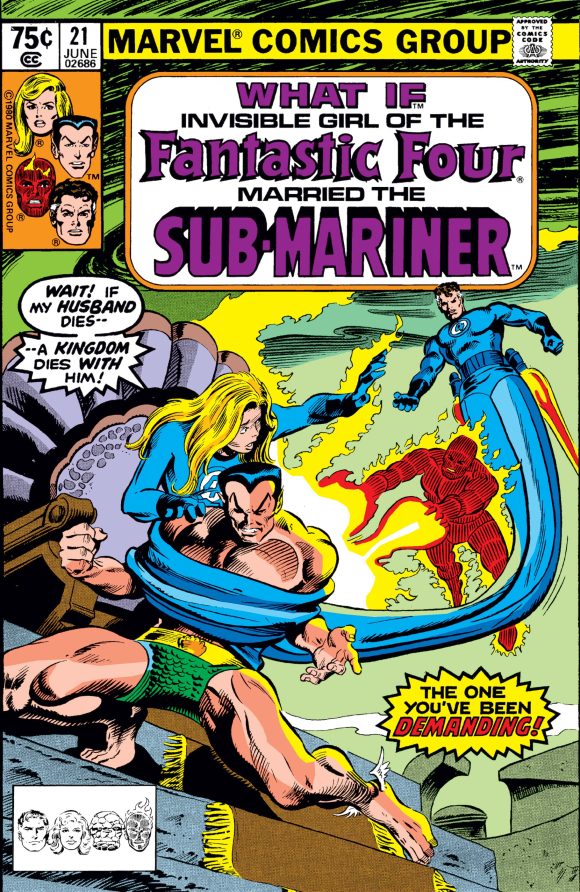
What If? #21, Marvel. Look, at least Namor is a lot more fun at parties, shouting “Imperius Rex!” and everything.
—
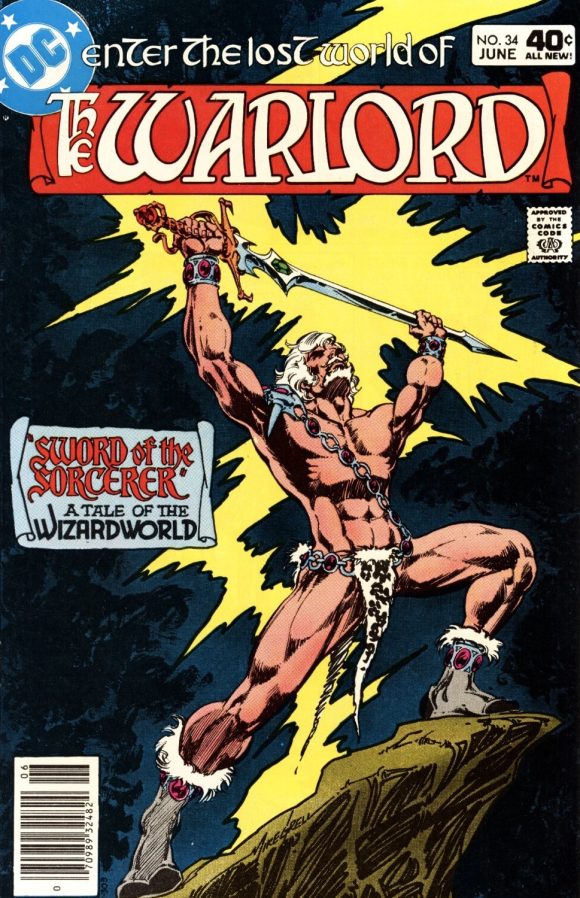
Warlord #34, DC. In which Travis Morgan obtains his magic sword, Hellfire. All the older readers I knew — as in, probably 16-year-olds — loved this series. Loved it.
—
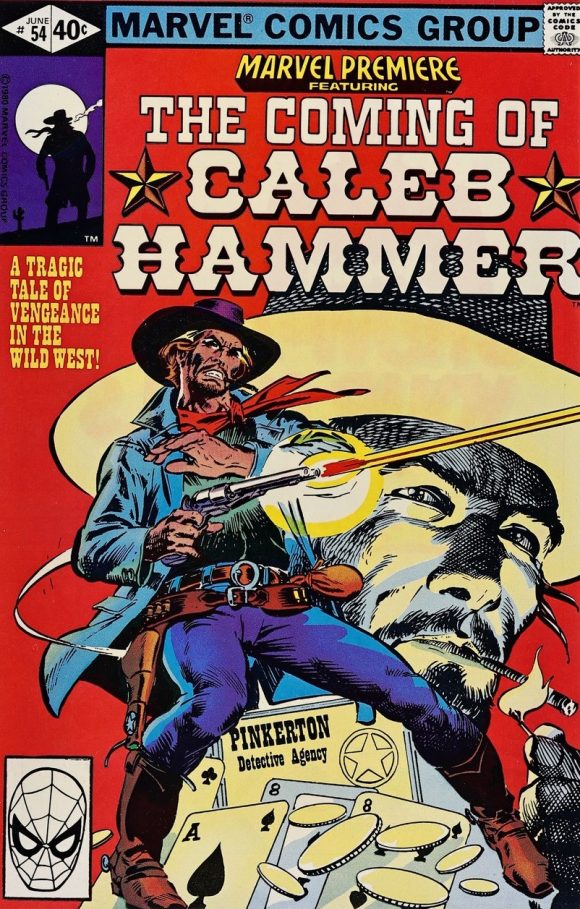
Marvel Premiere #54, Marvel. The coming of Caleb Hammer, who became little more than a footnote in Marvel history.
—
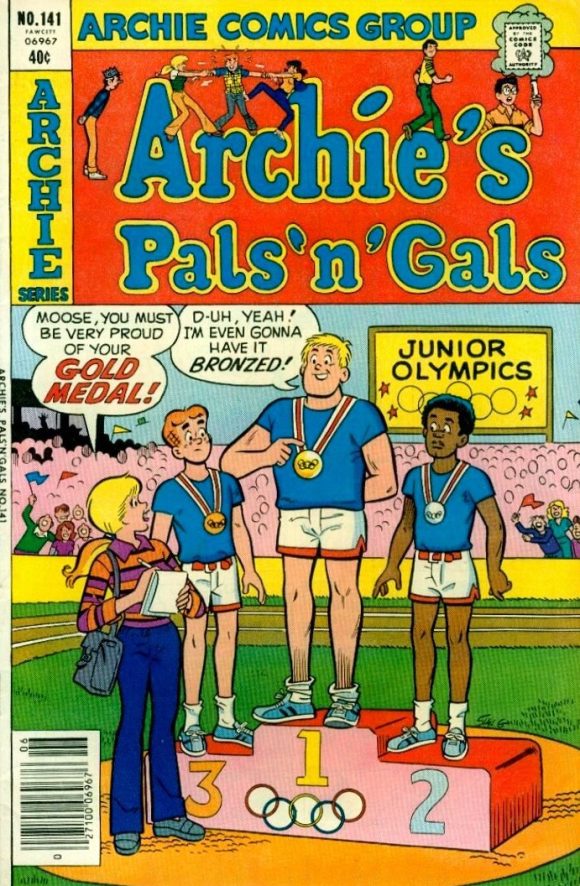
Archie’s Pals ‘n Gals #141, Archie. Who’s gonna tell Moose the Americans aren’t going to the Olympics this year?
—
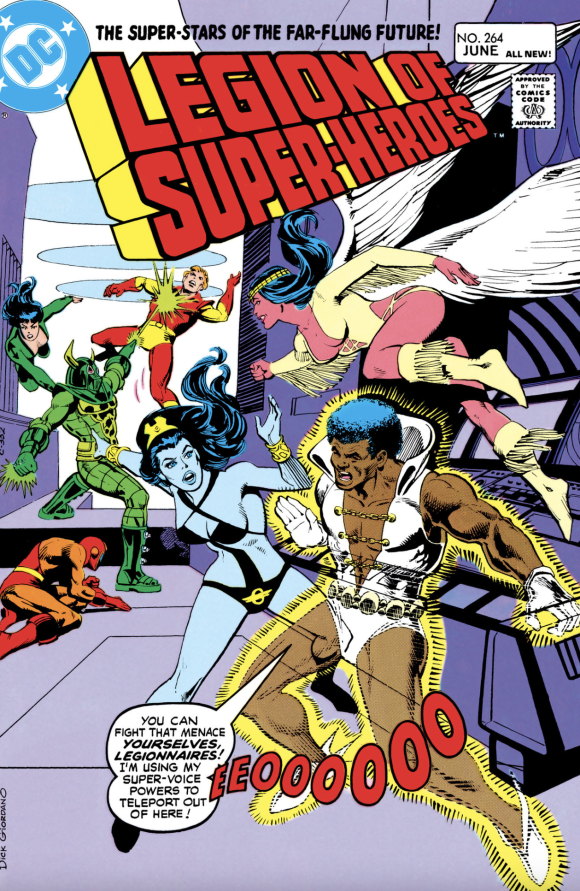
Legion of Super-Heroes #264, DC. From his very inception, Tyroc never got a break.
—
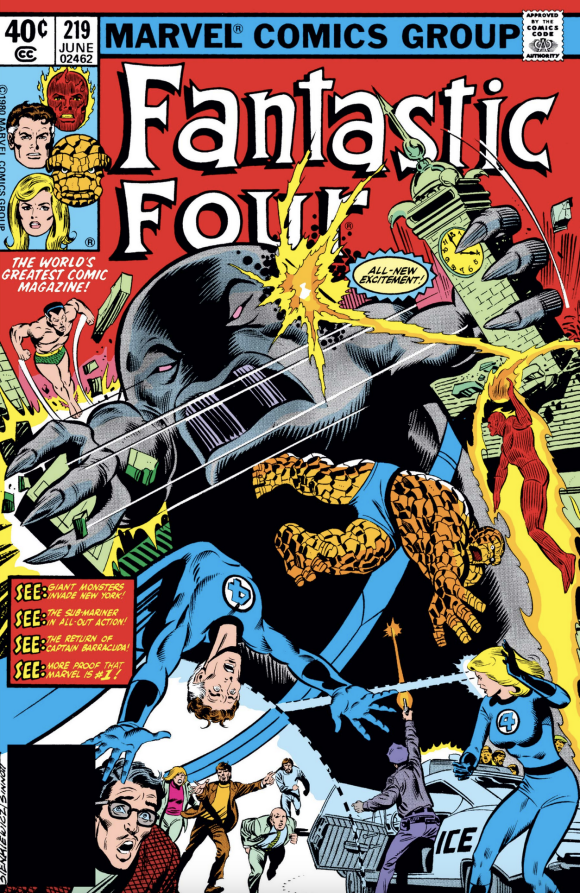
Fantastic Four #219, Marvel. That’s a Bill Sienkiewicz cover there, inked by Joe Sinnott. Of course, he wasn’t quite Bill Sienkiewicz yet. He also did the interior breakdowns, with Sinnott doing the finished art.
—
Scott Tipton, contributor-at-large, 13th Dimension
Marvel Team-Up #94, Marvel. I was always a big fan of the Shroud. I wish he would have gotten a better run somewhere.
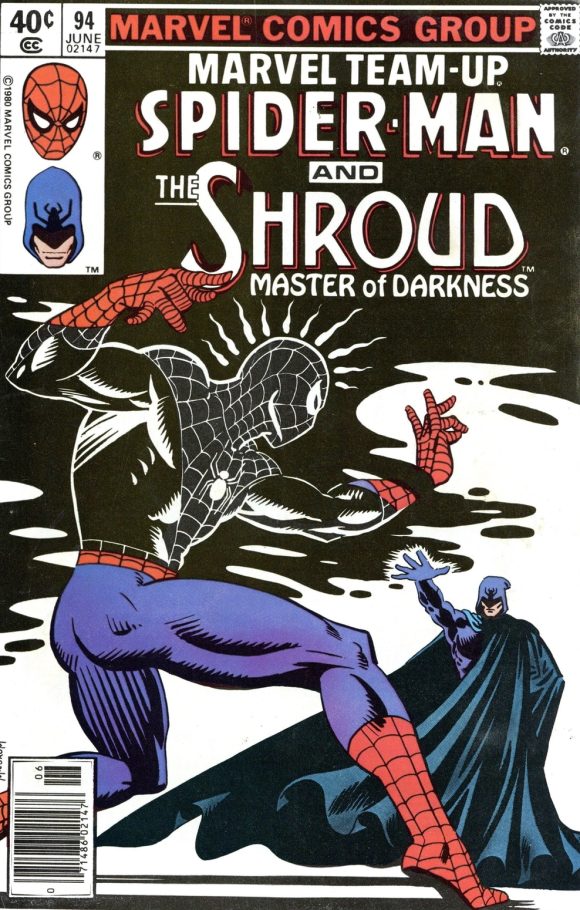
Dan adds: Negative imagery!
—
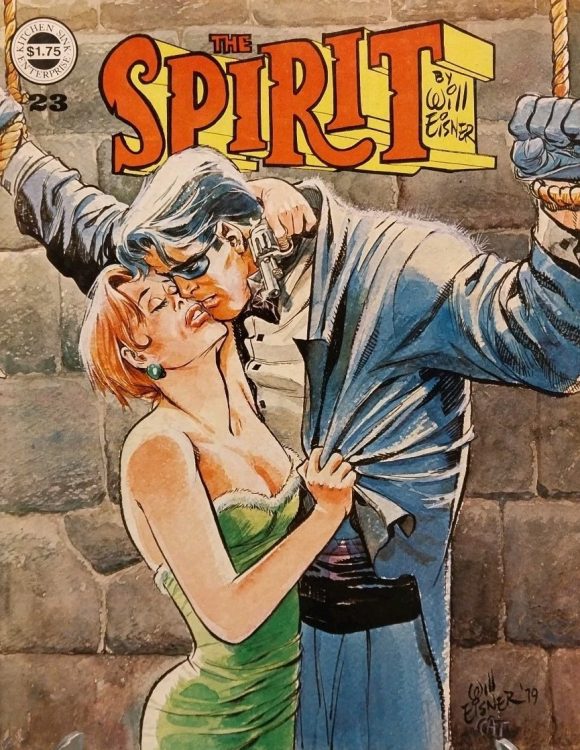
The Spirit #23, Kitchen Sink. These Kitchen Sink Spirit reprint magazines had wonderful new Will Eisner covers.
—
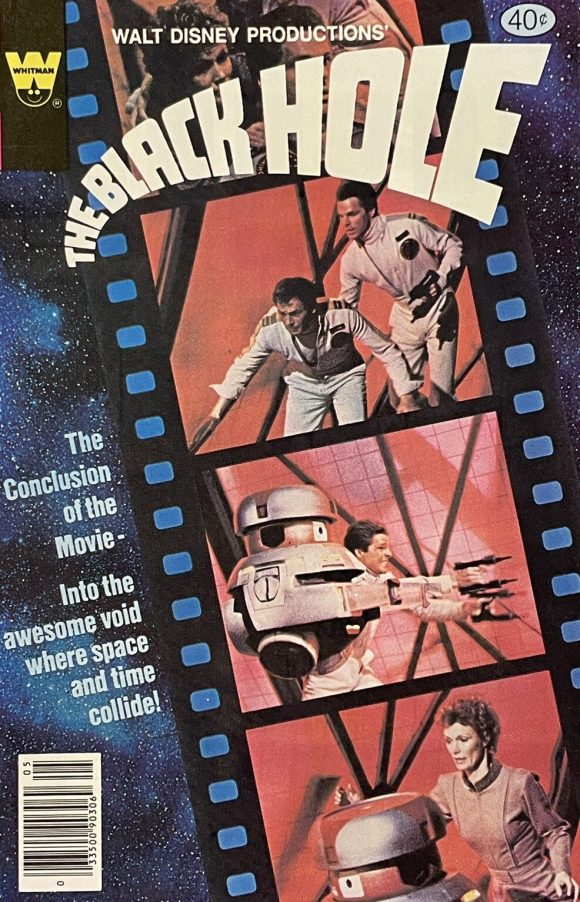
Walt Disney: The Black Hole #2, Whitman/Gold Key. There wasn’t a ton of Black Hole merchandise in the spring of 1980, but I bought as much as I could find. This reprinted the second half of the movie adaptation from the previous fall’s Walt Disney Showcase #54.
—
MORE
— RETRO HOT PICKS! On Sale The Week of March 18 — in 1957! Click here.
— RETRO HOT PICKS! On Sale The Week of March 11 — in 1971! Click here.
—
Comics sources: Mike’s Amazing World of Comics and the Grand Comics Database.

March 25, 2026
Well, I for one enjoyed Caleb Hammer. If memory servers, I think the artist was the late (and great) Gene Day.
March 25, 2026
Re. Warlord. As a 16 year old in 1980, can confirm.
March 25, 2026
What If…? #21 being notable for being the first What If…? issue to be a sequel to an earlier issue. This didn’t happen very often and probably isn’t clear from the cover–but it turns out that this world’s FF has Spider-Man in the place of Sue, who quit in issue #1. (And then it had something of yet another sequel in the 1990s What If…? book as well.)
March 25, 2026
Marvel Team-Up was such a fun series, as was Two-In-One.
And props for choosing to spotlight the under appreciated Even It Up by Heart over the more (and many) ubiquitous tracks from Bob Seger’s Against the Wind.
March 25, 2026
I just reread the Caleb Hammer story for the first time in decades. It holds up well.
March 25, 2026
>> obtains his magic sword, Hellfire.
>>
Was the magic in that it wasn’t very sharp?! Ow!
March 25, 2026
I was in college that month, wandering down to the convenience store for my comics fix. Yes, we all watched “Dallas.” It was decades later that I realized that when the world was asking “Who Shot J.R?” the writers hadn’t figured who did it yet, either. The Hostage Crisis was the other hot topic that year; remember “America Held Hostage?” Loved The Shroud, and while I never saw the movie “The Black Hole,” I saw the comic in the spinner racks and ads for the film were in all the comics I bought, it seemed.