
Scott and Dan hit up the comics racks from 54 years ago…
This week for RETRO HOT PICKS, Scott Tipton and I are selecting comics that came out the week of July 9, 1971.
Last time for RETRO HOT PICKS, it was the week of July 2, 1956. Click here to check it out.
(Keep in mind that comics came out on multiple days, so these are technically the comics that went on sale between July 6 and July 12.)
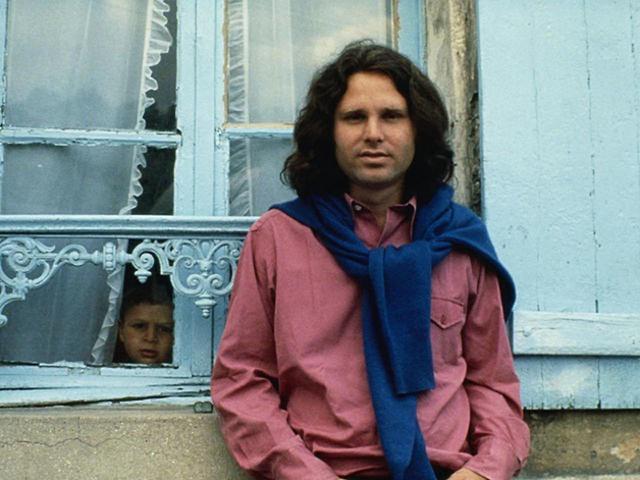
One of the last pictures of Jim Morrison. Late June, 1971.
So, let’s set the scene: About nine months after Jimi Hendrix and Janis Joplin died within a month of each other in 1970, both at the age of 27, fans were mourning the death of Doors frontman Jim Morrison, who was found in his bathtub in Paris on July 3. He was also 27. Morrison was an alcoholic and had been spiraling for years. Since there was no autopsy, his cause of death remains uncertain to this day.
Morrison’s death put another exclamation point on the dark side of the ’60s youth movement, which by mid-1971 seemed ever more in the rearview mirror despite its continued pop cultural and political influence. (If I had to pick, say, three Doors songs, I’d go with Roadhouse Blues, The End, and Riders on the Storm, which was the last song Morrison recorded before his death.)
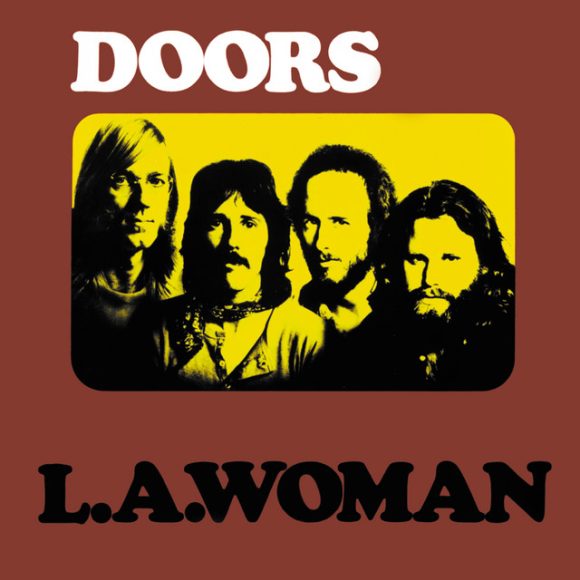
Morrison’s last Doors album. Released April 1971.
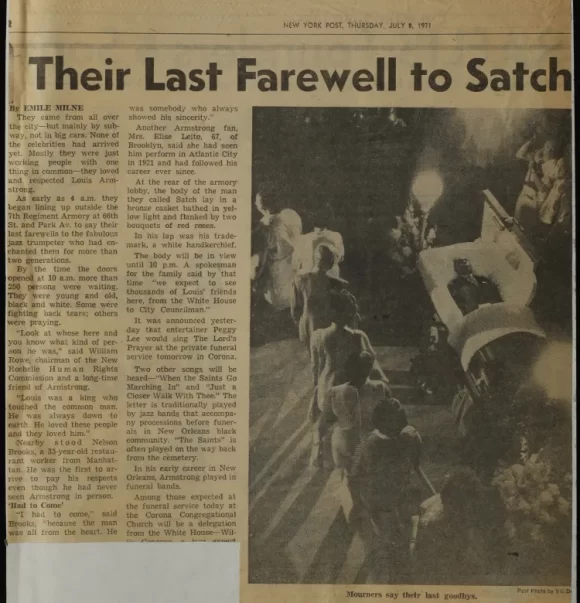
Given the nature of Morrison’s sudden demise and its grim symbolism, it’s easy to forget that one of the greatest American musicians of all time died the same week: ebullient jazz trumpeter and singer Louis Armstrong suffered a fatal heart attack in his sleep on July 6, at the age of 69.
His July 9 funeral in Corona, Queens, where he lived, was attended by 500 people, with 2,000 more crowded outside the church. His signature song, When the Saints Go Marching In, was played at the service, Peggy Lee sang The Lord’s Prayer, Al Hibbler sang Nobody Knows the Trouble I’ve Seen, and long-time friend, broadcaster Fred Robbins, gave the eulogy.

His honorary pallbearers were a Who’s Who of musical titans, comedy giants and well-known personalities: Pearl Bailey, Count Basie, Johnny Carson, Bing Crosby, Duke Ellington, Ella Fitzgerald, David Frost, Dizzy Gillespie, Benny Goodman, Harry James, Alan King, Frank Sinatra, Ed Sullivan and Earl Wilson.
IN OTHER NEWS
There were a number of profoundly important and influential developments this week, a veritable whirlwind of news and machinations that would have far-reaching consequences for years, even decades, to come:
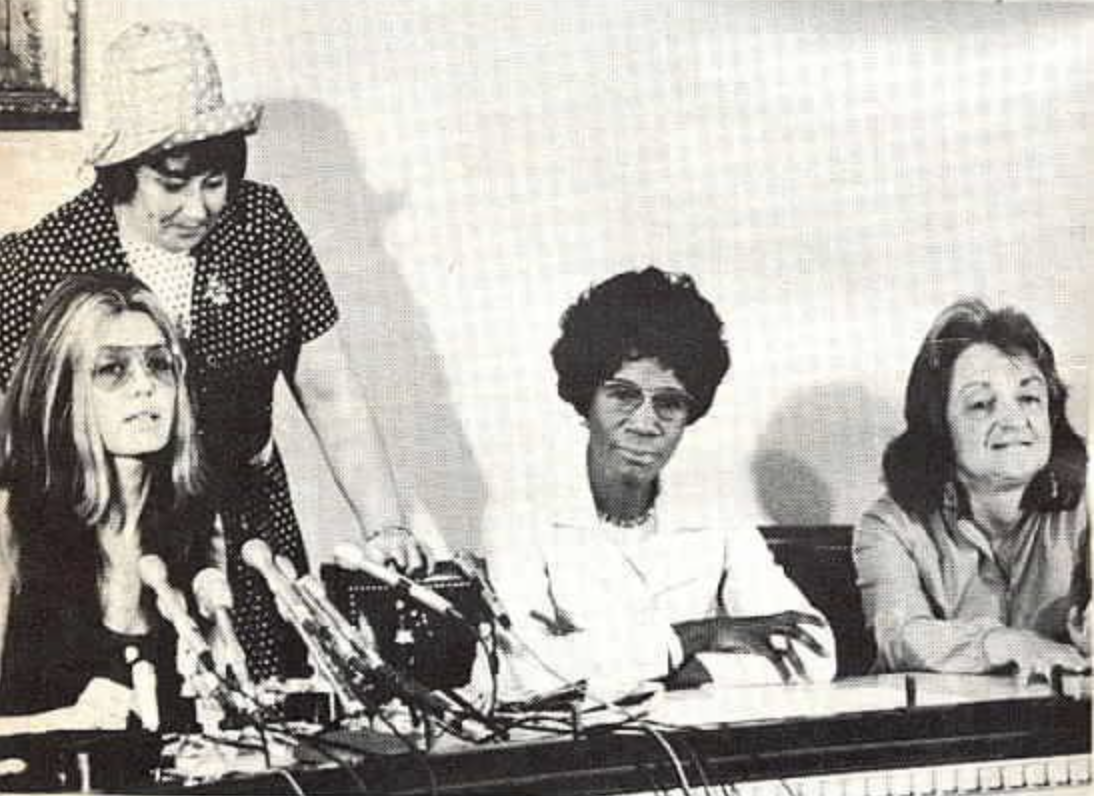
Gloria Steinem, Bella Abzug, Shirley Chisholm, Betty Friedan
– The National Women’s Political Caucus was organized in Washington July 10-11, a landmark in the feminist movement. The group’s leaders included Bella Abzug, Betty Friedan, Shirley Chisholm and Gloria Steinem, who made her Address to the Women of America, one of the most significant feminist speeches ever.
— June’s publication of the Pentagon Papers rocked the Nixon White House. In response, the moist hand-wringing led to July 6’s creation of the White House Special Investigations Unit — better known as the Plumbers. Members of the morally bankrupt crew ultimately became embroiled in the White House break-ins less than a year later.

G. Gordon Liddy
— Ever secretive, National Security Adviser Henry Kissinger on July 9 made a secret trip to China during a diplomatic swing through Asia. The press was lied to and told that Kissinger was “temporarily incapacitated by a stomach ailment” and staying in “a mountain resort in the hills of northeast Pakistan” overnight. The visit with the Chinese was disclosed six days later by Nixon, who in a national address announced that he would go to China by the spring of 1972.
— 18-year-olds in America were given the right to vote July 5, when the 26th Amendment to the Constitution was formally certified by Nixon. The age had been 21.
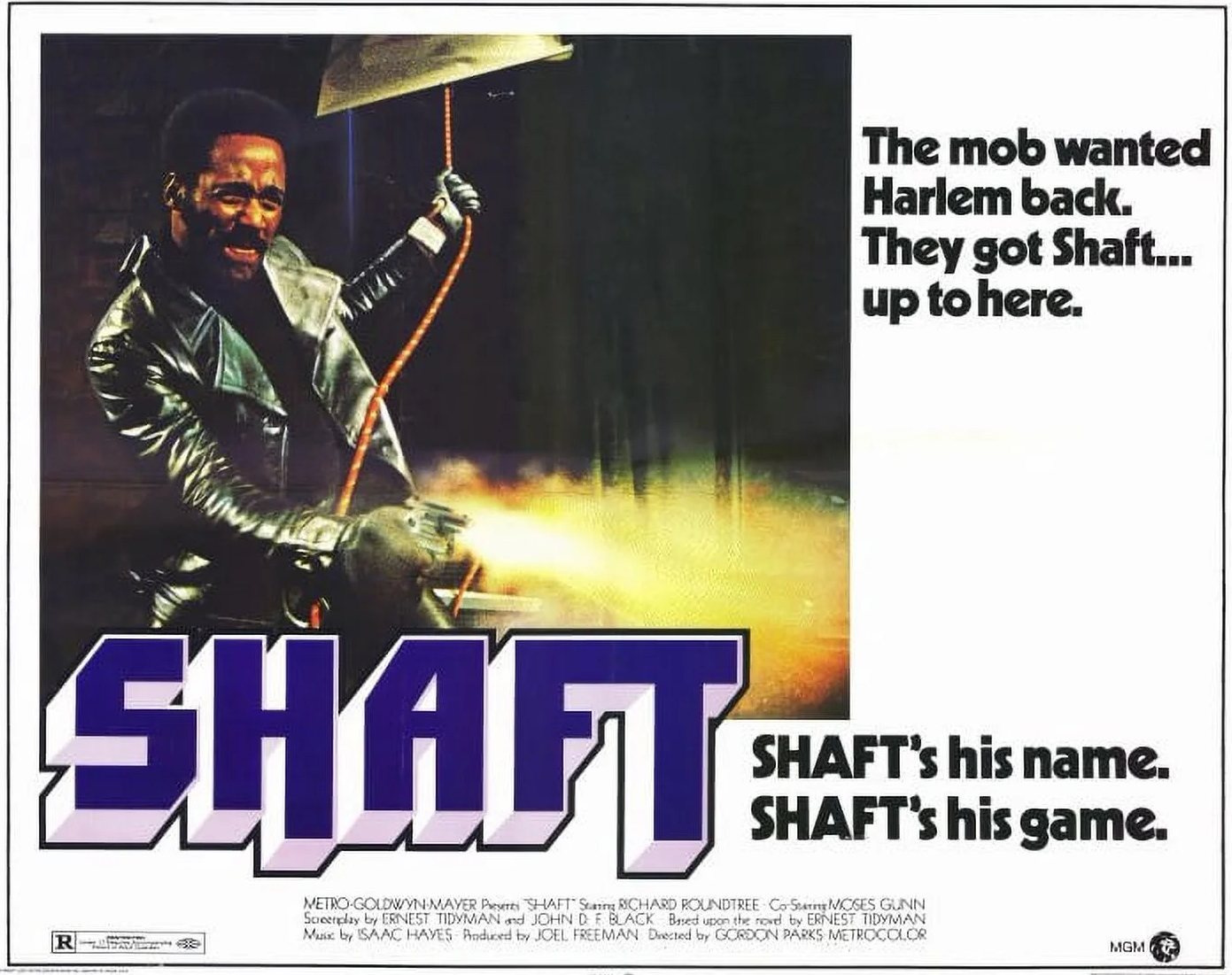
It was a pretty incredible time at the cinema, with a combination of memorable and groundbreaking dramas, romances, actioners and crowd pleasers on the big screen, including the No. 1 Love Story, as well as Summer of ’42; The Panic in Needle Park; McCabe & Mrs. Miller; Carnal Knowledge; Klute; Shaft; Billy Jack; Willard; Escape From the Planet of the Apes; and Willy Wonka & the Chocolate Factory.
Summer reruns, as usual, but the most popular shows included Marcus Welby M.D.; Hawaii Five-O; All in the Family; Medical Center; Love American Style; Mannix; The Mod Squad; and The Partridge Family.
There was also a charming little commercial for Coca-Cola airing on television this month for the first time. It featured a large group of young people on a hill outside Rome, lip synching a tune that became so popular it would be re-recorded and re-written as two, separate pop releases by the end of the year: I’d Like to Teach the World to Sing.
The ad, called “Hilltop” and devised by the advertising powerhouse McCann Erickson, became one of the most recognizable, resonant and even beloved commercials of the 1970s. The song was recorded in many languages and sold more sheet music than any tune in the previous decade. I remember singing it in school chorus. That’s how ubiquitous it was.
The concept was birthed during a flight delay in Ireland — but an alternate-reality, and perhaps more fitting, origin was detailed on Mad Men, the best show to ever appear on television.
Preparations were being made for the 1971 Major League Baseball All-Star Game, to be played July 13. The American League would win, 6-4, but the game was best known for one of the most powerful home runs caught on record — Oakland A’s slugger Reggie Jackson’s mammoth, Roy Hobbs-esque moon shot off the light tower atop the right center-field roof at Detroit’s Tiger Stadium. Pittsburgh’s Dock Ellis was the pitcher.
It’s Too Late/I Feel the Earth Move, a double-A side by Carole King, both off her No. 1 album Tapestry, topped the pop singles chart, followed by Indian Reservation (The Lament Of The Cherokee Reservation Indian) by the Raiders, at No. 2. Other hits included the dorky but fun Don’t Pull Your Love by Hamilton, Joe Frank & Reynolds, at No. 4, and, Ringo Starr’s It Don’t Come Easy, at No. 12.
Besides Tapestry, best-selling albums included Carpenters, at No. 2; Paul McCartney’s Ram, at No. 4; and the pre-stage-play concept album Jesus Christ Superstar, by Andrew Lloyd Webber and Tim Rice, at No. 5.
So what was the Greatest Rock and Roll Band in the World up to? Well, the Rolling Stones’ latest album, Sticky Fingers, released in the spring, was a smash, having already peaked at No. 1, but still high up at No. 3. One of their absolutely greatest rockers, Brown Sugar, a former No. 1, and Wild Horses, their signature ballad, were both on the charts too. The documentary Gimme Shelter, which detailed the disastrous 1969 Altamont concert, was still kicking around.
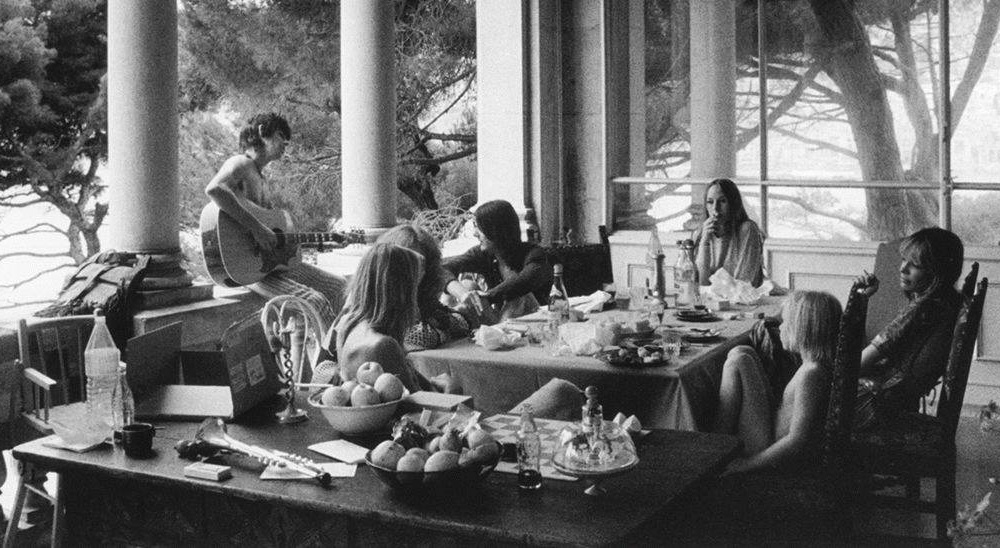
Regardless of their star status, their ability to churn out hit songs, produce spectacular albums, and fill arenas, the band was in deep financial trouble. Expensive legal troubles with former manager Allen Klein and a heavy tax bill from the British government forced them to become infamous tax exiles, decamping to the south of France, where they headquartered themselves in Keith Richards’ villa, Nellcôte, in Villefranche-sur-mer, which soon became the epicenter for dozens of musicians, engineers, friends and assorted hangers-on. The Stones were now part of the jet set, with Mick Jagger marrying model Bianca Pérez-Mora Macias in May in Saint-Tropez.
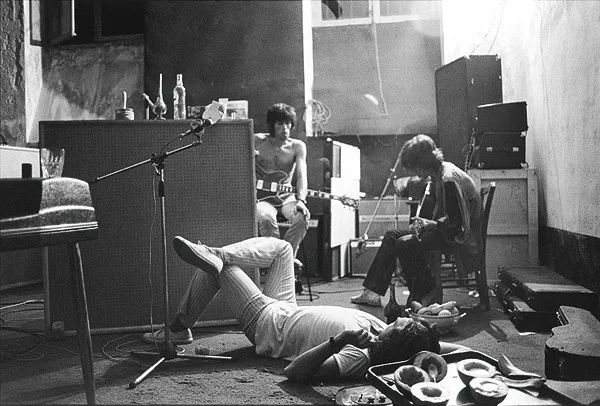
Arriving in France, the Stones prepared to work in earnest on their next album. They had compiled a lot of material from previous recording sessions, going back at least three years, but this week, with the aid of the Rolling Stones Mobile Unit, a portable studio, they began working in the villa’s hot and steamy basement, as well as other rooms in the house, producing a mass of music that spoke of its louche and swampy surroundings. The scene was the ultimate in high-flying, low-riding decadence — the very definition of sex, drugs and rock and roll.

Keith Richards. Greatest of them all.
The Rolling Stones may have been in exile but with their international star power and incredible run of critically and commercially successful records, they were firmly on Main Street in the public eye and imagination.
—
Scott Tipton, contributor-at-large, 13th Dimension
Superman’s Pal Jimmy Olsen #141, DC. “Listen up, you! I may be new to DC Comics, but if I know anything it’s this: KIDS LOVE DON RICKLES!”
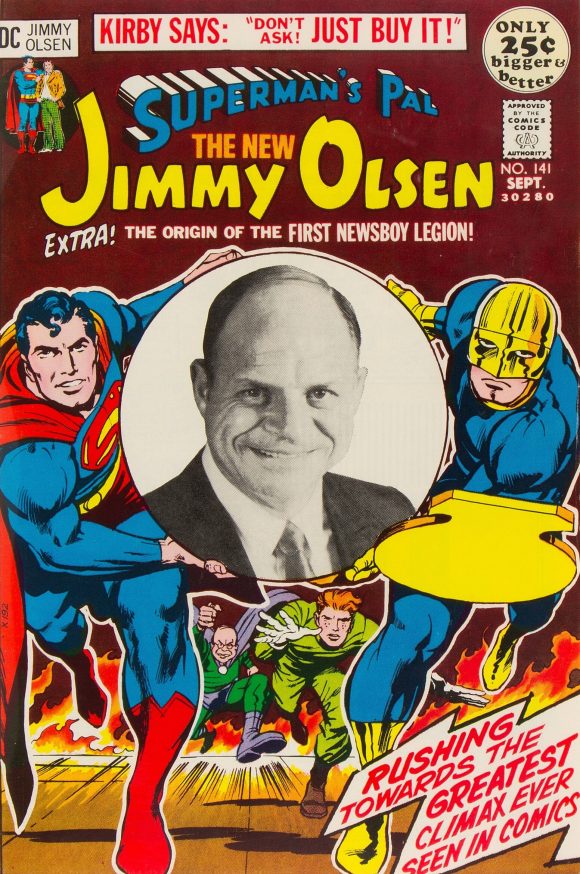
Dan: One of the strangest decisions of Jack Kirby’s career. (Aided and abbetted by Mark Evanier and Steve Sherman.)
—
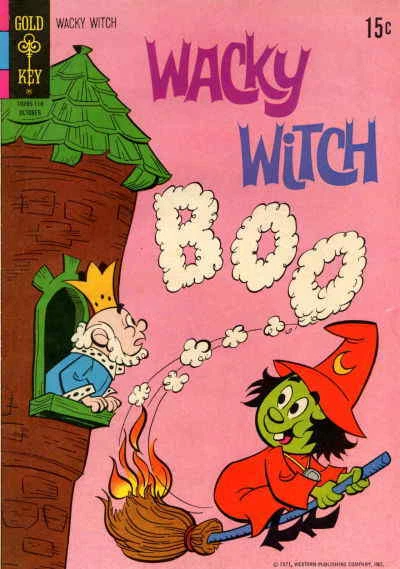
Wacky Witch #4, Gold Key. Wacky Witch was one of Gold Key’s few original properties, but she didn’t make much of a splash, lasting barely a couple dozen issues over four years.
—
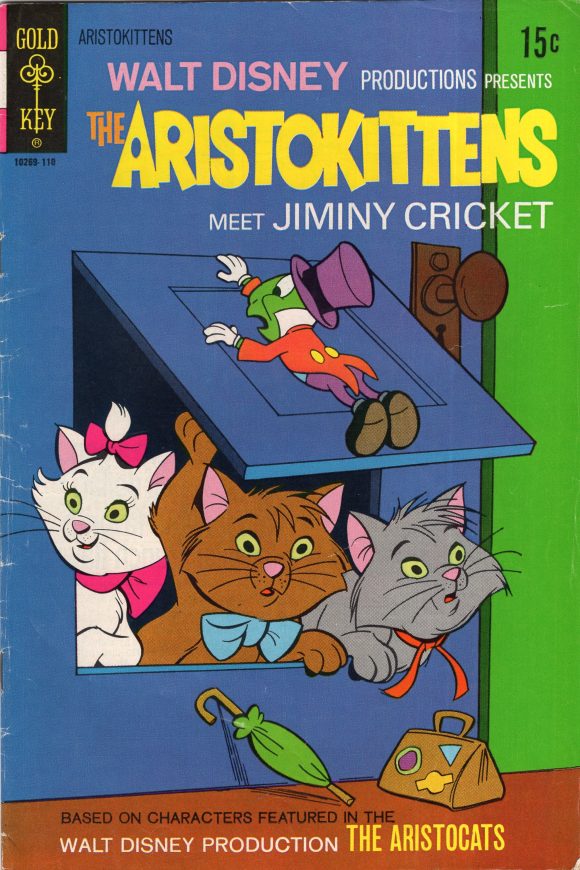
Walt Disney Productions Presents the Aristokittens Meet Jiminy Cricket #1, Gold Key. I’d think the Aristokittens would just eat Jiminy Cricket, but I guess that would make for a pretty short comic book.
—
Superboy #177, DC. I never did trust that Ma and Pa Kent. They’re up to something.
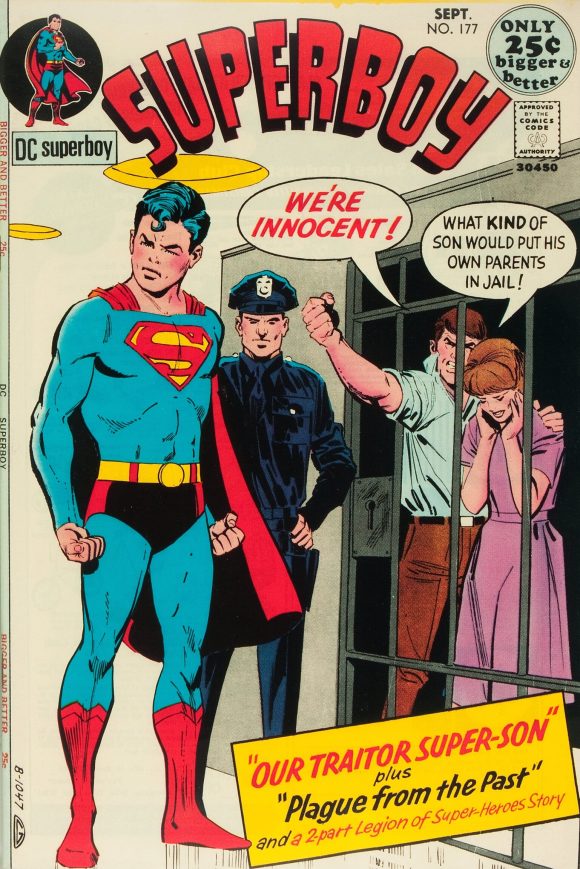
Dan adds: First, love the Dick Giordano cover. Also: Why did Superboy put his parents in jail? Because they sold contaminated food at the general store! Gasp! Actually, it was all a convoluted ruse to smoke out yet another ultimately unsuccessful Lex Luthor plot.
—
Dan Greenfield, editor, 13th Dimension
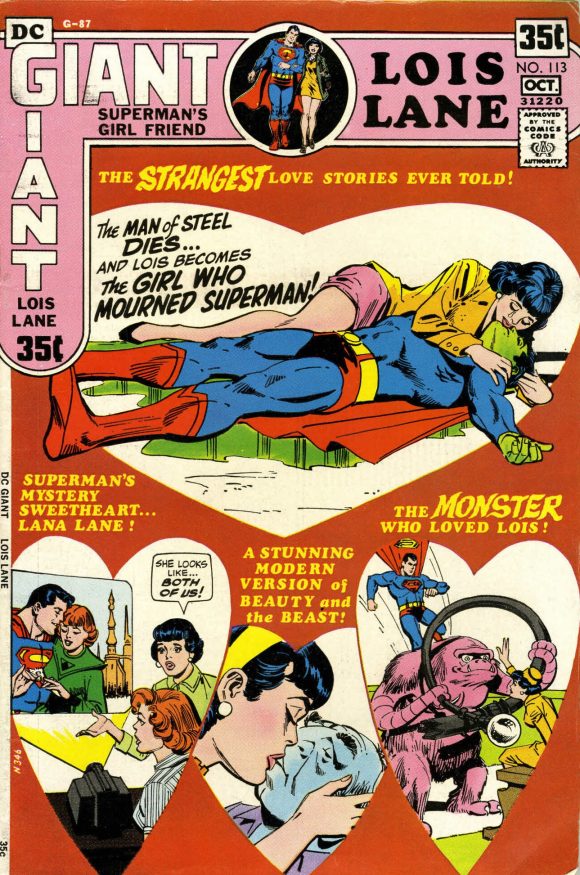
Superman’s Girl Friend Lois Lane #113, DC. I wonder what Gloria Steinem would have said about this one.
—
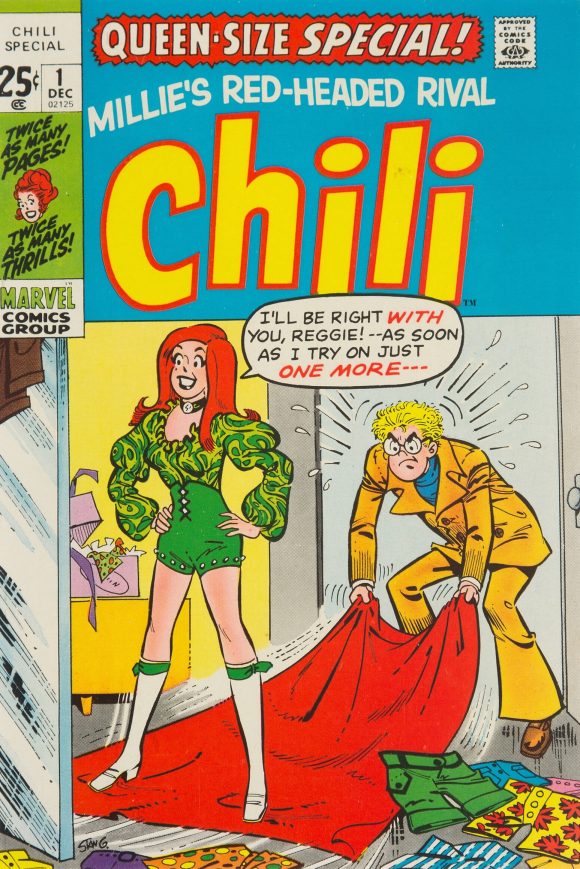
Chili Annual #1, Marvel. Archie Comics were so popular, Marvel couldn’t help but try to rip them off.
—
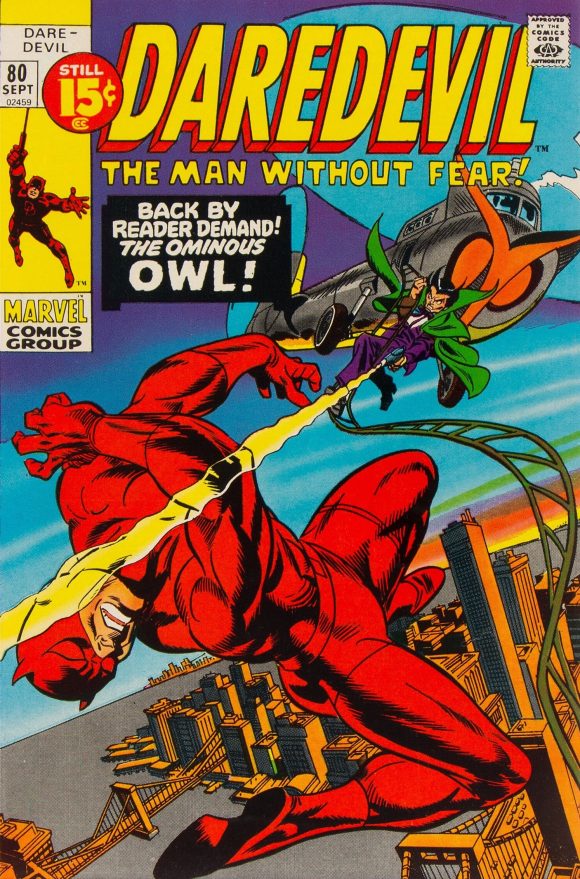
Daredevil #80, Marvel. Look, Gil. It’s a great cover. I get it. And you’re a master of anatomy. But I really, actually, don’t think any human could contort themselves like Ol’ Hornhead here. Still looks great though!
—
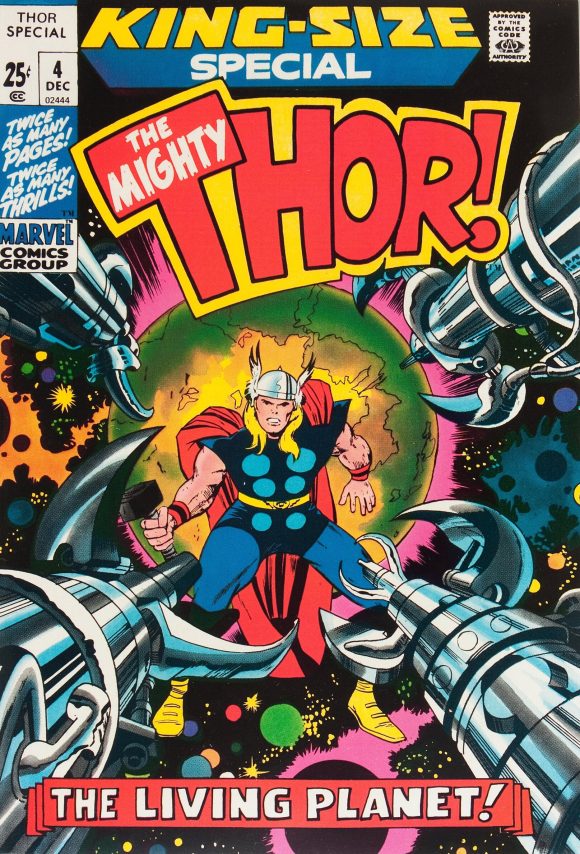
Thor Annual #4, Marvel. Thoughts on this particular Thor logo?
—
MORE
— RETRO HOT PICKS! On Sale The Week of July 2 — in 1956! Click here.
— RETRO HOT PICKS! On Sale The Week of June 25 — in 1960! Click here.
—
Primary comics sources: Mike’s Amazing World of Comics, the Grand Comics Database.

July 9, 2025
Wow! I remember Wacky Witch! Funny and cute when you were ten years old. And isn’t that what reading comics is about sometimes when you’re a kid?
July 9, 2025
Wait…Don Rickles…?
That must have been an interesting production meeting. Maybe Redd Foxx was the original choice, but Rickles (whose live act was definitely not for kids) felt like the safer pick.
July 10, 2025
Kirby says “Don’t Ask! Just Buy It!” may be the greatest comic book cover come-on in history. I bet that was one time at least Stan Lee was smiling in professional admiration.
July 11, 2025
I used to live not too far from Jim Morrison’s childhood house in Melbourne, FL. I remember driving down thew highway one day and seeing the sign by the road. Whoa! I didn’t know Jim Morrison was from around here!
That thing with Nixon and China must have been lifted by the writers of the Six Million Dollar Man. The exact same thing happened in the TV movie The Solid Gold Kidnapping from 1973.
Escape from the Planet of the Apes. I used to have the record & comic adaptation of that. Ah, memories.
I wonder how many copies that Jimmy Olsen sold, with Don Rickles on the cover. I should go to my LCS and look for it in the dollar bin.
Never heard of Wacky Witch.
Well, that Lois Lane cover isn’t any worse than Detective Comics #371.
I’ve never heard of Chili, but they’ve even got a character named Reggie! Could they be any more obvious?
Not a fan of that Thor logo. I suppose it might work for another character, but not Thor.