
Scott and Dan hit up the comics racks from 64 years ago…
This week for RETRO HOT PICKS, Scott and I are selecting comics that came out the week of Feb. 18, 1962.
Last time for RETRO HOT PICKS, it was the week of Feb. 11, 1975. Click here to check it out.
(Keep in mind that comics came out on multiple days, so these are the comics that went on sale between Feb. 15 and Feb. 21.)
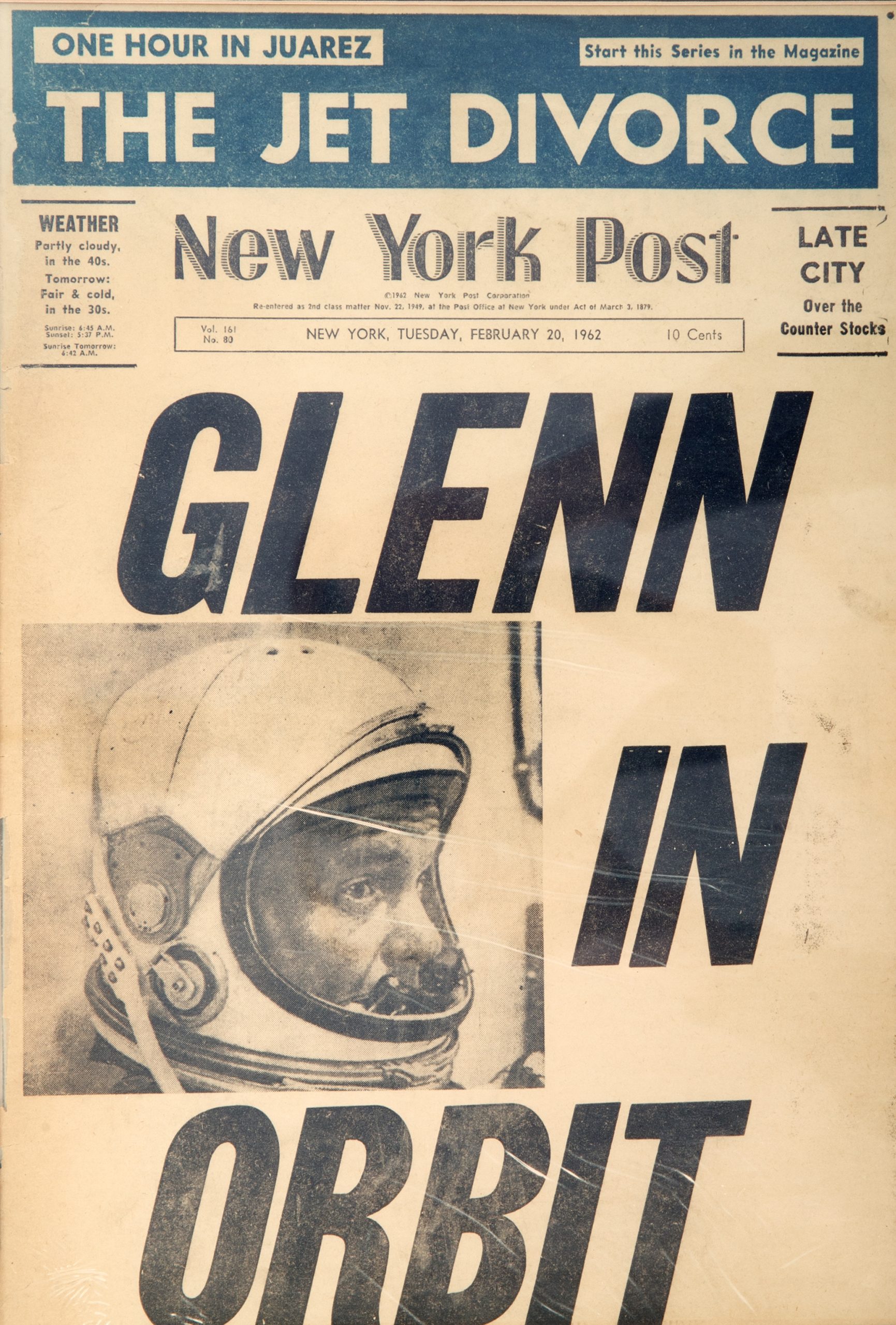
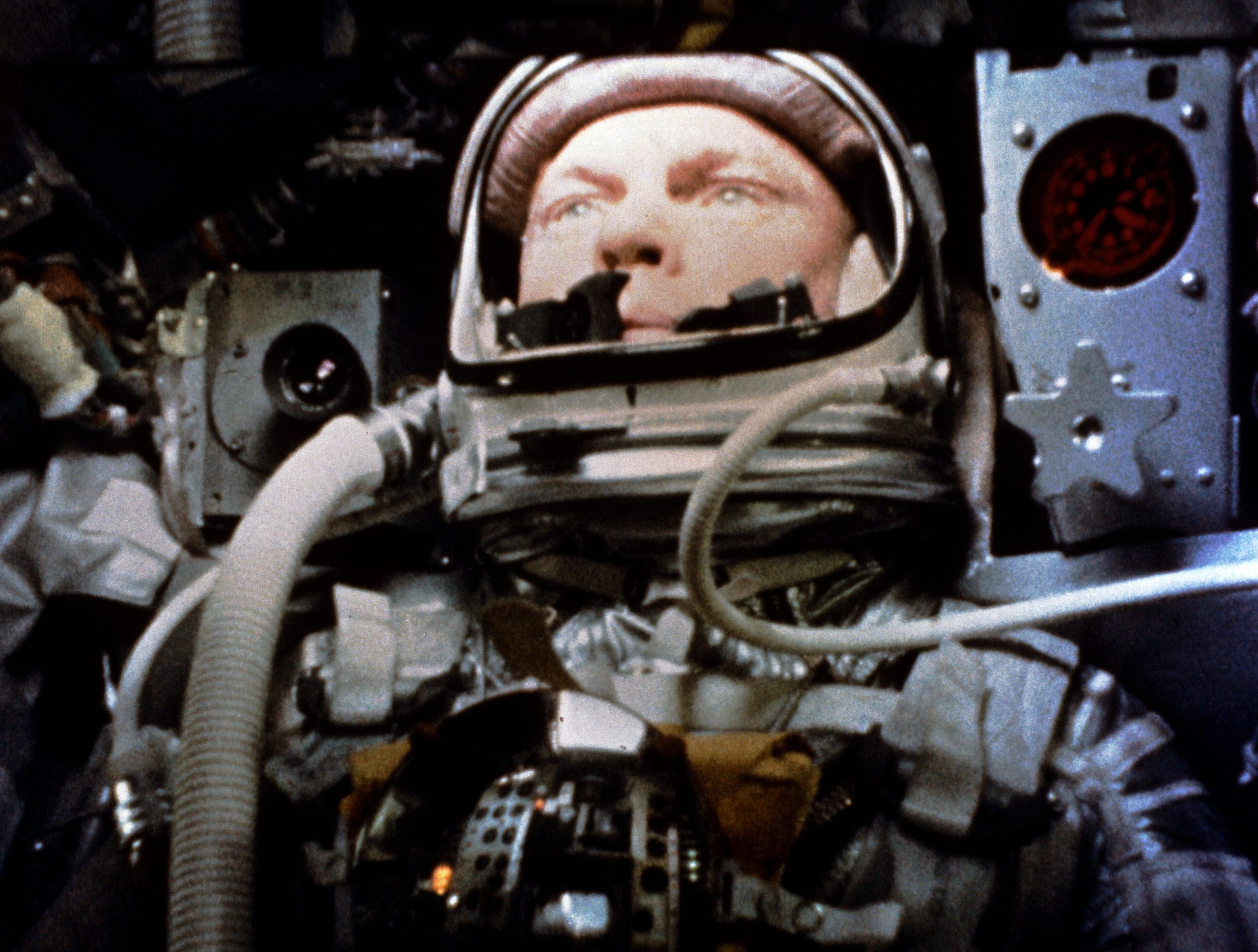
So, let’s set the scene: Astronaut John Glenn on Feb. 20 became the first American launched into orbit, one of the most important milestones in the Space Race. Glenn’s Mercury-Atlas 6 lifted off from Cape Canaveral, with an estimated 60 million watching live on television. Glenn circled the planet three times in his Friendship 7 capsule, besting Soviet cosmonaut Yuri Gagarin’s single orbit in April 1961.
The total flight time was 4 hours, 55 minutes and 23 seconds. Glenn landed in the Atlantic and was picked up by a Naval destroyer. Three days later, he arrived at Cape Canaveral to a hero’s welcome and was personally greeted by President Kennedy. Glenn revealed in an interview that the heat shield on his capsule began to break up upon re-entry, the loss of which would have been fatal. Said Glenn, with the stoicism only of a man who had The Right Stuff: “It could have been a bad day for everybody.”
(Side note: On Feb. 21, Soviet Premier Nikita Khrushchev sent a telegram to Kennedy, proposing that the Cold War rivals cooperate on their space programs. Ultimately, they would, but the first joint mission wouldn’t come until 1975’s Apollo–Soyuz.)
IN OTHER NEWS
— Glenn’s flight came amid a time of heightened international and domestic tensions, mixed with a certain amount of offsetting glamor. His flight made him an American hero — complete with a New York City ticker-tape parade in March — and the Kennedys were very much the country’s dazzling First Family. Less than a week before the historic mission, CBS and NBC on Feb. 14 aired the famed A Tour of the White House with Mrs. John F. Kennedy. The special was seen by 46,000,000 TV viewers, or three out of every four households in America — the highest rated program up to that time. (ABC ran the special four days later.)
— Earlier in the month, Kennedy announced a near-total embargo against Cuba, prohibiting imports from the island nation and blocking most exports. The Soviet Union retaliated by approving $133 million in military aid.
— Also in February, captured American pilot Francis Gary Powers was exchanged for Soviet spy Rudolf Abel in Berlin. Powers had been shot down over Russia in 1960 in the infamous U-2 spy plane incident.
— On Feb. 17, Secretary of Defense Robert S. McNamara outlined the Kennedy administration’s so-called “flexible response” nuclear strategy in a Chicago speech, including an arsenal large enough to launch a second strike against the Soviets, after an initial wave of attacks. Because that would work out so well.
— The public didn’t care at the time, but on Feb. 15, a baby girl, June Marina Oswald, was born to her parents, Marina and Lee Harvey Oswald in Minsk.
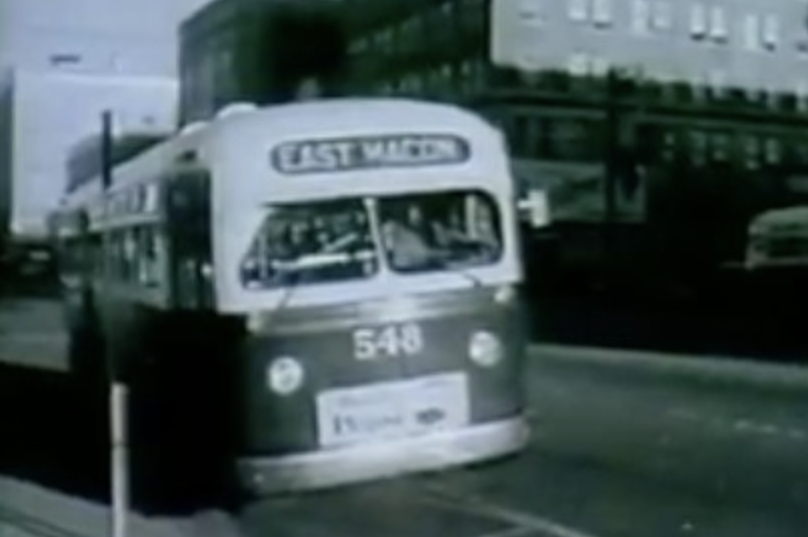
— Meanwhile, the Macon, Georgia, bus boycott, which began Feb. 12, was in full swing. It lasted for three weeks and ultimately achieved its aim of desegregation of city buses.
— And, finally, it was the officially the Age of Aquarius, at least according to Gnostic philosopher Samael Aun Weor, who declared as much Feb. 4. It was, he said, heralded by the alignment of the first six planets, the sun, the moon, and the constellation Aquarius.
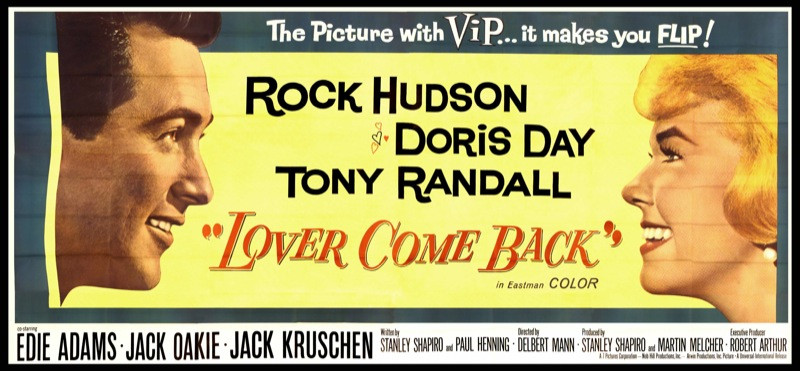
The romantic comedy Lover Come Back, starring Rock Hudson and Doris Day, was the most popular movie in America. West Side Story, released the previous fall, was still a smash, and other hits included Billy Wilder’s One, Two, Three and the musical Flower Drum Song. On Feb. 16, the groundbreaking La Jetée was released in France.
On Feb. 17, Elizabeth Taylor, just shy of her 30th birthday, was rushed to a hospital in Rome, where she and her lover, Richard Burton, were filming Cleopatra. 20th Century Fox said Taylor had become seriously ill from food poisoning. Actually, Taylor, torn up by her messy relationship with Burton and loveless marriage to fourth husband Eddie Fisher, had attempted suicide by taking an overdose of sleeping pills.
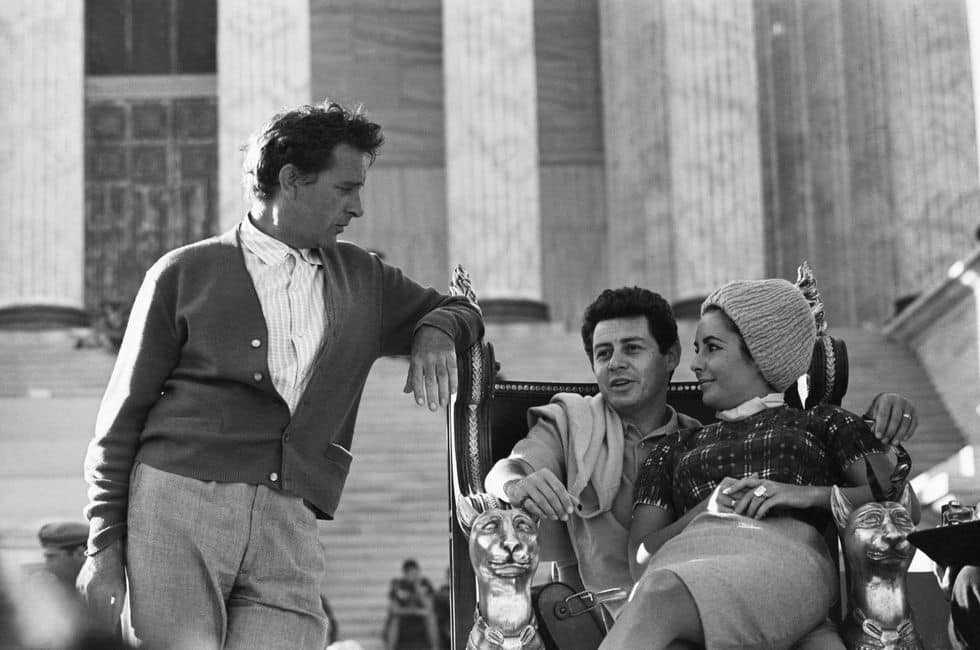
Burton, Fisher and Taylor on set in Rome
Eyes were glued to Glenn’s spaceflight and Jackie Kennedy’s White House tour, but the top-rated regular show was… Hazel. Other hits included Bonanza, Wagon Train, Candid Camera, Dr. Kildare, The Andy Griffith Show, The Danny Thomas Show, and The Red Skelton Show.
On Feb. 17, actor Joseph Kearns, who played Mr. Wilson on the Dennis the Menace, died at the age of 55 from a cerebral hemorrhage he suffered Feb. 11. Weirdly, the Feb. 11 episode, “Where There’s a Will,” dealt with Mr. Wilson’s paranoia that he only had a short time left to live.
Gene Chandler’s Duke of Earl was the biggest hit in the country, followed by Dion’s The Wanderer, while Chubby Checker set dance floors alight with The Twist. Elvis’ latest smash was the great Can’t Help Falling in Love, from the top-selling Blue Hawaii soundtrack. Other big LPs included the soundtracks to Breakfast at Tiffany’s and West Side Story.
Meanwhile, on Feb. 19, Chuck Berry reported to federal prison in Terre Haute, Indiana, for violating the Mann Act in 1959. He would serve 20 months.
—
Scott Tipton, contributor-at-large, 13th Dimension
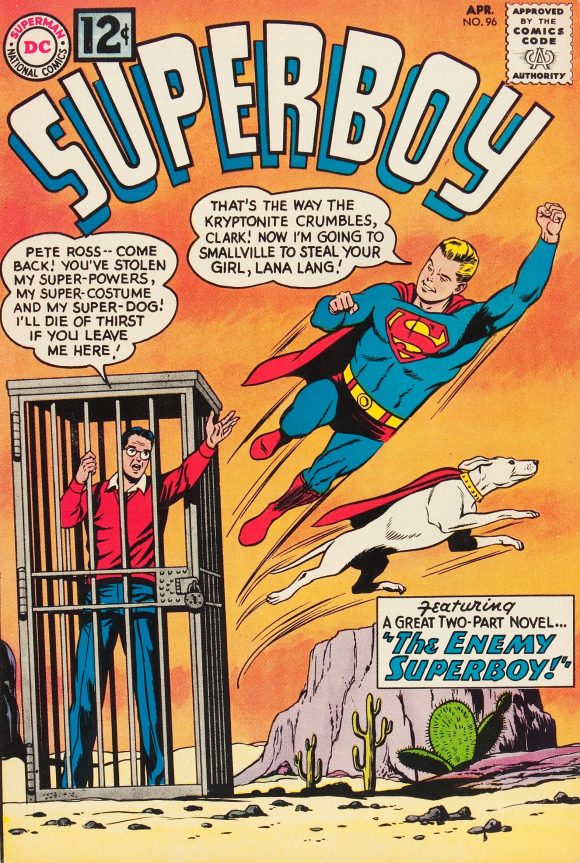
Superboy #96, DC. Pete Ross gonna steal your girl, Clark.
—
Fantastic Four #4, Marvel. The return of Sub-Mariner from the Golden Age, and arguably the birth of the notion of an interconnected Marvel Universe.
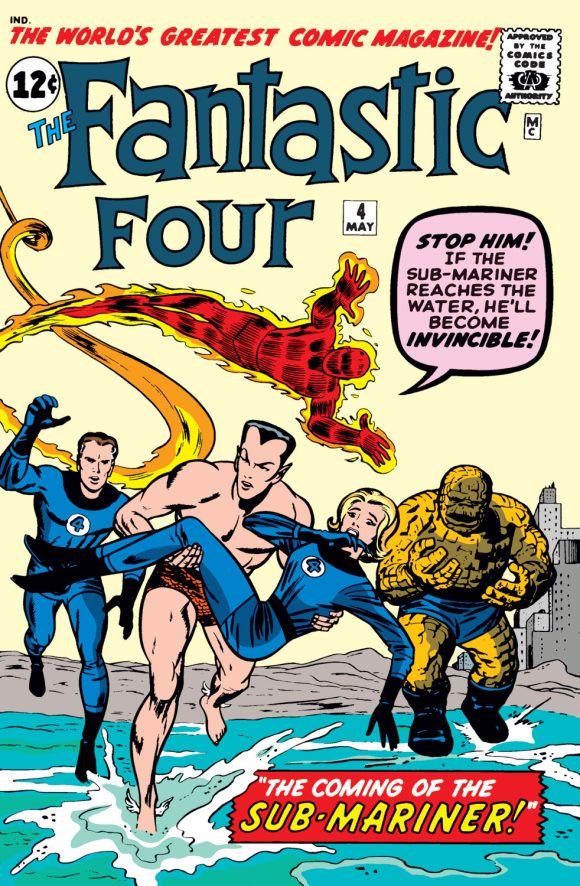
Dan adds: I would add that this issue took the Fantastic Four (and Marvel) to another level, even beyond the shared universe and desire to bring back old superheroes. The first three issues portrayed the Four as superhero comics’ answer to The Bickersons, but having Sue, Reed’s girlfriend, so captivated by Namor, added a love/lust triangle aspect that you didn’t typically see in such fare, particularly because it underscored Reed’s shortcomings. That paradigm would become richer in the years ahead and still pays off 64 years later. (Side note: This is one of those cases where we’re bending the rules. No Marvels came out this week, but this came out Feb. 8, so it was still on newsstands. Ergo, we’re allowing it.)
—
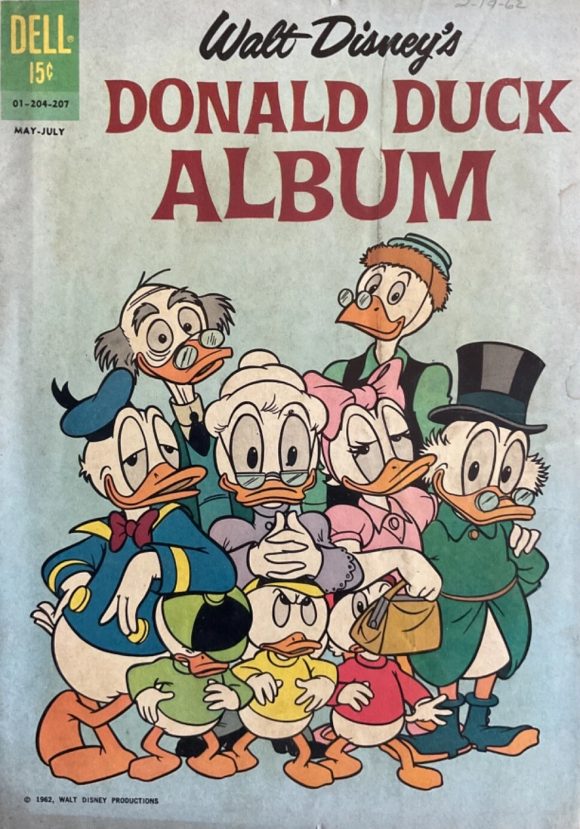
Walt Disney’s Donald Duck Album #1, Dell. Nephews ain’t getting no respect on this cover.
—
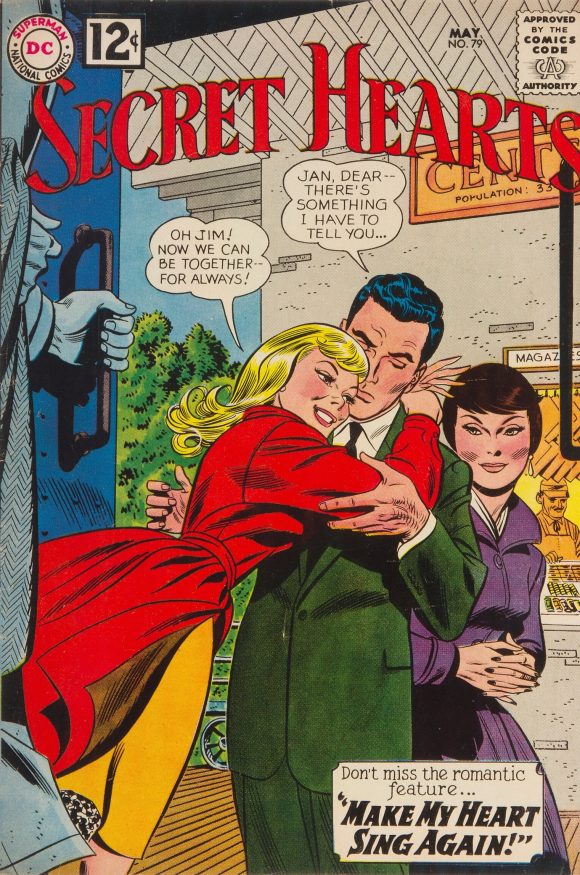
Secret Hearts #79, DC. Early cover from the great John Romita. Man, that brunette is up to something.
—
Dan Greenfield, editor, 13th Dimension
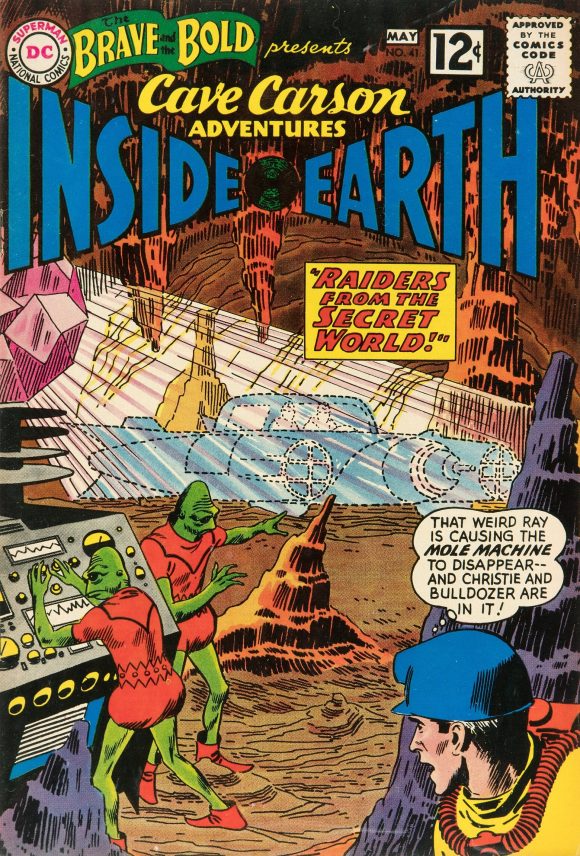
The Brave and the Bold #41, DC. DC gave Cave Carson every shot it could in The Brave and the Bold and Showcase, but for whatever reason, the feature just couldn’t make the jump to his own title like Sea Devils or Challengers of the Unknown. Still a good idea, though.
—
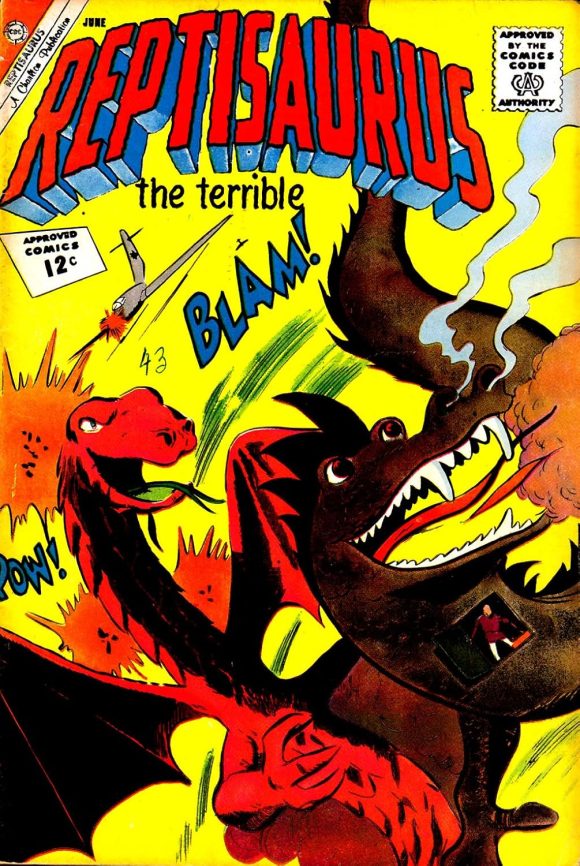
Reptisaurus #5, Charlton. The outfit out of Derby, Conn., had a thing for adapting schlock monster flicks, and this one is based on the 1961 Danish (!) Godzilla knockoff Reptilicus.
—
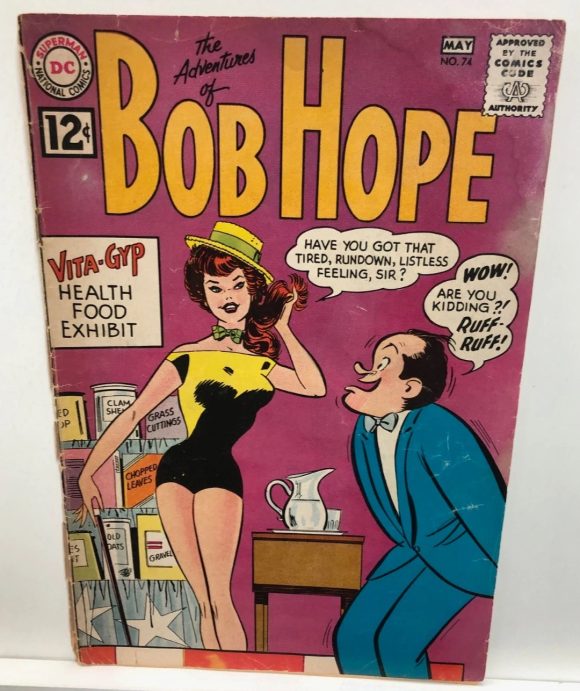
Adventures of Bob Hope #74, DC. Mort Drucker and Bob Oksner combine for a typical Bob Hope cover gag. Hope was so popular the book still had more than five years to go.
—
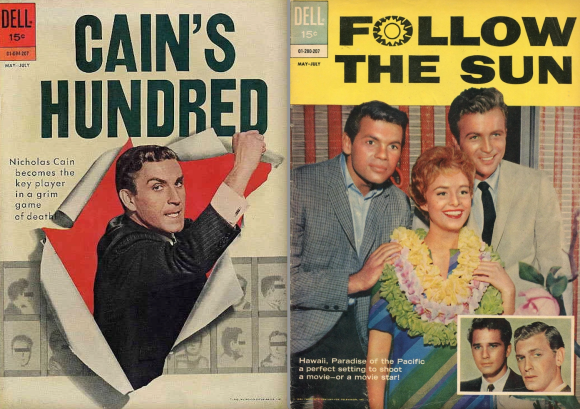
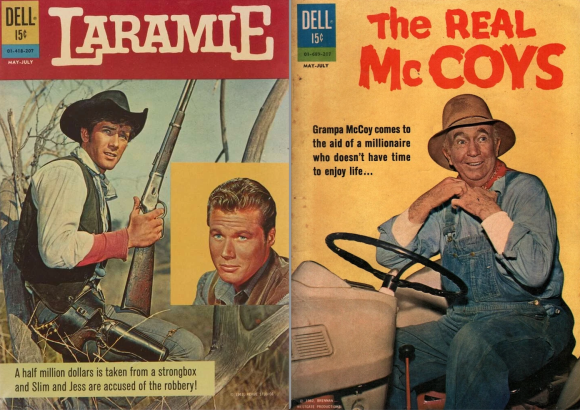
Cain’s Hundred #1, Follow the Sun #1, Laramie #1, The Real McCoys #1, Dell. A quartet of TV series adaptations debuted this week. Let’s see how they fared: Cain’s Hundred ran on NBC for one season (1961-62), 30 episodes, and two issues. Follow the Sun ran on ABC for one season (1961-62), 30 episodes, and two issues. Laramie ran on NBC for four seasons (1959-63), 124 episodes, and one issue, but was also in three issues of Four Color. The Real McCoys ran on ABC and CBS for six seasons (1957-63), 225 episodes, and one issue, but was also in four issues of Four Color.
—
MORE
— RETRO HOT PICKS! On Sale The Week of February 11 — in 1975! Click here.
— RETRO HOT PICKS! On Sale The Week of February 4 — in 1965! Click here.
—
Comics sources: Mike’s Amazing World of Comics and the Grand Comics Database.

February 18, 2026
The thing I loved about those Dell Comic covers was the ability to see what the character’s (westerns) outfits and sets looked like since so many early sixties shows were shot in black and white. Laramie made the shift to color in its third season, although interestingly the pilot was shot in color. I have speculated that since Bonanza also deputed in 1959, NBC decided to only film one show in the more expensive color format and went with Bonanza. it wasn’t until the 1965-1966 season that NBC boasted about being the “full color network” although two shows Convoy and I Dream of Jeannie shot all that season’s episodes in black and white.
February 18, 2026
I read a lot of Dell and Gold Key TV and Hanna Barbera related comics in my youth. And although I never owned the four shown above, there is something about a Dell/Gold Key cover that immediately brings back special memories. I guess it’s the way they were laid out. Of the four above, the one that really got my nostalgia going was the Real McCoys cover. And I never watched the series!