
Scott and Dan hit up the comics racks from 67 years ago…
This week for RETRO HOT PICKS, Scott and I are selecting comics that came out the week of July 29, 1959.
Last time for RETRO HOT PICKS, it was the week of July 22, 1970. Click here to check it out.
(Keep in mind that comics came out on multiple days, so these are the issues that went on sale between July 26 and Aug. 1.)
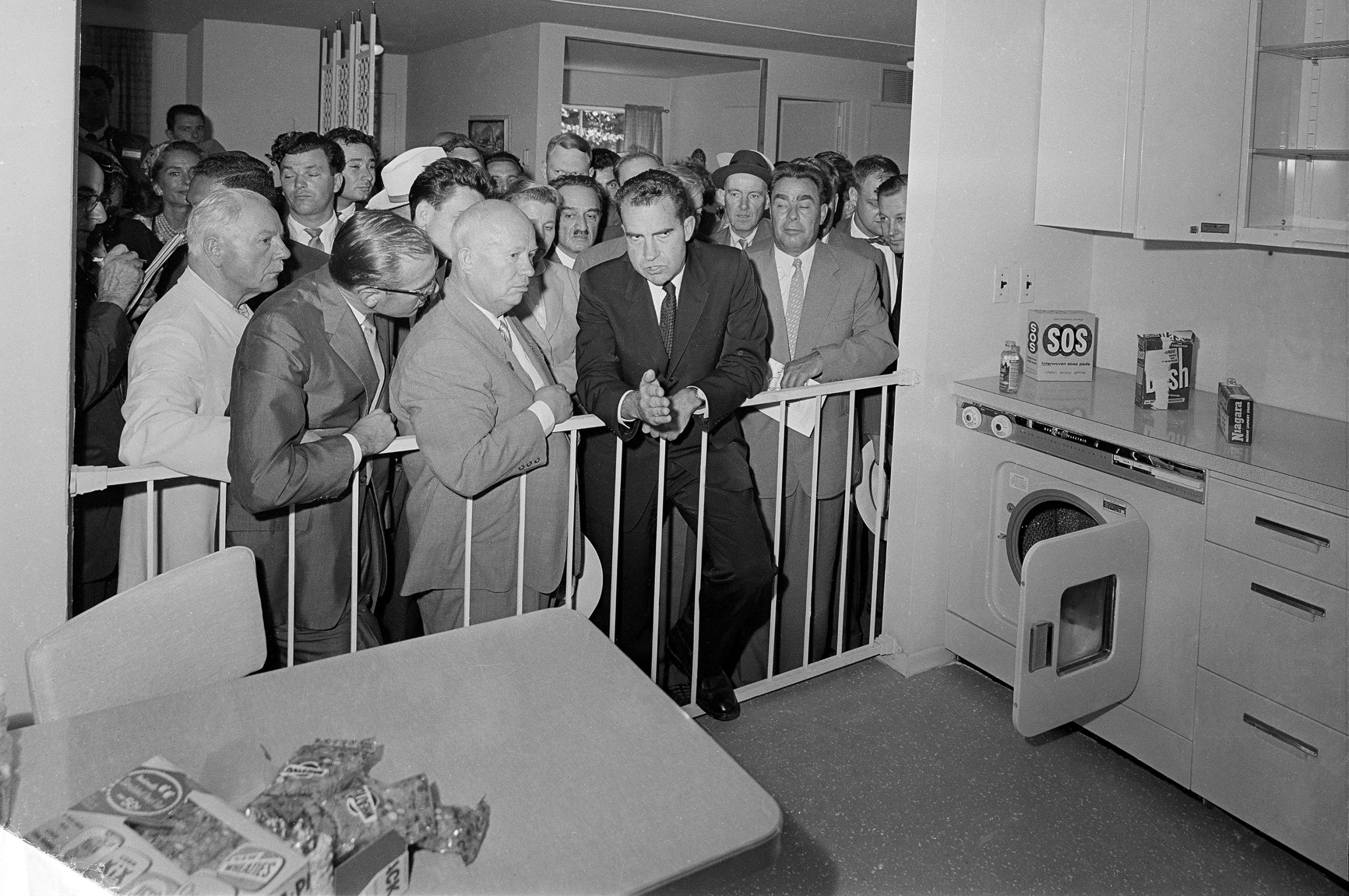
So, let’s set the scene: Vice President Richard Nixon was in Moscow for the American National Exhibition, an installation that was part of a cultural exchange between the United States and the Soviet Union. But what developed was one of the major turns of the Cold War — the Kitchen Debate, between Nixon and Soviet Premier Nikita Khrushchev.
The Kitchen Debate was actually a series of impromptu conversations between the two — through interpreters — that pitted the American consumerist way of life against the more spartan Communist philosophy. Khrushchev and Nixon first spoke at the Kremlin but the debate really kicked in when they visited Sokolniki Park, where the Americans had built an entire house that showed off a wide range of appliances and gadgets designed for affordable, easy living.
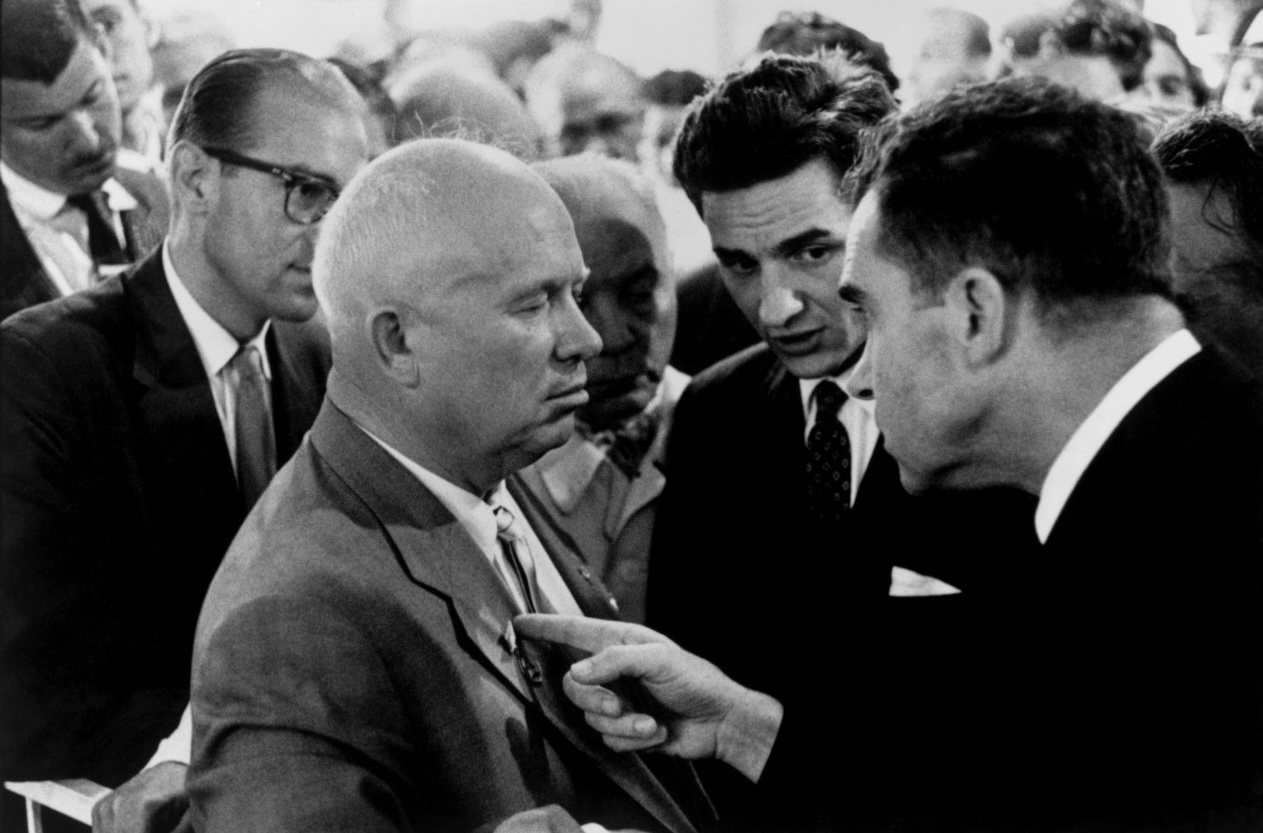
Standing by a cutaway of the kitchen, a dismissive Khrushchev argued that the American viewpoint was to live for the present while the Soviets preferred to build for a sustainable future. Nixon, however, pointed out that the U.S. focus was on innovation and new technologies.
It was the first time American and Russian leaders publicly debated the merits of their economic systems face to face, and video of the discussions were watched not just in the U.S. and U.S.S.R., but globally. The Cold War had entered a new phase: Beyond military strength, it was about economics and lifestyle — and appealing not just to homegrown interests but the countries of the developing world.
The Kitchen Debate also burnished Nixon’s reputation and strengthened his hand ahead of the 1960 presidential election.
IN OTHER NEWS
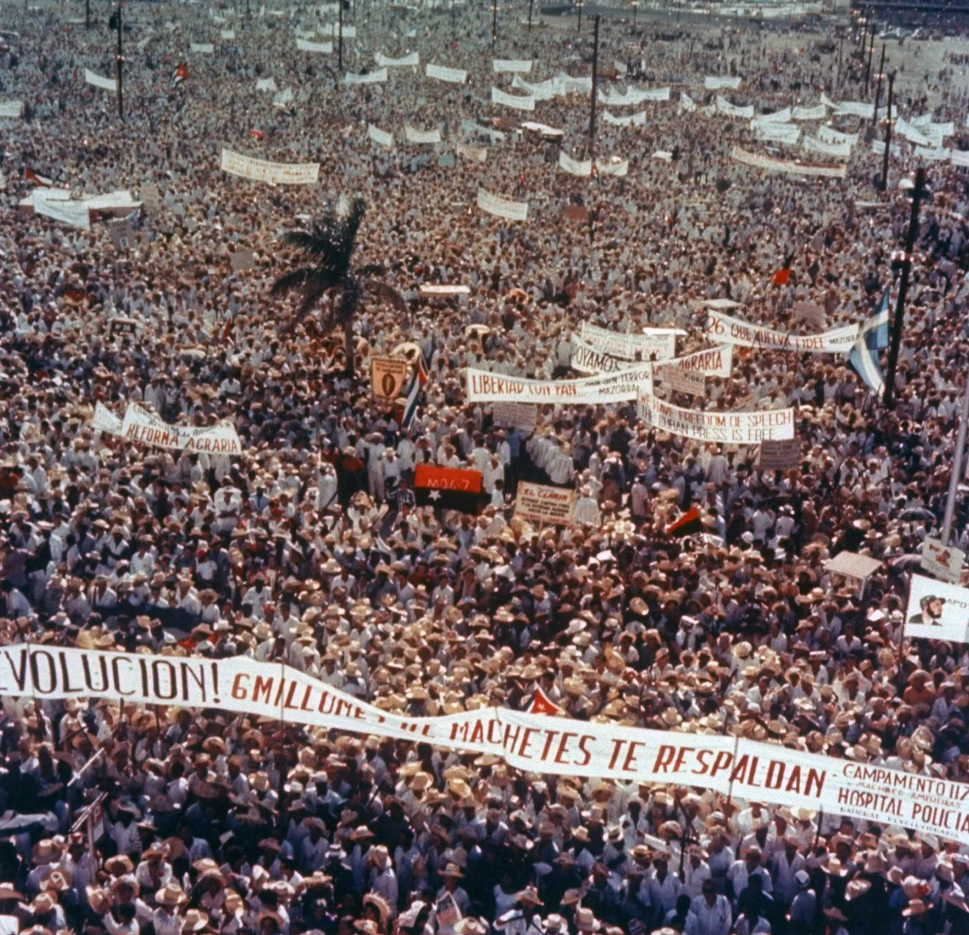
— Fidel Castro had just the week before resigned as prime minister amid internecine fighting within the Cuban leadership. But he quickly resumed his position and on July 26 — National Rebellion Day, spearheaded by the 26th of July Movement — led a major rally in Havana and ultimately consolidated his power.
— The Lady no longer sang the blues. Billie Holiday, one of the greatest and most influential jazz vocalists ever, on July 17 had died of pulmonary edema and heart failure caused by cirrhosis, at the tragically young age of 44. Long beset by alcohol and drug addiction, and related legal troubles, Holiday had only 70 cents in her bank account and an estate worth a mere $1,000.
The New York Times printed an obituary — which ran on Page 15, without a byline. The New York Post, on the other hand, had the good sense to put her death on Page 1. Thousands trekked to her funeral and her star would only burn brighter after her death.
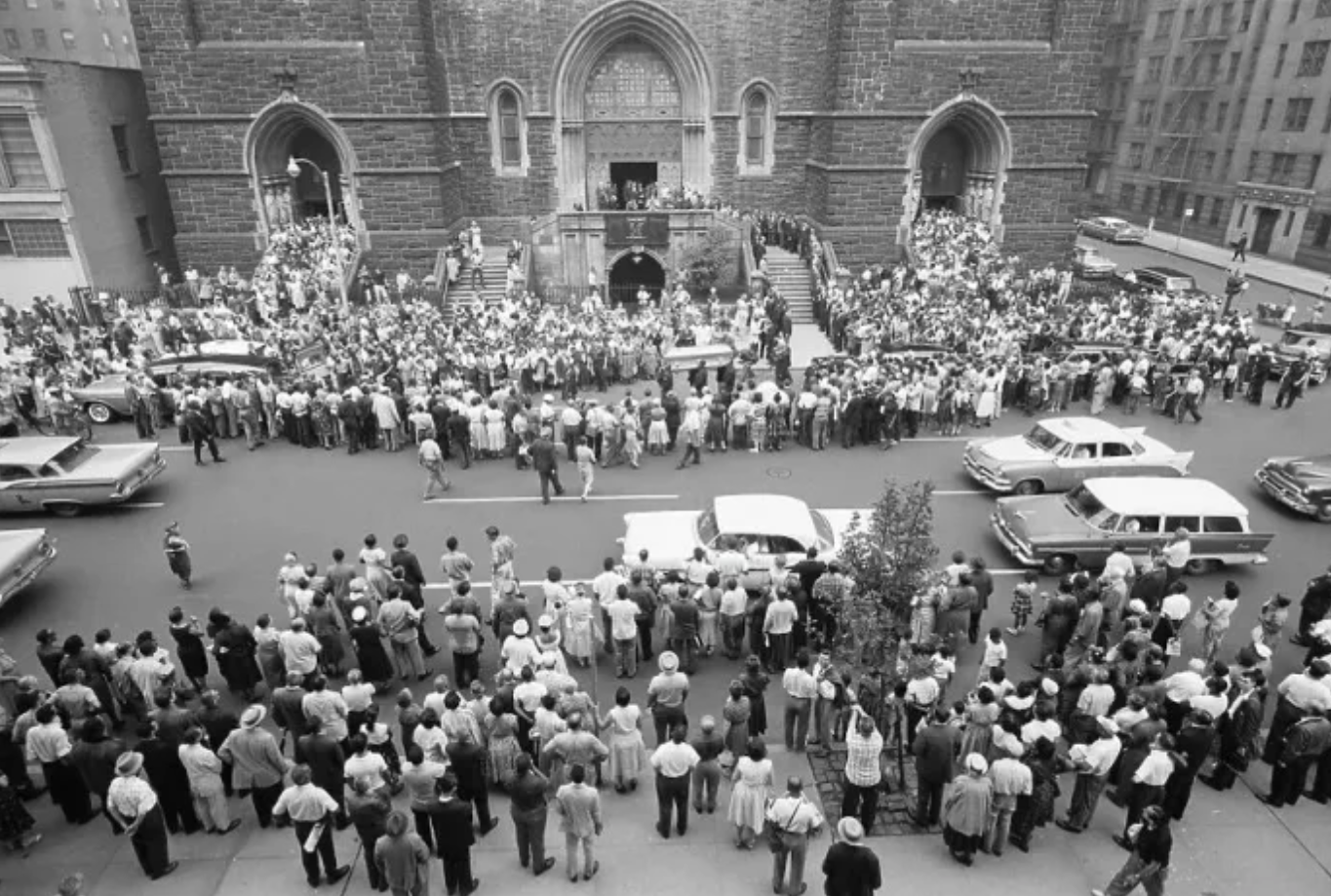
— If you’re a fan of the New York Mets or Houston Astros, July 27, 1959, is a big day for you. The Continental League, backed by New York lawyer William Shea and pioneering baseball executive Branch Rickey, with the support of New York Mayor Robert Wagner, formally announced it would begin play as an eight-team league in 1961, in direct competition with the long-established American and National leagues.
The third league never got off the ground but had a profound impact on baseball history by hastening Major League Baseball’s expansion, which began in 1962 with the Mets and then-Colt .45s — each owned by the same groups that were putting together the New York and Houston franchises for the CL. The Mets eventually moved into a stadium named for Shea.
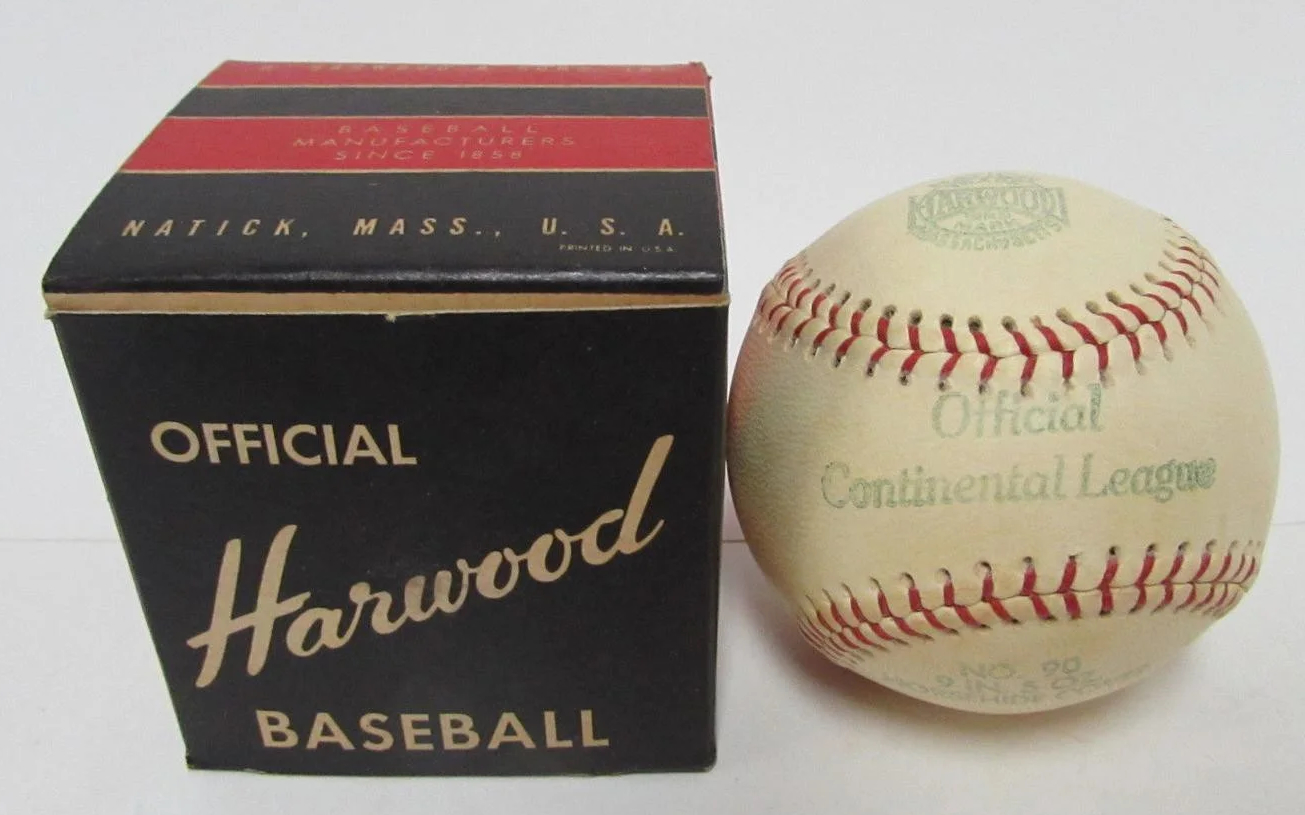
— On July 30, future Hall of Famer Willie McCovey went 4-for-4 in his major-league debut with the San Francisco Giants. The Giants’ and Los Angeles Dodgers’ move from New York to California prior to the 1958 season is what provoked the desire to bring a new team to New York. The jilted Dodgers and Giants fans certainly weren’t going to root for the Damn Yankees, and the National League wasn’t all that crazy about completely abandoning the biggest city in the country.
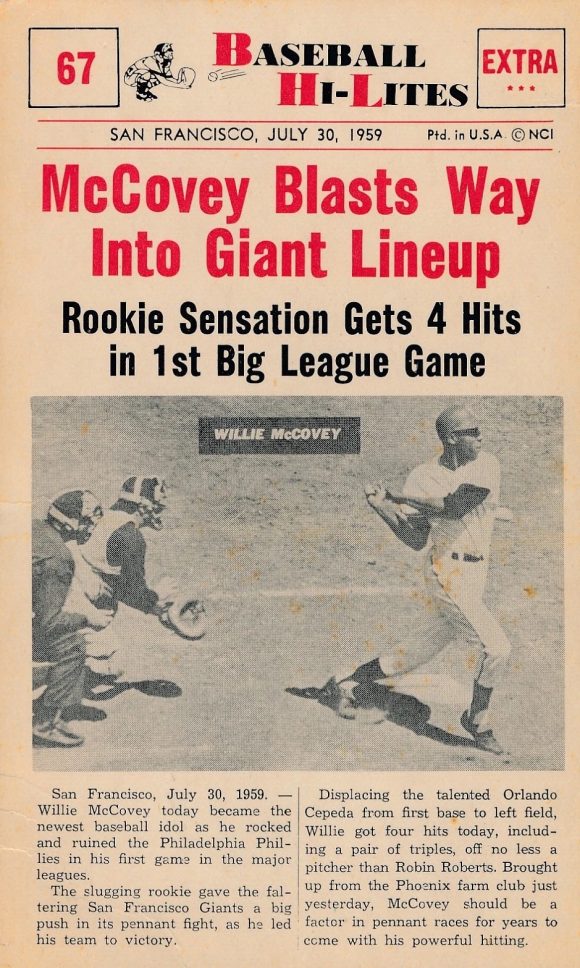
— More than half a million steelworkers had walked off the job earlier in July, launching the largest strike in American history. It would not be resolved for months and led to signifcant importing of foreign steel for the first time.
— A five-day TV documentary — The Hate That Hate Produced, by Mike Wallace and Louis Lomax — had run July 13-17. It was designed as an expose of the Black Muslim movement, but it made Malcolm X a national name and drew thousands to his cause.
— Nobody but the local thugs cared, but on Aug. 1, an 18-year-old New Yorker named John Gotti was arrested for the first time, in a gambling raid.
The most popular movie in America was The Nun’s Story, starring Audrey Hepburn, but Anatomy of a Murder and North by Northwest — two of the all-time great suspense dramas — were drawing them to the box office too. There was also Steve Reeves in Hercules, an Italian-produced flick that popularized the sword-and-sandal genre in the U.S.
Also kicking around was A Hole in the Head, a comedy directed by Frank Capra and starring Frank Sinatra. The movie is best known for introducing the hit song High Hopes, sung (of course) by Ol’ Blue Eyes. The tune would become the theme song for John F. Kennedy’s presidential run the next year. (Sinatra was backing JFK’s possible run as early as 1958.)
It was rerun season, naturally, but Gunsmoke, Wagon Train, 77 Sunset Strip, Have Gun — Will Travel, and The Rifleman, were among the top ratings getters.
Lonely Boy by Paul Anka, The Battle of New Orleans by Johnny Horton, Tiger by Fabian, and Waterloo by Stonewall Jackson, were the leading singles, but the big Elvis song of the moment was A Big Hunk o’ Love. It was recorded in 1958 but held back so that the King could remain on this throne while in the Army.
Exotica by Martin Denny, the South Pacific movie soundtrack, and the original London cast recording of My Fair Lady, were popular LPs.
—
Scott Tipton, contributor-at-large, 13th Dimension
Showcase #22, DC. The Silver Age kicks into high gear with the debut of Green Lantern Hal Jordan!
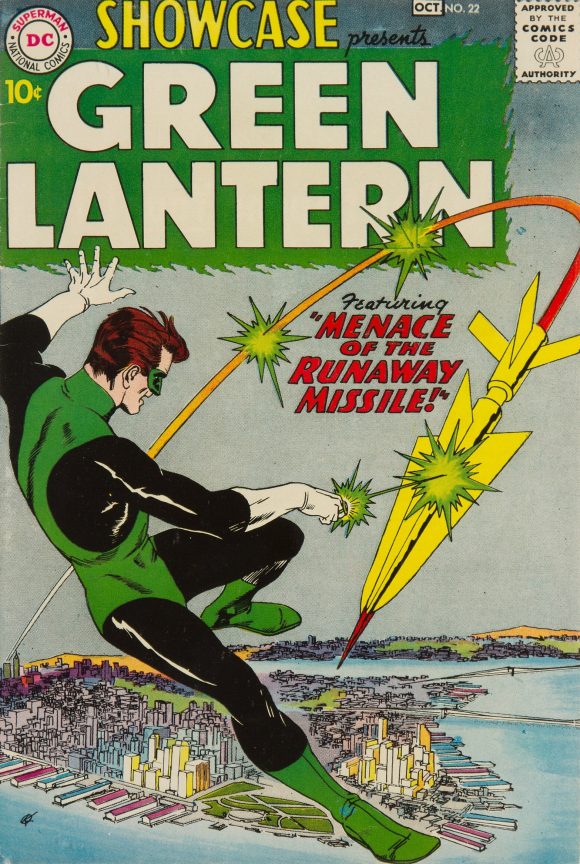
Dan adds: I really don’t need to point out what a hugely important comic this is, and I couldn’t do a better job than Peter Bosch did when he wrote about it for its 65th anniversary in 2024. Check it out!
—
Action Comics #256, DC. Nothing says “future” like a big head.
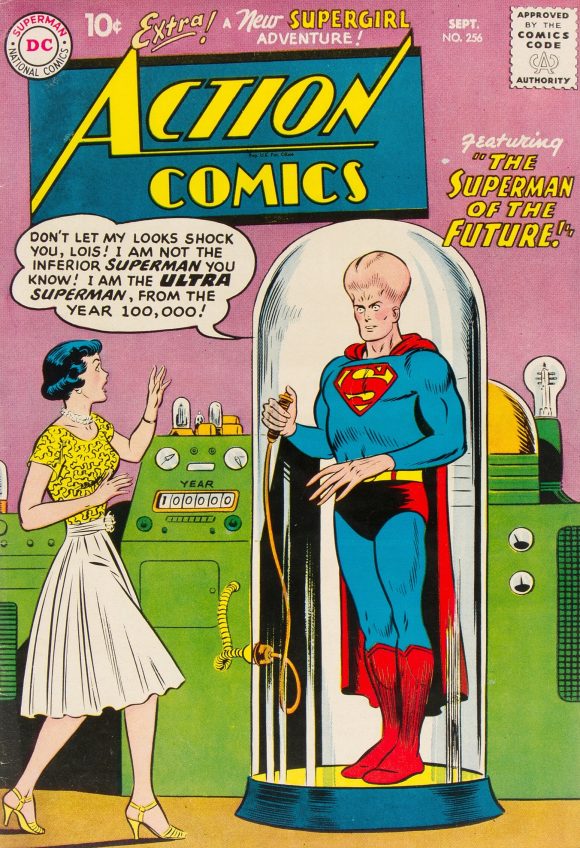
Dan adds: What’s great is that this guy has been made into an action figure at least twice — by DC Direct and McFarlane!
—
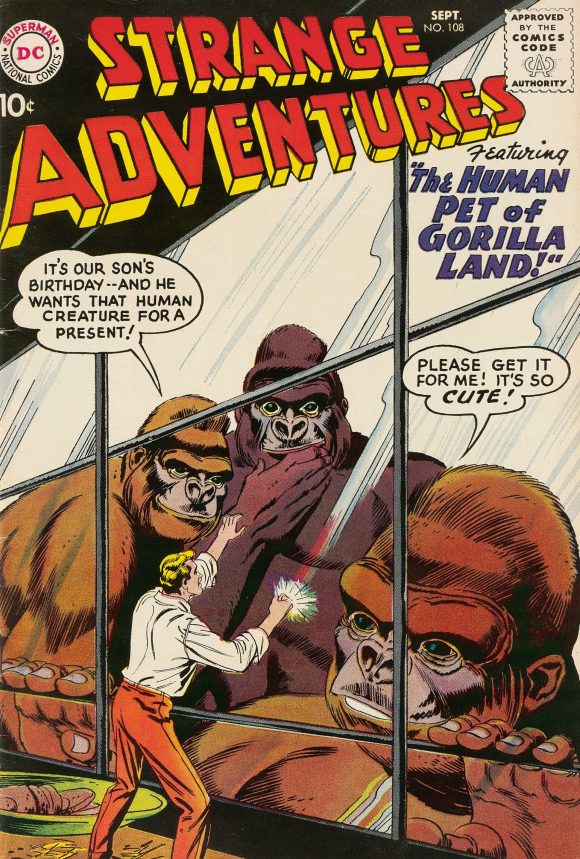
Strange Adventures #108, DC. Imagine how much better this would have sold if these gorillas were on motorcycles.
—
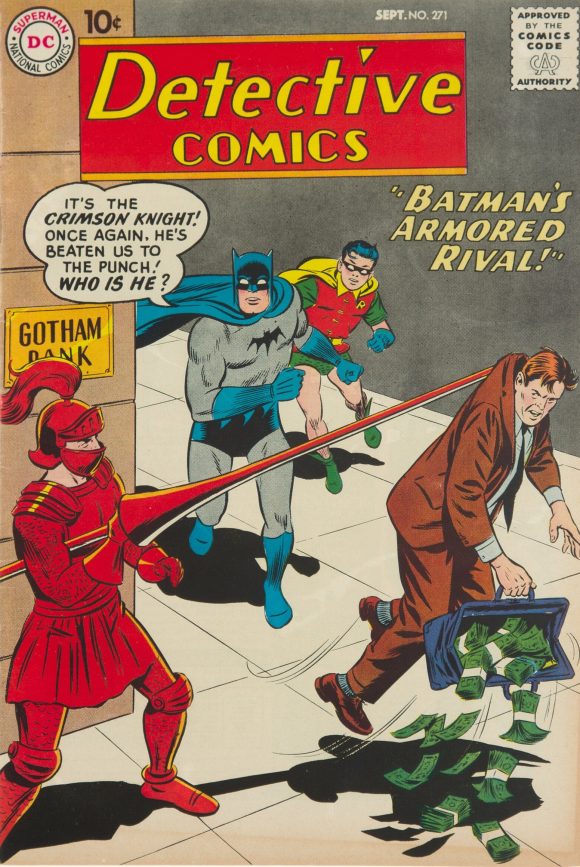
Detective Comics #271, DC. Hard to believe that guy is beating Batman anywhere, considering he’s wearing full-plate armor.
—
Dan Greenfield, editor, 13th Dimension
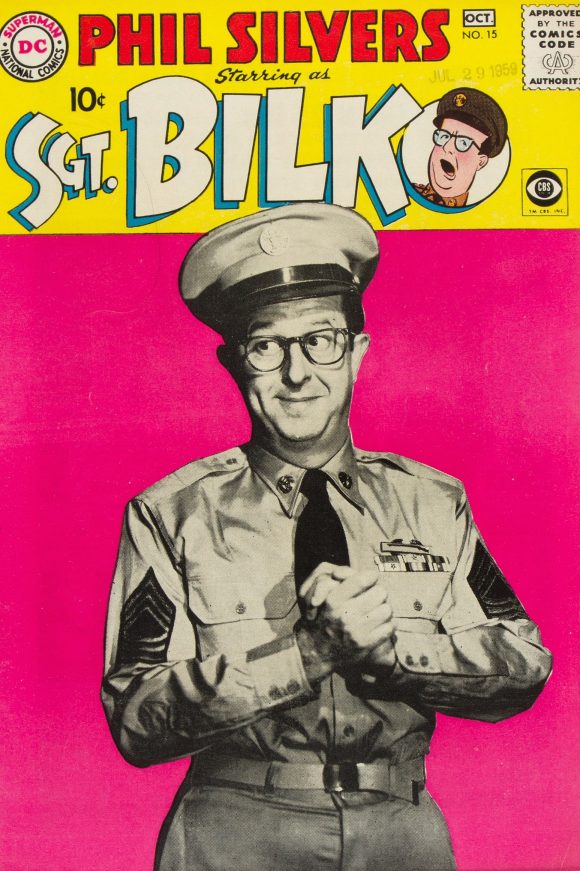
Sgt. Bilko #15, DC. I like seeing how long comics based on TV shows or real people lasted. Sgt. Bilko made it to 18 issues. The Phil Silvers Show had ended in June, by the way.
—
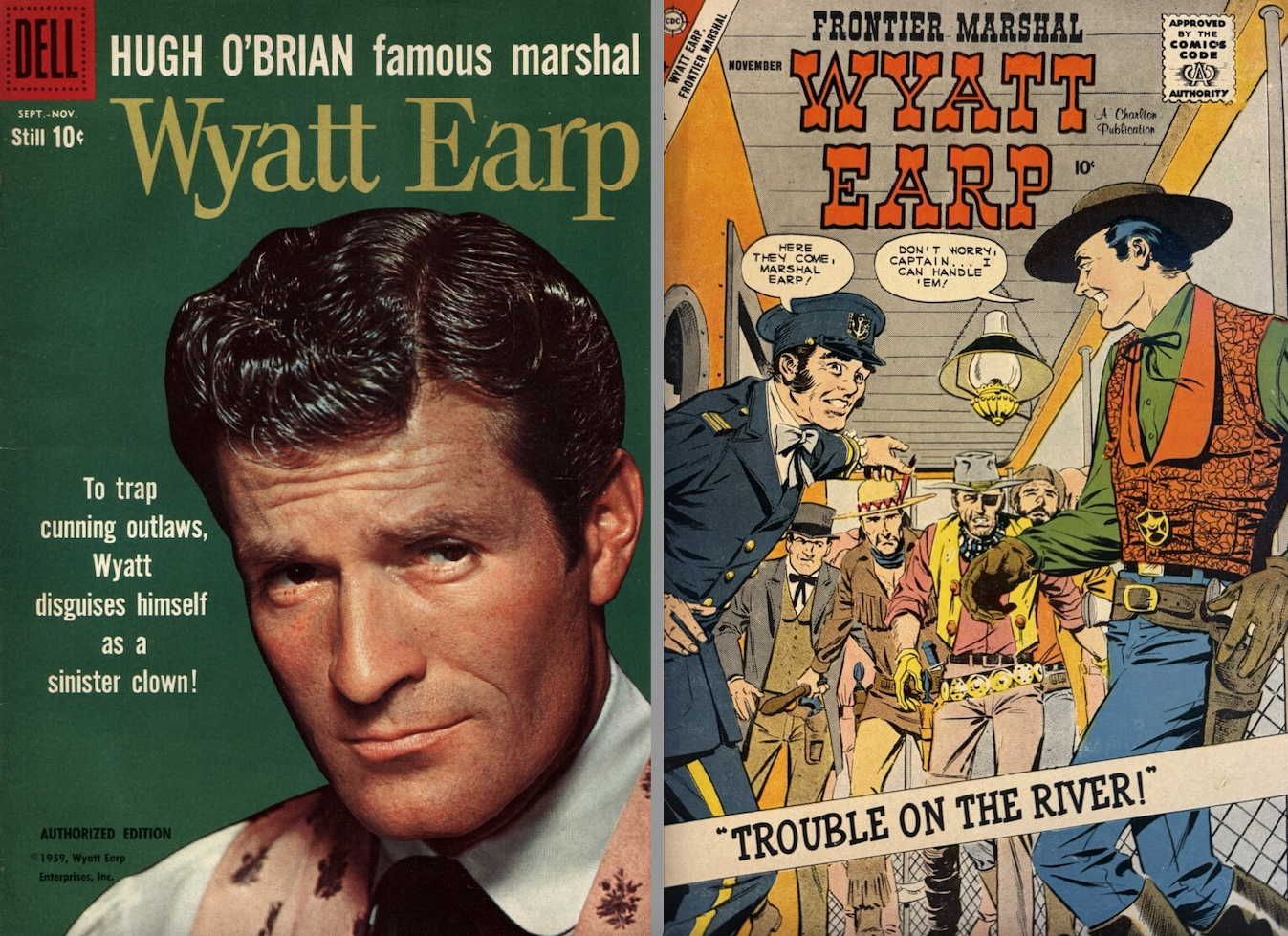
Hugh O’Brian Famous Marshal Wyatt Earp #8, Dell, and Wyatt Earp, Frontier Marshal #27, Charlton. The Hugh O’Brian version lasted until Issue #13 (but started with #4). Charlton’s attempt to cash in on the hit show (which was the first TV Western written for adults) by going generic reached #52 (starting with #12).
—
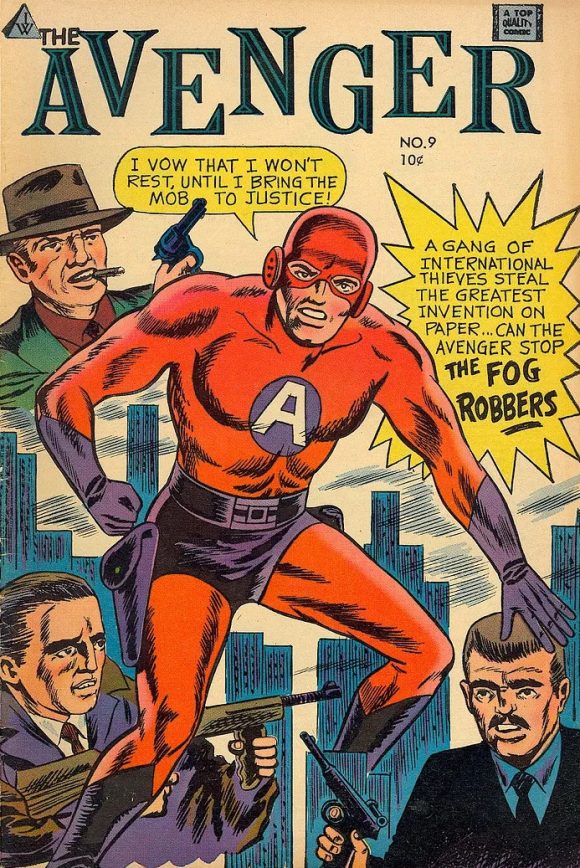
The Avenger #9, IW Publishing. Low-rent publisher IW almost exclusively reprinted comics from defunct companies. This was the only issue of The Avenger, and I’m sure there’s some convoluted reason it’s numbered Issue #9. The original Avenger series, produced by Magazine Enterprises, ran for four issues in 1955.
—
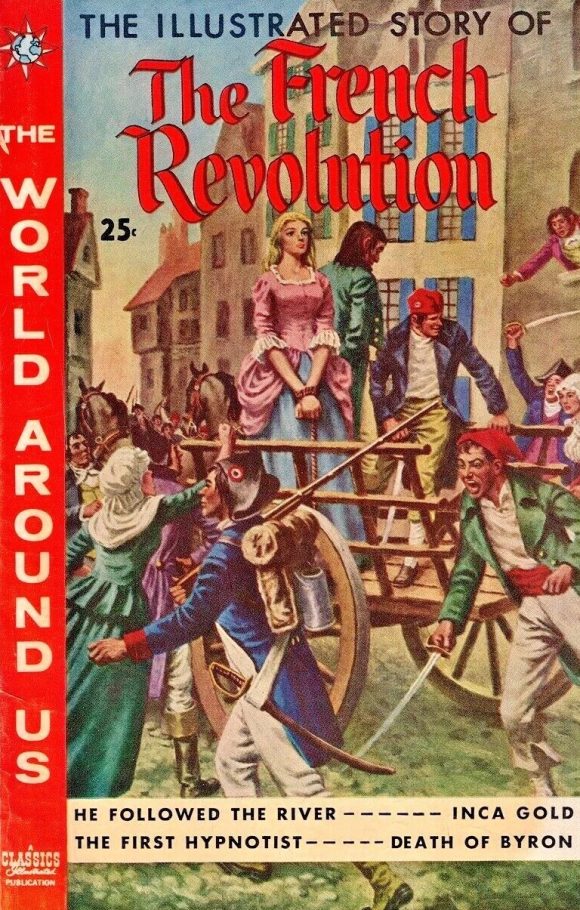
The World Around Us #14, Gilberton. You know where this cover’s going, right?
—

July 29, 2026
Why would anyone want to stop Fog Robbers? It’s just fog. Go on, take it! It’s not like anyone needs more fog.
July 29, 2026
Big Hunk O’ Love is one of my favorite Elvis songs. That one recording session he did while in the army but on leave produced some really great stuff, most of which ended up on 50,000,000 Elvis Fans Can’t Be Wrong : Elvis Gold Records Volume 2. Elvis’s later hit, Ain’t That Lovin’ You, Baby, was also recorded at that session. However, there is an alternate take that wasn’t released until after Elvis’s death that blows the version picked for the single out of the water. Sad that something that great sat in RCA’s vault for over 2 decades.
July 31, 2026
Check out the Bilko episode where the army accidentally inducts a chimp…Pvt. Harry Speakup! Silvers’ perfect improvising when the chimp doesn’t want to stay seated is a masterpiece of comedy! Love these covers! Wish I had that Showcase! (Hey! Or a complete run of Showcase! Or of Strange Adventures! Or of…)