
Scott and Dan hit up the comics racks from 68 years ago…
This week for RETRO HOT PICKS, Scott and I are selecting comics that came out the week of Feb. 25, 1958.
Last time for RETRO HOT PICKS, it was the week of Feb. 18, 1962. Click here to check it out.
(Keep in mind that comics came out on multiple days, so these are the comics that went on sale between Feb. 22 and Feb. 28.)
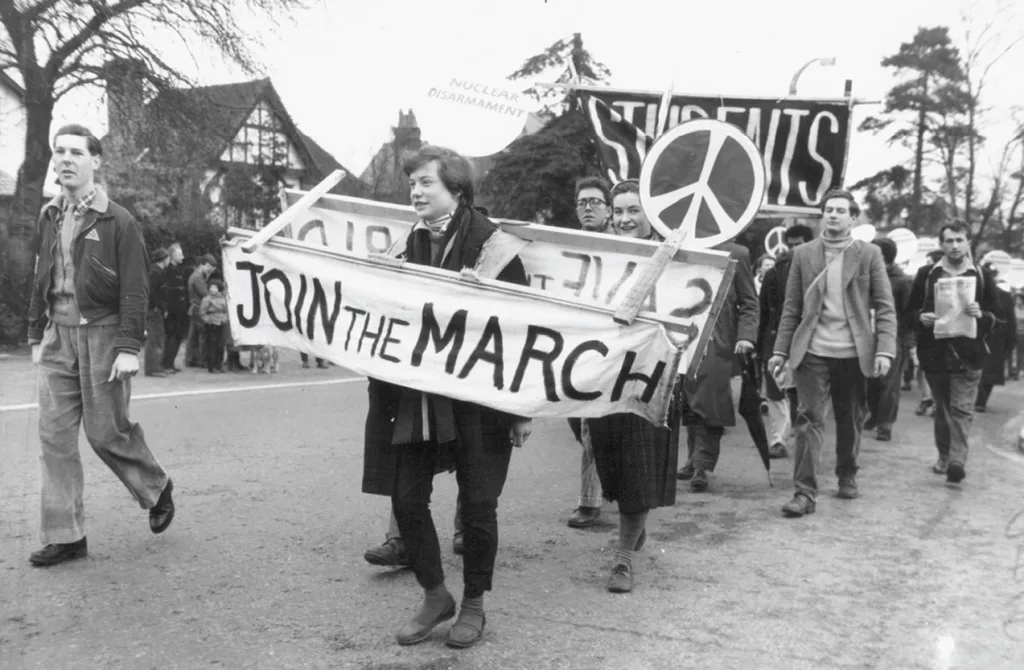
So, let’s set the scene: Y’know what never occurred to me? That the peace symbol would have an origin story. I mean, everything has an origin story, but for me, the peace symbol has always been there, like letters in the alphabet. It was everywhere when I was a kid in the early ’70s and, while not quite as ubiquitous as it once was, it has become ingrained in the political and cultural firmament.
I guess I figured that it was something adopted by hippies that was somehow based in New Age mysticism. But no, as it happens, it was created by a British designer and unveiled Feb. 21, 1958, to the organizers of a march protesting nuclear weapons well before the Flower Power, movement took root.
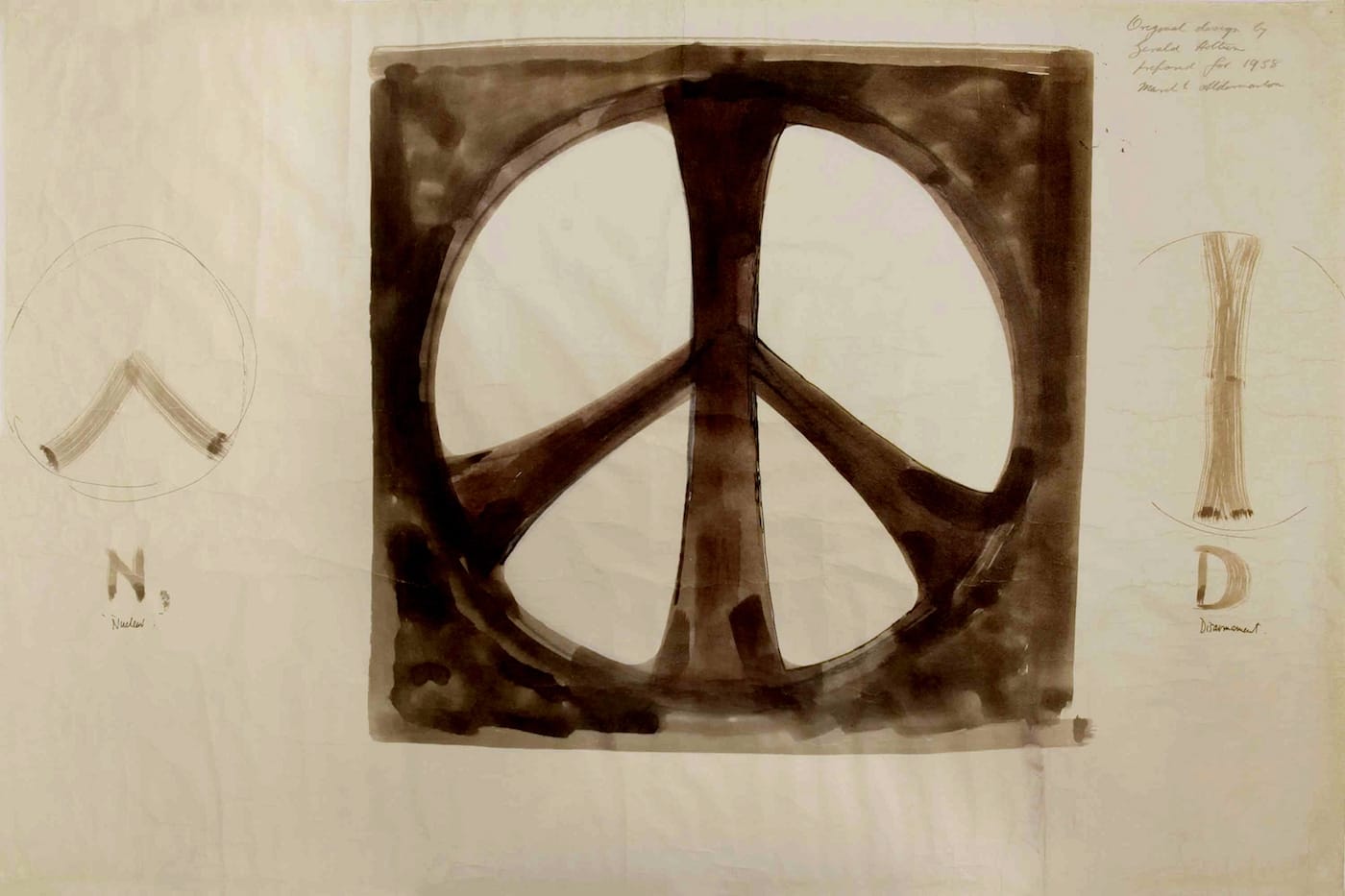
The original 1958 sketches
Artist Gerald Holtom, a conscientious objector in World War II, had been hired to devise a symbol for the April march (pictured at top) from London to the Atomic Weapons Research Establishment facility in Aldermaston, Berkshire.
Holtom superimposed the semaphore gestures for the letters “N” and “D” — representing “Nuclear Disarmament” — and placed them in a circle.
If you notice, the lines are flared at the ends. That’s because Holtom was also inspired by Goya’s 1814 painting The Third of May 1808:
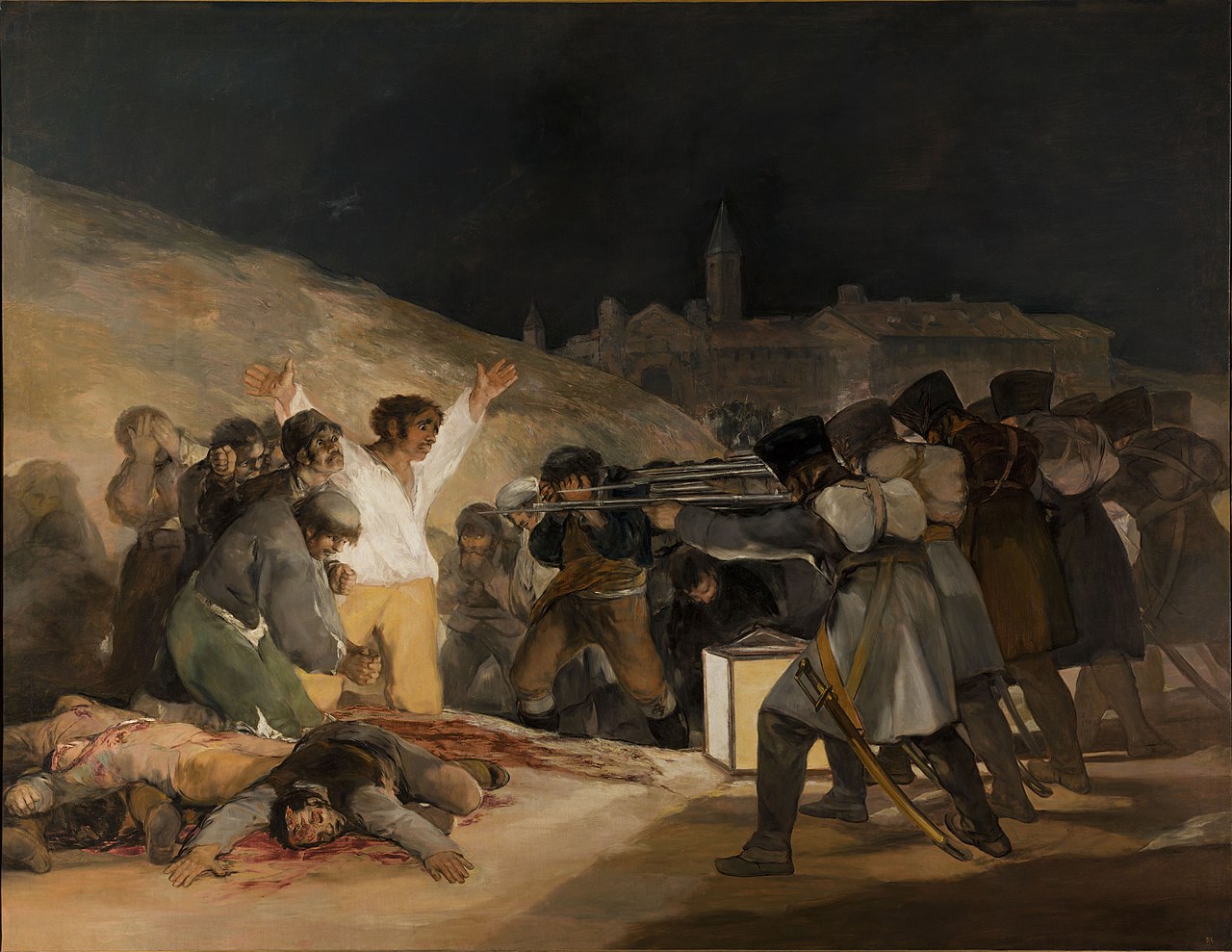
“I was in despair. Deep despair. I drew myself: the representative of an individual in despair, with hands palm outstretched outwards and downwards in the manner of Goya’s peasant before the firing squad. I formalized the drawing into a line and put a circle around it,” Holtom once wrote to the editor of Peace News.
The symbol was later streamlined, with the flares removed, becoming the more familiar version we know today.

The top movie in the United States was Billy Wilder’s Witness for the Prosecution, starring Tyrone Power, Marlene Dietrich and Charles Laughton. Other major films included A Farewell to Arms, Peyton Place, and Sayonara, starring Marlon Brando.
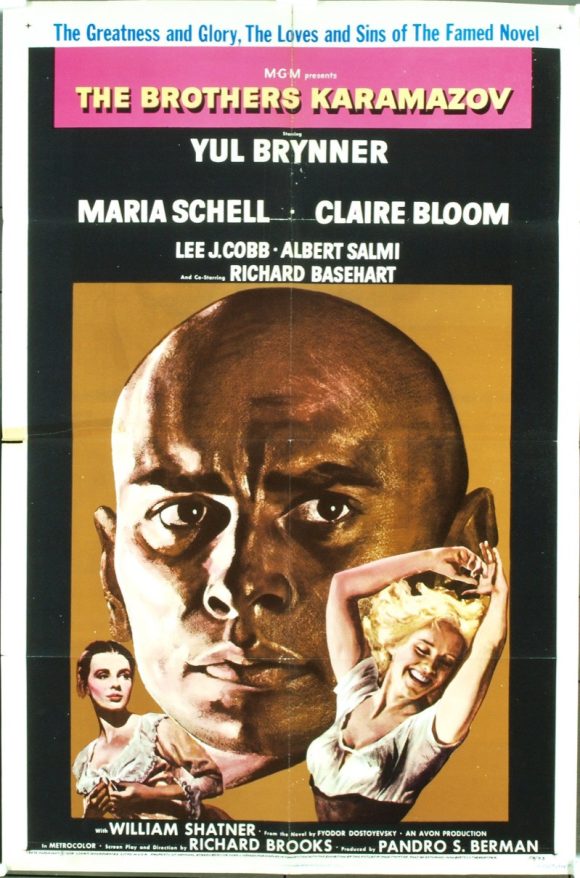
Premiering at Radio City Music Hall this week was The Brothers Karamazov, starring Yul Brynner. Billed seventh was a young actor in his first significant movie role. His name? William Shatner.
Gunsmoke was the top-rated TV show, with other hits including The Perry Como Show, The Bob Hope Show, Tales of Wells Fargo and Cheyenne.
The King was on his throne: Don’t by Elvis Presley was the No. 1 single. Also on the charts was At the Hop by Danny & the Juniors, Get a Job by the Silhouettes, and Tequila by the Champs.
Frank Sinatra had the best-selling album with Come Fly With Me, while other popular LPs included Ricky Nelson’s Ricky, and the original Broadway cast recordings of My Fair Lady and The Music Man.
Come fly with me, let’s fly, let’s fly away…
—
Dan Greenfield, editor, 13th Dimension
Adventure Comics #247, DC. The first appearance of the Legion of Super-Heroes, one of the touchstone moments in Superman — and DC Comics — history. The Legion was a classic example of Silver Age optimism, a veritable United Nations of space teens anchored by the youthful version of comics’ biggest star. No wonder they caught on.
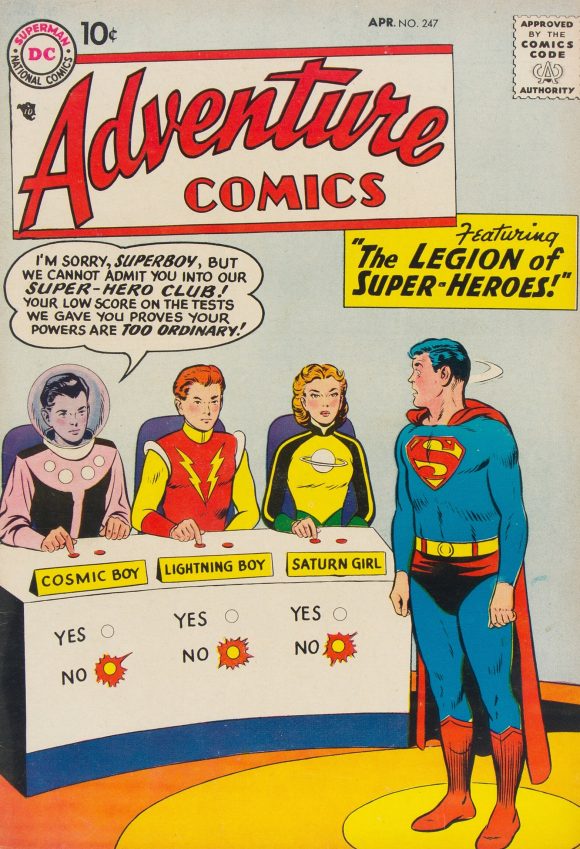
Scott adds: First appearance of the Legion of Super-Heroes! I love a superhero team with nameplates.
—
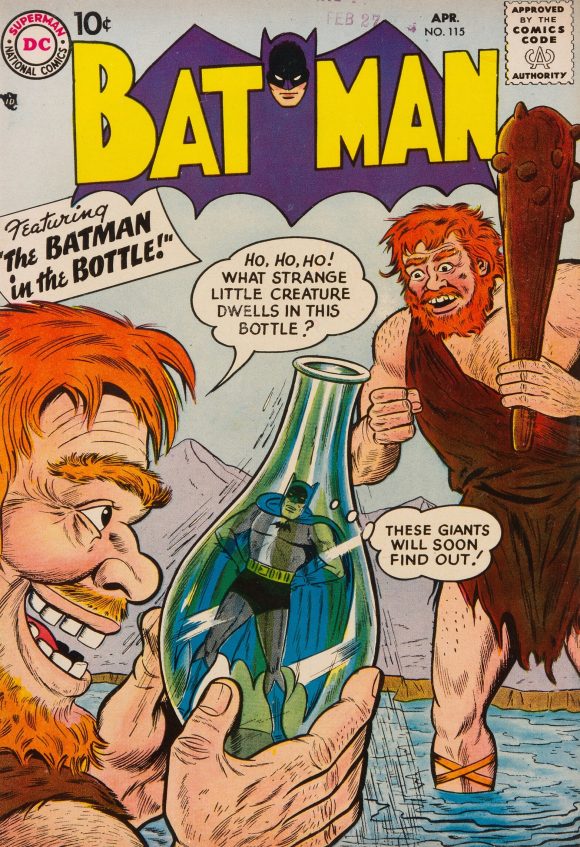
Batman #115, DC. Rare case of Batman and Detective (see below) being out in the same week. And even though this is as far-fetched as any Bat-tale of the era, the Caped Crusader is still a badass.
—
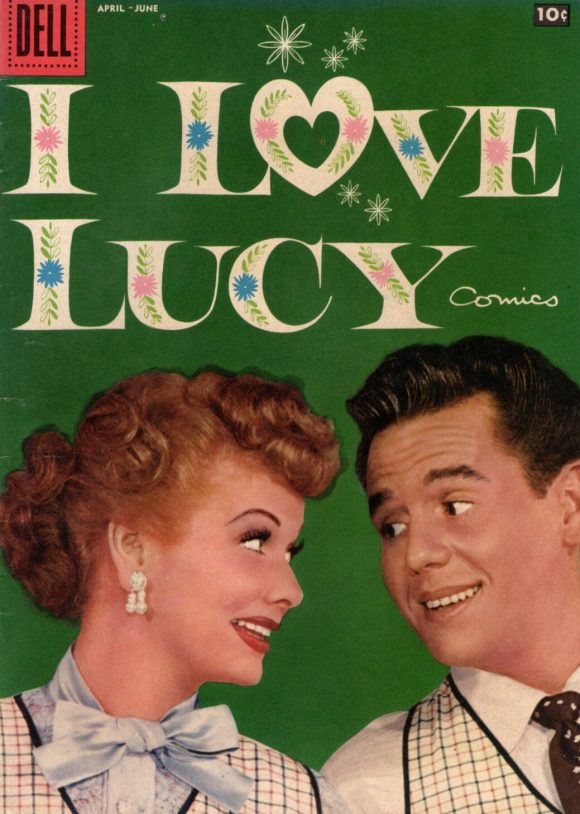
I Love Lucy Comics #19, Dell. The greatest sitcom in TV history was no longer in first run but it was as popular as ever thanks to reruns. The comics series ran into 1962.
—
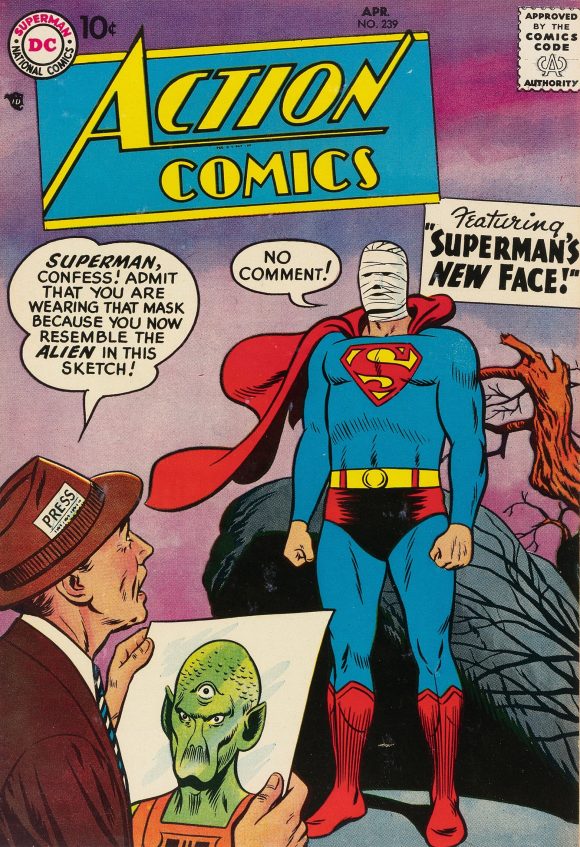
Action Comics #239, DC. “That’s not a denial, sir.”
—
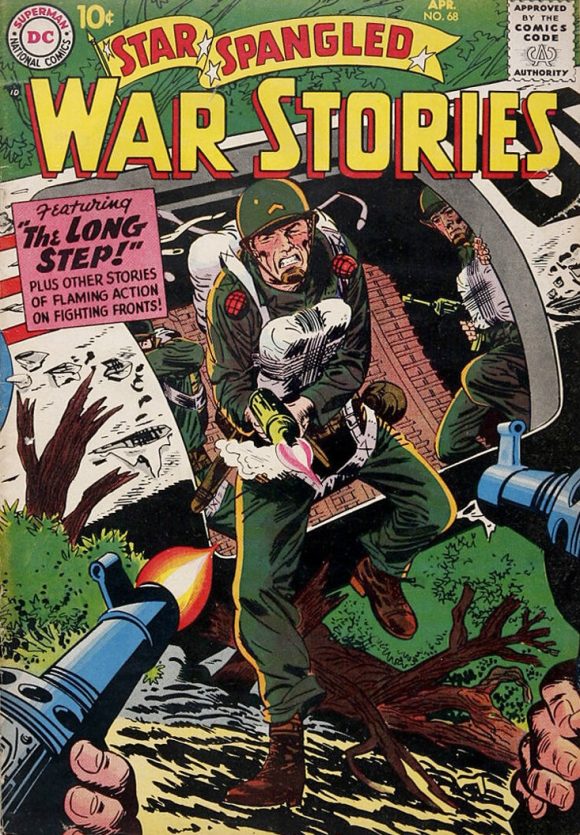
Star Spangled War Stories #68, DC. With stories by the likes of Robert Kanigher, Ross Andru, Mike Esposito, Bob Haney, Russ Heath, Bill Finger, Mort Drucker, and more. All behind a Jerry Grandenetti cover.
—
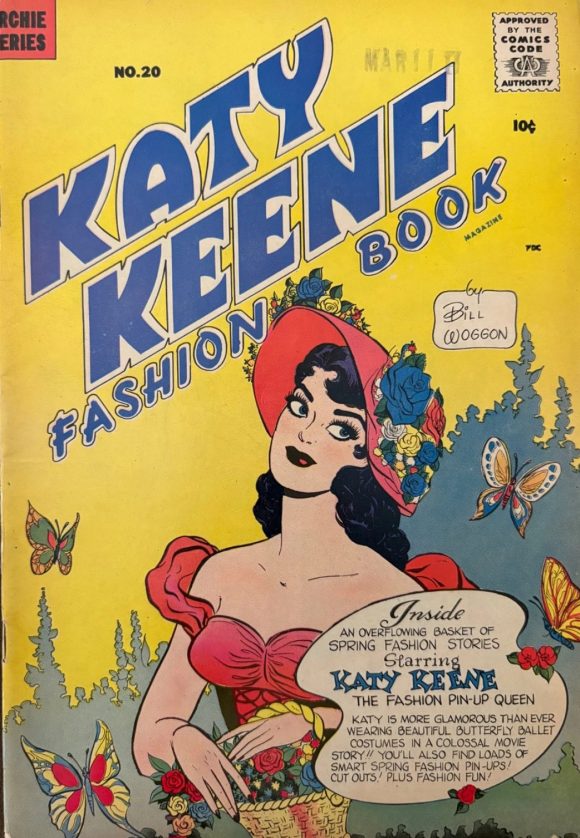
Katy Keene Fashion Book Magazine #20, Archie. When Katy Keene was a veritable franchise for Archie. This was only one of her titles.
—
Scott Tipton, contributor-at-large, 13th Dimension
Detective Comics #254, DC. Ace the Bat-Hound didn’t get too many covers, so this is a treat.
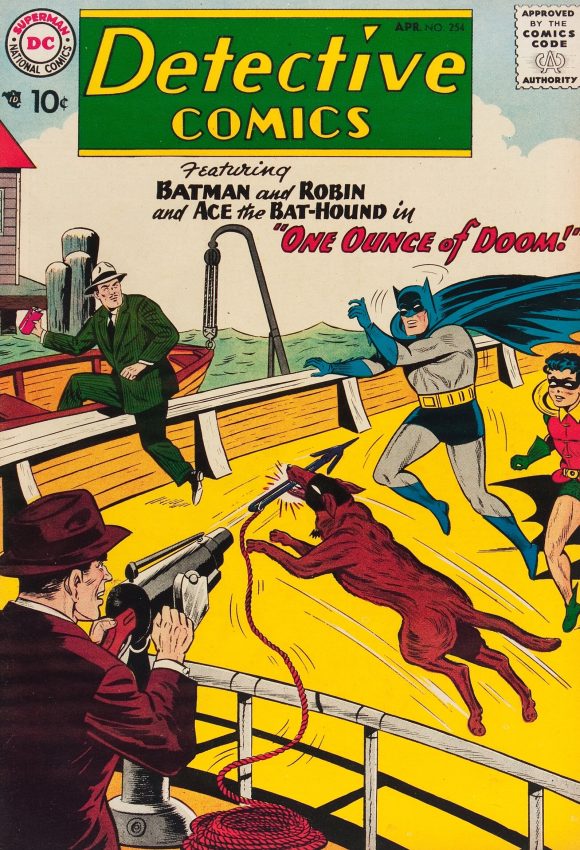
Dan adds: Backups include Roy Raymond, TV Detective and the Martian Manhunter.
—
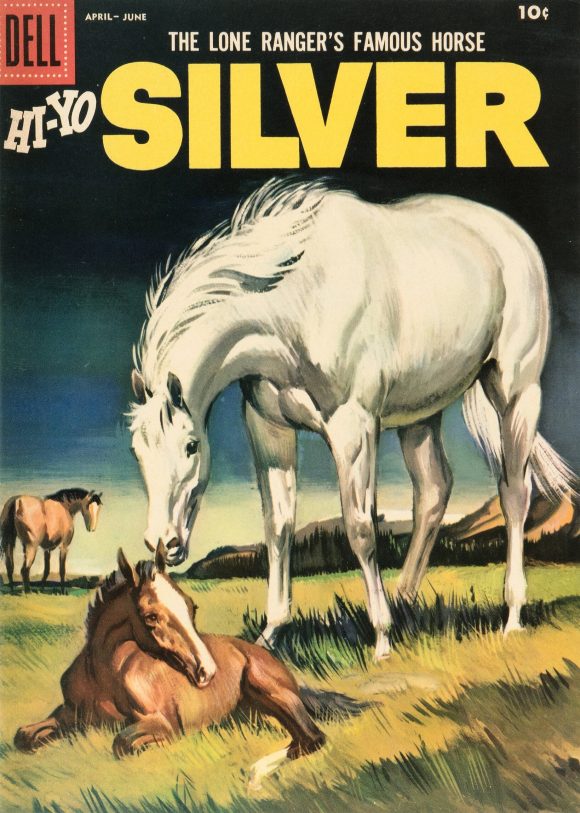
Lone Ranger’s Famous Horse Hi-Yo Silver #26, Dell. The Lone Ranger’s horse had his own comic book? Believe it. It ran for almost three years, turns out.
—
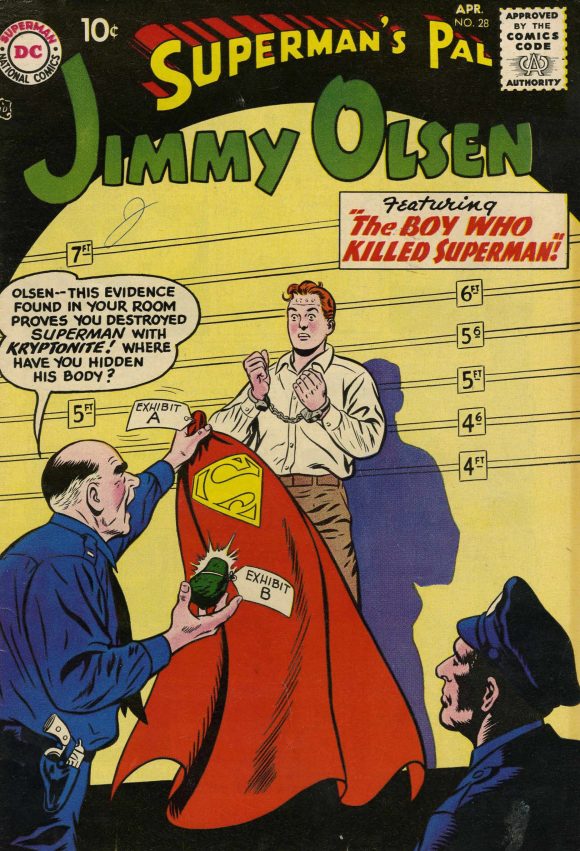
Superman’s Pal, Jimmy Olsen #28, DC. Wait a minute – Jimmy Olsen is six-foot-two?!
—
MORE
— RETRO HOT PICKS! On Sale The Week of February 18 — in 1962! Click here.
— RETRO HOT PICKS! On Sale The Week of February 11 — in 1975! Click here.
—
Comics sources: Mike’s Amazing World of Comics and the Grand Comics Database.

February 25, 2026
I don’t have many comics from the ‘50s. That BATMAN is my only BATMAN from that era. Wish I had the Ace one from Detective instead.
February 25, 2026
The Detective 254 cover art was used as the back cover art of the McFarlane Silver Age Batman figure that came with Ace. I have the Detective, because I love dogs and Ace, but I don’t have the Batman that you featured.
February 25, 2026
Loved learning about the Peace Symbol. Super fascinating, and as a child of the late 60’s/early 70’s always assumed it was a hippie invention
February 25, 2026
>>assumed it was a hippie invention
>
I think many of us are guilty of making that assumption. As another example, the Nazi symbol was a design well before their time that they adopted. I suspect we would find this very common throughout history.
February 25, 2026
Shouldn’t that comic put to rest the debate of “Hi-Yo Silver” versus “Hi-Ho Silver”?
February 25, 2026
Where is my facsimile of Adventure 247?