
A 70th ANNIVERSARY RETROSPECTIVE…
—
THE FLASH, created by Robert Kanigher and Carmine Infantino at the behest of editor Julius Schwartz, debuted 70 years ago in the pages of DC’s Showcase #4, on July 3, 1956 — kicking off the Silver Age! To celebrate both landmarks, we’ve got a FOUR-PART celebration for you! Once you speed through this piece, run to the links below for the other three segments! — Dan
—
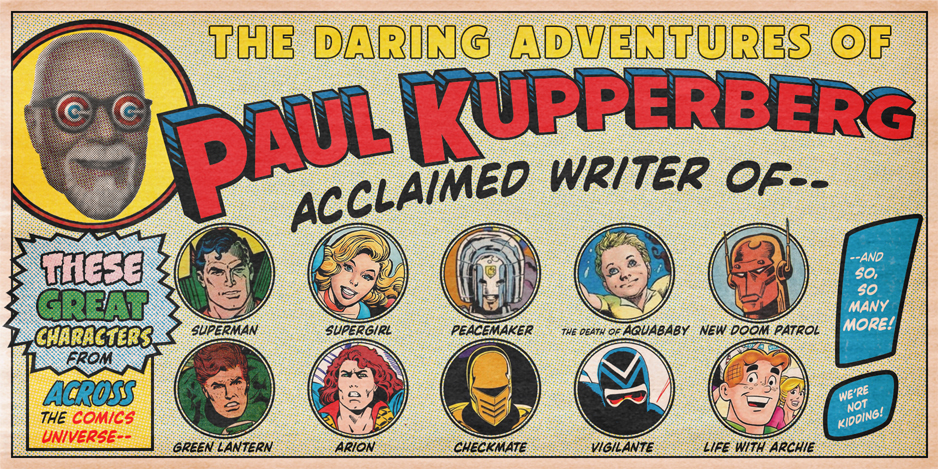
By PAUL KUPPERBERG
It will come as no surprise to readers of 13th Dimension that I am a Silver Age baby.
Born in 1955, I discovered comics before I could actually read those comics, became addicted in the summer of 1965 after reading “The Flash of Two Worlds” reprinted in The Flash 80-Page Giant #9, fell into and was subsumed by the quicksand of active fandom in 1968, and entered the business in 1975, never to be heard from again…
I have, to this day, an unabashed love for the comic books of the Silver Age, which began with 1956’s Showcase #4, introducing the Flash, the first of many Golden Age heroes to be modernized. These comics were the ones that captured and held my young imagination and offered me a place to escape unhappiness at home. They were what inspired my own creativity and made me try my hand at making up stories of my own.
And, in retrospect, the Silver Age was the foundation on which the future of comics was built.
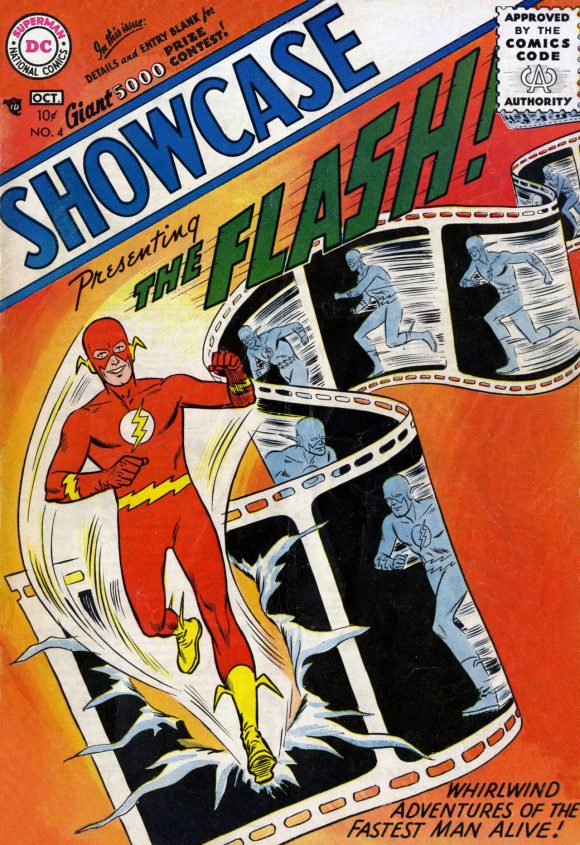
Showcase #4 — where it began
In the 1960s, people started taking comics seriously. Oh, not the general public. Thanks to the persistence of the “Pow! Zap! Bam!” tag laid on the medium because of Batman ’66, there’s a portion of the population that could only see them as juvenile. But inside the industry, things had been changing. Starting in ’56, when given free rein to reinvent classic superheroes for a new audience, DC editor Julie Schwartz turned to his science-fiction roots for what was, at the time, an ever-so-slightly more mature take on the characters.
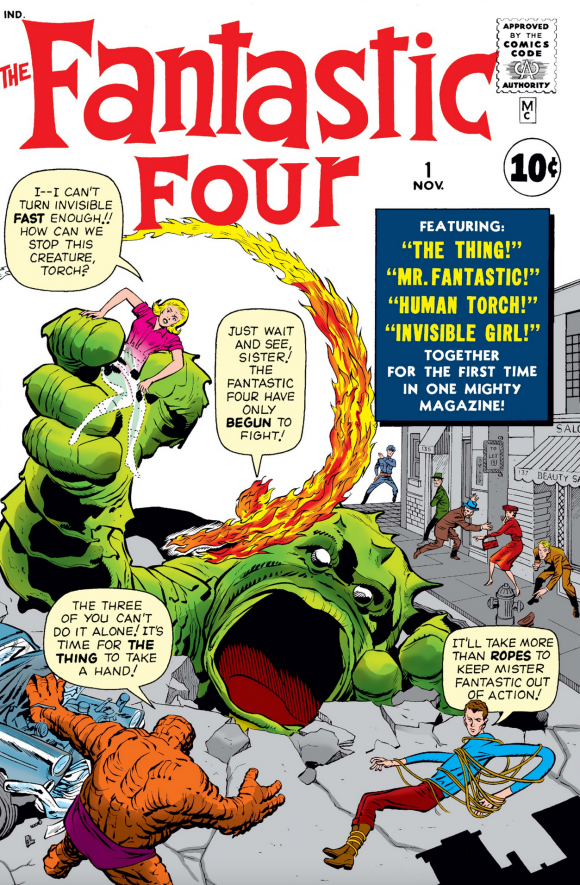
In the wake of DC’s success, realizing he and the comic book line he oversaw had nothing to lose, Marvel editor and writer Stan Lee went for broke with Jack Kirby and introduced serialized soap opera stories about characters who had bigger worries than their girlfriends trying to uncover their secret identities.
When the kids who grew up reading the comics of the Golden Age started entering the business in the Silver Age, they did it to write and draw the stories they wanted to read as adults, not just rehash the same old monster stories or umpteenth variation on Red Kryptonite.
A lot of what’s come to be the current day same old/same old — kid sidekicks, antiheroes, etc. — may have originated in the Golden Age, but it was in the Silver Age that these things became institutionalized. The Silver Age was comic books’ adolescence, conveniently overlapping with my own!
Here then, MY 13 FAVORITE SILVER AGE INNOVATIONS — RANKED:
—
13. Cinematic Storytelling Layouts. The gloves were off and creators like Jack Kirby and Jim Steranko (Nick Fury, Agent of S.H.I.E.L.D.) were exploding off the page, bursting through panel borders, creating dramatic, widescreen action sequences inspired by cinema and pop art.
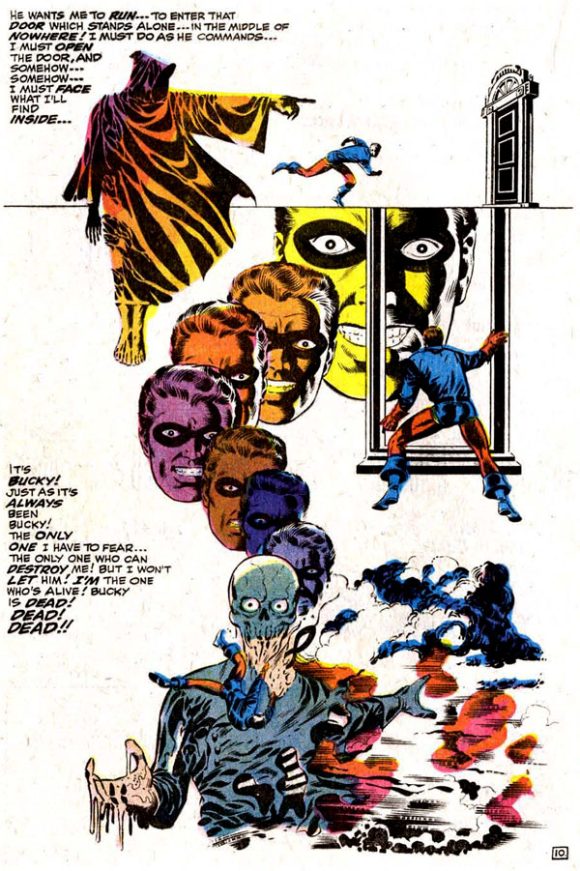
Captain America #111
—
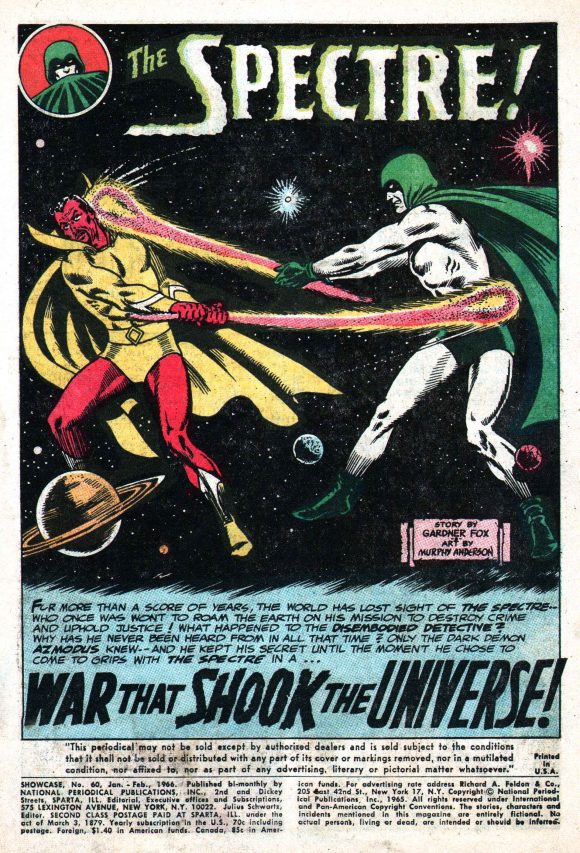
12. Creator Credits in Print. Credits were haphazardly given in the early decades of comic books. If an artist didn’t sign the work, it was unlikely the publisher would add them, and, with rare exceptions, writers were uncredited, along with the letterers and colorists. It wasn’t until the Silver Age that creator credits started appearing with any regularity on splash pages.
—
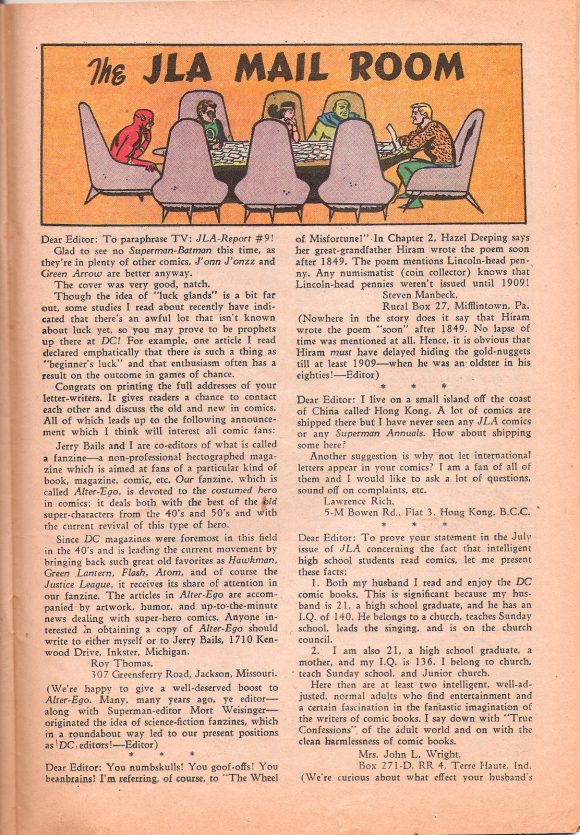
11. Letter Columns. Silver Age DC editors Mort Weisnger and Julie Schwartz were both old-school science fiction fans (and later literary agents to SF writers and/or pulp magazine editors) and knew the value of the fan community. They cultivated emerging comics fandom by publishing letters and engaging directly with readers via dedicated pages in nearly every issue, as well as including the readers’ full addresses so fans could communicate with one another.
—
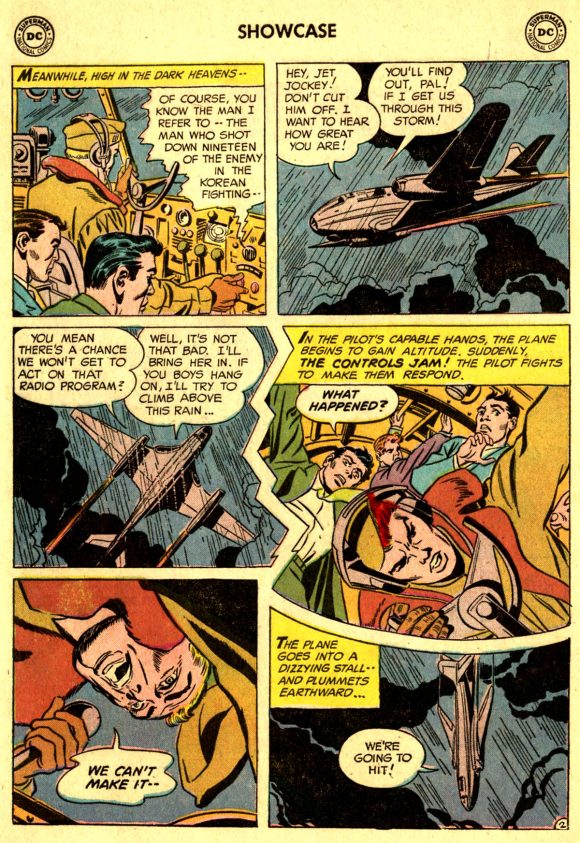
10. The Shared Origin Story. While the comic book cinematic universes all seem to have made this the rule — everybody’s origin is linked to everybody else’s — the idea took root in the Silver Age when such teams as the Challengers of the Unknown, the Fantastic Four, and the Metal Men established the trope of giving an entire group a simultaneous origin event.
Showcase #6
—
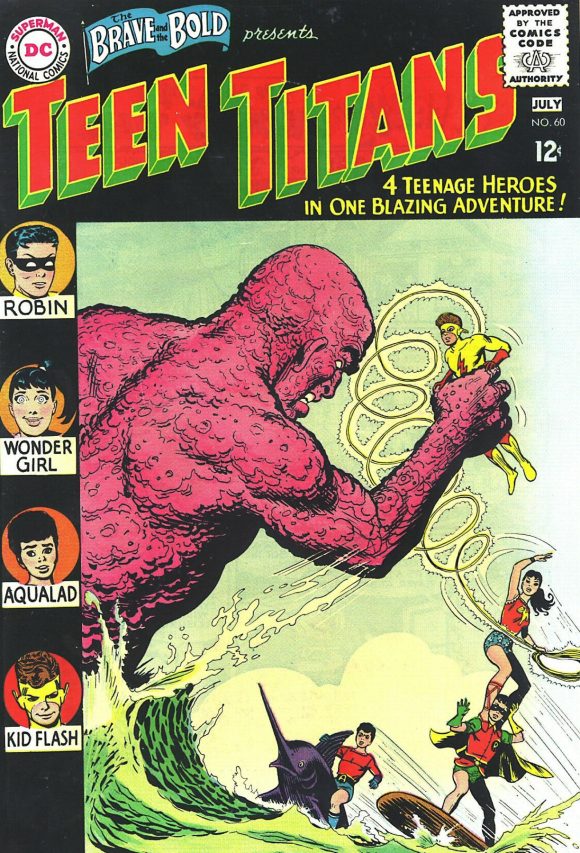
9. Sidekick Spin-offs. Sidekicks had been around ever since comics and Robin were hatchlings, and the Timely kids of the 1940s even starred in their own title, Young Allies. But the idea took on new significance in the Silver Age as heroes like Wonder Girl joined the Boy Wonder, Kid Flash, and Aqualad to take center stage as the Teen Titans. Years later, they would take over for their mentors or adopt new identities. (Supergirl was also a big hit, though not a Titan.)
—
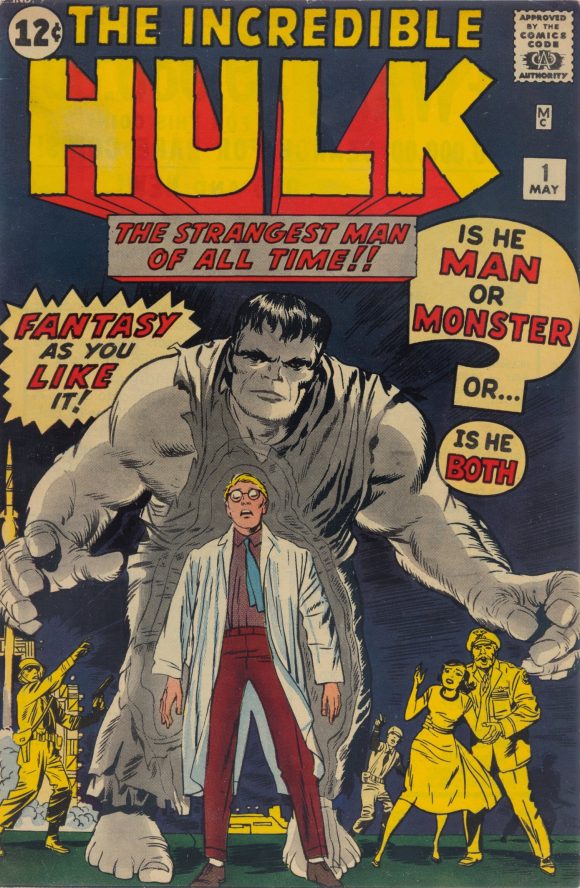
8. The Antihero. Antiheroes like Sub-Mariner or the Hulk, often straddling the line of morality, gained in popularity as older readers came on the scene, demanding more complex characters and stories. Some might argue the pendulum eventually swung too far in the other direction from the child-friendly days of yore with characters like Lobo, Wolverine, and Deadpool, but comic books, like many things, follow the path of least resistance.
—
7. The Science-Fiction Reboot. Specious as the science may have been, the Silver Age was the era of the science-fiction reboot. Characters origins’ were based in science rather than in magic or mysticism, like providing Hal Jordan Green Lantern an alien energy battery and ring versus the magical one that empowered the Golden Age Alan Scott.
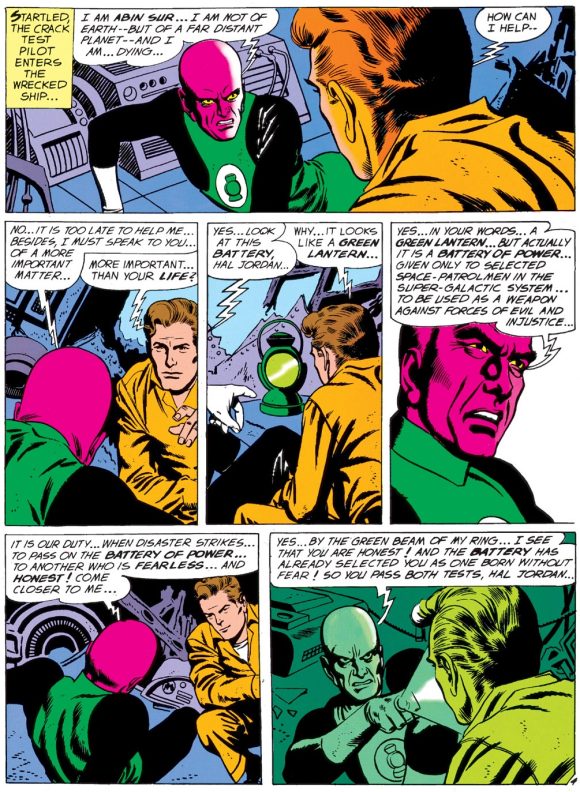
Showcase #22
—
6. Cosmic-Scale Villains. Having grown up on the Mort Weisinger-era Superman/Jack Schiff-era Batman stories when the Man of Steel fought mostly gangsters in suits and the Caped Crusader inexplicably faced off against aliens and other bizarre menaces, the introduction of cosmic level threats like Doctor Doom and Galactus upped the ante for readers.
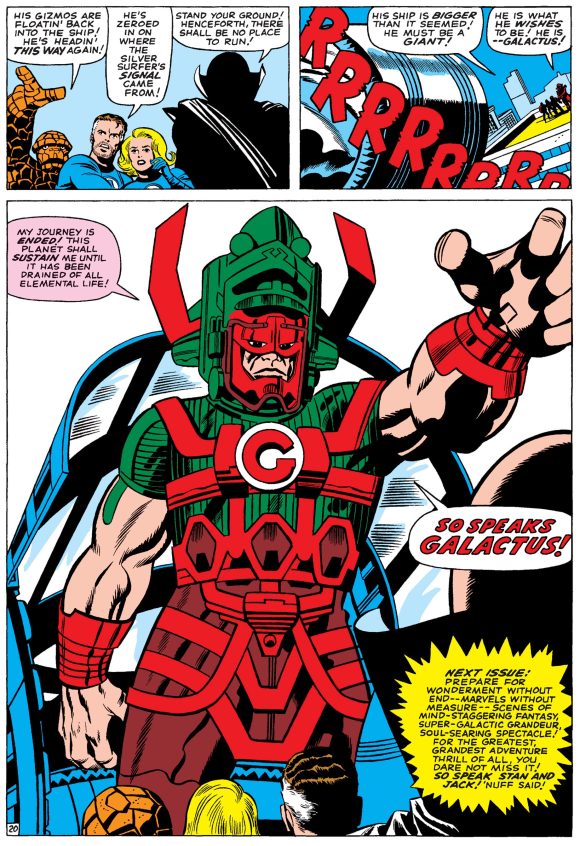
Fantastic Four #48
—
5. Flawed Superheroes. Once Marvel introduced characters plagued by self-doubt, human insecurities, and real-life problems, there was no turning back!
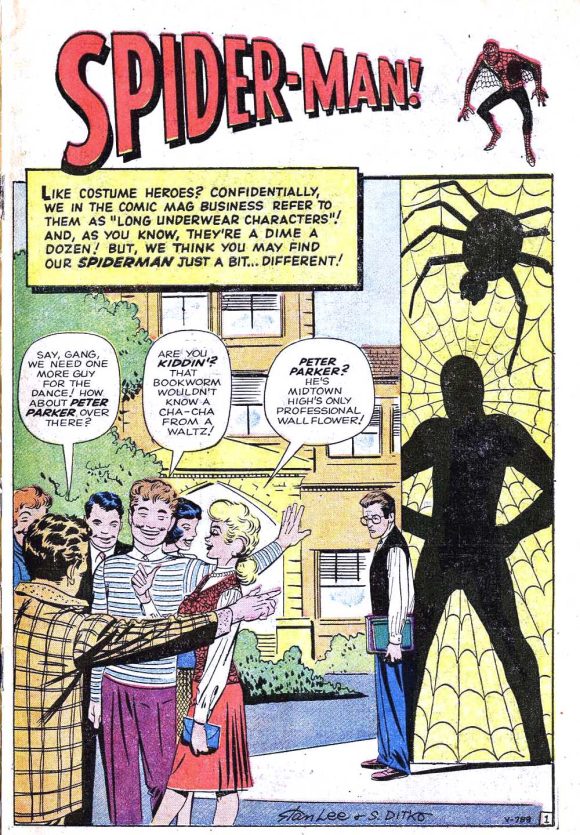
Amazing Fantasy #15
—
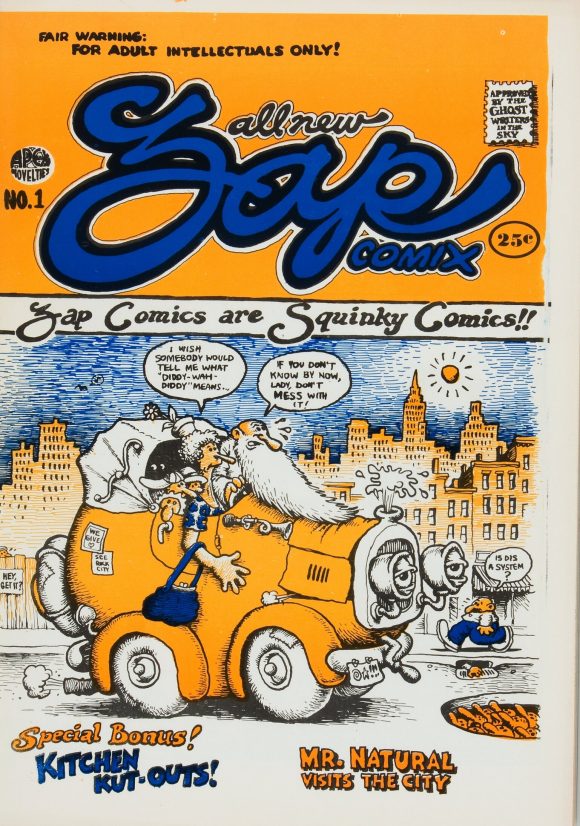
4. Creator-Owned Comics. The underground comix movement of the 1960s rejected the restrictions of mainstream publishers and the Comics Code, giving creators unprecedented control over their work. By writing, drawing, publishing, and retaining ownership of their characters and titles, underground cartoonists challenged the industry’s work-for-hire model and helped lay the foundation for creator-owned comics.
—
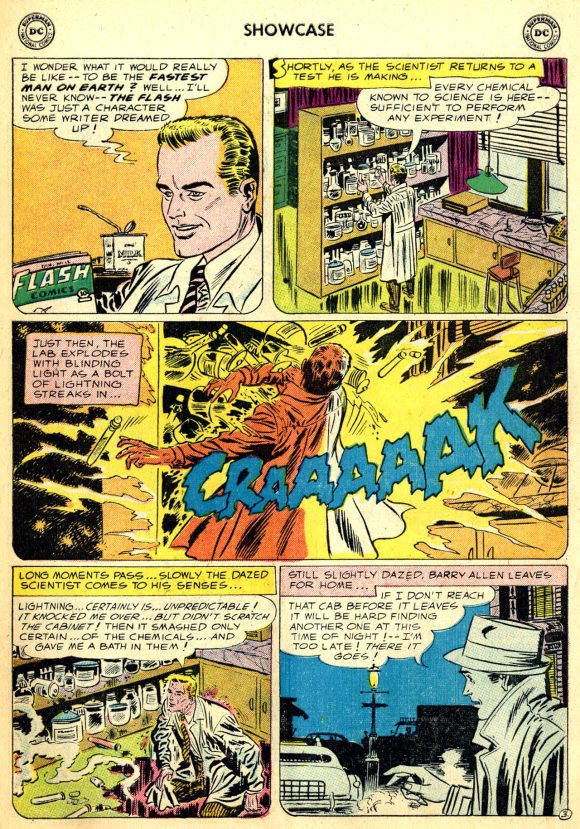
3. Legacy Superheroes. After five or six years of letting most of their B-list superhero characters lay fallow and publishing only the Big Three heroes (Superman, Wonder Woman, Batman), DC decided to dip their corporate toe a little deeper again in the costumed hero waters, likely due to the popularity of the syndicated Adventures of Superman starring George Reeves. They chose as their guinea pig one of the last heroes cancelled, the Flash.
But instead of bringing back the old guy (Jay Garrick), editor Schwartz and writer Robert Kanigher opted to go with a new character from the secret identity up, thus offering the first legacy character in Showcase #4, which is recognized as the event that kickstarted the Silver Age. The Flash was soon followed by Green Lantern, Hawkman, and the Atom, all of whom ultimately populated the Justice Society… pardon me… Justice League of America!
Showcase #4
—
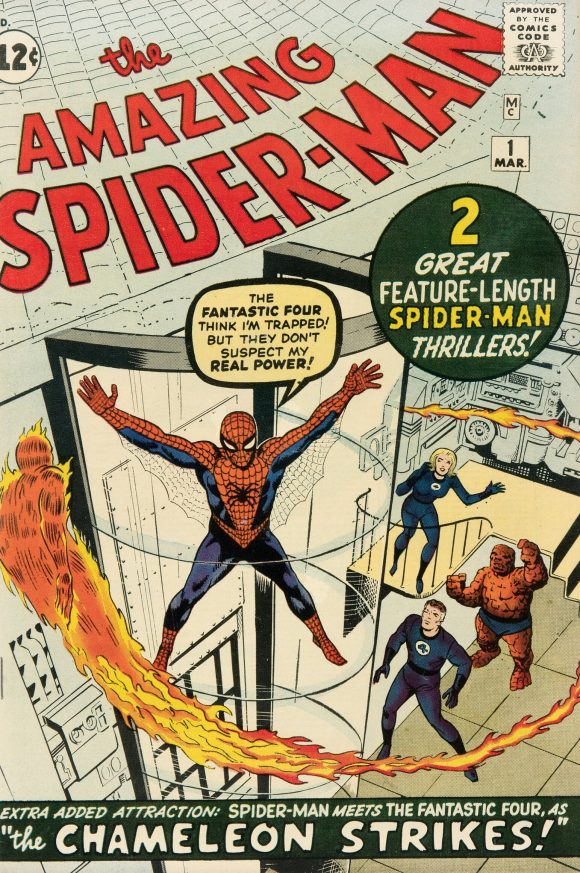
2. The Shared Universe. The idea was probably born under the pressures of deadlines. What to do in the next issue? “OK, just have Spider-Man and Daredevil meet and duke it out for a few pages!” But the wider and more diverse the early Marvel Universe got, the more these interactions began to make sense, and pretty soon, even DC Comics, with its heroes locked off in individual editorial fiefdoms, began crossing them over and meeting, cementing them all into an interconnected universe where characters regularly guest-starred in each other’s titles, becoming an industry staple.
The Amazing Spider-Man #1
—
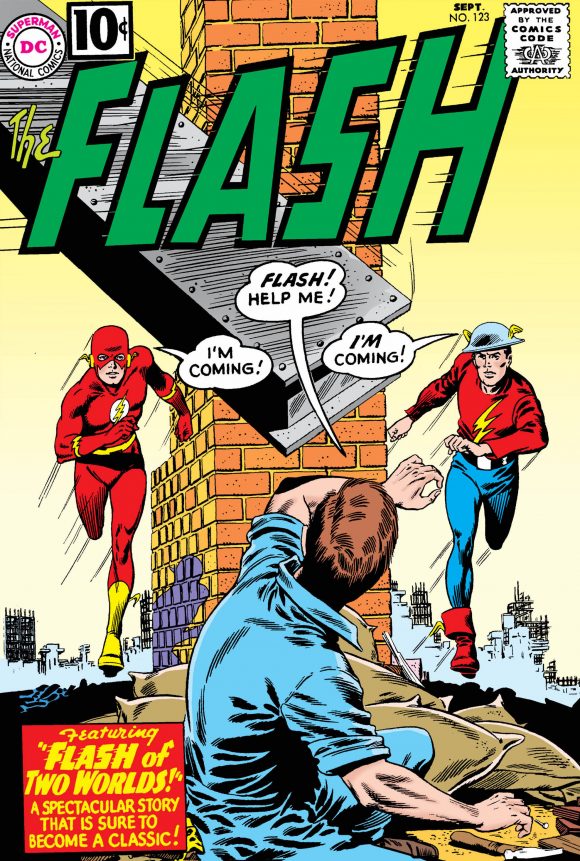
1. The Multiverse. Equally important is what was established five years after Showcase #4, in 1961’s The Flash #123. The concept of “Flash of Two Worlds!” — by Gardner Fox, Carmine Infantino and Joe Giella, behind a classic Infantino/Murphy Anderson cover — was that Golden Age heroes existed on Earth-Two while new Silver Age heroes lived on Earth-One. From that simple idea — the seeds of which were planted in Showcase #4’s origin of the Barry Allen Flash, with the revelation that Barry read the comic book adventures of the Golden Age Flash — came the Multiverse, which continues to play a starring role in comics to this day!
(Credit Where it’s Due Dept.: The “Many Worlds” theory in quantum mechanics was proposed in 1957 by physicist Hugh Everett III, who suggested that every possible outcome of a quantum event happens, causing reality to split into branching, parallel universes.)
(Dept. of Yeah, But…: Hugh Everett III and Gardner F. Fox, writer of “Flash of Two Worlds.” Separated at birth? Or the same guy from different universes?)
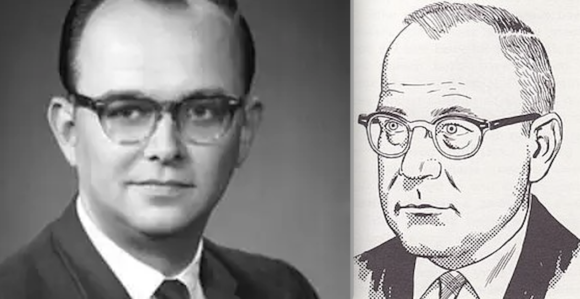
Everett and Fox
—
MORE
— MARK WAID: My TOP 13 Pre-CRISIS FLASH Stories — a 70th ANNIVERSARY Salute. Click here.
— PAUL KUPPERBERG: My 13 Favorite Things About SHOWCASE #4. Click here.
— THE FLASH’s 70-Year History Through 13 CLASSIC COLLECTIBLES. Click here.
—
PAUL KUPPERBERG was a Silver Age fan who grew up to become a Bronze Age comic book creator, writer of Superman, the Doom Patrol, and Green Lantern, creator of Arion Lord of Atlantis, Checkmate, and Takion, and slayer of Aquababy, Archie, and Vigilante. He is the Harvey and Eisner Award nominated writer of Archie Comics’ Life with Archie, and his YA novel Kevin was nominated for a GLAAD media award and won a Scribe Award from the IAMTW. Check out his memoir, Panel by Panel: My Comic Book Life.
Website: https://www.paulkupperberg.net/
Shop: https://www.paulkupperberg.net/shop-1

July 3, 2026
Not to be overly picky, as Paul discusses a number of truly important innovations that were birthed in the Silver Age, but I’d take exception to two of his picks on historical grounds:
1) Letters pages didn’t begin with the Silver Age, EC Comics had them way before that, complete with editorial comments. One can argue that DC and Marvel popularized the idea in the Silver Age, but it was definitely not birthed in that period.
2) The antihero is also a trope with deeper roots than the Silver Age. One need look no further than Namor, the Sub-Mariner, to see that, especially in the Marvel Mystery issues in which he attacks the surface world and fights the Human Torch. The Spectre (who operated outside the confines of the law and sentenced evildoers to horrific fates), The Spider (I know, a pulp character, but still…), and Madam Satan from Pep Comics who was literally the Bride of Satan, tasked with recruiting souls for Hell. So yeah, the Golden Age had its share of antiheroes as well.
But overall, this was a great and thought-provoking article that made a great read. Thanks, Paul!