
A BIRTHDAY TRIBUTE to the comics auteur…
By JASON CZERNICH
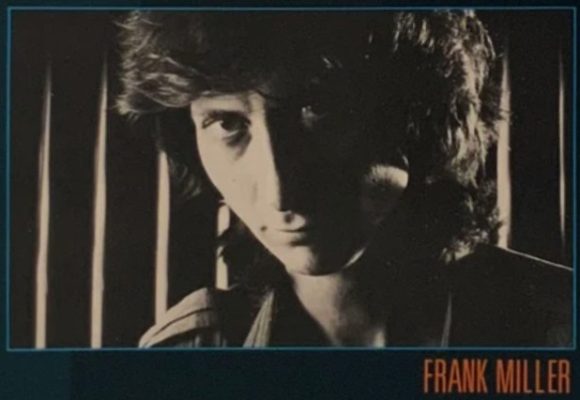
Love it or hate it, 1986 was a watershed year for comics. The medium 40 years ago gained a higher mainstream media profile as it experienced a tonal shift in the superhero genre. One of the creators largely responsible for this new direction was Frank Miller, who was born Jan. 27, 1957. Here are 13 REASONS 1986 was the most significant year in comics for this legendary writer/artist:
—
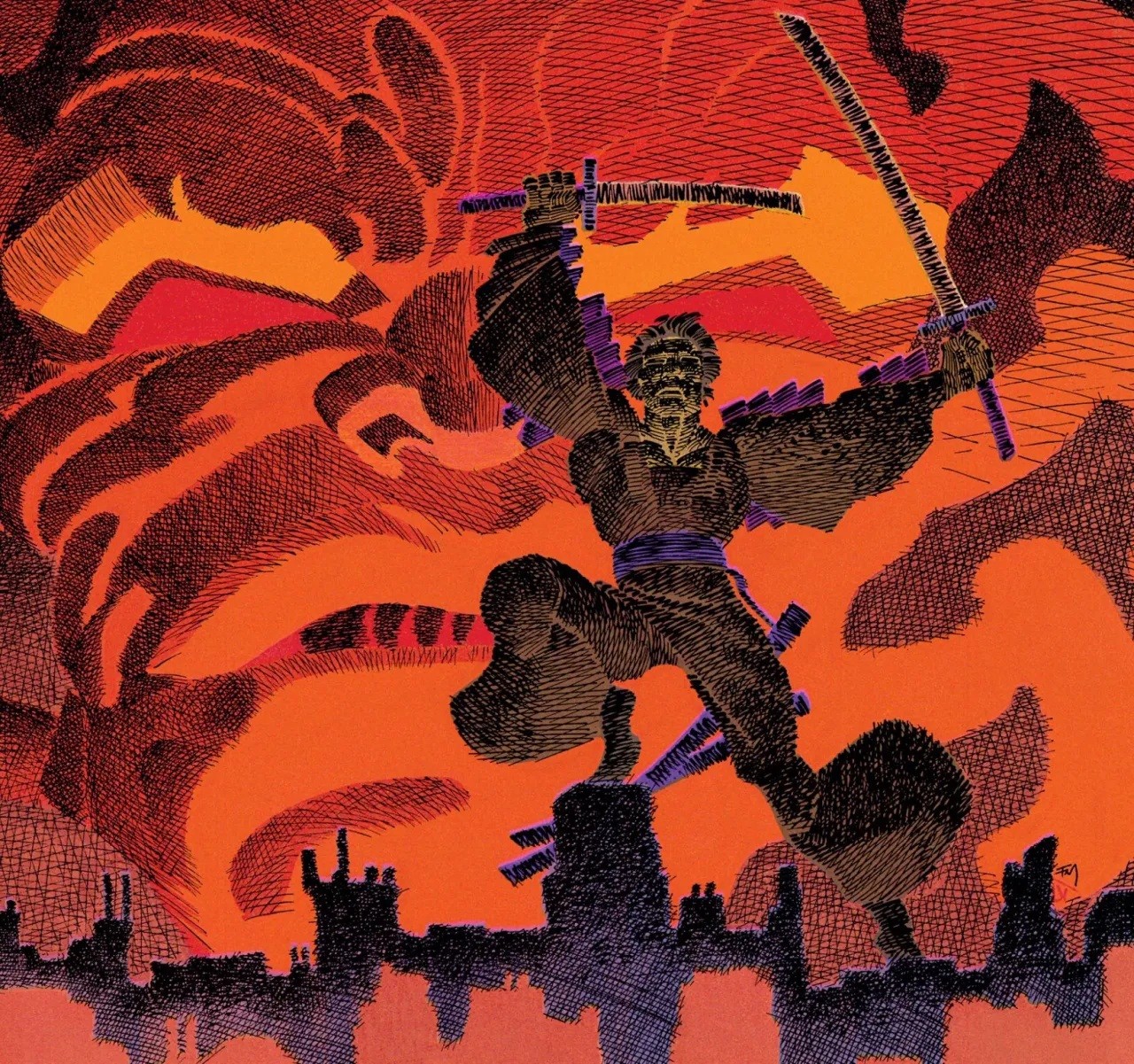
1. Miller Built on Past Successes. By the time 1986 rolled around, Miller already had an impressive track record, having revitalized Daredevil at Marvel in the late ’70s/early ’80s and published Ronin through DC Comics in 1983. Achieving critical success at the top two publishers put Miller in an advantageous position to produce even more groundbreaking works for them.
—
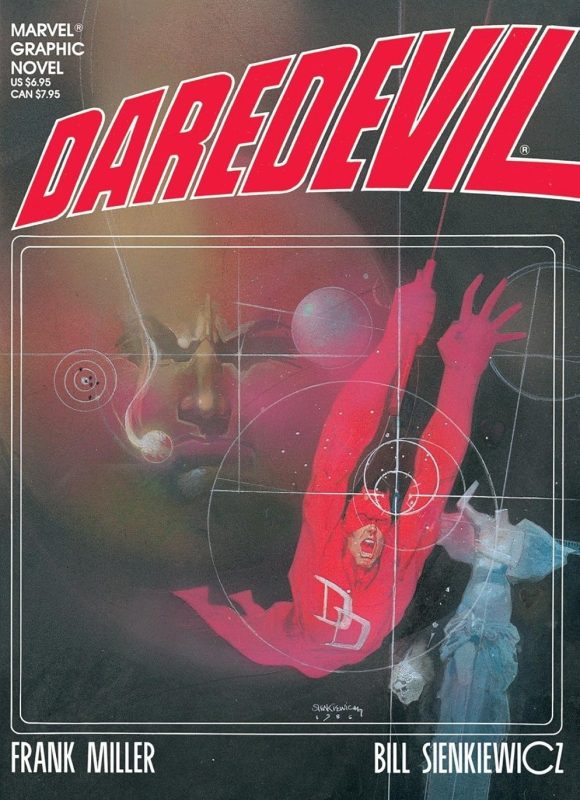
2. Daredevil: Love & War. Miller returned to the character he made his bones with in this excellent graphic novel, filled with expressive, painted art by Bill Sienkiewicz. This one-off story heightened the ongoing war between Daredevil and the Kingpin but was often glossed over during its initial release, in light of Miller’s other projects in 1986. In recent years, however, it’s been reprinted in different formats, and people are discovering this hidden gem while appreciating how it fits into the larger Man Without Fear saga that Miller had been creating. This work also showed just how much Miller had evolved as a writer since his earlier breakout work with Matt Murdock.
—
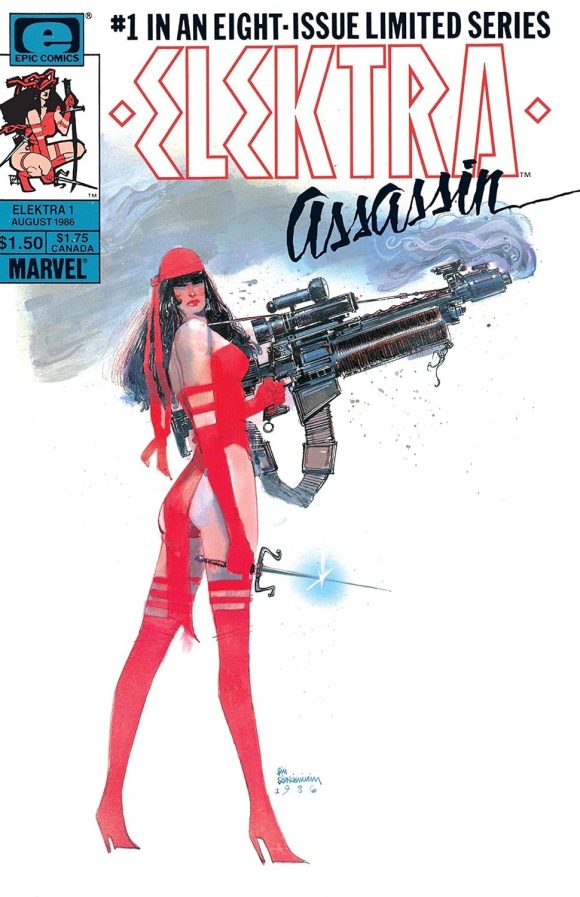
3. Elektra: Assassin. This miniseries was another Miller/Sienkiewicz collaboration that pushed into more experimental territory and felt like, quite possibly, Miller’s most surreal foray into sequential art up until that point. Miller wasn’t just putting out high-quality work in 1986 — he was pushing the boundaries of what was possible in the comic book medium.
—
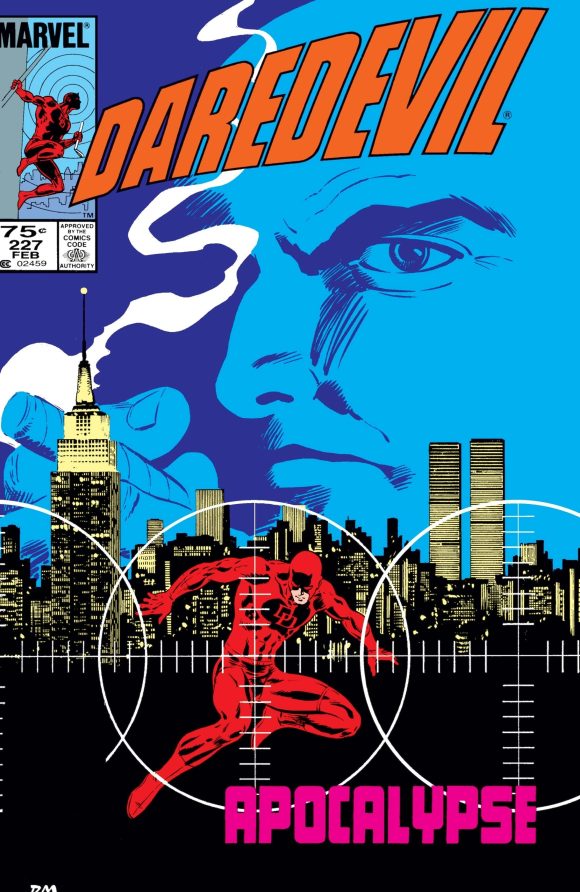
4. Daredevil: Born Again. Along with artist David Mazzucchelli, Miller crafted what many readers and critics consider to be Daredevil’s signature tale. This deconstruction and reconstruction of the Man Without Fear’s world helped influence similar approaches to other mainstream comics characters, something that was particularly utilized at DC and Marvel in the ’90s, with mixed success.
—
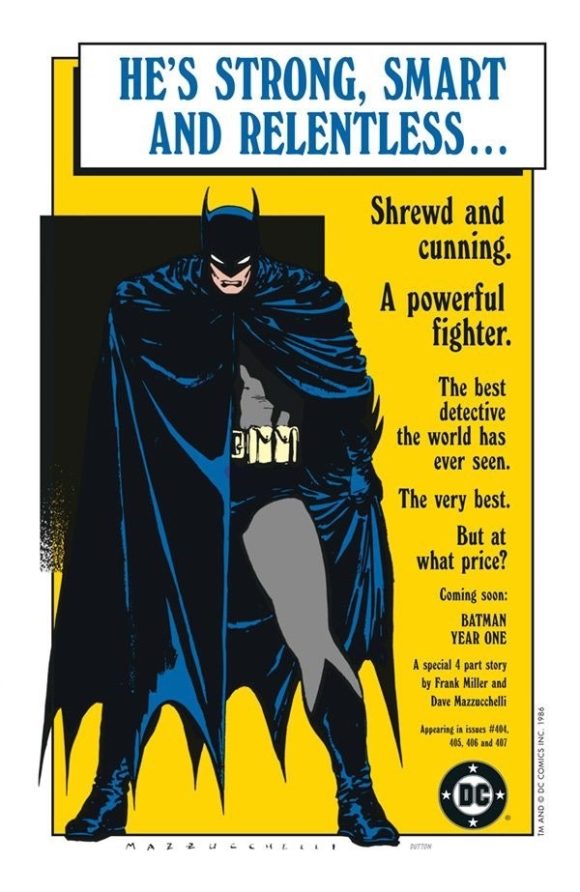
5. Batman: Year One. Pairing with Mazzucchelli again later that year, Miller penned what many in the comics industry believe to be the Caped Crusader’s quintessential story. It would affect the mood of Batman’s stories for decades to come, spawn stories set in the same Year One era in the ongoing Legends of the Dark Knight title, and lead to its own critically acclaimed sequels, The Long Halloween and Dark Victory, both by Jeph Loeb and Tim Sale.
—
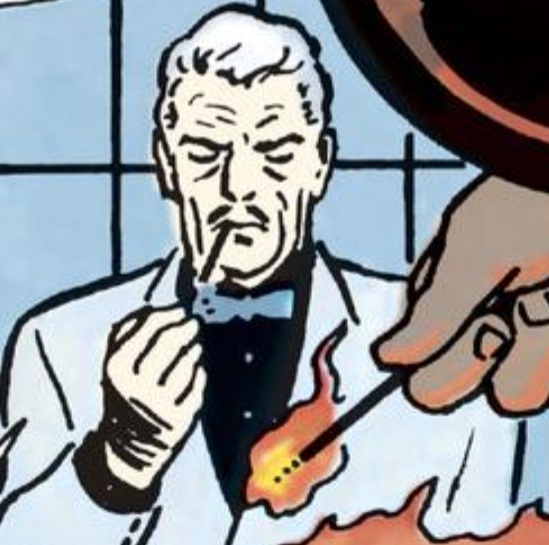
6. He Introduced Gotham’s Most Infamous Crime Boss to Batman Lore. Carmine “The Roman” Falcone was co-created by Miller and Mazzucchelli and first appeared in Batman #405, Part Two of Batman: Year One. Falcone and his family have gone on to be a lasting presence in both Batman comics and other media.
—
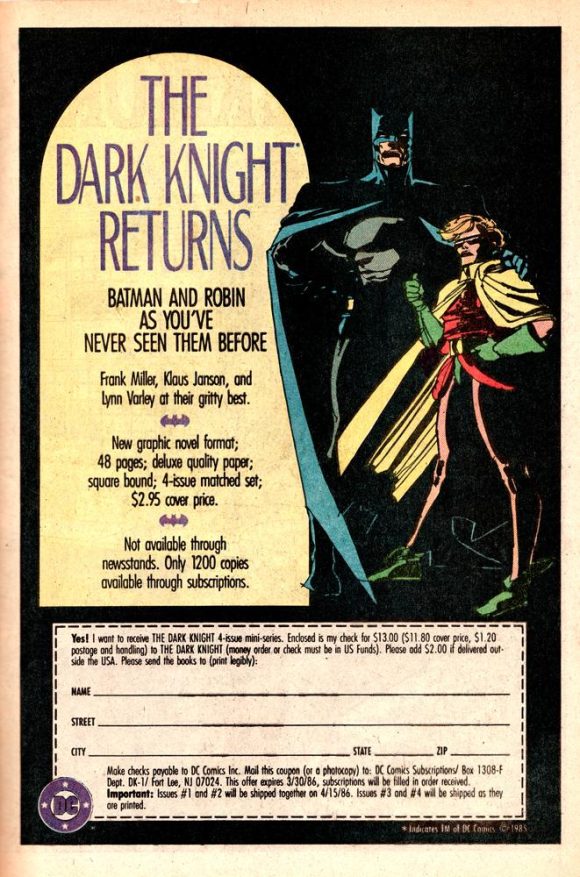
7. The Dark Knight Returns. The impact this miniseries had on the industry cannot be understated. No other project of Miller’s has had as much effect on the field before or since. Here, Miller applied his deconstruction approach from Born Again differently — building Batman back up from a retired, disenchanted Bruce Wayne into a violent urban warrior, and finally into a non-costumed underground movement figure.
—
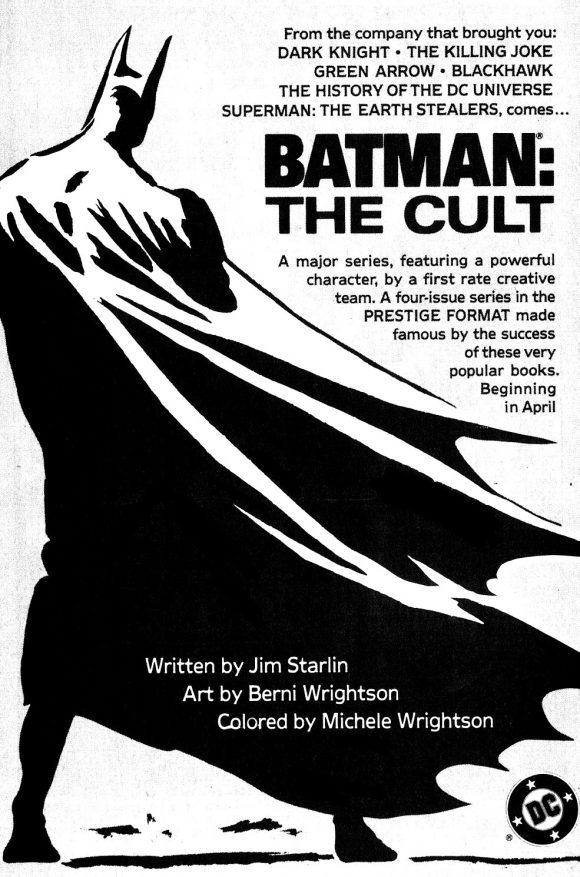
8. He Was Instrumental in Introducing a New Format to Comics. The Dark Knight Returns was noted for its superior production values, which were key aspects of the Prestige Format that this seminal work unleashed on the sequential art world. The higher-quality paper allowed Lynn Varley’s colors to enhance the story’s visuals in a way readership had rarely, if ever, experienced in comics before. I recently spoke with then-DC Comics Production Manager Bob Rozakis over Messenger for some insight into this format’s development:
“The square-bound format was the next step in the Prestige Format after the saddle-stitched version we used for Ronin,” he said. “I don’t recall whether Frank was the one who requested it or if it came from some other direction, but he certainly was not against it. You have to understand that during that period we were experimenting with a variety of formats, including a number of different types of paper, to better make use of the offset printing process that was so much better than the original letterpress. Frank was much more concerned that Lynn’s coloring would be reproduced accurately. He and Lynn accompanied me to Ronalds Printing in Montreal for all four issues’ press runs.”
—
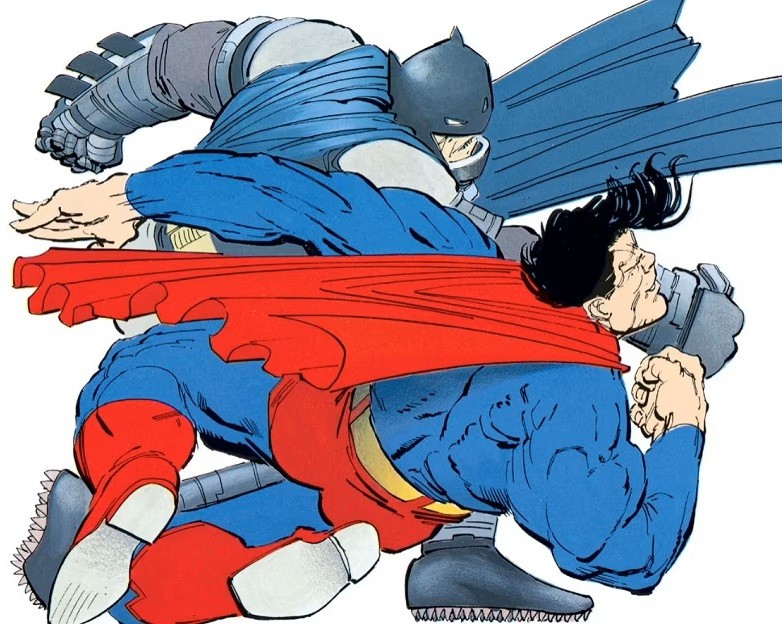
9. For Better or Worse, He Redefined the Batman-Superman Alliance. From fast friends to uneasy allies, Miller ratcheted up tensions born of Batman and Superman’s differences into a full-on physical brawl that closed out The Dark Knight Returns in shocking fashion. Even though this tale was out of continuity, it bled over into the main DC Universe, as shown in John Byrne’s Man of Steel #3 that same year. Batman and Superman would not have the buddy-buddy relationship they previously enjoyed until many years later, and even then it would be a slow thaw to get to that point.
—
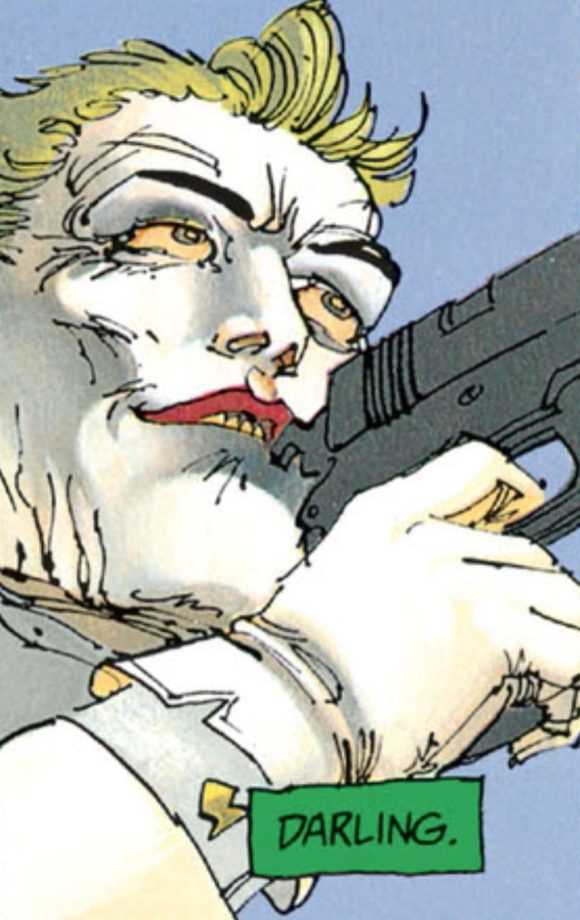
10. He Intensified How the Joker Obsessed Over Batman. In the prior decade, Dennis O’Neil and Steve Englehart delved deeper into the Joker’s obsession with Batman, to the point where the Clown Prince of Crime admitted to having a compulsive need to regularly challenge Batman, coupled with the feeling that the Caped Crusader was his only worthy opponent—even taking enjoyment in their frequent clashes. The Dark Knight Returns took those ideas further and implied that there may be something deeper behind the Ace of Knaves’ negative, and deadly, attention-seeking actions. By amplifying this adversarial relationship, Miller may have opened the door wider for other classic hero/villain rivalries to be explored more deeply, whether rooted in hate, love, or fundamental differences in values and motivations.
—
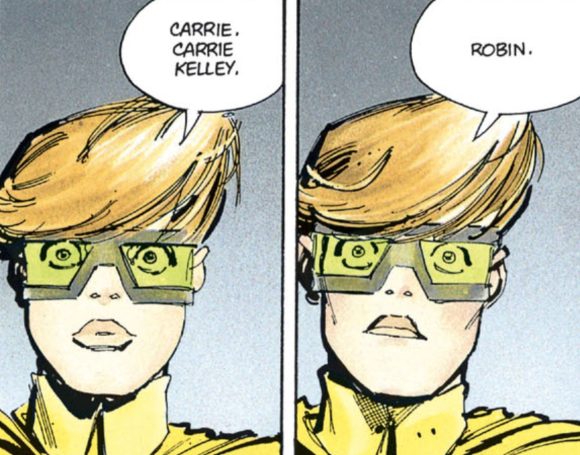
11. He Gender-Swapped a Major Character—and It Totally Worked. Can a long-running character be portrayed as the opposite gender? Yes—why not?!
—
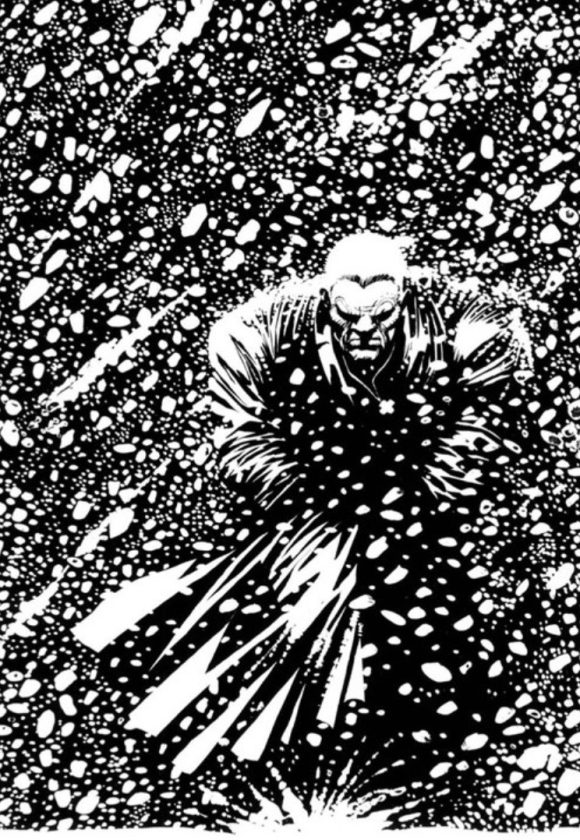
12. He Set Himself Up for Future Successes. The years 1986–2000 proved to be a fertile period for Miller, producing such hits as the Sin City series, The Man Without Fear, Give Me Liberty, Hard Boiled, Big Guy and Rusty the Boy Robot, and much more.
—
13. He Helped Kick Off a New Age of Comics — in a Big Way. Through his work, whether intentionally or not, Miller did more than his part in ushering in a new age of comics. You can call the era following his breakout year the Dark Age, the Grim & Gritty Age, or the Modern or Iron Age, but it certainly would have looked very different without Miller’s contributions to comics in the pivotal year of 1986.
—
MORE
— FRANK MILLER’s DARK KNIGHT RETURNS Facsimile Variant Is Pretty Badass. Click here.
— 1986: Comics’ Watershed Year — 40 YEARS LATER. Click here.
—
JASON CZERNICH was born smack dab in the middle of the Bronze Age of Comics. Early memories of Power Records and other Batman merchandise, as well as watching reruns of the 1966 Batman series on TV38 in Boston, imprinted on him heavily. Today, he lives and works as a clinical social worker in central Massachusetts with his wife, child, cat, and beloved French Bulldog.

January 27, 2026
I would add that without Miller’s Dark Knight Returns, and all of the attention it brought back to Batman, Warner Bros. 1989 Batman movie wouldn’t have been such a huge success.
January 27, 2026
People are quick to criticize Miller’s recent work (and I think a lot of that criticism is valid), but for the work he did in the 1980s–not just 1986–he deserves a free pass for life. That work (Daredevil, Love and War, TDKR, Elektra: Assassin, Born Again, Batman: Year One, Hard Boiled, Martha Washington) still holds up today. Not simply as nostalgia totems for an aging fan base looking to recapture their youth, but as living, vital works of art that still feel modern and fresh.
January 28, 2026
Amen! Whatever one thinks of his later work (or his personal beliefs/attitudes), his 80’s work was foundational in pushing comics and comic creators to the proverbial “next level.” And yes, there were others (Moore) from that era…and mavericks from the 70’s that were precursors (Kaluta, Chaykin, Wrightson)…but Miller as writer AND artist…few could compare
January 27, 2026
Batman Year One was great. I’m glad they did the facsimiles, as I only caught Part Four back in the day (although I did have the full story in the Miller leatherbound Batman collection). It’s a shame Year Two and Year Three were not very good.
Regarding Batman The Cult, again, I only caught Part Four. I don’t remember anything about it other than it being a disappointment after all the advertising hype.