BURIED TREASURE: Moench and Gulacy’s SIX FROM SIRIUS
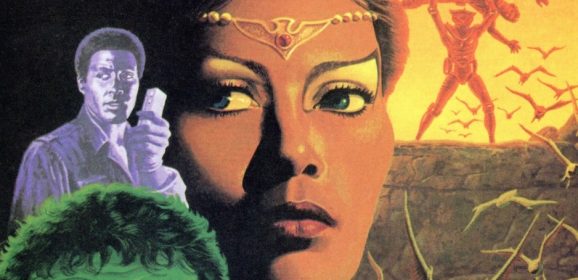
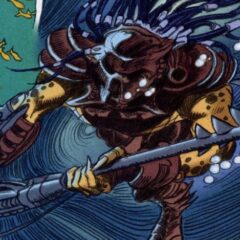
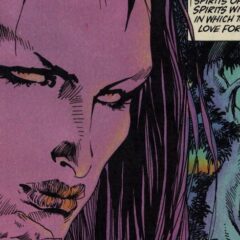
A galaxy far, far away from Shang-Chi… By PETER STONE In the 1980s, during the explosion of independent comic companies, Marvel created its Epic imprint, which produced a plethora of unique comics. Some of their standard heroes would sneak into Epic if the story was deemed to be too adult for Marvel’s mainstream line of comics. Other titles were completely fresh. One of the more compelling series produced by Epic was a 1984 creator-owned, four-issue series called Six From Sirius, by the multi-talented writer Doug Moench and artist Paul Gulacy. These two creators had worked together before, most notably on Shang-Chi in Master of Kung Fu. The end result was a completely new science fiction story featuring six mercenaries from a distant planet named Sirius. They appear as a tough, no-nonsense team of battle-ready warriors ready to complete their mission at any cost — to rescue and then protect an ambassador, Phaedra, from the planet of Balsamo. The ambassador has been kidnapped by robots called Fax-Men, who are trying to incite a war between Balsamo and Axellon with the moon of Heavenstone thrown into the mix. As you might imagine, everyone is out for themselves. Six From Sirius didn’t have Batman or any superheroes, and the science fiction aspect at the time was tremendously attractive to the fan market. There were sexy women, blasters, explosions, and alien races. There was also espionage, betrayal, and last-minute saves. Moench crafted a thought-provoking story, and Gulacy, who had stretched his artistic wings past his early imitations of Jim Steranko, had a cinematic and photorealistic style, boasting a healthy blend of spy-film aesthetics. The artist also used movie stars as models for his characters. Marlon Brando, Bruce Lee, Sean Connery, and David Niven were just a few of his favorites. The first series was successful enough for the band to get back together and do a second miniseries a little over a year later. All in all, Six From Sirius I and II were solid, terrific storytelling with flashy, well-drawn art and interesting characters and storylines. They could make a good streaming TV show or a movie. Give it a shot if you like science fiction or Star Trek, or just exciting, unique stories. — MORE — BURIED TREASURE: Harlan Ellison and Marshall Rogers’ DEMON WITH A GLASS HAND. Click here. — BURIED...
Read more