
The guys behind this podcast certainly believe it…
At 13th Dimension, we use four basic “Ages” to define comics’ eras: the Golden Age began in 1938 (or earlier); the Silver Age began in 1956 (starting with Showcase #4); the Bronze Age began in 1970; and, the Modern Age began in 1986, though in each case there’s some overlap. Some collectors and historians use the terms Dark Age, Copper Age and Iron Age to define the earlier parts of the Modern Age. None of have been universally adopted, however, so we tend to stay away from them.
But maybe we’re wrong. Certainly, the comics of 1987 can be quite different from those produced today. And the ’90s was a period that pretty much stands on its own.
In any event, there’s a podcast called The Iron Age of Comics, which covers 1985 to 2000, and here’s 13th Dimension contributor Jason Czernich with his 13 favorite episodes that, in sum, certainly make the argument that the Iron Age was definitely a thing. — Dan
—
By JASON CZERNICH
In early 2023, Justin Zyduck and Jim Cannon first streamed their signature podcast, The Iron Age of Comics, which, in their words is: “A critical re-evaluation of comic books from about 1985 to 2000… including, of course, the boom and bust of the ’90s! Go beyond the chromium covers and grim ‘n’ gritty cliches for a deeper look at one of the most divisive periods in comics history. (Justin and Jim) share context, commentary, and a few laughs on the first and third Wednesdays of each month.”
I have been tuning in since the first episode and have been a loyal listener ever since. The main appeal for me is that it covers the era where my comic book habit was at its height. Recently, I spoke with Justin and Jim over email to get some of their thoughts behind my 13 favorite Iron Age episodes and what went into selecting the subject matter for each one. Here they are, in chronological order:
—
1. Episode #0: Defining the Iron Age/Crisis, Dark Knight, & Watchmen, 1/4/23 (Listen/Listen)
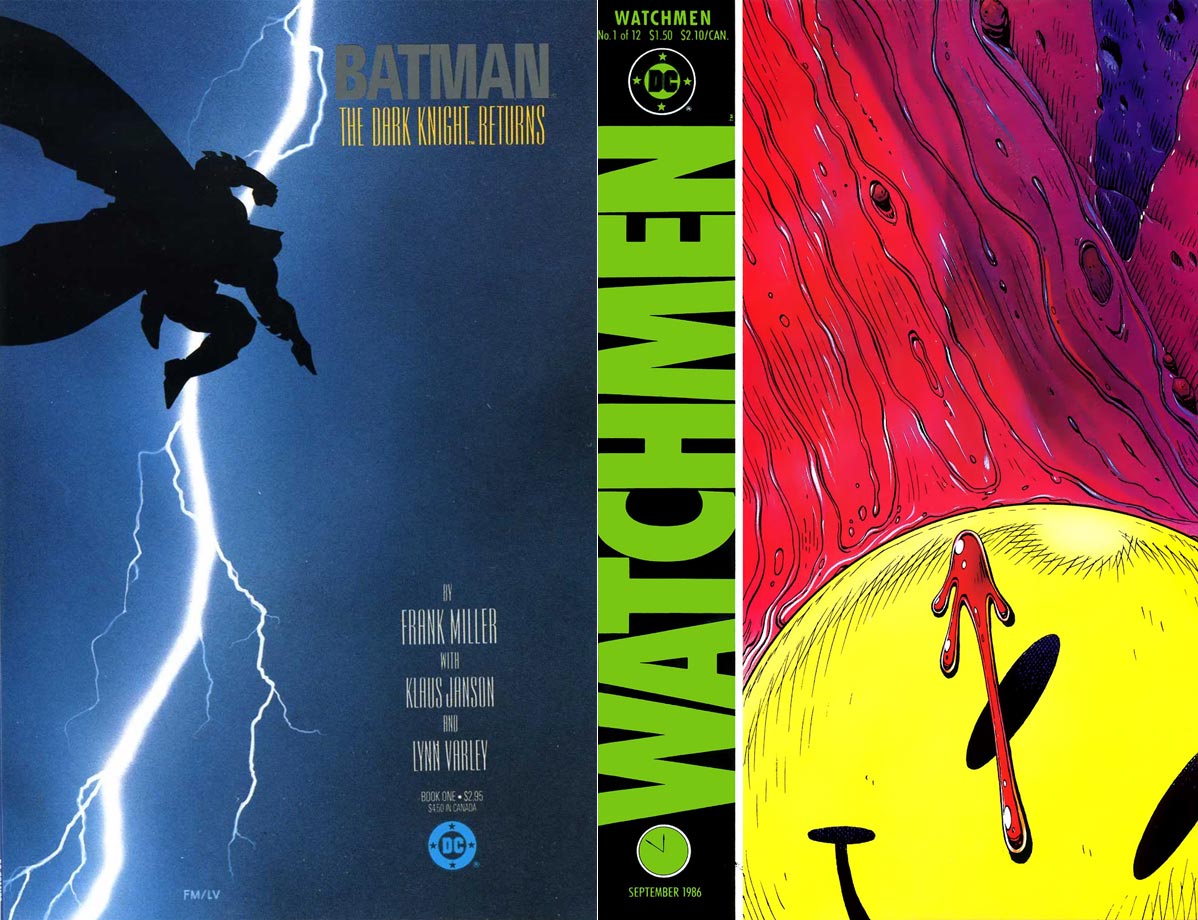
Justin: I personally love podcasts with introductory episodes that lay out a mission statement and let you get to know where the hosts are coming from, but not everyone does, so we broke ours off into a “zero issue” that people could skip or come back to later.
DC Comics pulled off an astonishing reinvention via the 1985-87 hat trick of Crisis on Infinite Earths, The Dark Knight Returns, and Watchmen. These three books are the obvious starting point for a podcast about comics from around this time, but we didn’t want to blow through all these white whales right away. Talking about them as a collective let us discuss their influence on the next decade and a half of comics and save the deep dives for later.
—
2. Batman: Year One, 4/19/23 (Listen)
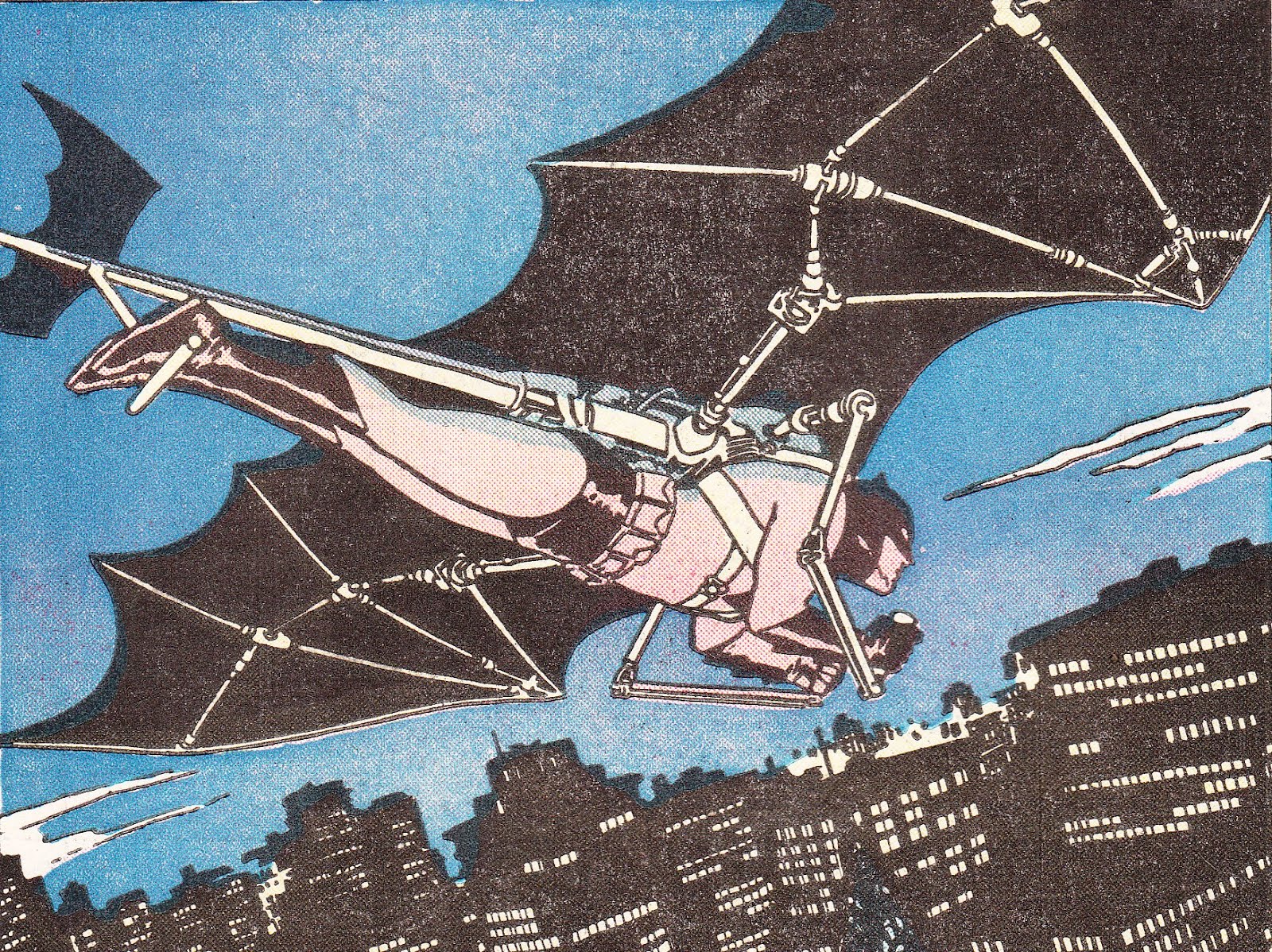
Jim: While Justin went into our first dozen or so episodes thinking about the breadth of the period we were going to talk about, and some of the pivotal moments that occurred during it, I was thinking about the highlights. With the big three off the table, covered briefly in our inaugural episode, I pitched Batman: Year One as a story we had to cover as soon as possible. It’s one of the key books of 1986, one of the key books of the Iron Age, and one of the key books of the Batman mythos at this point.
Note from Jason: Jim Cannon is a friend of mine from the late ’90s and he is also one of the toughest critics you will ever meet when it comes to comics. This episode shows a different side of Jim where he actually “gushes” over something for once. As I realized back when I first knew him, it’s worth taking a look (or another look) if Jim recommends it.
—
3. Elektra: Assassin, 7/19/23 (Listen)
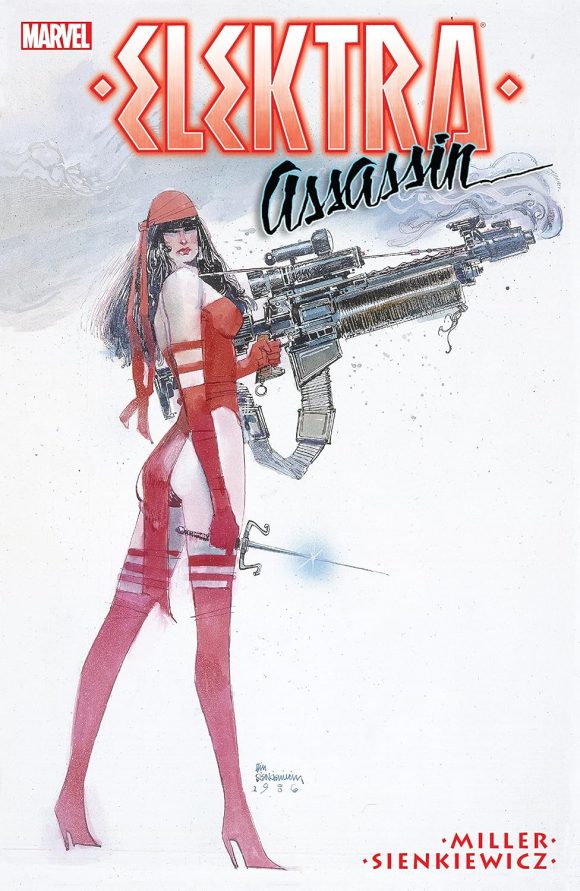
Jim: There were two factors involved here: In the first place, I have a definite DC bias and I wanted to do more Marvel material, but using Marvel material I already had access to. And a friend had given me the issues of Elektra: Assassin years before but I’d never read it, having had no real interest in the subject matter. This seemed like a two birds, one stone situation. I was delightfully surprised at how much goofy fun Elektra: Assassin turned out to be.
—
4. Ghost World, 2/21/24 (Listen)
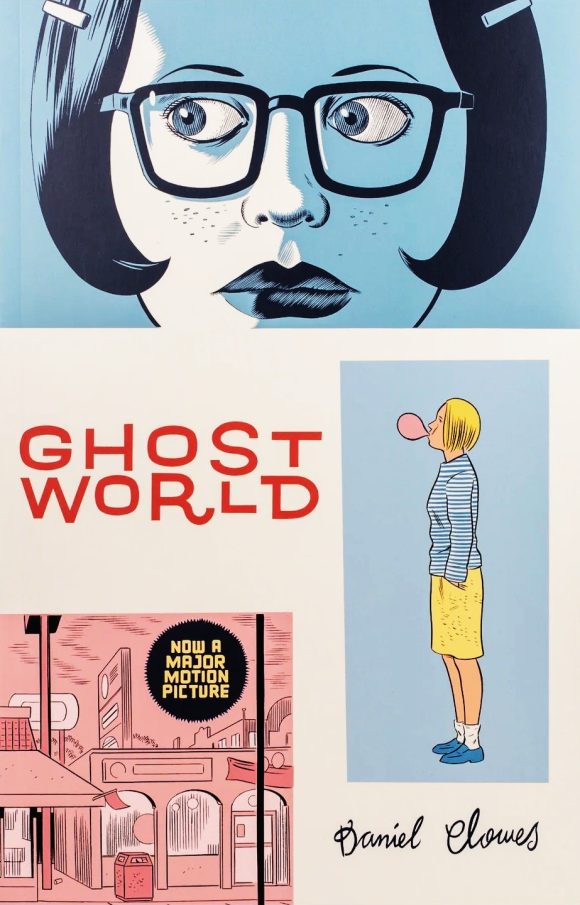
Justin: I love Ghost World, but I wasn’t sure if we should do an episode on it at first. The “ages of comics” framework is a very superhero-centered way of looking at American comic books; trends and patterns in the indie/alternative comics sphere aren’t necessarily reflective of whatever was going on with Batman at the moment, you know? But changes to publishing and distribution in the Iron Age opened up huge opportunities for comics creators like Daniel Clowes to find an audience outside of working for DC and Marvel, so we decided it’s relevant after all. Purely statistically, this is one of our least-listened-to episodes because it’s a departure from the usual pow-zap action stuff, but I think we had a great time vicariously reliving our awkward teenage years through this comic!
Note from Jason: I like all kinds of comics and was very happy to see Iron Age cover a non-mainstream graphic novel.
—
5. Batman: The Animated Series, 5/15/24 (Listen)
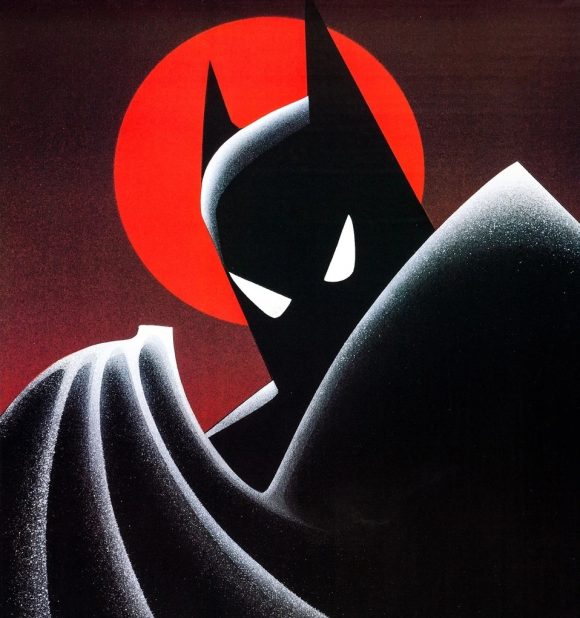
Justin: There are lots of great podcasts about comic book movies and TV shows, so we tend to save those things for bonus episodes and focus on the comics themselves in the main feed. But BTAS is so influential and so unanimously beloved among fans (particularly those of us who grew up with this show) that we made an exception. We may have to rebrand this episode “Disc One” or something and dip back into our DVDs and streaming services for future episodes…
—
6. Weapon X, 7/17/24 (Listen)
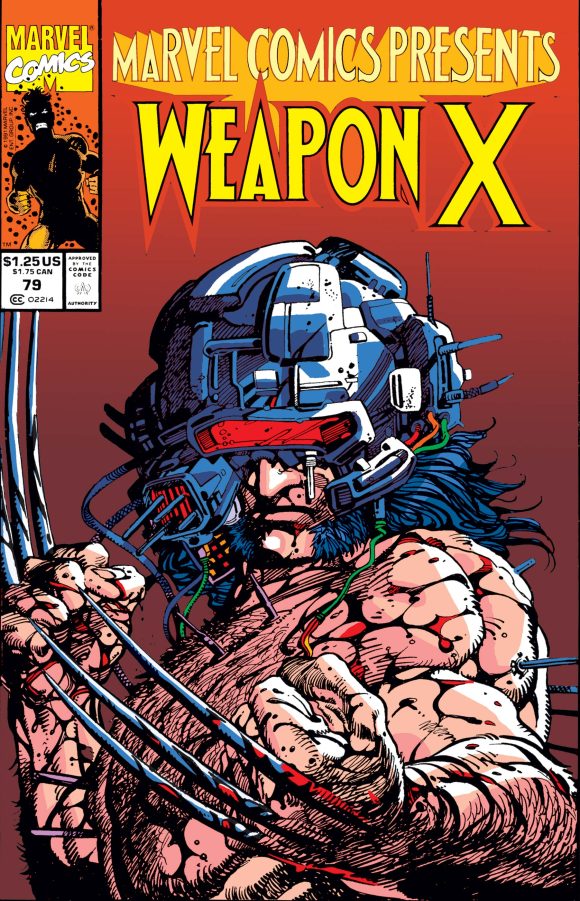
Justin: This is truly one of the most glorious and bizarre comics Marvel’s ever published. By rights, a story establishing the secret origin of Wolverine should have been a sales-driven, corporately mandated, editorially coordinated crossover event, so it almost feels like Barry Windsor-Smith got away with something in writing and drawing this auteurist horror story for an anthology title like Marvel Comics Presents. It’s not actually designed to give us a tidy Official Handbook-ready summary of Logan’s biography. (It resisted our attempts to even straightforwardly summarize the plot!) The Weapon X serial gives us a sense of the trauma beneath Wolverine’s tough-guy bluster without robbing readers of the alluring mysteries surrounding the character. That’s why it’s the only Wolverine origin that will ever satisfy everyone!
—
7. Grendel: Hunter Rose, 5/21/25 (Listen)
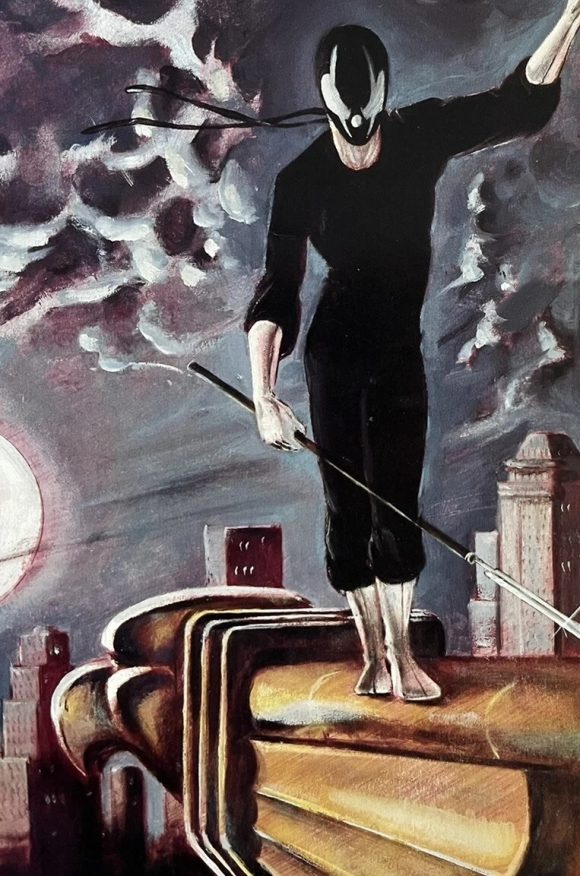
Jim: My first encounter with Grendel was via Warchild in the mid-’90s and I instantly fell in love, but finding the back matter wasn’t terribly easy back then. Fast-forward to the present, when the promise of an unfulfilled Netflix series prompted Dark Horse to collect the entire saga in six beautiful omnibuses. Not only was Matt Wagner’s tour de force accessible, but it was perfect fodder for the podcast. Another example of something neither of us had read before turning out to be really, really good.
Note from Jason: I would really love to hear their thoughts on the Batman/Grendel crossovers, wouldn’t you?
—
8. Astro City: Life in the Big City, 9/17/25 (Listen)
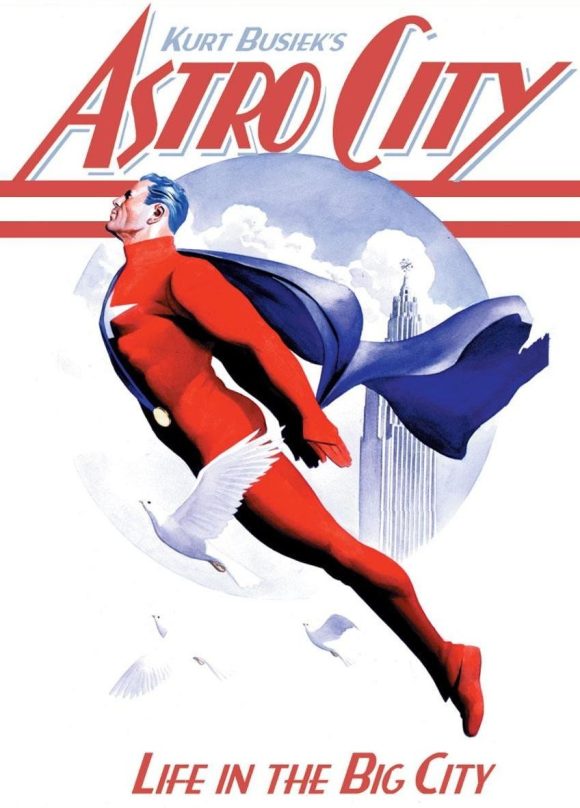
Justin: I’m a guy who loves to know how the sausage is made, so I enjoy researching the behind-the-scenes aspects of these comics. I almost overdid it here when I found a lengthy Comics Journal interview where Kurt Busiek explains the initial development of the series at length, but when I looked at my notes and realized I had essentially just rewritten the article, I pulled back and tried to put the focus back where it probably belongs: on the comics themselves. I really felt the pressure to give this comic its due — obviously, it’s a popular and well-regarded series, but it deserves the same level of analysis and thought that Watchmen or anything else in that league does.
—
9. Fifth Week Bonus: Mike Mignola’s Francis Ford Coppola’s Bram Stoker’s Dracula
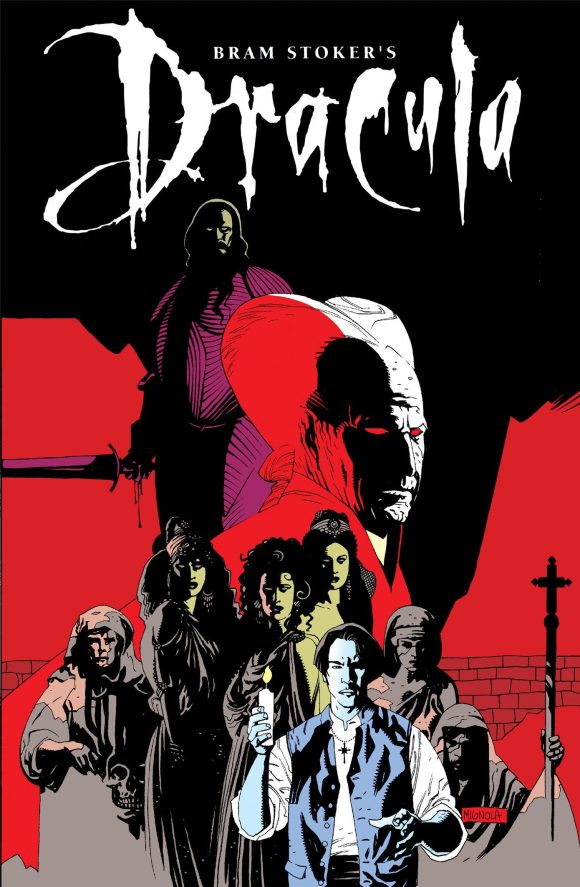
Jim: We are always looking for something fun to do in our Fifth Week Bonus episodes, and we’re both big fans of Mike Mignola and Dracula, so this was a natural fit. We actually decided on this many months in advance, because we also like to do appropriately themed material in October. That this book essentially turned out to be Topps Comics’ flagship title was icing on the cake.
—
10. Judge Dredd: Necropolis, 12/3/25 (Listen)
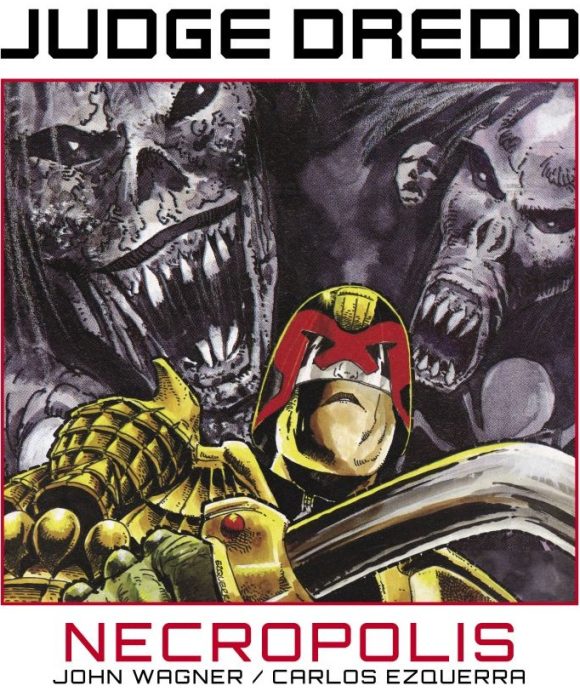
Jim: This episode is more straightforward than most: A listener wrote in asking that we cover some Judge Dredd. I solicited recommendations from people and Necropolis is the story we ended up doing because of that. It seems like an odd choice at first, beginning very much in media res, but I think that actually ended up working to our benefit. We were thrown into the deep end and had to catch our bearing, which I hope made for a fun episode, even if the audio quality was not up to our usual standard.
—
11. Iron Mail: Listener Q&A, 12/17/25 (Listen)

Justin: It was pointed out to us after the fact that a much better episode title would have been “The Iron Q&Age of Comics.” We initially thought this would be a quick one to do for the end of the year when a lot of podcasts take a break for the holidays, but it expanded when we got a good mixture of fun things to talk about and opportunities to really reflect after three years. I always genuinely enjoy hearing podcasters talk about their thought process and goals — why they spend hours making notes and recording and editing and posting their voices into an already crowded sea of internet commentary. But if that sounds too pretentious, we also goofed around talking about trading cards and which fictional universe would be the best one to live in.
—
12. Fifth Week Bonus #13: The Greatest Batman Stories Ever Told, Vol. 1, 12/31/25
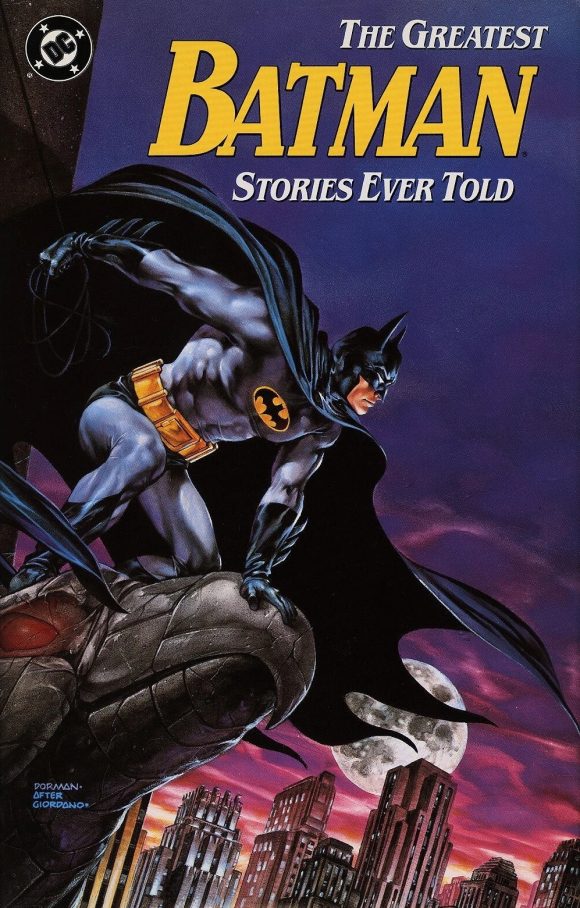
Jim: This episode came out of another listener suggestion, this one from Jason Czernich himself! It was such an interesting idea, largely because while the volume was published in 1988, all of the stories in it predate 1985, our proposed beginning of the Iron Age. At the same time, these were all stories that seemed important to the creators during our proscribed period, and also we both really enjoy this volume. But that’s why it ended up being a Fifth Week Bonus episode, as it didn’t really fit into our main feed. As a side note, I had actually misplaced my copy of The Greatest Batman Stories Ever Told Vol. 1 (I have since recovered it) and had to do the episode mostly from memory. I did supplement with notes I’d made for a different project many years ago.
—
13. 1986 Year In Review, 1/7/26 (Listen)
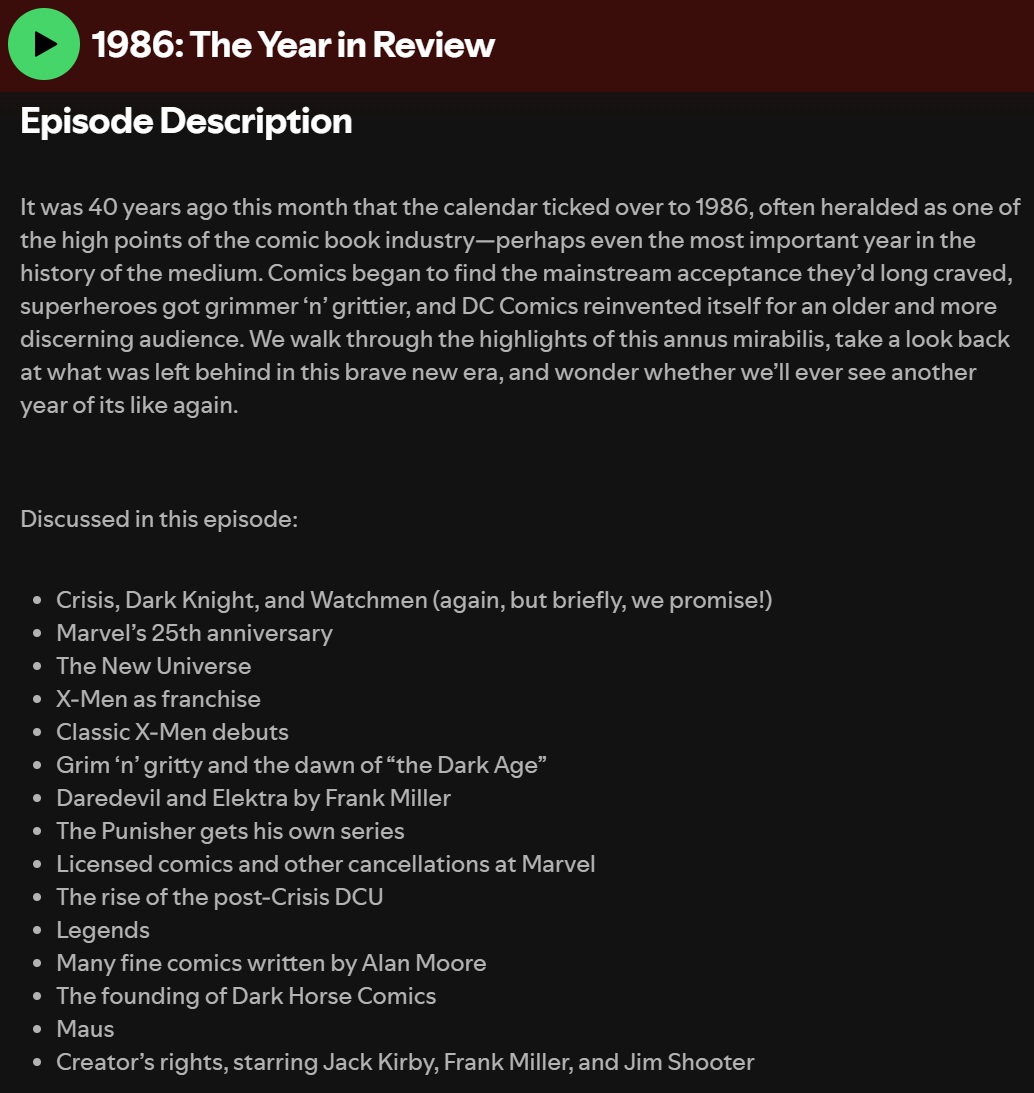
Justin: Everyone (including us!) talks so much about 1986 being this miracle year in the comics industry that it can become like Woodstock, where the legend built up around it eclipses the actual event. But when you read articles in the fan press of the time, it becomes clear that people were noticing change was in the air even while they were in the middle of it all. Digging through everything published that year demythologized the whole 1986 phenomenon a bit by putting it into context and thinking about how these things happened.
—
You can find these episodes and more at The Iron Age of Comics on Spotify. And you can find Fifth Week Bonus episodes here if you are a Patreon subscriber, which is only $2 a month.
Happy listening and tell Justin and Jim that 13th Dimension sent ya!
—
MORE
— 1986: Comics’ Watershed Year — 40 YEARS LATER. Click here.
— From DARK KNIGHT to DAREDEVIL: 13 Reasons 1986 Was FRANK MILLER’s Year. Click here.
—
JASON CZERNICH was born smack dab in the middle of the Bronze Age of Comics. Early memories of Power Records and other Batman merchandise, as well as watching reruns of the 1966 Batman series on TV38 in Boston, imprinted on him heavily. Today, he lives and works as a clinical social worker in central Massachusetts with his wife, child, cat, and beloved French bulldog.

January 29, 2026
I just started listening to this podcast a few weeks ago. It’s pretty great! One of the most insightful comics podcasts I’ve come across.
January 29, 2026
This makes me wonder what age Bongo Comics fall into.
January 29, 2026
Iron Age as as Bongo was started in 1993, right?
January 29, 2026
It should be called the Dark age. Almost everyone agrees it began with The Dark Knight Returns, and that mini series changed everything and influenced an entire era and industry.
January 29, 2026
This age deserves a name with distinction. It wasn’t just another time period with another type of metal to describe it. No one will understand if it is named the Iron Age. If anything, it diminishes it. Sounds like it is an era of medieval stories. It wasn’t. They were Dark. It’s the Dark age.
January 29, 2026
But not everything was dark in the 1986-2000 period. In fact, in 1996, with the publication of Kingdom Come, things started getting lighter in the mainstream too.
Bongo Comics
Bone
Madman
The Tick
It wasn’t all dark and to name that era the Dark Age does a disservice to all the wonderful works out there that weren’t grim.
Superman died, but he came back.
Batman had his back broken but he healed and Nightwing came back into the main Batman books and reconciled with Bruce.
The Return of Barry Allen had a dark twist but ended on an optimistic note.
It wasn’t all dark during that time and that period was richer because of it.
January 29, 2026
I wish various comics chronicling experts would get together and come up with a consensus on how the next ages should be labeled and what their criteria for deciding this is. What’s the trends of a particular period of comics? How long did it last? What’s the sea change that triggers the next age?
I don’t like “dark age” if only because the grim and gritty trend was, honestly, not nearly as long as people think. I’m good with the Bronze Age approximately ending with Crisis and Secret Wars, which definitely marked a tonal shift into: 1) revised continuity, 2) heavier emphasis on events, and 3) yes, there’s a darker tone. But if we’re going with a “dark age,” it really only lasted until about 1992.
Why 1992? Because 1992 through about 2000 was a period of tear-down-and-refresh, particularly DC. Characters were broken, but then reassembled into a stronger yet familiar version. Superman died, but came back with a bigger cast. Batman broke, but then refreshed and was bolstered by the success of the Animated Series. Marvel was a little behind on this, but the teardown of Onslaught and the Clone Saga led to Heroes Reborn and Busiek’s Avengers. I really see 1993 to about 2002 as a neo-Silver Age renaissance of sorts.
2003 (maybe earlier) to about 2021 is the Media Age of comics. This is when superhero films and television shows really dominated, and comics started bending towards broader adaptions (they’re either bending to the mass-market versions, or else they started to be written as story treatments for streaming services and movies). Comics were now getting overshadowed by their screen counterparts.
I don’t know where we are today. Superhero as a film genre is waning–it just *is* even if it’s still strong. We need a few years to figure out what the next age is.
January 29, 2026
Bronze Age began in 1968.
BA was in full swing in 1970. If the Golden Age begins with the first definable issue (Action 1) and the Silver begins in 1956 with the first definable issue (Showcase 4), then the Bronze Age begins with Neal Adams on Brave and the Bold in 1968, a clearly definable point.
February 1, 2026
I tried to submit this comment previously, but I may not have posted correctly. I apologize if this is a repetition! I wanted to point out that Jim Steranko shared his own view on the subject of “comic ages” in a text page in Image’s Big Bang Comics #24. Here’s the pertinent excerpt…
THE FORMATIVE AGE: 1897-1933
Begins with The Yellow Kid and includes a multitude of formats, from tabloid to hardbound
THE REPRINT AGE: 1933-38 Begins with Funnies On Parade (1933) and establishes a market for comic-strip compilations.
THE GOLDEN AGE: 1938-50
Begins with Action 1(6/38) and ignites the first superhero explosion indigenous to comics.
THE SILVER AGE: 1950-56
Begins with Vault of Horror 12 (4/50) and leads a wave of horror, crime, romance and Western titles.
THE REVIVAL AGE: 1956-61
Begins with Showcase 4(10/56) and recasts established super-heroes for a new audience.
THE MARVEL AGE: 1961-77
Begins with Fantastic Four 1 (11/61) and infuses contemporary characterization with techno-plots.
THE INDEPENDENT AGE:1977-85
Begins with Cerebus 1 (1977) and pioneers alternative publishing, distribution and the comic-shop phenomenon.
THE DIGITAL AGE: 1985-Present
Begins with Shatter 1 (6/85) and launches computer-gen-erated art, rendered color, special visual effects, and electronic production techniques.
Steranko’s entire piece is well worth reading.
February 2, 2026
You can also follow the Iron Age of Comics podcast on social media:
https://bsky.app/profile/ironageofcomics.bsky.social