
Guest columnist PAUL LEVITZ pays tribute to his DC Comics leader and partner-in-crime…
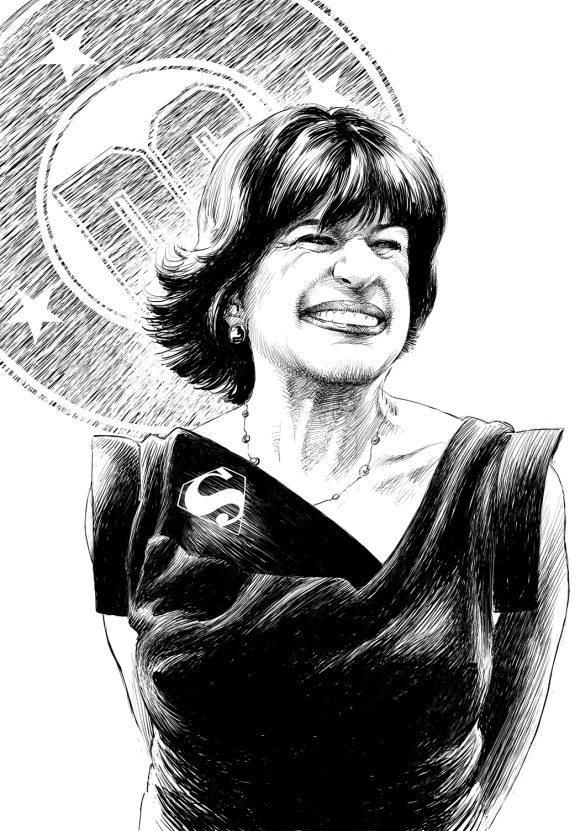
Mike Netzer
By PAUL LEVITZ
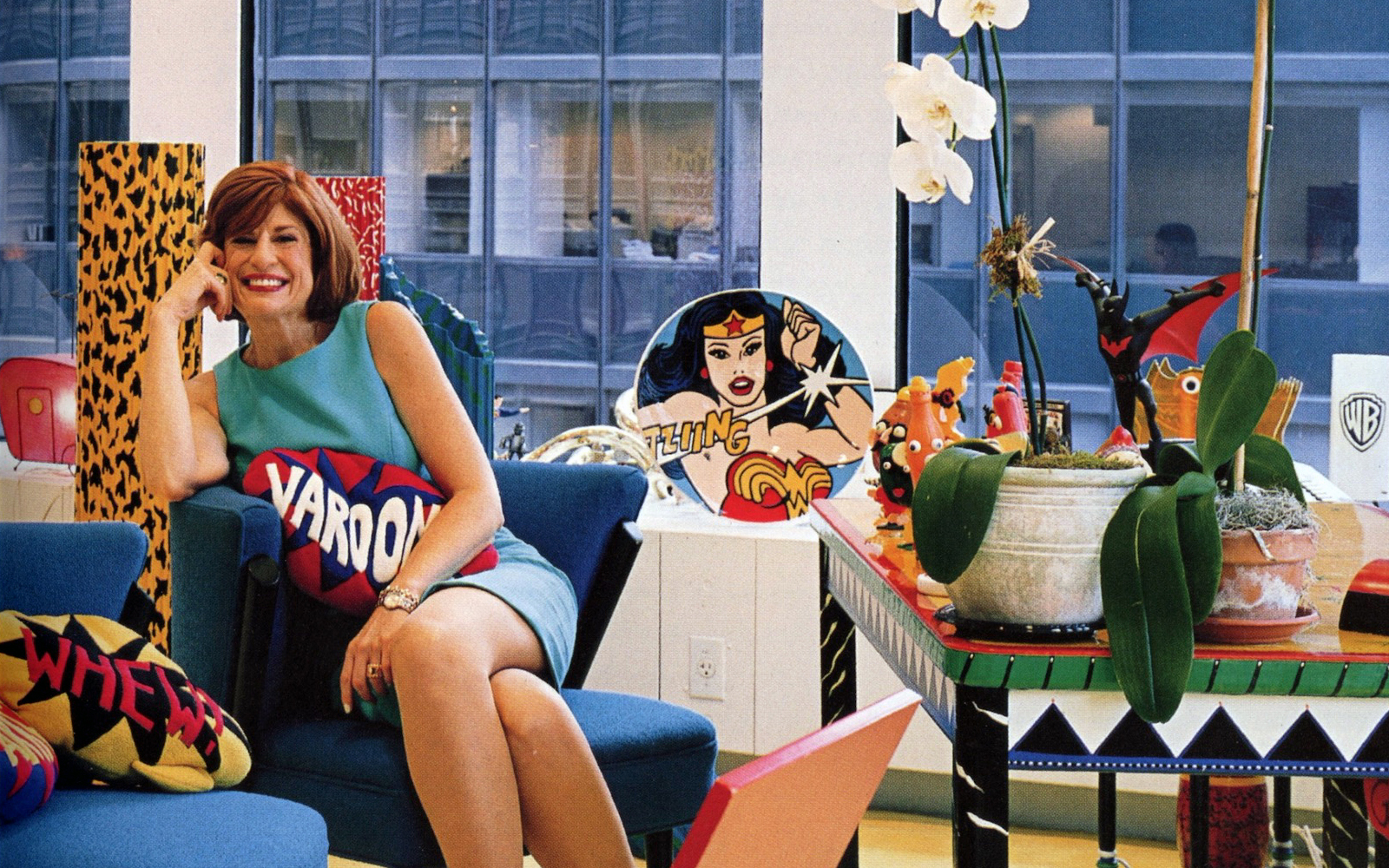
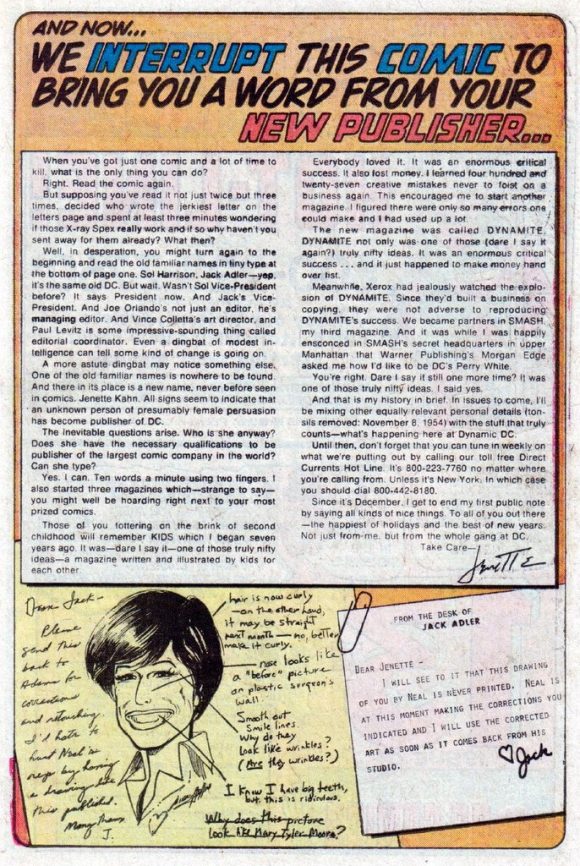
Fifty years ago this month — Feb. 2, 1976, to be precise — an alien landed in the world of comics, and changed it forever for the better. Jenette Kahn joined DC Comics and was like nothing comics had ever seen before — fearless, an advocate of creativity, generous, and future oriented. For 25 years, as publisher and president, she was a primal force for making comics a better place.
Jenette’s core beliefs in decent treatment of creative people, and her courage to expand what comics could be, led to many innovations and experiments. Some successful, some less so, but many also fondly remembered. And like any good leader, many weren’t her solo inspiration, but innovations developed by the team she led.
Here are 13 such innovations:
—
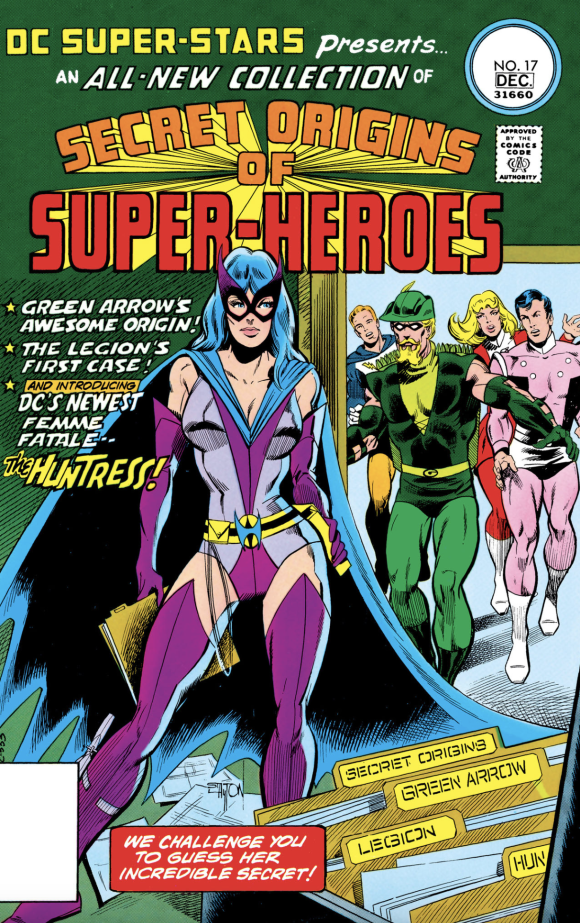
1. Probably the first and most important innovation Jenette created was the idea of giving creative people a stake in elements they added to existing DC-owned properties. In an era when writers and artists were reluctant to add new villains or supporting characters, this began to revitalize comics. OK, the Supermobile wasn’t a lasting triumph, but think of the Huntress, Lucius Fox, Bane, Cyborg, Starfire and Raven — all from those first few years.
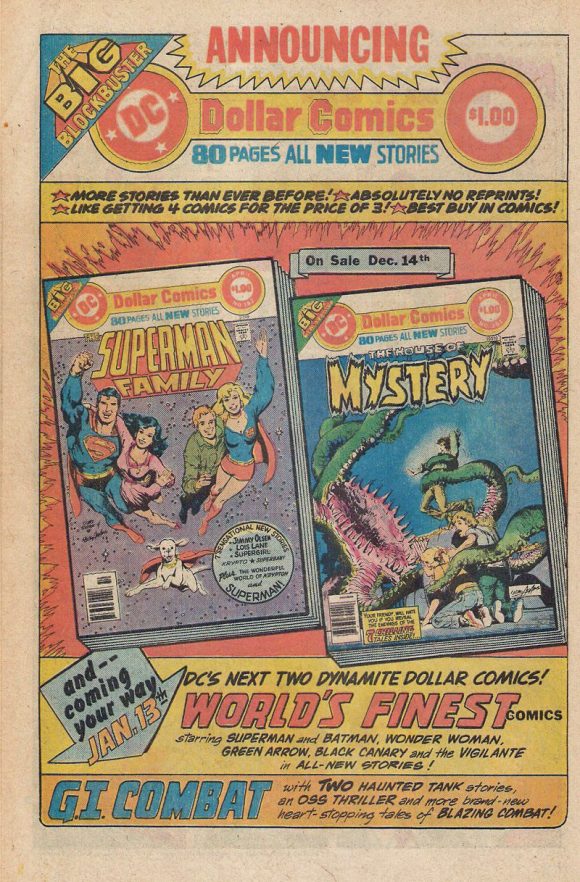
2. Dollar Comics! If newsstands are griping that comics are too cheap to be worth devoting space to, let’s give them big, fat original anthologies again. Besides putting some excitement back in the racks, they were great places to develop new talent.
—
3. Reaching outside comics for advice: What would Lois Lane’s life be like? Let’s get a real star woman reporter in for a meeting. And bring in a fashion designer to make her wardrobe look right!
4. The world knows us as DC, let’s be proud of it! Change our name from the dowdy National Periodical Publications to DC Comics, get legendary designer Milton Glaser to design a modern (and amazingly enduring) DC bullet symbol and the coolest stationery a comics company ever had.
—
5. The copyright law is changing, and we need written agreements with all our talent. Let’s make sure they embody fair principles, like the return of original artwork or payment if we lose it or damage it in production.
6. Oh yeah, and how about we improve those contracts by establishing the first royalty plan from an established comics publisher that applies to all our comics, so if projects succeed, the talent wins along with the company.
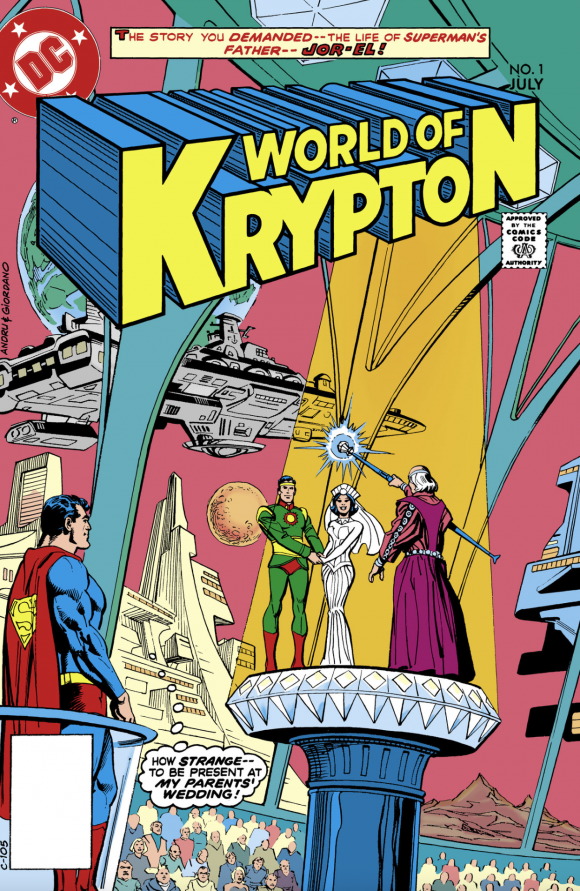
7. Television has pioneered the miniseries — that’s an idea too good not to borrow! Let’s bring that to comics. And while we’re at it, the maxiseries too. Limited series will let us tell stories that have powerful endings.
—
8. Comics are changing, and we need to change with them. Let’s take the whole staff off site to a resort to talk about it, and have fun together. (But be careful who you play Scrabble with — dangerous players abound.)
—
9. Let’s get experimental: To produce some comics completely unlike what we usually do, we’ll set up an imprint with separate staff, offices, different contracts and see what happens when we let a Piranha loose. Not long lived, but lessons learned that eventually fueled Vertigo, Milestone, Paradox, Minx and more.
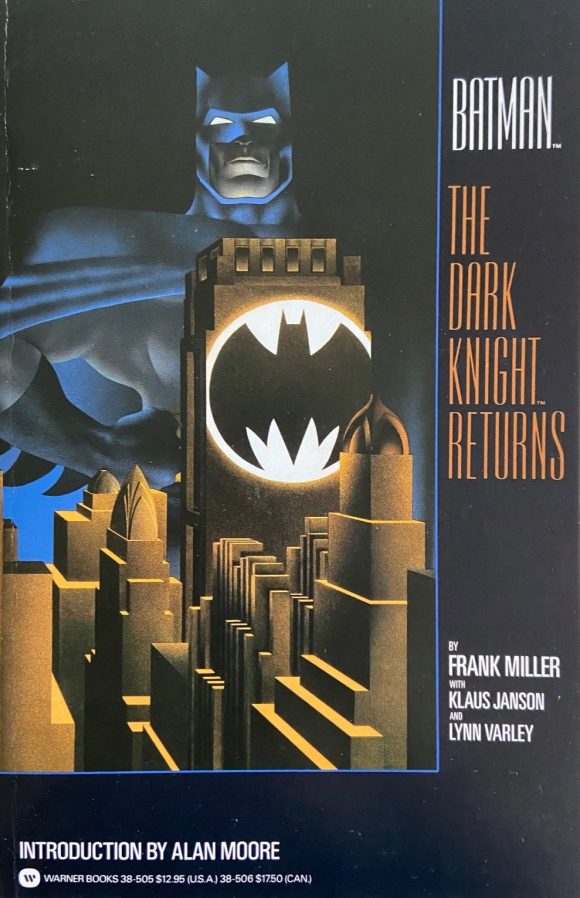
10. What if we published books for different distribution? DC’s first book is offered to credit card holders in their billing statements! And not too long after, a unique co-publishing deal with Warner Books that put The Dark Knight Returns in bookstores. Not the first bookstore distribution of a comic compilation based on telling a story rather than nostalgia (Jack Katz’s First Kingdom from Simon & Schuster wins that), but the first one that worked.
—
11. There’s star talent elsewhere! Off to England, not to outsource cheaper talent, but to find interesting new voices. And if we have to hunt them in pubs and at parties, great!
12. Our staff is great and a family. Let’s get together for Thanksgiving, just before the holiday. Paul and I will provide turkeys, everyone else bring the rest. Pop-Tarts? Well, not everyone is haute cuisine. But we can do talent shows, quizzes…
13. And even Lois and Clark…after years of trying to get a Lois Lane: Reporter show on the air.

—
Seriously, this is just a fragment of the list of things that wouldn’t have happened if Jenette hadn’t had too many ideas for the rest of us to keep up with, or been open to many crazy ideas from our wonderful team.
—
MORE
— A Salute to JENETTE KAHN, by PAUL LEVITZ. Click here.
— BATMAN’s 85-Year Journey Into the Heart of Darkness, by JENETTE KAHN. Click here.
—
Eisner Hall of Famer Paul Levitz is a historian and the former president and publisher of DC Comics.

February 14, 2026
11. Off to BRITAIN (or the UK) … whilst it’s true that much of the “British Invasion” were English, it’s important to remember the contributions of Scottish, Irish and Welsh talent too.
February 14, 2026
Thanks Lex, beat me.
I remember when Jenette introduced herself to readers and the comics felt friendlier, more innovative. It’s a shame the ‘no reprints’ policy came in, but goodness me, overall DC changed for the better. Happy Anniversary Jenette, and thanks Paul for a great piece.
February 14, 2026
#6 Royalties. Marv Wolfman was talking at a Con, he mentioned DC was very good about royalties. They even gave him royalties for a DC themed puzzle where the Teen Titans were featured.
February 14, 2026
I really wish someone would write a comprehensive book about Jenette Kahn’s tenure at DC with particular emphasis on the years between Ronin and The Death of Superman. An extremely important and consequential decade in comics history. For me, she’s probably one of the three to five most influential non-creative people in the history of American comics.
February 14, 2026
I know what you’re saying, but ‘non-creative’ sounds so wrong.
February 14, 2026
Paul, are you reading this? Pretty sure you’re the guy to do it!
February 15, 2026
As a kid, I loved dollar comics and also Dynamite magazine, which she launched when she was at Scholastic. Lois Lane really “grew up” during the 70s, and I didn’t realize she had a lot to do with that.
February 15, 2026
14. Better scheduling. All regular titles went to monthly (12 per year, not the “monthly except…x, y, z” meaning just 6, 8, or 10 times per year).
15. DC’s first Annuals with ‘all new’ stories. I saw annuals as special. And I bought them even if I didn’t read the regular series. A way of ‘checking in’ on and around the DCU.
16. Archive editions. Reprints weren’t a new idea, but this was the start of the best reprint approach ever done–collected editions of extended runs, complete and unabridged. (Marvel did a lot of standard size issue reprints but many were cut down to fit lower page counts.) Today, collected ‘long runs” are the norm. The Archives have been replaced by Omnibuses and we have the newly launched DC Finest to compete with the Marvel Epic Collections. Fans today have access to more comics history than anyone could have hoped for before Khan took over.
February 16, 2026
17. Moving Dick Giordano up to Editor in Chief, and trusting his instincts to develop new series, creating a period of creativity and variety never seen before or since.
February 17, 2026
(in Capt. Kirk voice:) KHAAAAANNNNN!
February 19, 2026
I never got to meet her to my regret, but I met Paul Levitz at SDCC 2001 and he’s also kind, humble and cool and kept that torch running.