
A project that has not received the credit it’s due — and a few comments about working with Neal Adams…
By PETER STONE
Working with and for Neal Adams for over 30 years had a definite impact on how I viewed comic books. Neal, being one of the best and most influential artists in the history of the medium, had very intense beliefs about what made a good comic.
Based on the structure of Continuity, Neal and I ended up working in the same room, where I was smart enough to keep my mouth shut and my eyes open. Neal taught me to appreciate well-drawn adventure comic strips, the stories behind some of them, and the history of how and why they came to a grim ending.
He taught me about Alex Raymond, Stan Drake, Alex Kotsky, Milton Caniff, Will Eisner and his studio, Wally Wood and HIS studio, Carl Barks and his world of ducks, Al Williamson, and Jack Kirby.
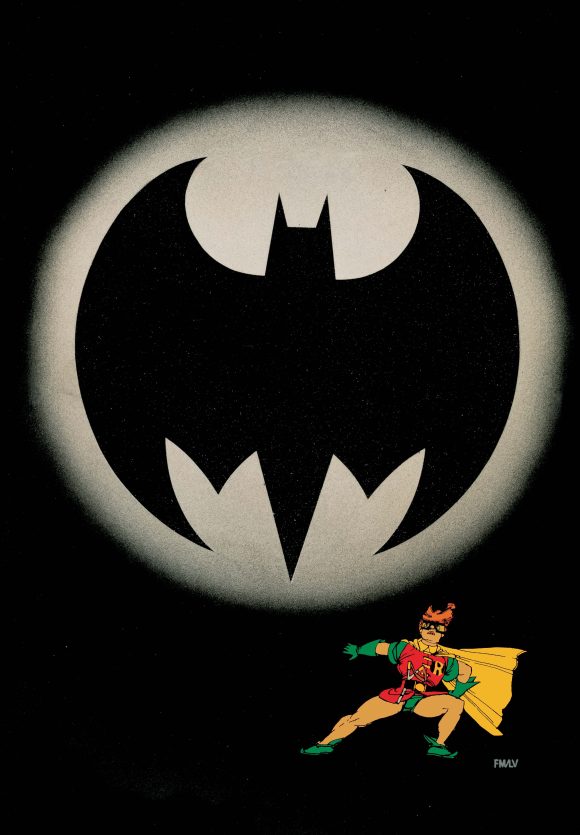
Neal taught me that comics were a visual medium. The art was more important than anything else. The writing was the “icing on the cake” he said. I, however, grew up in the 1980s with the stories of Alan Moore, Frank Miller, John Byrne, Chris Claremont, and Marv Wolfman. Miracleman, V for Vendetta, Watchmen, Daredevil, The Dark Knight Returns, The X-Men, and The New Teen Titans were my superhero fare. The writers were getting better and better. In some cases, the artwork became secondary to the concepts and dialogue being generated by these intelligent young men.
There were the artists Neal loved in the ’60s and ’70s, and the ’80s was my time period. Finally, we could talk about the new artists coming up. One of them was Bryan Hitch, a British artist who we noticed drawing Death’s Head from Marvel UK in the late ’80s.
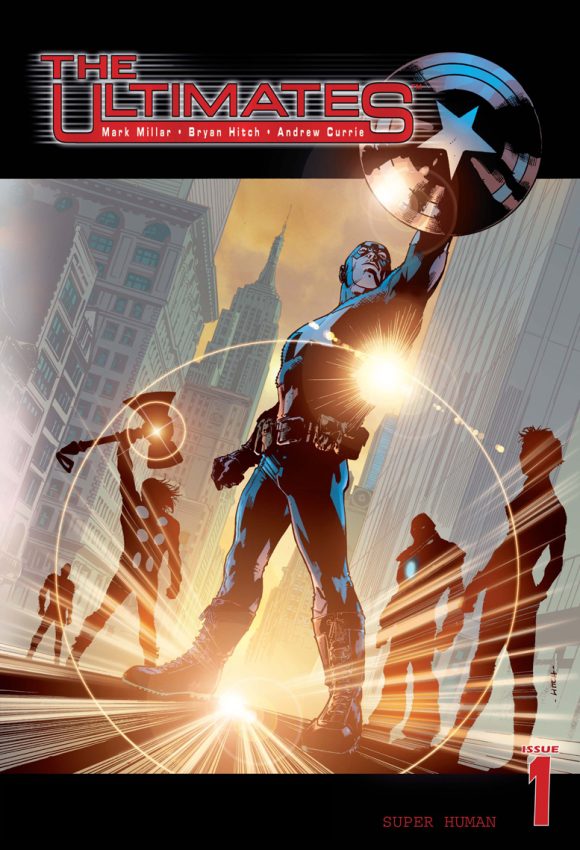
Hitch, artistically speaking, moved to the U.S., and drew all sorts of series for Marvel, DC, CrossGen, and even Valiant. Then, despite his tardiness, he became a superstar when he worked with Mark Millar on Marvel’s The Ultimates. Concepts introduced in this alternate version of the Avengers appeared all over the screen in the Marvel Cinematic Universe. Bryan Hitch, for example, was the artist who drew Samuel L. Jackson as Nick Fury.
Hitch and his most common inker, Paul Neary, had altered the common view of the Avengers. A darker, more intense series of characters who were not afraid to kill. How to get Bruce Banner to turn into the Hulk? Throw him out of a helicopter. That kind of thing.
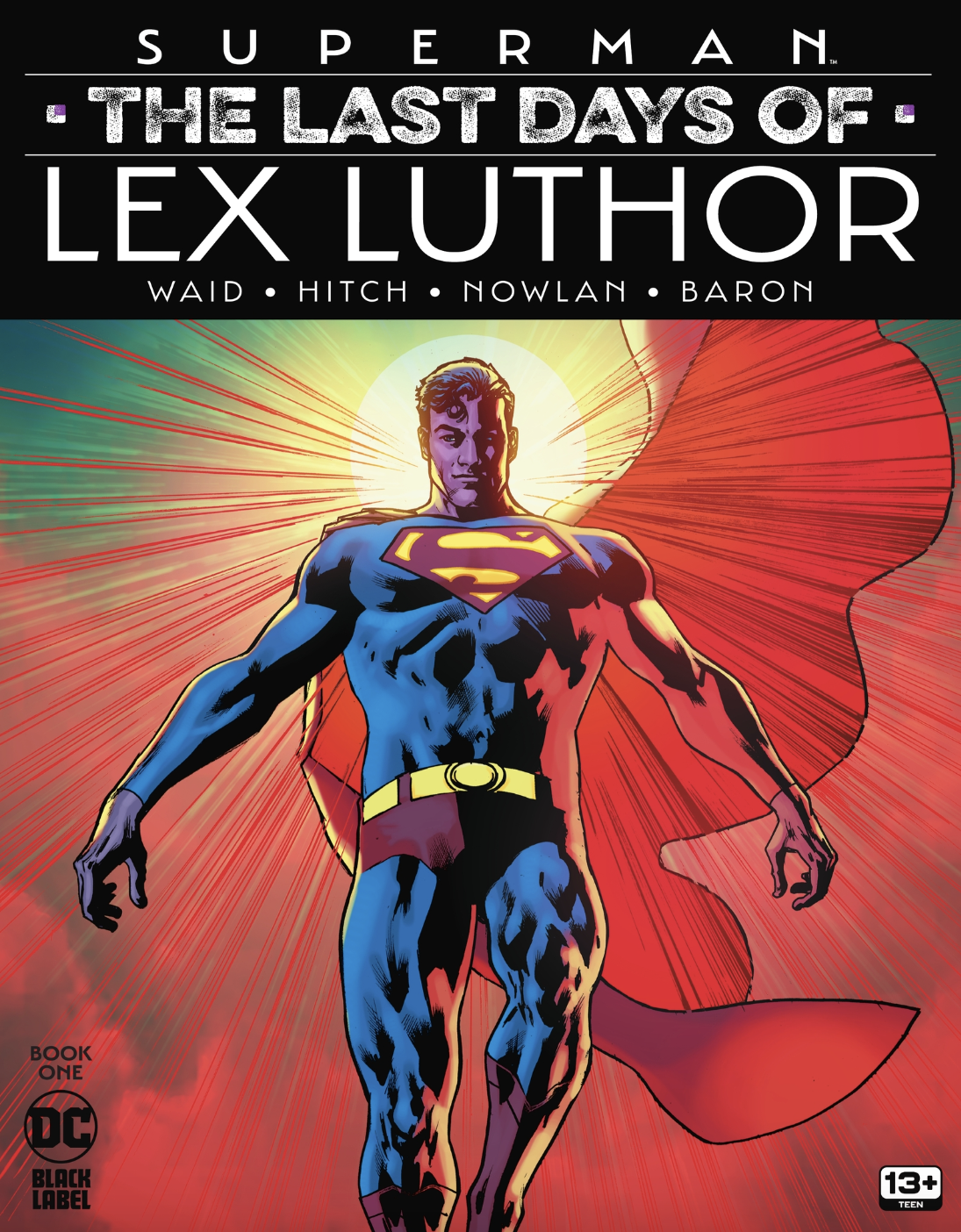
Then, a few years ago, came a mature-readers DC Black Label project named Superman: The Last Days of Lex Luthor. Perhaps not a BURIED TREASURE in the truest sense, it was an exceptional three-issue series that didn’t (in my opinion) get the credit it deserves.
Before we move on to the very well-thought-out Mark Waid story, I’d like to finish with the second part of the artistic duo that made this series so terrific: inker Kevin Nowlan.
Nowlan makes anything he works on better, and is considered one of the best — if not the best — inkers working today. Neal asked Kevin to ink Armor covers that he pencilled, a Ms. Mystic cover he pencilled, then a series of covers that Kevin pencilled and inked. Finally, Kevin inked the penultimate issue of Batman: Odyssey.
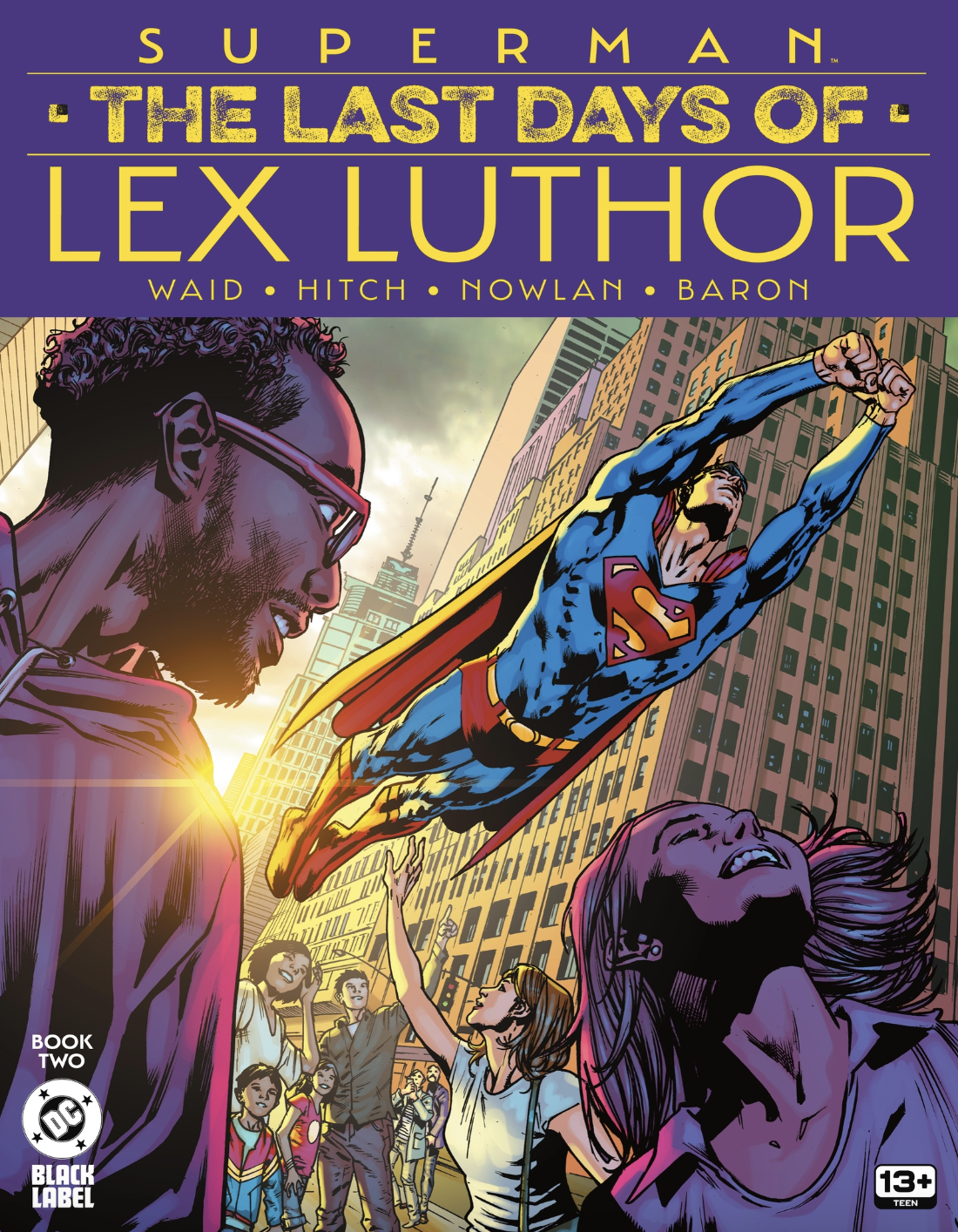
Now, combine one of the best working pencillers with one of the best working inkers and you get the three-issue, oversize Superman: The Last Days of Lex Luthor.
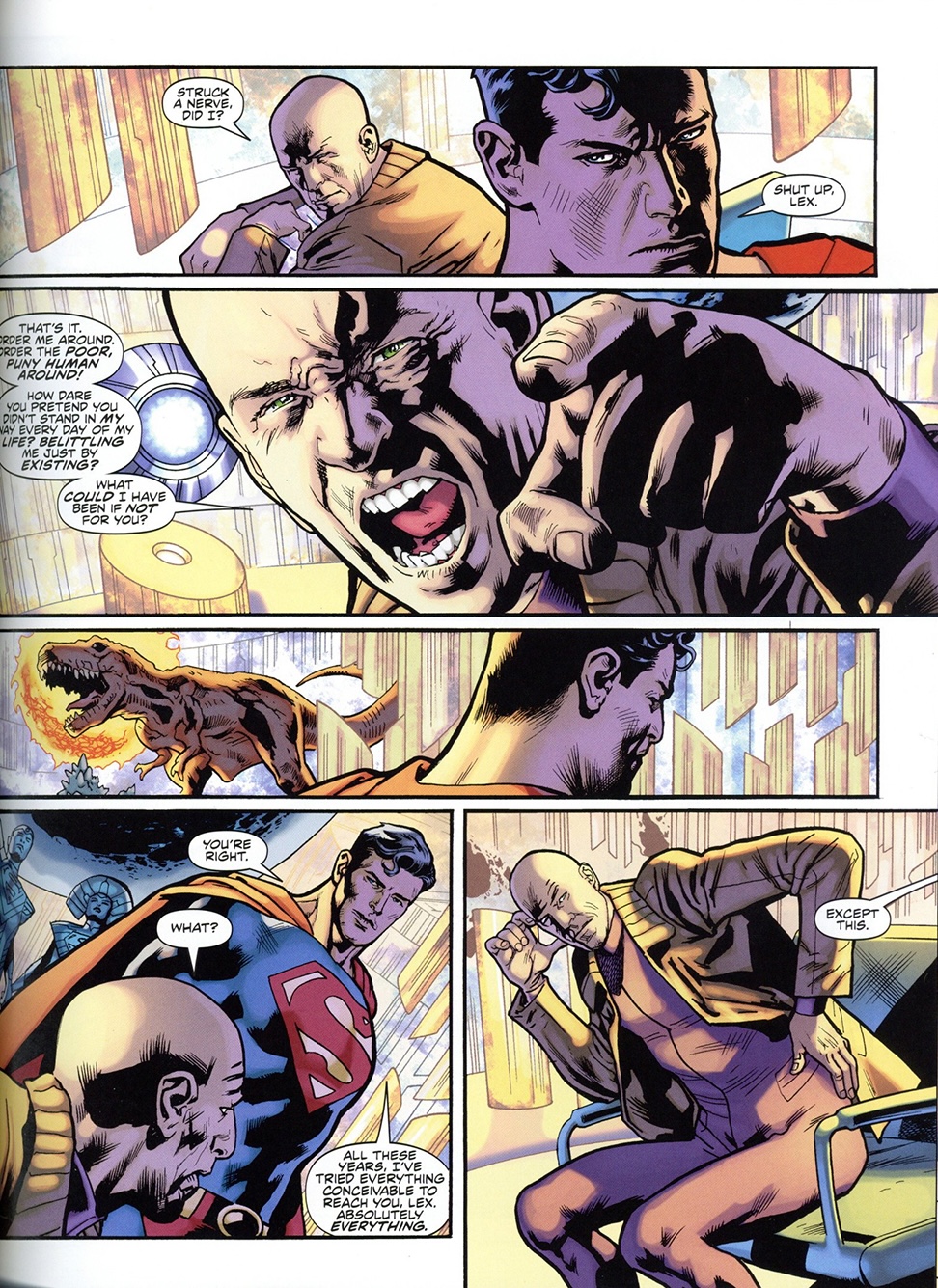
One of the most interesting aspects of this series is what Mark Waid brings to the party. It is a combination of previously seen concepts that Waid twists a bit to give us a new vision of the Superman/Lex Luthor dynamic. Flashbacks contain the relationship of a young Clark Kent and a young, arrogant, narcissistic Lex. Clark is drawn to Lex’s brilliance, even if Luthor’s experiments turn out to be dangerous and destructive — mostly to Clark Kent himself.
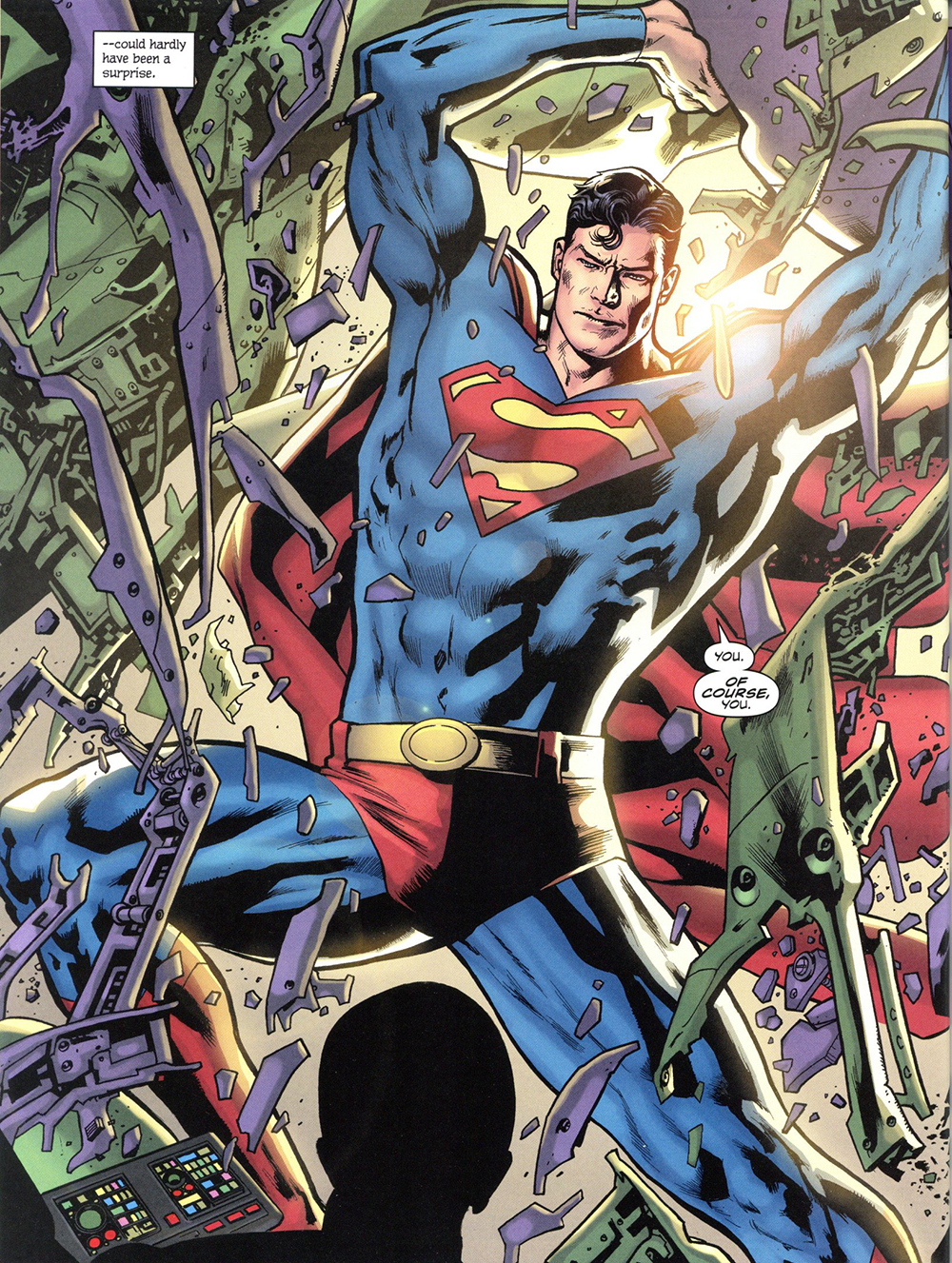
Waid also throws in the classic elements of the Superman mythos: the Phantom Zone, General Zod, the Fortress of Solitude, Kandor, Atlantis, and even the Legion of Super-Heroes. All of these encounters are based on Superman pursuing his desperate attempt to save Lex, who is dying of a mysterious disease. Hitch and Nowlan add a fresh, visual flair to these time-old concepts.
Beyond that, Waid explores the character of Superman. What is he willing to do to save another person — even if that person is his greatest enemy? What lengths will Luthor go to in order to save his own life? Is there a hint of humanity within his evil heart?
Again, having worked with Neal Adams for decades, I am immediately attracted to exceptional art, and this series contains two of the best professionals working today. But reading it is also a joy. The Last Days of Lex Luthor is both a terrific story and a striking visual experience.
—
MORE
— BURIED TREASURE: Kieron Gillen and Dan Mora’s Arthurian ONCE & FUTURE. Click here.
— BURIED TREASURE: Adam Hughes’ GEN 13: ORDINARY HEROES. Click here.
—
Peter Stone is a writer and son-in-law of the late Neal Adams. Be sure to check out the family’s online Facebook auctions, as well as the NealAdamsStore.com.

January 25, 2026
The crime here is that the book was produced in an oversized and over priced format that resulted in poor sales…it deserves to be produced in a normal sized trade paperback to make it more generally reader feiendly. DC needs to stop these crazy weird size books. There were sadly more than a few books under the DC “Black Label” that I don’t pick up because of the annoying format….
January 25, 2026
I have no memory of this book. Not surprising as I would have avoided anything with the Black Label tag. (Totally my opinion here but…) I had no interest in stories with “shock” value. That taste of aversion would have applied to “The Ultimates” too. My sweet spot for a writing style of comics ended just before Crisis. Maybe I should seek this out. I always enjoy discovering something new based on someone else’s opinion and feelings about the material. Thanks for sharing, Peter. Always enjoy your musings.
January 25, 2026
Looks like Amazon has it in hardcover at ~8.5×11 inches for $25. I’m starting to get curious here – just may have to pick it up.
January 26, 2026
There’s nothing in the way of ‘shock value’, these days the Black Label bit is more a format than an ethos. The story is a cracking Silver/Bronze Age-style throwback.
The headscratcher for me is that it’s three issues of a book called The Last Days of Lex Luthor and the villain doesn’t appear on a single cover..
January 25, 2026
This is simply the best Superman story put out in years and one of the greatest stories featuring the character ever!
I think it would have gotten more attention if there wasn’t an almost 2-year delay between the first two issues. For me, nothing kills interest in a series more than a long delay.
January 25, 2026
I’d never heard of it until I saw at my local public library. It’s an excellent book.