
REEL RETRO CINEMA: New looks at old flicks and their comics connections…

By ROB KELLY
Who is Pepe?
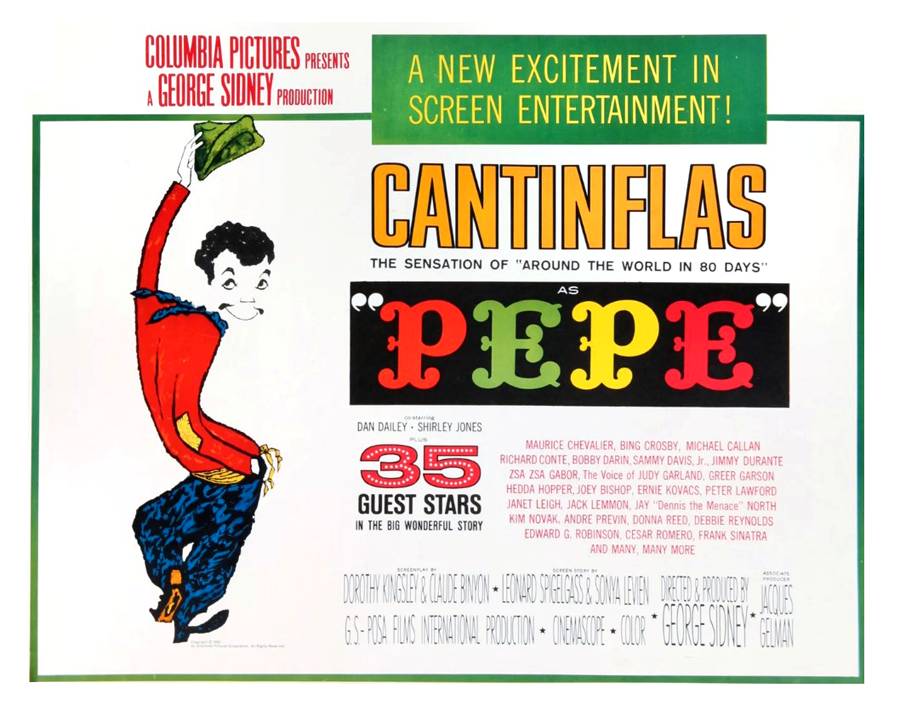
That was the question Columbia Pictures was hoping everyone would be asking on December 20, 1960, when it released the nearly three-hour comedy epic Pepe onto movie screens.
Pepe stars Cantinflas, known as the biggest Mexican comedian of all time, already a legendary figure throughout Latin America and Spain. No less than Charlie Chaplin called him, “The best comedian alive.” But Cantinflas wasn’t just a comedian — thanks to his involvement in the Mexican labor politics of the day, he became an important cultural figure, transcending the mere world of entertainment.
As is often the case, eventually Hollywood came calling, and Cantinflas made his American film debut in 1956’s Around the World in 80 Days. Based on the Jules Verne novel, Days was a blockbuster. Running almost three hours and costing $6 million to make (a fortune for 1956), it was the rare critical and commercial hit—not only did it make half a billion dollars (in today’s money) at the box office, but it went on to win five Oscars, including Best Picture.
While Cantinflas was second-billed to co-star David Niven in English-speaking markets, he was given top billing elsewhere, underscoring his mass appeal in other parts of the world. Naturally, Hollywood sought to capitalize on that, thinking they had the next big comedy star on their hands.
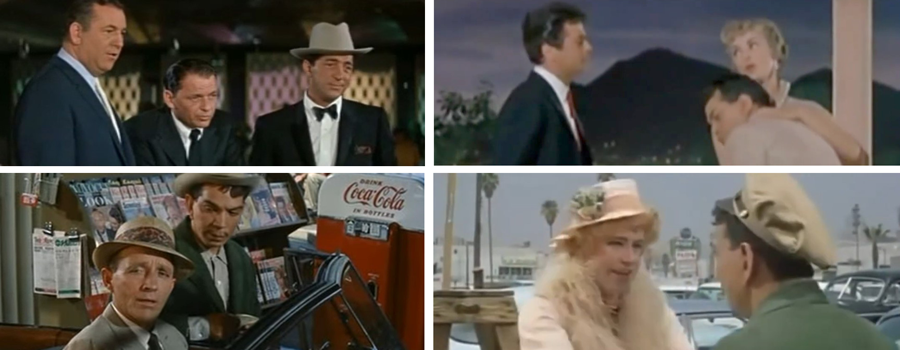
Columbia Pictures hired director George Sidney (1948’s The Three Musketeers, 1957’s Pal Joey) to helm what was originally titled Magic and got three dozen major stars of the time to appear—seriously, for many actors’ resumes, Pepe is the equivalent of Times Square as a hub of activity. In addition to Shirley Jones and Edward G. Robinson, who are in the film for extended scenes playing genuine characters, Pepe has cameos from Bing Crosby, Tony Curtis, Janet Leigh, Dean Martin, Frank Sinatra, Sammy Davis Jr., Joey Bishop, Peter Lawford, Jimmy Durante, Greer Garson, Kim Novak, Donna Reed, Debbie Reynolds, Jay North (playing his TV character, Dennis the Menace), Zsa Zsa Gabor, Richard Conte, Maurice Chevalier, Ernie Kovacs, Cesar Romero, the voice of Judy Garland, and Jack Lemmon in drag, wearing his costume from Some Like It Hot, the only time it was seen in color.
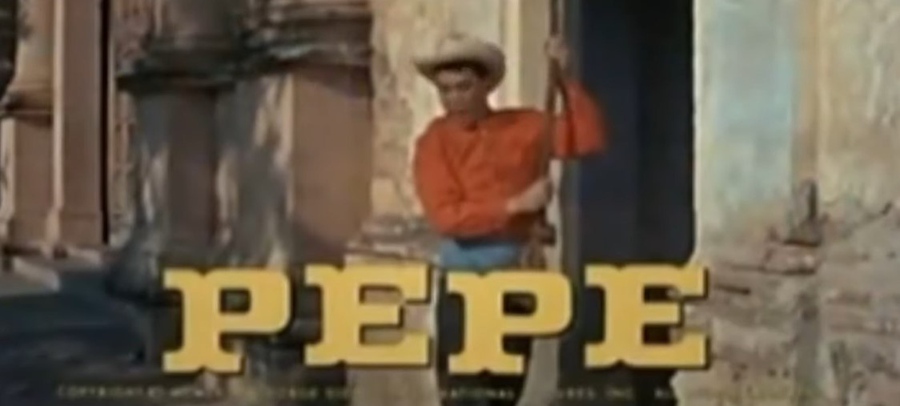
The plot of Pepe is daringly simple—he works at a ranch that has a horse that Pepe is very attached to. One day a boozing Hollywood director (played by Dan Dailey) buys the stallion to use in movies. When Pepe learns this, he decides to journey to Hollywood to get the horse back. While on the way, he has many adventures and run-ins with big time Hollywood stars.
If this movie sounds like it should be called “Pepe’s Big Adventure,” you’re not the only one. I was not able to find any verification that Pepe was an inspiration for the 1985 Pee-Wee Herman classic, but knowing what a student of Hollywood kitsch Paul Reubens was, I think it’s safe bet that, at the very least, the persona of Cantinflas was in the mix for that project.
In an age where every movie made nowadays has to be run through multiple algorithms to ensure it appeals to as many “quadrants” as possible, I am fascinated when movie studios take a giant swing like this. It makes total sense to build upon the success of Around the World in 80 Days and make Cantinflas the lead of his own comedy-adventure film. But for whatever reason they decided to try and make an epic—the original cut of Pepe runs three hours and 15 minutes, features a fantasy musical number and even an animated sequence.
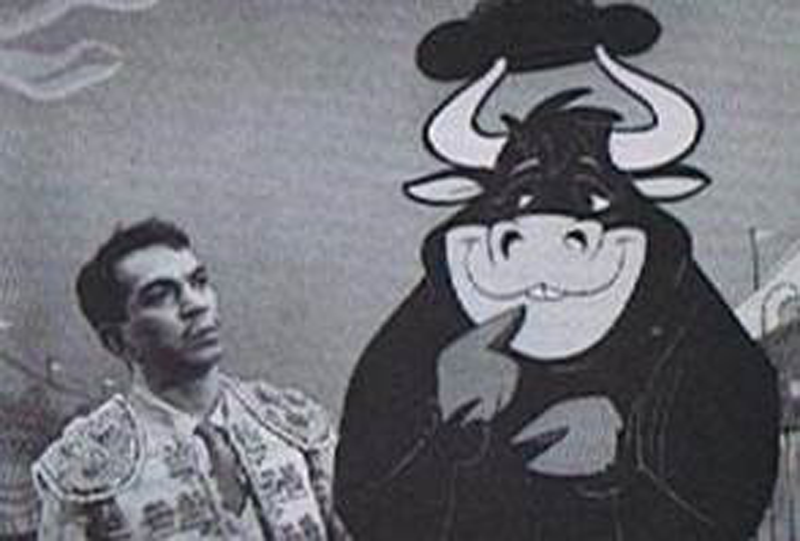
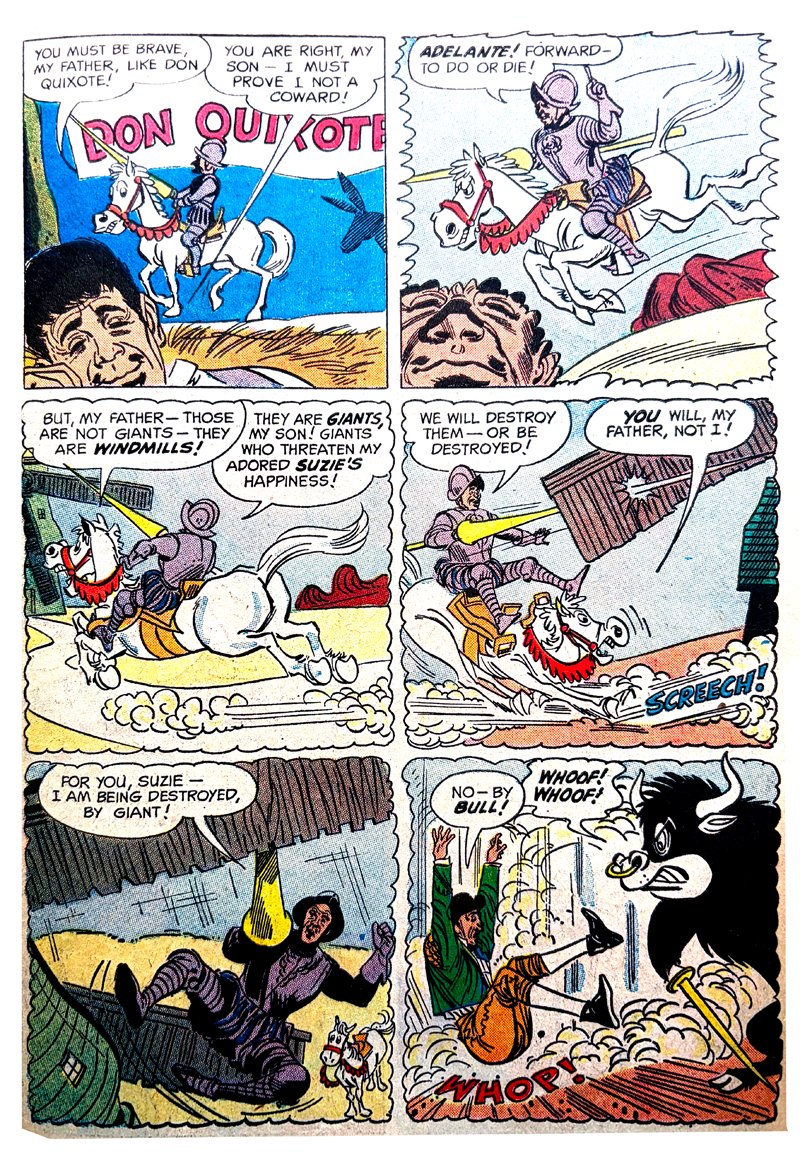
When Pepe was given a roadshow release in 1960 in New York, Los Angeles, and Miami, it received scathing reviews. The film was then cut from 195 minutes to 157 minutes, and that’s the version that seems to have survived. One of the scenes unfortunately lost (seemingly forever) is the animated sequence, courtesy of Hanna-Barbera, where Pepe imagines himself as Don Quixote. The trims didn’t help—Pepe was a giant flop, ending Cantinflas’ Hollywood career and losing Columbia a ton of money in the process. Luckily, Cantinflas’ career in Latin America resumed. He continued to appear in films, remaining popular until his death in 1993. Supposedly (and understandably), he would become angry if anyone ever brought Pepe up to him.
While its Wikipedia page says Pepe got a VHS release, we never had it at the video store I worked at in the ’90s, and we carried everything. I can also find no image of it anywhere on the web, so I am skeptical it ever made it to home video. It has certainly never been released on DVD, Blu-ray, or streaming, making it (in modern parlance) one of those Movies That Don’t Exist.
Which is a shame—but thanks to some enterprising lunatic, Pepe can be found, in its 157-minute form, on YouTube. The picture and sound quality are pretty poor, but it’s there, and you can check it out for yourself, if you have the cinematic fortitude. I sat through all three hours, and I can say that, yeah, Pepe is not a great movie, or even a very good one. It’s not very funny, there are way too many scenes of Dailey as movie director Ted Holt insulting the sweet, kind Pepe, and the many, many ethnic jokes do not hold up well. Pepe wanting to get his horse back, as a plot, just cannot support a film of this length.
But that’s the funny thing—I think if Pepe had been a traditional, 90-or-so-minute family comedy, it might be even more forgettable. But at three hours, with so many celebrity cameos that actually start bumping into one another, the sheer chutzpah of this thing makes it admirable in a bizarre way. Columbia really put all their chips on the table and (unlike in a scene in the movie, where Pepe wins big in Vegas), they lost.
Even at such a punishing (I prefer the word “challenging”) length, I find Pepe hard to really dislike. Like its star, the film is gentle and good-natured, and it just wants to entertain you. By getting so many big stars to appear, Columbia is opening its arms and welcoming Cantinflas into the big leagues and asking audiences to do the same. Putting these kinds of creative and financial resources into a movje starring a person of color was pretty unheard of in 1960; it’s a shame they didn’t craft something more memorable.
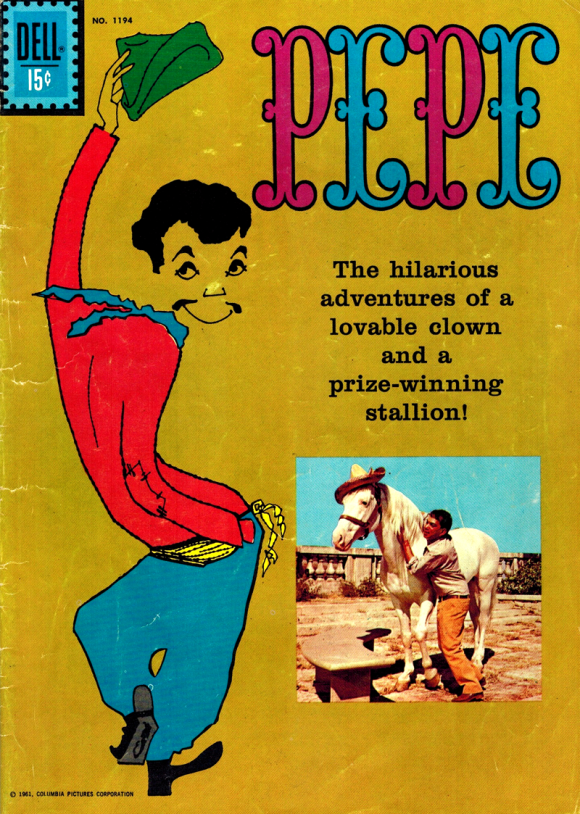
The marketing push for Pepe was such that Dell Comics got into the act, publishing a comic book adaptation of the movie as part of their Four Color series, Issue #1194. Drawn by the incomparable Mike Sekowksy (who somehow had time to do this in between cranking out Justice League of America every month), the story is, of course, incredibly abbreviated.
Some of the celebrity cameos (Bing Crosby, Dean Martin) are here, but I guess Dell couldn’t get likeness approvals so none of them are named or drawn to look like who they are supposed to be. More interestingly, the lost animated sequence is here, so we can get an idea of how that scene played out. For a movie of this length, even in its edited form, it is completely baffling that the producers would cut this sequence and leave in so many talky scenes that aren’t funny and go nowhere.
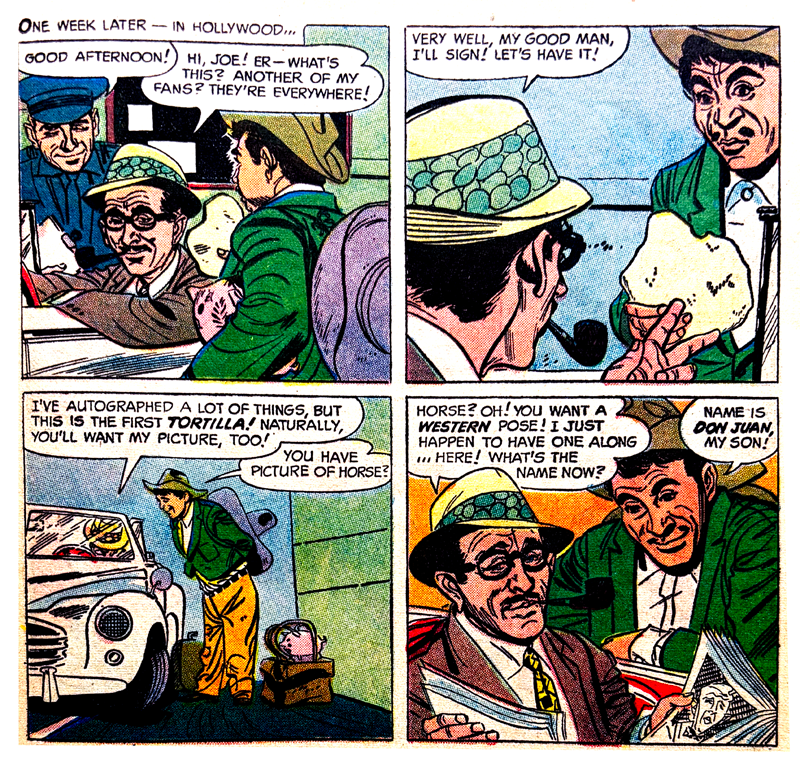
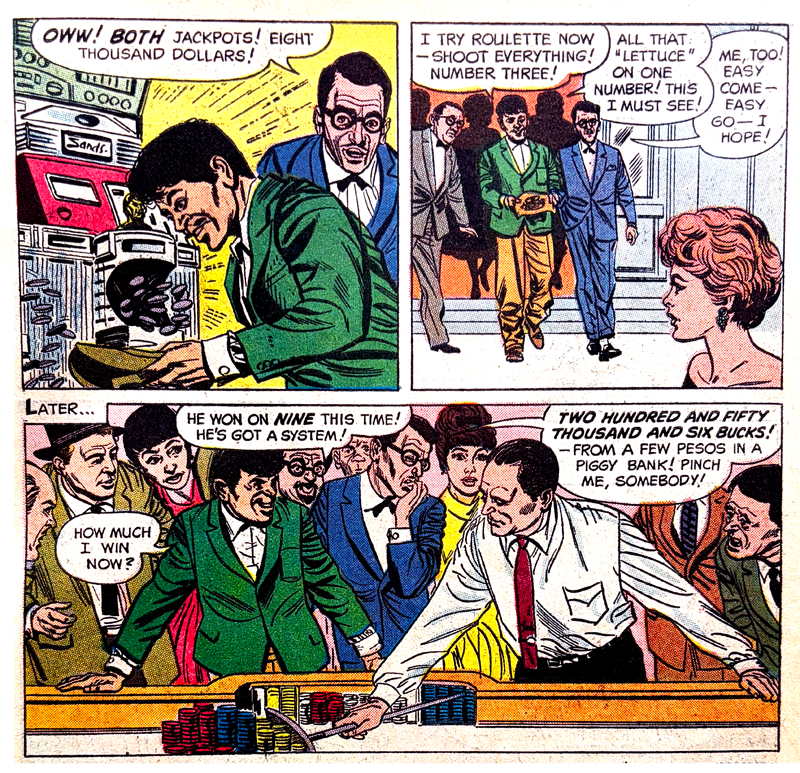
On the other hand, the fantasy sequence (with a drunken Holt imagining a miniaturized Pepe and Debbie Reynolds coming out of a liquor bottle and performing a dance number) is not in the comic book. You would think that Dell would have tried to include every fanciful element they could, just to make Pepe the comic book a little livelier, the kind of thing a kid might have dropped 15 cents on.
Pepe is one of the those weird little dead ends movie studios find themselves in sometimes, the kind of creative boondoggle that made it easier for big corporations to eventually take over and turn making movies into just dollars and cents. Everyone walked away unhappy, and Pepe was promptly forgotten. But it remains on the filmography of some of Hollywood’s greatest stars, and doesn’t deserve the cinematic Phantom Zone its been banished to.
—
MORE
— REEL RETRO CINEMA: UNCANNY: 1963’s Startling and Groovy ‘X: THE MAN WITH THE X-RAY EYES’. Click here.
— REEL RETRO CINEMA: A Colossus of Adventure: 1963’s JASON AND THE ARGONAUTS. Click here.
—
ROB KELLY is a podcaster, writer, illustrator, and film commentator. You can find his work at robkellycreative.com.

December 20, 2025
>> and costing $6 million to make (a fortune for 1956), it was the rare critical and commercial hit—not only did it make half a billion dollars (in today’s money)
>>
Rob, is the $6 million in ‘56 dollars or 2025? Trying to figure out its return. Fun read!
December 20, 2025
An interesting read.
Ideally, a comedy should clock in at under two hours (looking at you, Stripes), so there was some misguided studio optimism about releasing this attempt at a farcical marathon. Saw this as a young kid, and forgettable or not, the title score is still stuck in my head like some chronic mostly dormant earworm.
December 20, 2025
I tend to agree, but “It’s a Mad, Mad, Mad World” debuted just a few years later at nearly 3 hours and also with an all-star cast.
December 21, 2025
Hindsight will always be 20/20. I think studios were trying things out to see what worked. The saying “less is more” had to come out of something. And there will always be the exception to the rule.