
A BIRTHDAY SALUTE to artist Steve Rude…
By JASON CZERNICH
The 1990 World’s Finest miniseries by Dave Gibbons and Steve Rude — the latter of whom is celebrating his 69th birthday — caught me by total surprise when I saw it on the shelves of Same Bat Channel Comics (formerly Moondance Comics) at the Hampshire Mall in Hadley, Massachusetts, in June of that year.
What a treat it was to see! I had no idea it was coming out—especially as Batman had just guested in the Superman titles weeks before in the now-classic “Dark Knight Over Metropolis” arc.
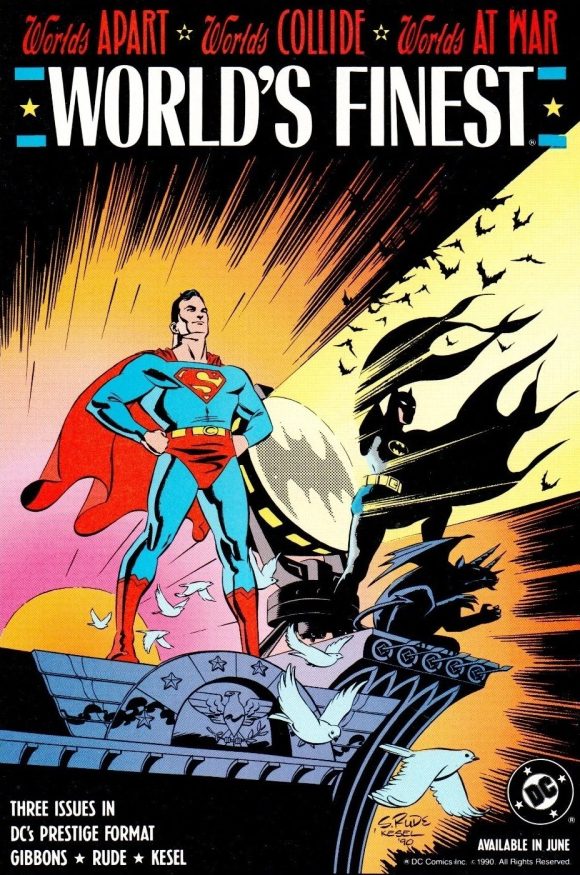
I was blown away by both the story and the art and eagerly awaited each issue. To this day, I am flabbergasted that DC Comics has never given this series the oversize Absolute Edition treatment — because here are 13 REASONS this three-issue mini is the ultimate Batman/Superman team-up:
—
Dave Gibbons’ Writing. Gibbons is not just the incredible artist of Watchmen—he’s also a great writer. His plotting and dialogue are easily on par with many of the great superhero writers of his generation. He’s adept at crafting in-character interpretations of Batman, Superman, Joker, and Luthor, along with their supporting cast members, while coming up with an engaging plot. He even weaves in the theme of orphans to show both pathos and resilience when the story calls for it.
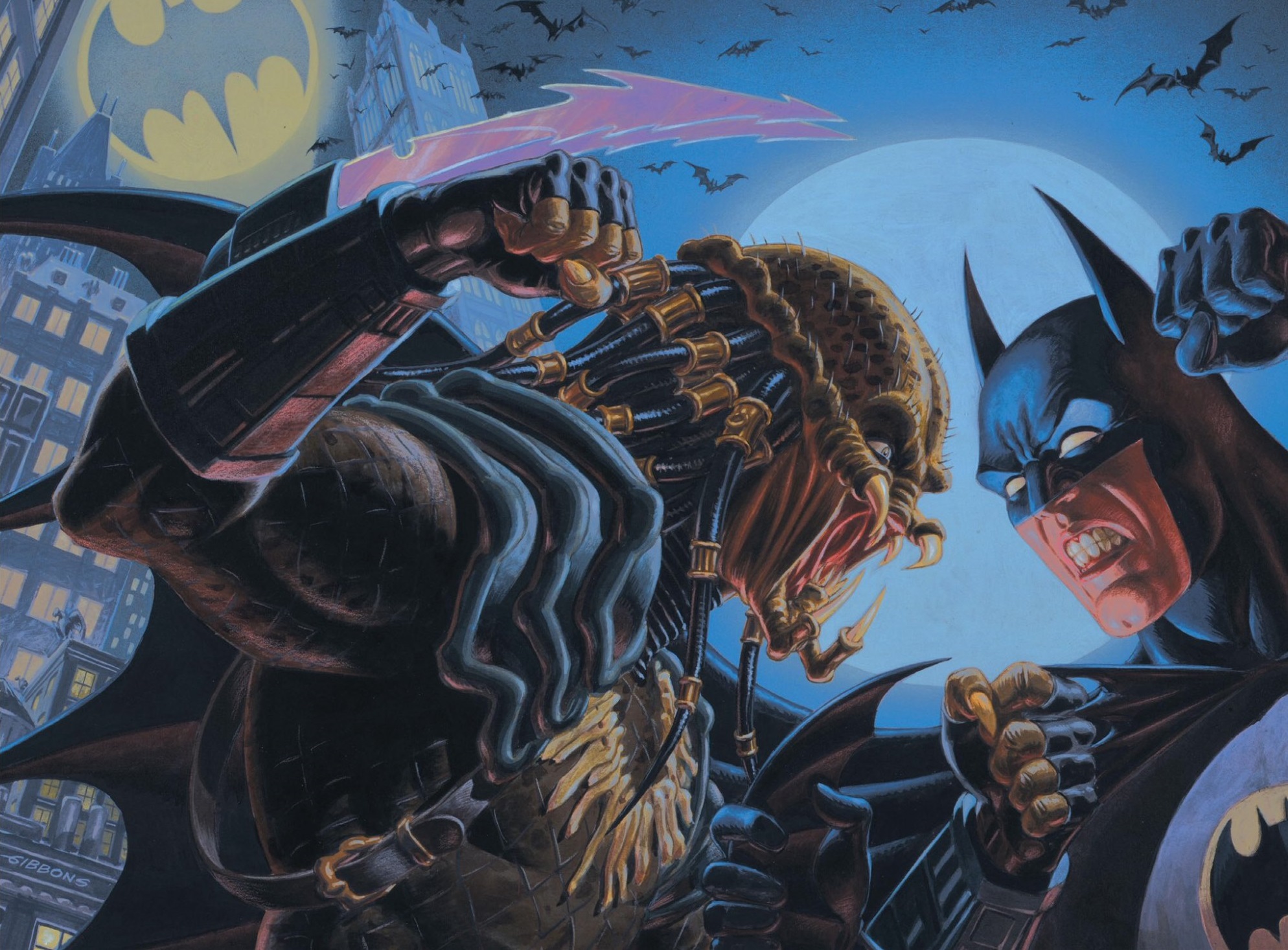
Need further proof of Gibbons’ scripting talents? Check out the first Batman vs. Predator miniseries from 1991, or his 2004 Vertigo graphic novel, The Originals.
—
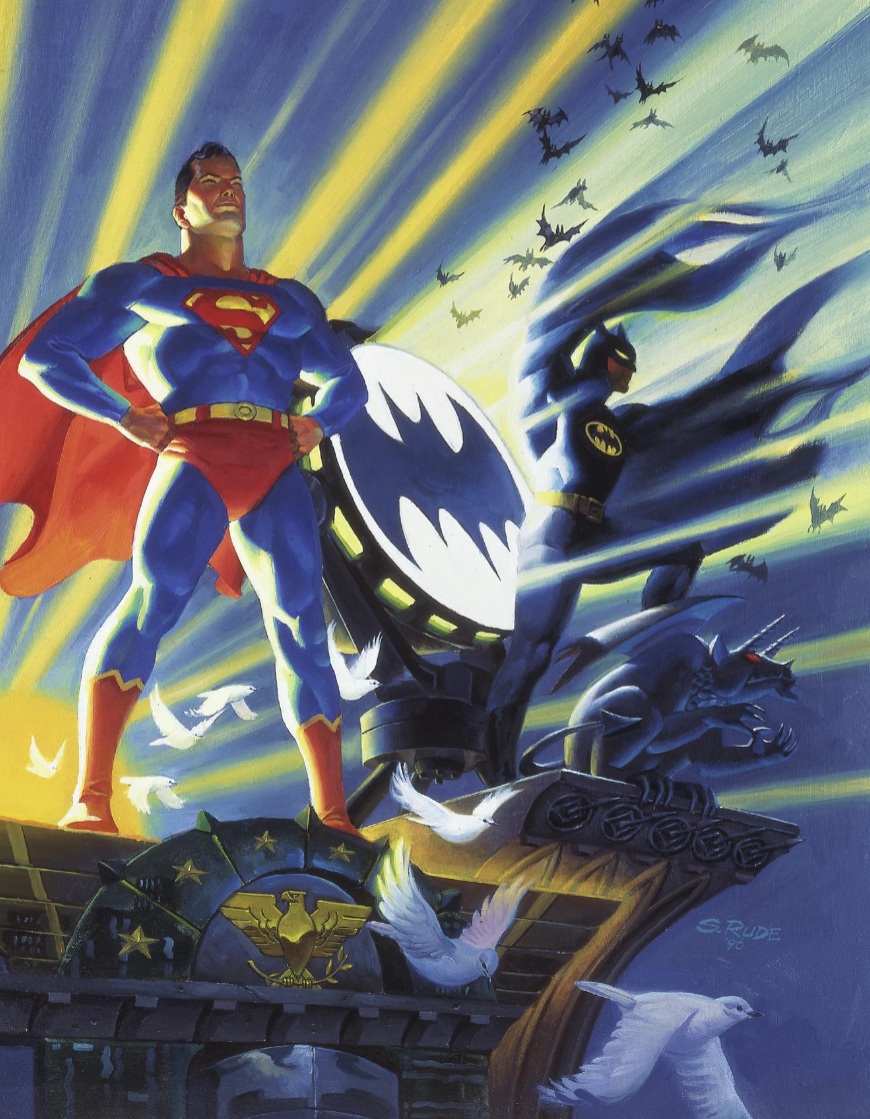
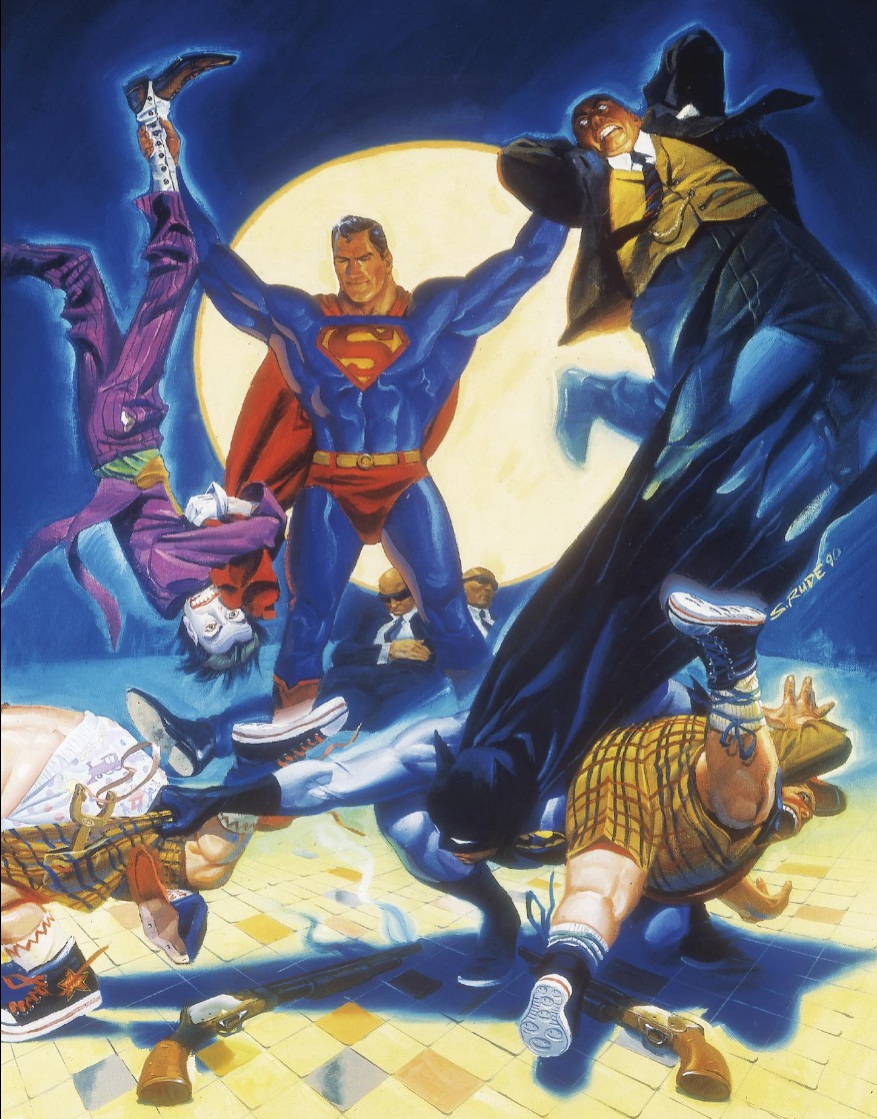
Steve Rude’s Art. Aside from a pin-up in Batman #400, this was my first exposure to Rude’s art. Wow! Rude — born Dec. 31, 1956 — could handle both the Man of Steel and the Dark Knight perfectly while visually depicting them as opposites in the very same image. He knew how to stage crowded scenes in which everyone portrayed had a distinct look, feel, and action. He even provided gorgeous, painted front and back covers for each issue.
—
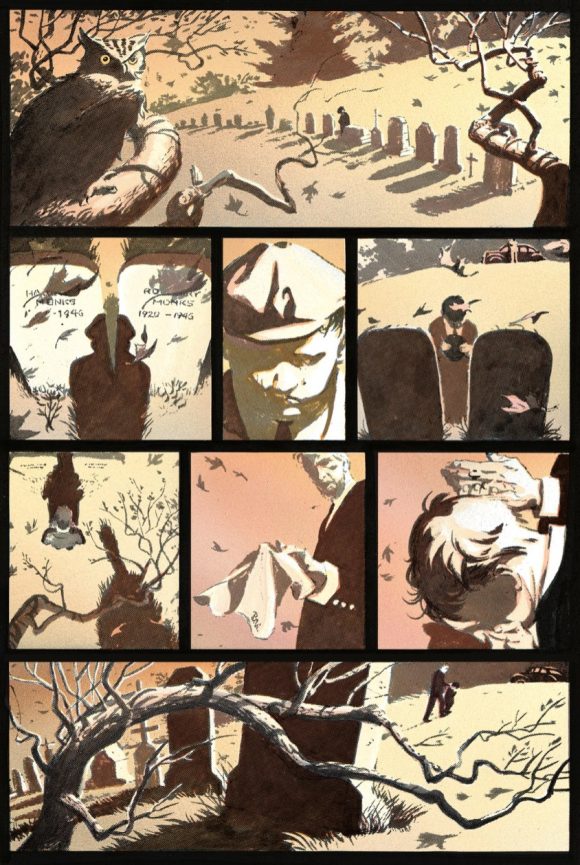
Steve Oliff’s Coloring. Computer coloring was still a new thing in 1990. What Oliff was doing in these pages—and in other DC titles such as Legends of the Dark Knight’s “Prey” story arc—was very impressive at the time. The flashback scenes from the first issue especially stood out thanks to Oliff’s visual effects.
—
It Perfectly Balances and Contrasts Both Heroes’ Worlds. Superman and Batman’s worlds are expertly blended in this story—from the heroes teaming up, to the villains teaming up, to both sets of supporting casts joining forces. It also has fun contrasting Batman and Superman, their respective foes, and their cities.

Batman is dark and brooding while Superman is outgoing and friendly. Luthor is scowling and pragmatic while the Joker is smiling and insane. Gotham is run-down and dirty while Metropolis is properly maintained and gleaming. The storytellers even have fun with this at the end, having the protagonists each approach their adversaries while appropriating the other hero’s style of confrontation. It also shows how the heroes are more alike than they initially appear—or are willing to admit.
—
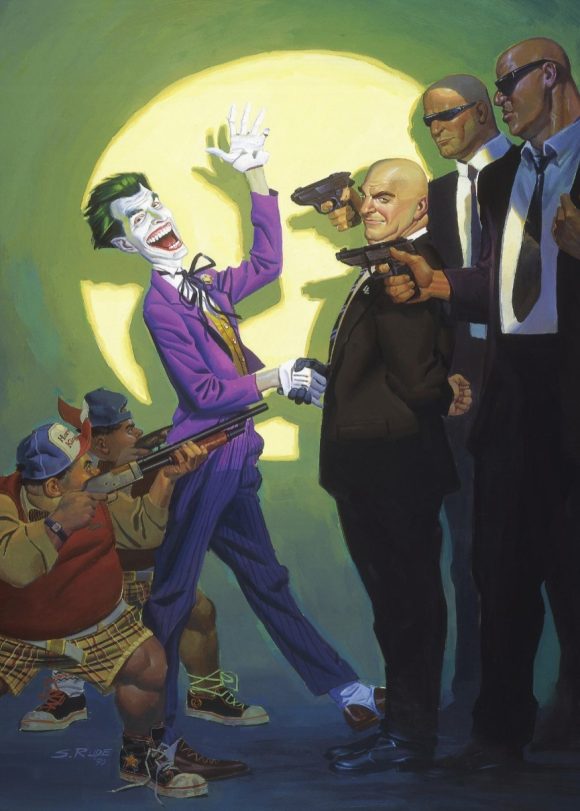
The First Post-Crisis Teaming of Joker and Luthor. The friction between Superman and Batman is nothing compared to how their greatest foes feel toward each other. This time around, the World’s Vilest team cannot even pretend to tolerate being in the same room with one another for more than five minutes. This dysfunctional business relationship is so toxic that it results in absolute chaos later in the story.
—
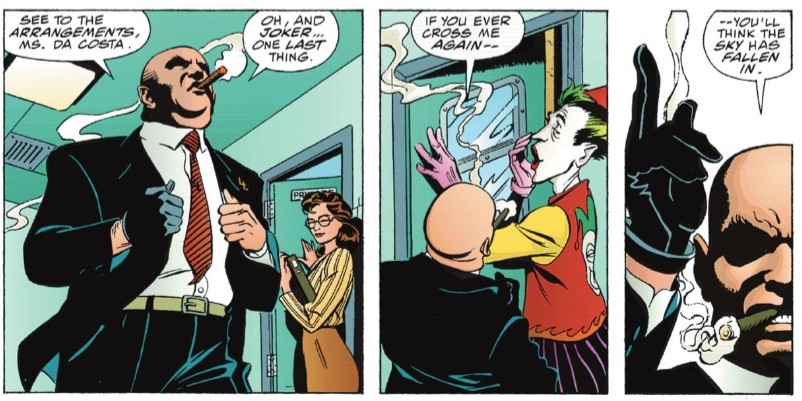
It Gives Us the Meanest Post-Crisis Luthor. This Luthor scowls far more frequently than he does in the Superman monthlies and is much less charming. He is rude, threatening, quick to anger, and does not like being messed with on any level. His final words to the Joker rank as one of the nastiest promises of harm I have ever heard a fictional character utter.
—
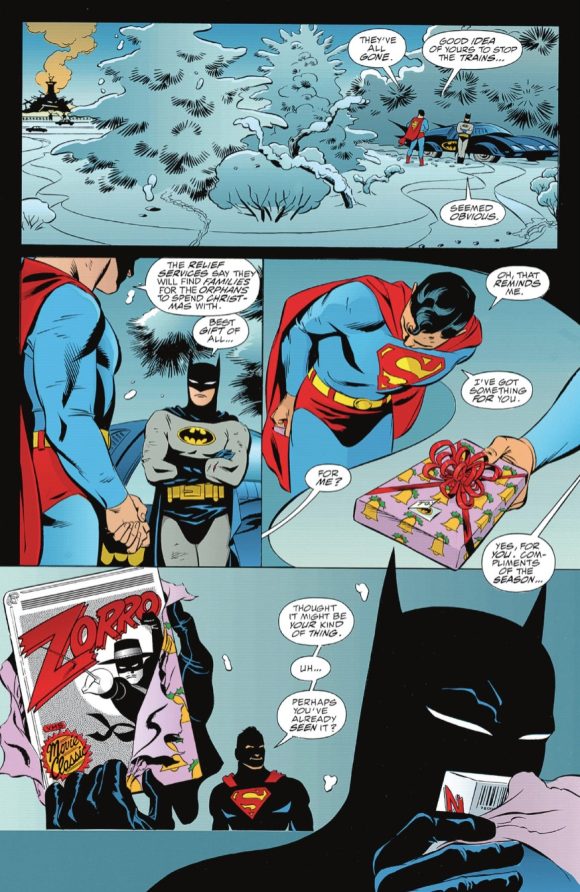
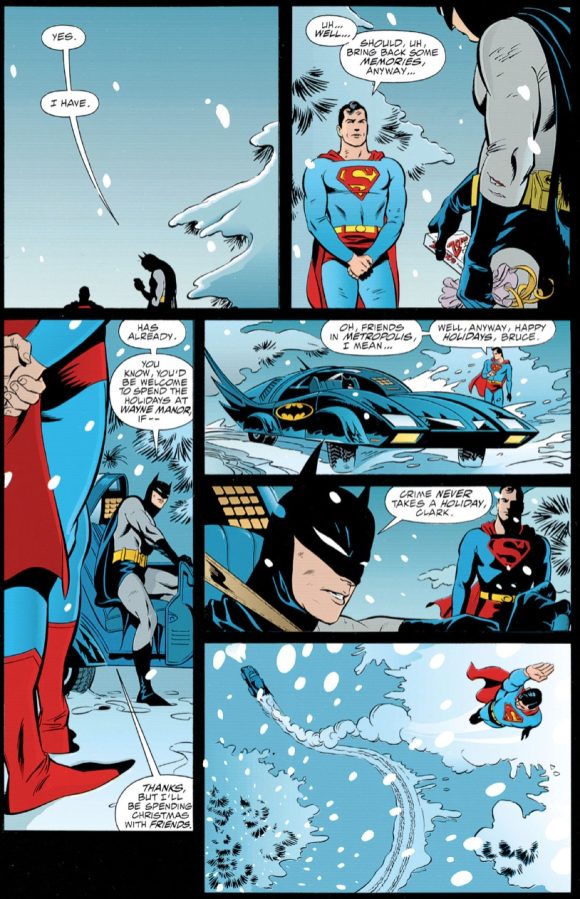
It Has Moments of Genuine Human Drama, Like This One:
—
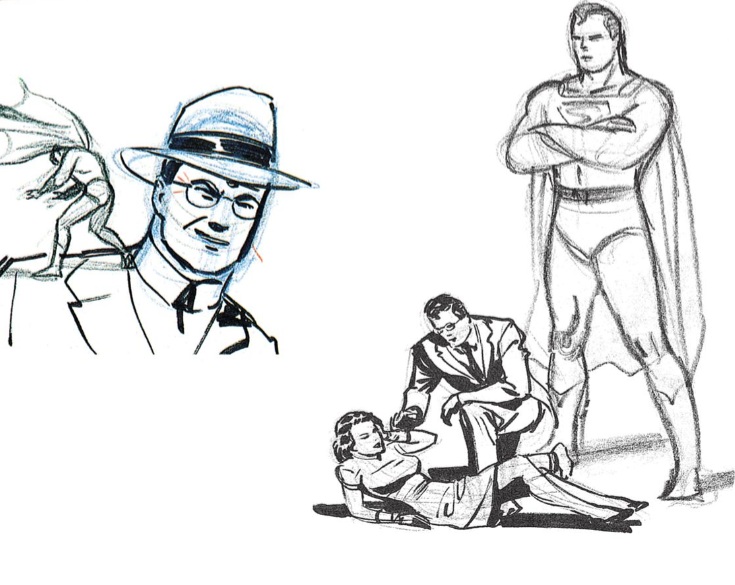
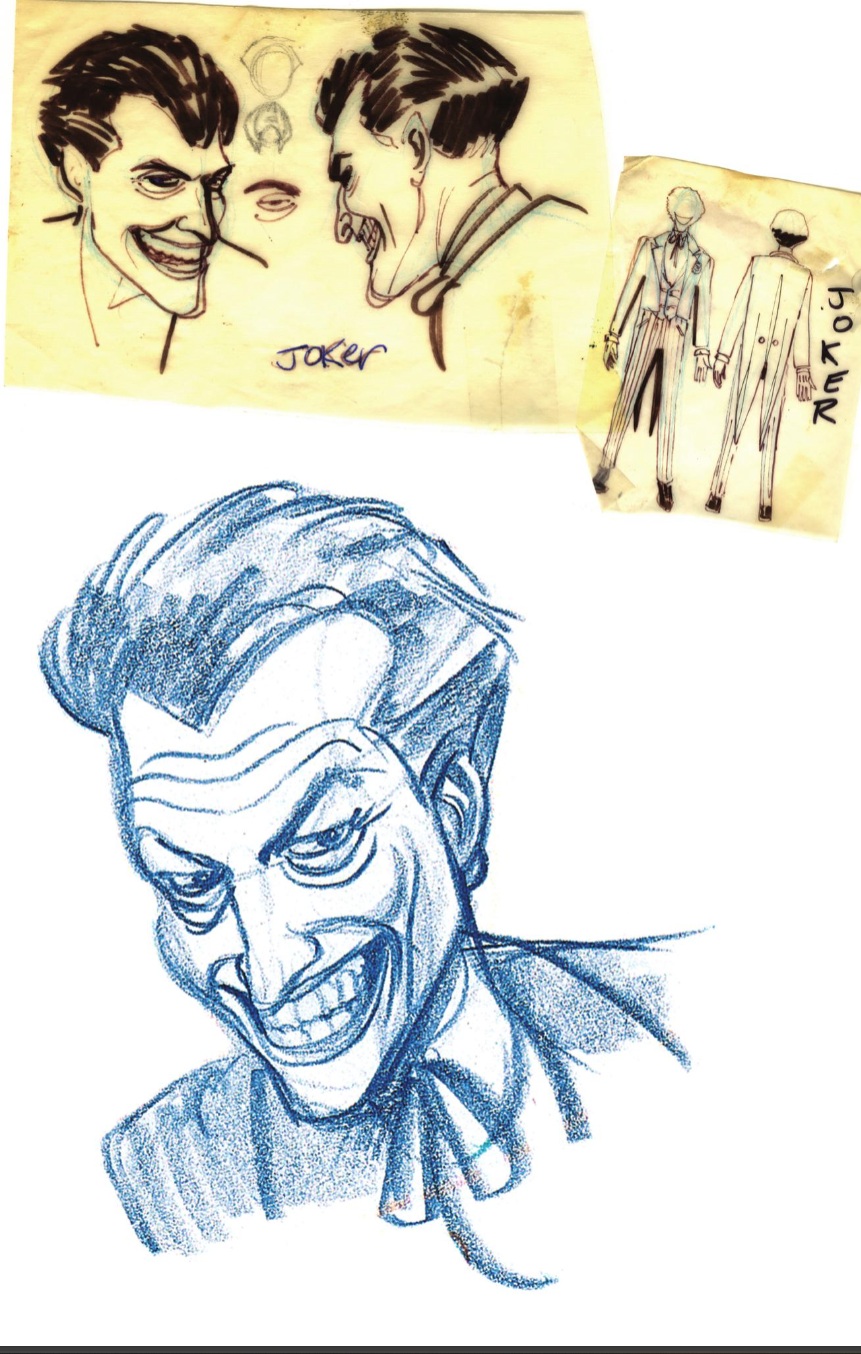
It Feels Like an Homage to the Old-School World’s Finest Stories. The visual portrayals of Superman, Batman, Luthor, and Joker are their modern versions but, at the same time, feel like tributes to the retro stylings of Jerry Robinson, Bob Kane, Dick Sprang, Joe Shuster, Wayne Boring, Curt Swan, and the Fleischer Bros.
—
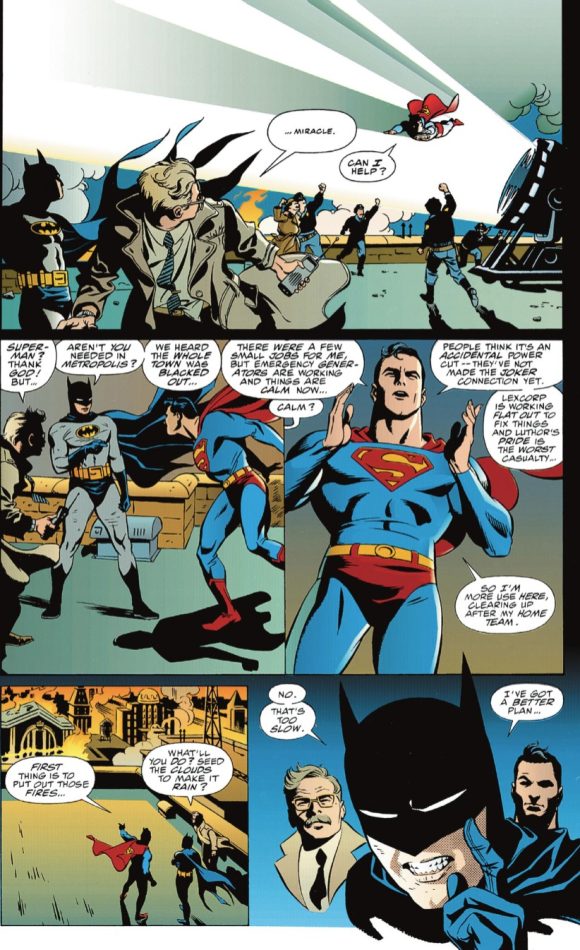
It Requires Both Heroes to Save the Day. Neither Batman nor Superman appears shortchanged when teaming up to save the day—something that could not always be said of their pre-Crisis team-ups.
—
It Showed DC and Readers That Batman and Superman Team-Ups Could Still Work. Despite the sometimes contentious nature of their interactions, their opposite ways of operating, their different levels of power, and their contrasting personalities, this story showed that pairing Batman and Superman could still be very entertaining—provided the proper creative talent was involved, both franchises were treated with respect, and the characters remained true to themselves.
—
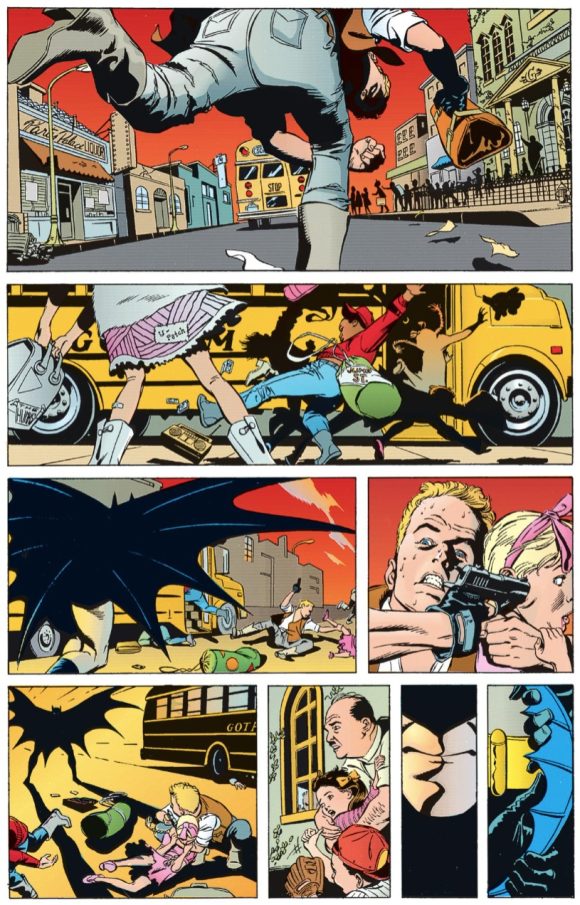
It Knows When to Let the Pictures Tell the Story. World’s Finest 1990 knows when to let the visuals do the heavy lifting and give the dialogue a rest—whether depicting flashbacks in the first issue, nightmare recaps of Bruce and Clark being orphaned, or high-energy action sequences.
—
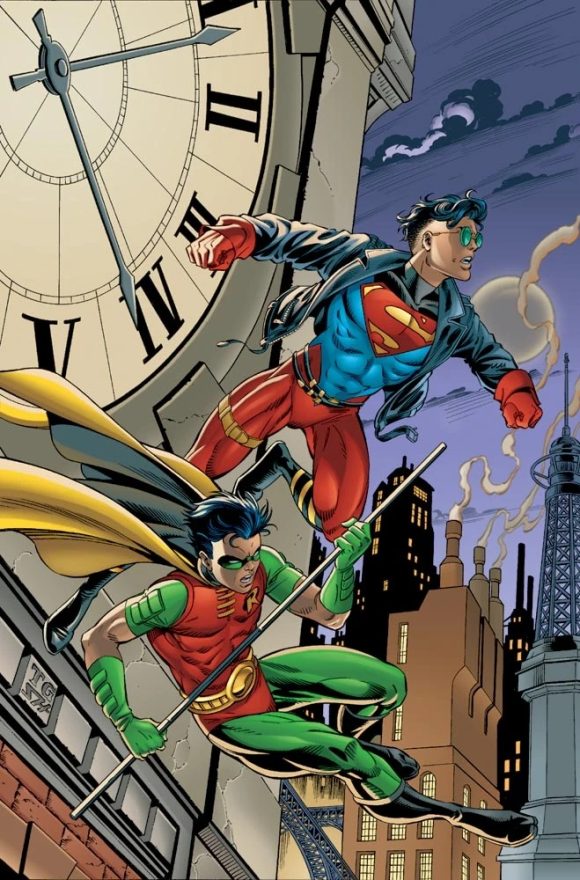
It Opened the Door for More Post-Crisis Batman and Superman Pairings. The success of this series led DC Comics to follow it up in 1994 with another three-issue, prestige-format miniseries, Legends of the World’s Finest, by Walt Simonson and Dan Brereton, and 1996’s two-issue prestige-format miniseries World’s Finest Three, teaming Superboy and Robin.
—
It Gave Us Hope That Superman and Batman Would Be on Better Terms Again. Ever since their first post-Crisis meeting in 1986’s Man of Steel #3, Batman and Superman didn’t seem to get along the way they once had — a concept introduced in that year’s The Dark Knight Returns.

I didn’t mind, as it made for a more interesting dynamic. If they were going to become good friends again, they needed to gradually earn back their mutual pre-Crisis respect. The aforementioned “Dark Knight Over Metropolis” and the 1990 World’s Finest miniseries went a long way toward rebuilding that trust—something later ’90s works such as Kingdom Come and Grant Morrison’s JLA would further support.
By the time the 2000s rolled around, Batman and Superman’s positive rapport appeared to be almost fully restored to pre-Crisis levels. The 1990 World’s Finest miniseries was an essential building block in repairing the friendship between the Caped Crusader and the Man of Tomorrow.
—
MORE
— 13 GREAT ILLUSTRATIONS: A STEVE RUDE Birthday Celebration. Click here.
— To Neal Adams, STEVE RUDE Was the One Who Got Away. Click here.
—
JASON CZERNICH was born smack dab in the middle of the Bronze Age of Comics. Early memories of Power Records and other Batman merchandise, as well as watching reruns of the 1966 Batman series on TV38 in Boston, imprinted on him heavily. Today, he lives and works as a clinical social worker in central Massachusetts with his wife, child, cat, and beloved French Bulldog.

December 31, 2025
Jason, a very enjoyable breakdown of this story. You have a real easy flow to read along with here. You’ve made me want to go back and re-read this classic tale. Thanks for sharing!
And, for anyone interested, “The Dude” is still creating. Checkout – https://www.patreon.com/cw/steverude
December 31, 2025
He so is creating amazing artwork! WF 1990 and Incredible Hulk vs. Superman are my favorites by him!
And thanks for the kind words about the article! Happy New Year!
December 31, 2025
Rude, along with writer Roger Stern and inker Al Milgrom, is responsible for my favorite crossover: The Incredible Hulk vs. Superman (1999). A slam dunk from cover to cover.
December 31, 2025
I really like this book a lot. Steve Rude was at the height of his artistic powers, and Karl Kesel was demonstrating yet again that his inking was a good match with anyone (I think Kesel is one of the most underrated inkers of that era). I really, really like Rude’s version of the Joker, and how nicely he contrasts with Lex Luthor. It’s not the silly Silver Age version of Joker, and it’s not the nihilistic post-Killing Joker version either. It’s a nice balance. And, as the writer mentioned, the coloring holds up quite nicely. Early computer coloring tends to show its age decades later, but this coloring still feels contemporary.
I believe this was Dave Gibbons’ first work as a writer. He does a good job. I have some minor quibbles with the story, mostly structural issues (e.g., there are two main plot threads in the book, but rather than climaxing at the same time, the storyline about the orphanage ends at the end of issue 2, which always made issue three feel anticlimactic to me). That’s just a minor criticism though.
Even though this is technically tied to late-1980s post-Crisis continuity (no Robin (this was post-Death in the Family and pre-Tim Drake); Barbara Gordon in a wheelchair; Lex Luthor’s bionic hand), those things are marginal and no attention is drawn to them (except for one brief scene of Luthor crushing something with his hand). The book has timeless, evergreen quality about it, especially visually. This book pairs well with Batman: Year One and DC: The New Frontier as a primer trilogy for new DC readers.
I wish DC would release this as an Absolute Edition to really show off the artwork.
December 31, 2025
I love this series, I wish DC would let Mr Rude draw a Batman series (or Superman)
I’ve always loved his version of these characters best.
Have New Year to you all.
January 1, 2026
I would say this also led to Karl Kesel’s 10 issue mini series
Batman & Superman: World’s Finest
January 1, 2026
Great article Jason! This is one of my all time favorite comics, period. I have an annual tradition of reading it every Christmas/New Year’s holiday since that’s the time frame of the story. This was my first real exposure to Steve Rude’s artwork as well, and I’ve been a huge fan ever since. Two other books that are worth checking out if you like World’s Finest are his Superman/Hulk book mentioned above, and there is a Spider-man mini-series, I believe called “Spider-man Lifelines”, that is excellent as well. The artwork is a great homage to John Romita Sr done in a way only Mr. Rude could pull off.
I’ve always thought this World’s Finest mini-series would make a fantastic animated film, but done in the old school Hannah Barbara Johnny Quest-era style…. Very 2-D limited style animation with that awesome Alex Toth production design.
Thanks for bringing attention to this great gem of a comic book!
January 3, 2026
— and right now his entire site is 20% off, including commissions.
If his work ever inspired you, this is the moment. ⚡
️ Through Sunday | http://www.steverude.com
January 23, 2026
I bought this as a young fella when it came out, and it’s remained one of my absolute favorites. The art is absolutely sublime. DC, please release some special version of it PLEASE!
January 29, 2026
It needs the large Absolute hardcover slipcased treatment! Are you listening DC?
February 2, 2026
I love the research that goes into your work. I feel so lucky to have found the 13thDemension.
February 5, 2026
Thanks!